Nanomaterials and their Applications - Böcker
Visar alla böcker i serien Nanomaterials and their Applications. Handla med fri frakt och snabb leverans.
12 produkter
12 produkter
2 103 kr
Skickas inom 10-15 vardagar
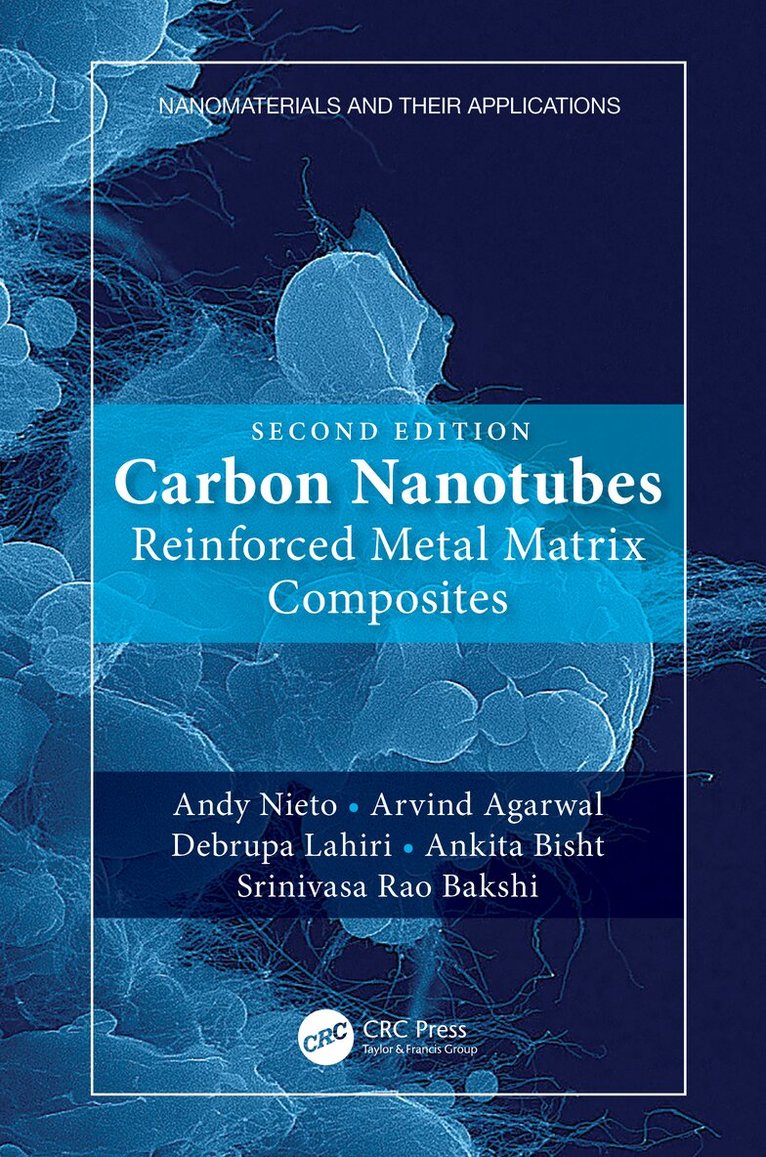
This discovery of carbon nanotubes (CNT) three decades ago ushered in the technological era of nanotechnology. Among the most widely studied areas of CNT research is their use as structural reinforcements in composites. This book describes the development of CNT reinforced metal matrix composites (CNT-MMCs) over the last two decades. The field of CNT-MMCs is abundant in fundamental science, rich in engineering challenges and innovations and ripe for technological maturation and commercialization. The authors have sought to present the current state of the-art in CNT-MMC technology from their synthesis to their myriad potential end-use applications. Specifically, topics explored include:• Advantages, limitations, and evolution of processing techniques used to synthesize and fabricate CNT-MMCs• Emphasizes dispersion techniques of CNTs in metallic systems, a key challenge to the successful and widespread implementation of CNT-MMCs. Methods for quantification and improved control of CNT distributions are presented• Methods for quantification and improved control of CNT distributions are presented• Characterization techniques uniquely suited for charactering these nanoscale materials and their many chemical and physical interactions with the metal matrix, including real-time in-situ characterization of deformation mechanisms• Electron microscope images from premier studies enrich discussions on micro-mechanical modeling, interfacial design, mechanical behavior, and functional properties• A chapter is dedicated to the emergence of dual reinforcement composites that seek to enhance the efficacy of CNTs and lead to material properties by designThis book highlights seminal findings in CNT-MMC research and includes several tables listing processing methods, associated CNT states, and resulting properties in order to aid the next generation of researchers in advancing the science and engineering of CNT-MMCs. In addition, a survey of the patent literature is presented in order to shed light on what the first wave of CNT-MMC commercialization may look like and the challenges that will have to be overcome, both technologically and commercially.
656 kr
Skickas inom 10-15 vardagar
This discovery of carbon nanotubes (CNT) three decades ago ushered in the technological era of nanotechnology. Among the most widely studied areas of CNT research is their use as structural reinforcements in composites. This book describes the development of CNT reinforced metal matrix composites (CNT-MMCs) over the last two decades. The field of CNT-MMCs is abundant in fundamental science, rich in engineering challenges and innovations and ripe for technological maturation and commercialization. The authors have sought to present the current state of the-art in CNT-MMC technology from their synthesis to their myriad potential end-use applications. Specifically, topics explored include:• Advantages, limitations, and evolution of processing techniques used to synthesize and fabricate CNT-MMCs• Emphasizes dispersion techniques of CNTs in metallic systems, a key challenge to the successful and widespread implementation of CNT-MMCs. Methods for quantification and improved control of CNT distributions are presented• Methods for quantification and improved control of CNT distributions are presented• Characterization techniques uniquely suited for charactering these nanoscale materials and their many chemical and physical interactions with the metal matrix, including real-time in-situ characterization of deformation mechanisms• Electron microscope images from premier studies enrich discussions on micro-mechanical modeling, interfacial design, mechanical behavior, and functional properties• A chapter is dedicated to the emergence of dual reinforcement composites that seek to enhance the efficacy of CNTs and lead to material properties by designThis book highlights seminal findings in CNT-MMC research and includes several tables listing processing methods, associated CNT states, and resulting properties in order to aid the next generation of researchers in advancing the science and engineering of CNT-MMCs. In addition, a survey of the patent literature is presented in order to shed light on what the first wave of CNT-MMC commercialization may look like and the challenges that will have to be overcome, both technologically and commercially.
697 kr
Skickas inom 10-15 vardagar
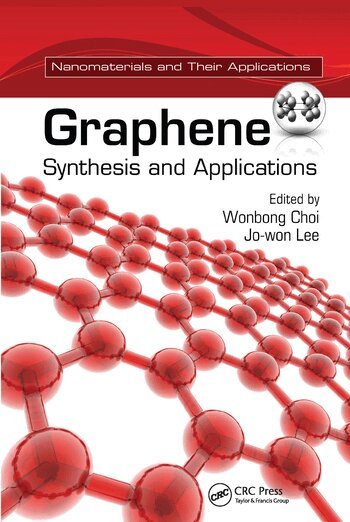
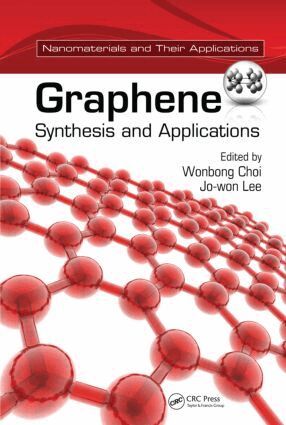
Since the late 20th century, graphene—a one-atom-thick planar sheet of sp2-bonded carbon atoms densely packed in a honeycomb crystal lattice—has garnered appreciable attention as a potential next-generation electronic material due to its exceptional properties. These properties include high current density, ballistic transport, chemical inertness, high thermal conductivity, optical transmittance, and super hydrophobicity at nanometer scale. In contrast to research on its excellent electronic and optoelectronic properties, research on the syntheses of a single sheet of graphene for industrial applications is in its nascent stages. Graphene: Synthesis and Applications reviews the advancement and future directions of graphene research in the areas of synthesis and properties, and explores applications, such as electronics, heat dissipation, field emission, sensors, composites, and energy.
1 184 kr
Skickas inom 10-15 vardagar
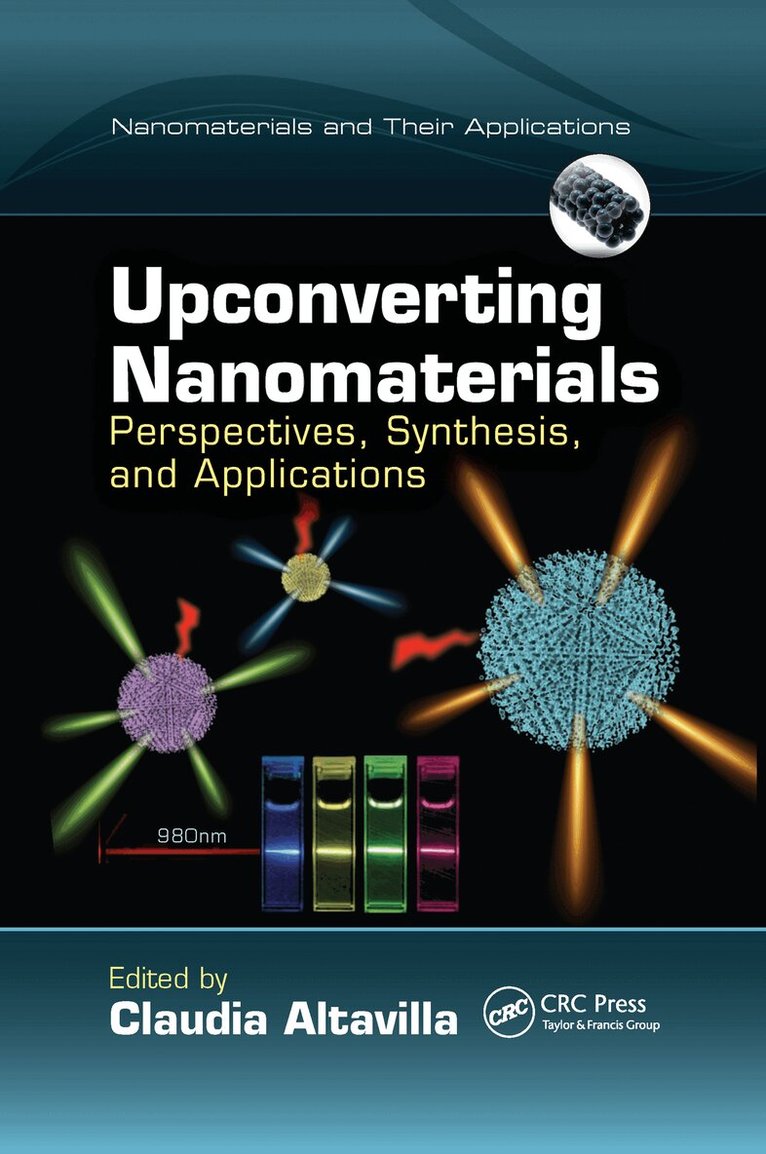
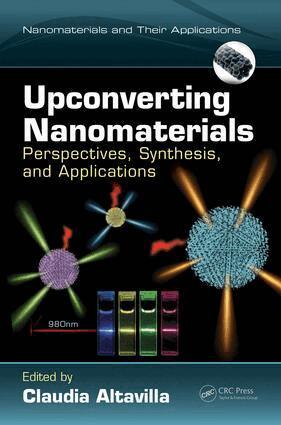
Upconverting Nanomaterials: Perspectives, Synthesis, and Applications serves as a powerful instrument that explores cutting-edge research knowledge on the topic of upconverting nanosystems, while simultaneously providing the necessary fundamental background for nonspecialist readers. The various aspects of upconverting materials are approached both from a theoretical point of view, particularly upconverting phenomenon, and a practical one. By presenting synthetic strategies, functionalization, production of core shell structures and nanocomposites, this book supplies PhD students, researchers, and scientists with a wealth of ideas they can apply to different fields of research. Thirty-five renowned scientists from around the world have collaborated to produce 11 chapters that help to "make a voyage" through the most important aspects of UPNPs, including syntheses, mechanism, functionalization, and applications.
1 219 kr
Skickas inom 10-15 vardagar
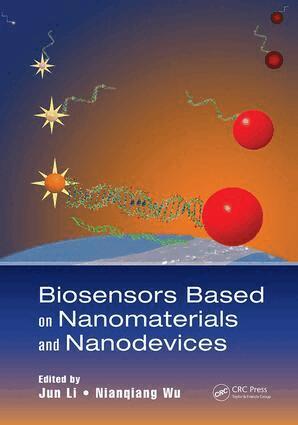
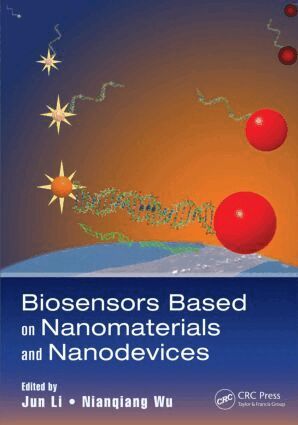
Biosensors Based on Nanomaterials and Nanodevices links interdisciplinary research from leading experts to provide graduate students, academics, researchers, and industry professionals alike with a comprehensive source for key advancements and future trends in nanostructured biosensor development. It describes the concepts, principles, materials, device fabrications, functions, system integrations, and applications of various types of biosensors based on signal transduction mechanisms, including fluorescence, photonic crystal, surface-enhanced Raman scattering, electrochemistry, electro-luminescence, field-effect transistor, and magnetic effect. The book: Explains how to utilize the unique properties of nanomaterials to construct nanostructured biosensors to achieve enhanced performanceFeatures examples of biosensors based on both typical and emerging nanomaterials, such as gold nanoparticles, quantum dots, graphene, graphene oxides, magnetic nanoparticles, carbon nanotubes, inorganic nanowires/nanorods, plasmonic nanostructures, and photonic crystalsDemonstrates the broad applications of nanostructured biosensors in environmental monitoring, food safety, industrial quality assurance, and in vitro and in vivo health diagnosisInspires new ideas for tackling multiscale and multidisciplinary issues in developing high-performance biosensors for complex practical biomedical problemsFocusing on the connection between nanomaterials research and biosensor development, Biosensors Based on Nanomaterials and Nanodevices illustrates the exciting possibilities and critical challenges of biosensors based on nanomaterials and nanodevices for future health monitoring, disease diagnosis, therapeutic treatments, and beyond.
1 129 kr
Skickas inom 10-15 vardagar
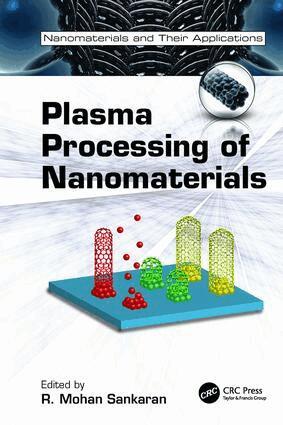
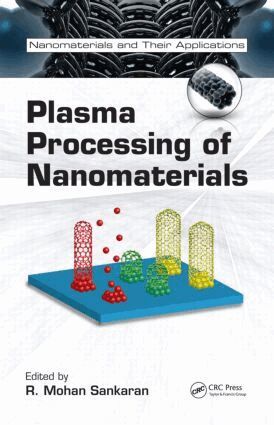
We are at a critical evolutionary juncture in the research and development of low-temperature plasmas, which have become essential to synthesizing and processing vital nanoscale materials. More and more industries are increasingly dependent on plasma technology to develop integrated small-scale devices, but physical limits to growth, and other challenges, threaten progress. Plasma Processing of Nanomaterials is an in-depth guide to the art and science of plasma-based chemical processes used to synthesize, process, and modify various classes of nanoscale materials such as nanoparticles, carbon nanotubes, and semiconductor nanowires. Plasma technology enables a wide range of academic and industrial applications in fields including electronics, textiles, automotives, aerospace, and biomedical. A prime example is the semiconductor industry, in which engineers revolutionized microelectronics by using plasmas to deposit and etch thin films and fabricate integrated circuits. An overview of progress and future potential in plasma processing, this reference illustrates key experimental and theoretical aspects by presenting practical examples of: Nanoscale etching/deposition of thin films Catalytic growth of carbon nanotubes and semiconductor nanowires Silicon nanoparticle synthesis Functionalization of carbon nanotubes Self-organized nanostructuresSignificant advances are expected in nanoelectronics, photovoltaics, and other emerging fields as plasma technology is further optimized to improve the implementation of nanomaterials with well-defined size, shape, and composition. Moving away from the usual focus on wet techniques embraced in chemistry and physics, the author sheds light on pivotal breakthroughs being made by the smaller plasma community. Written for a diverse audience working in fields ranging from nanoelectronics and energy sensors to catalysis and nanomedicine, this resource will help readers improve development and application of nanomaterials in their own work. About the Author:R. Mohan Sankaran received the American Vacuum Society’s 2011 Peter Mark Memorial Award for his outstanding contributions to tandem plasma synthesis.
1 562 kr
Skickas inom 10-15 vardagar
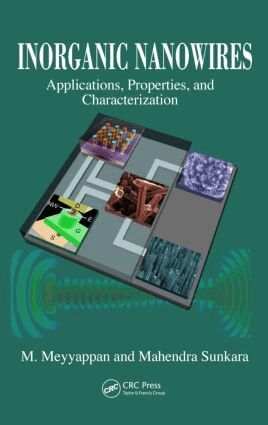
Advances in nanofabrication, characterization tools, and the drive to commercialize nanotechnology products have contributed to the significant increase in research on inorganic nanowires (INWs). Yet few if any books provide the necessary comprehensive and coherent account of this important evolution.Presenting essential information on both popular and emerging varieties, Inorganic Nanowires: Applications, Properties, and Characterization addresses the growth, characterization, and properties of nanowires. Author Meyyappan is the director and senior scientist at Ames Center for Nanotechnology and a renowned leader in nanoscience and technology, and Sunkara is also a major contributor to nanowire literature. Their cutting-edge work is the basis for much of the current understanding in the area of nanowires, and this book offers an in-depth overview of various types of nanowires, including semiconducting, metallic, and oxide varieties. It also includes extensive coverage of applications that use INWs and those with great potential in electronics, optoelectronics, field emission, thermoelectric devices, and sensors.This invaluable reference: Traces the evolution of nanotechnology and classifies nanomaterials Describes nanowires and their potential applications to illustrate connectivity and continuity Discusses growth techniques, at both laboratory and commercial scales Evaluates the most important aspects of classical thermodynamics associated with the nucleation and growth of nanowires Details the development of silicon, germanium, gallium arsenide, and other materials in the form of nanowires used in electronics applications Explores the physical, electronic and other properties of nanowiresThe explosion of nanotechnology research activities for various applications is due in large part to the advances in the growth of nanowires. Continued development of novel nanostructured materials is essential to the success of so many economic sectors, ranging from computing and communications to transportation and medicine. This volume discusses how and why nanowires are ideal candidates to replace bulk and thin film materials. It covers the principles behind device operation and then adds a detailed assessment of nanowire fabrication, performance results, and future prospects and challenges, making this book a valuable resource for scientists and engineers in just about any field.Co-author Meyya Meyyappan will receive the Pioneer Award in Nanotechnology from the IEEE Nanotechnology Council at the IEEE Nano Conference in Portland, Oregon in August, 2011
2 509 kr
Skickas inom 10-15 vardagar
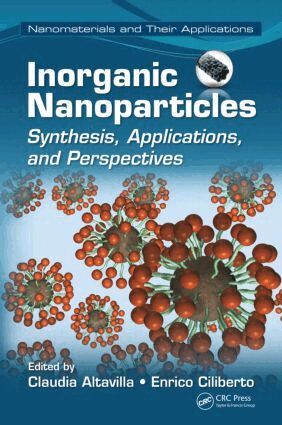
Among the various nanomaterials, inorganic nanoparticles are extremely important in modern technologies. They can be easily and cheaply synthesized and mass produced, and for this reason, they can also be more readily integrated into applications. Inorganic Nanoparticles: Synthesis, Applications, and Perspectives presents an overview of these special materials and explores the myriad ways in which they are used. It addresses a wide range of topics, including: Application of nanoparticles in magnetic storage media Use of metal and oxide nanoparticles to improve performance of oxide thin films as conducting media in commercial gas and vapor sensors Advances in semiconductors for light-emitting devices and other areas related to the energy sector, such as solar energy and energy storage devices (fuel cells, rechargeable batteries, etc.) The expanding role of nanosized particles in the field of catalysis, art conservation, and biomedicineThe book’s contributors address the growing global interest in the application of inorganic nanoparticles in various technological sectors. Discussing advances in materials, device fabrication, and large-scale production—all of which are urgently required to reduce global energy demands—they cover innovations in areas such as solid-state lighting, detailing how it still offers higher efficiency but higher costs, compared to conventional lighting. They also address the impact of nanotechnology in the biomedical field, focusing on topics such as quantum dots for bioimaging, nanoparticle-based cancer therapy, drug delivery, antibacterial agents, and more. Fills the informational gap on the wide range of applications for inorganic nanoparticles in areas including biomedicine, electronics, storage media, conservation of cultural heritage, optics, textiles, and cosmeticsAssembling work from an array of experts at the top of their respective fields, this book delivers a useful analysis of the vast scope of existing and potential applications for inorganic nanoparticles. Versatile as either a professional research resource or textbook, this effective tool elucidates fundamentals and current advances associated with design, characterization, and application development of this promising and ever-evolving device.
2 712 kr
Skickas inom 10-15 vardagar
Since the late 20th century, graphene—a one-atom-thick planar sheet of sp2-bonded carbon atoms densely packed in a honeycomb crystal lattice—has garnered appreciable attention as a potential next-generation electronic material due to its exceptional properties. These properties include high current density, ballistic transport, chemical inertness, high thermal conductivity, optical transmittance, and super hydrophobicity at nanometer scale. In contrast to research on its excellent electronic and optoelectronic properties, research on the syntheses of a single sheet of graphene for industrial applications is in its nascent stages. Graphene: Synthesis and Applications reviews the advancement and future directions of graphene research in the areas of synthesis and properties, and explores applications, such as electronics, heat dissipation, field emission, sensors, composites, and energy.
2 847 kr
Skickas inom 10-15 vardagar
We are at a critical evolutionary juncture in the research and development of low-temperature plasmas, which have become essential to synthesizing and processing vital nanoscale materials. More and more industries are increasingly dependent on plasma technology to develop integrated small-scale devices, but physical limits to growth, and other challenges, threaten progress. Plasma Processing of Nanomaterials is an in-depth guide to the art and science of plasma-based chemical processes used to synthesize, process, and modify various classes of nanoscale materials such as nanoparticles, carbon nanotubes, and semiconductor nanowires. Plasma technology enables a wide range of academic and industrial applications in fields including electronics, textiles, automotives, aerospace, and biomedical. A prime example is the semiconductor industry, in which engineers revolutionized microelectronics by using plasmas to deposit and etch thin films and fabricate integrated circuits. An overview of progress and future potential in plasma processing, this reference illustrates key experimental and theoretical aspects by presenting practical examples of: Nanoscale etching/deposition of thin films Catalytic growth of carbon nanotubes and semiconductor nanowires Silicon nanoparticle synthesis Functionalization of carbon nanotubes Self-organized nanostructuresSignificant advances are expected in nanoelectronics, photovoltaics, and other emerging fields as plasma technology is further optimized to improve the implementation of nanomaterials with well-defined size, shape, and composition. Moving away from the usual focus on wet techniques embraced in chemistry and physics, the author sheds light on pivotal breakthroughs being made by the smaller plasma community. Written for a diverse audience working in fields ranging from nanoelectronics and energy sensors to catalysis and nanomedicine, this resource will help readers improve development and application of nanomaterials in their own work. About the Author:R. Mohan Sankaran received the American Vacuum Society’s 2011 Peter Mark Memorial Award for his outstanding contributions to tandem plasma synthesis.
3 280 kr
Skickas inom 10-15 vardagar
Biosensors Based on Nanomaterials and Nanodevices links interdisciplinary research from leading experts to provide graduate students, academics, researchers, and industry professionals alike with a comprehensive source for key advancements and future trends in nanostructured biosensor development. It describes the concepts, principles, materials, device fabrications, functions, system integrations, and applications of various types of biosensors based on signal transduction mechanisms, including fluorescence, photonic crystal, surface-enhanced Raman scattering, electrochemistry, electro-luminescence, field-effect transistor, and magnetic effect. The book: Explains how to utilize the unique properties of nanomaterials to construct nanostructured biosensors to achieve enhanced performanceFeatures examples of biosensors based on both typical and emerging nanomaterials, such as gold nanoparticles, quantum dots, graphene, graphene oxides, magnetic nanoparticles, carbon nanotubes, inorganic nanowires/nanorods, plasmonic nanostructures, and photonic crystalsDemonstrates the broad applications of nanostructured biosensors in environmental monitoring, food safety, industrial quality assurance, and in vitro and in vivo health diagnosisInspires new ideas for tackling multiscale and multidisciplinary issues in developing high-performance biosensors for complex practical biomedical problemsFocusing on the connection between nanomaterials research and biosensor development, Biosensors Based on Nanomaterials and Nanodevices illustrates the exciting possibilities and critical challenges of biosensors based on nanomaterials and nanodevices for future health monitoring, disease diagnosis, therapeutic treatments, and beyond.
2 632 kr
Skickas inom 7-10 vardagar
Upconverting Nanomaterials: Perspectives, Synthesis, and Applications serves as a powerful instrument that explores cutting-edge research knowledge on the topic of upconverting nanosystems, while simultaneously providing the necessary fundamental background for nonspecialist readers. The various aspects of upconverting materials are approached both from a theoretical point of view, particularly upconverting phenomenon, and a practical one. By presenting synthetic strategies, functionalization, production of core shell structures and nanocomposites, this book supplies PhD students, researchers, and scientists with a wealth of ideas they can apply to different fields of research. Thirty-five renowned scientists from around the world have collaborated to produce 11 chapters that help to "make a voyage" through the most important aspects of UPNPs, including syntheses, mechanism, functionalization, and applications.