New Dimensions in Computers & Compositions – serie
Visar alla böcker i serien New Dimensions in Computers & Compositions. Handla med fri frakt och snabb leverans.
4 produkter
Doing Literacy Online
Teaching, Learning and Playing in an Electronic World
Av Ilana Snyder, Catherine Beavis
Inbunden, 2004
611 kr
Lägg i varukorg
The essays in this volume provide an international perspective on persistent and emerging questions related to the use of online technologies for teaching and learning. They demonstrate that online literacy practices can be understood only when they are examined within their social, political, …
Doing Literacy Online
Teaching, Learning and Playing in an Electronic World
Av Ilana Snyder, Catherine Beavis
Häftad, 2004
281 kr
Lägg i varukorg
The essays in this volume provide an international perspective on persistent and emerging questions related to the use of online technologies for teaching and learning. They demonstrate that online literacy practices can be understood only when they are examined within their social, political, …
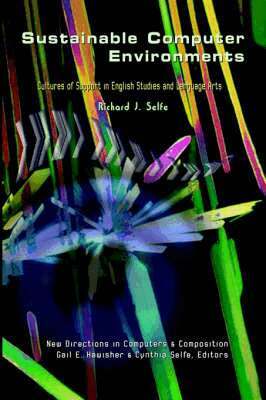
Sustainable Computer Environments
Cultures of Support in English Studies and Language Arts
Häftad, 2004
267 kr
Lägg i varukorg
This volume helps define the social, technical, and institutional issues that surround technology rich environments used in English studies departments and programs. Technology rich environments are helping to shape the working, teaching, and learning experiences of students, teachers, technicians, …
Sustainable Computer Environments
Cultures of Support in English Studies and Language Arts
Inbunden, 2004
496 kr
Tillfälligt slut
This volume helps define the social, technical, and institutional issues that surround technology rich environments used in English studies departments and programs. Technology rich environments are helping to shape the working, teaching, and learning experiences of students, teachers, technicians, …