Notes for Performers - Böcker
Visar alla böcker i serien Notes for Performers. Handla med fri frakt och snabb leverans.
10 produkter
10 produkter
1 559 kr
Skickas inom 5-8 vardagar
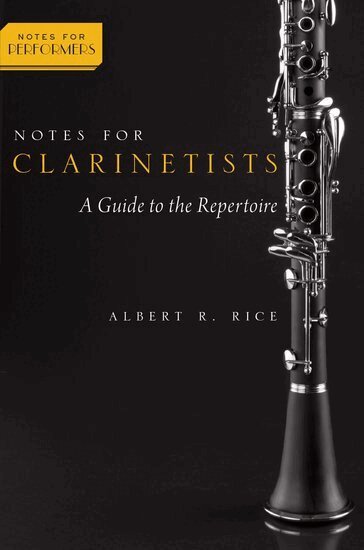
Notes for Clarinetists: A Guide to the Repertoire offers important historical and analytical information about thirty-five of the best-known pieces written for the instrument. Numerous contextual and theoretical insights make it an essential resource for professional, amateur, and student clarinetists. With engaging prose supported by fact-filled analytical charts, the book offers rich biographical information and informative analyses to help clarinetists gain a more complete understanding of Three Pieces for Clarinet Solo by Igor Stravinsky, Aaron Copland's Concerto for Clarinet, String Orchestra, Harp, and Piano, Robert Schumann's Fantasy Pieces for Clarinet and Piano, Op. 73. and Time Pieces for Clarinet and Piano, Op. 43. by Robert Muczynski, among many others.With close attention to matters of context, style, and harmonic and formal analysis, Albert Rice explores a significant portion of the repertoire, and offers a faithful and comprehensive guide that includes works by Boulez, Brahms, and Mozart to Hindemith, Poulenc, and Stamitz. Rice includes biographical information on each composer and highlights history's impact on the creation and performance of important works for clarinet. Intended as a starting point for connecting performance studies with scholarship, Rice's analysis will help clarinetists gain a more complete picture of a given work. Its valuable insights make it essential to musicians preparing and presenting programs, and its detailed historical information about the work and composer will encourage readers to explore other works in a similarly analytical way. Covering concertos, chamber pieces, and works for solo clarinet, Rice presents Notes for Clarinetists as an indispensable handbook for students and professionals alike.
419 kr
Skickas inom 5-8 vardagar
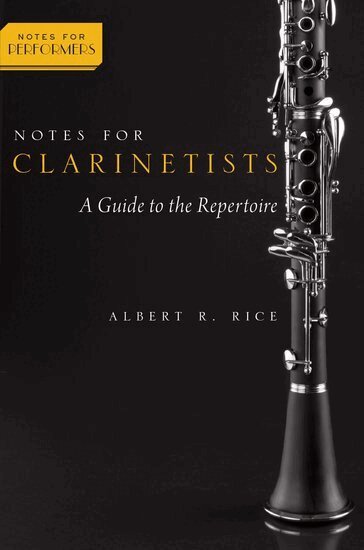
Notes for Clarinetists: A Guide to the Repertoire offers important historical and analytical information about thirty-five of the best-known pieces written for the instrument. Numerous contextual and theoretical insights make it an essential resource for professional, amateur, and student clarinetists. With engaging prose supported by fact-filled analytical charts, the book offers rich biographical information and informative analyses to help clarinetists gain a more complete understanding of Three Pieces for Clarinet Solo by Igor Stravinsky, Aaron Copland's Concerto for Clarinet, String Orchestra, Harp, and Piano, Robert Schumann's Fantasy Pieces for Clarinet and Piano, Op. 73. and Time Pieces for Clarinet and Piano, Op. 43. by Robert Muczynski, among many others.With close attention to matters of context, style, and harmonic and formal analysis, Albert Rice explores a significant portion of the repertoire, and offers a faithful and comprehensive guide that includes works by Boulez, Brahms, and Mozart to Hindemith, Poulenc, and Stamitz. Rice includes biographical information on each composer and highlights history's impact on the creation and performance of important works for clarinet. Intended as a starting point for connecting performance studies with scholarship, Rice's analysis will help clarinetists gain a more complete picture of a given work. Its valuable insights make it essential to musicians preparing and presenting programs, and its detailed historical information about the work and composer will encourage readers to explore other works in a similarly analytical way. Covering concertos, chamber pieces, and works for solo clarinet, Rice presents Notes for Clarinetists as an indispensable handbook for students and professionals alike.
1 717 kr
Skickas inom 5-8 vardagar
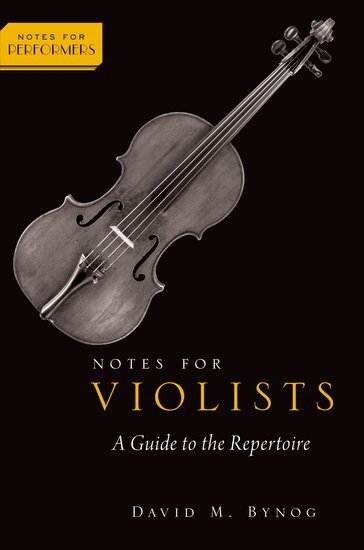
Notes for Violists: A Guide to the Repertoire offers historical and analytical information about thirty-five of the best-known pieces for the instrument, making it an essential resource for professional, amateur, and student violists alike. With engaging prose supported by fact-filled analytical charts, the book offers rich biographical information and insightful analyses that help violists gain a more complete understanding of pieces like Béla Bartók's Concerto for Viola and Orchestra, Rebecca Clarke's Sonata for Viola and Piano, Robert Schumann's Märchenbilder for Viola and Piano, op. 113, Carl Stamitz's Concerto for Viola and Orchestra in D Major, Igor Stravinsky's Élégie for Viola or Violin Unaccompanied, and thirty other masterpieces.This comprehensive guide to key pieces from the viola repertoire from the eighteenth through the twentieth century covers concertos, chamber pieces, and works for solo viola by a wide range of composers, including Bach, Telemann, Mozart, Hoffmeister, Walton, and Hindemith. Author David M. Bynog not only offers clear structural analyses of these compositions but also situates them in their historical contexts as he highlights crucial biographical information on composers and explores the circumstances of the development and performance of each work. By connecting performance studies with scholarship, this indispensable handbook for students and professionals allows readers to gain a more complete picture of each work and encourages them to approach other compositions in a similarly analytical manner.
430 kr
Skickas inom 5-8 vardagar
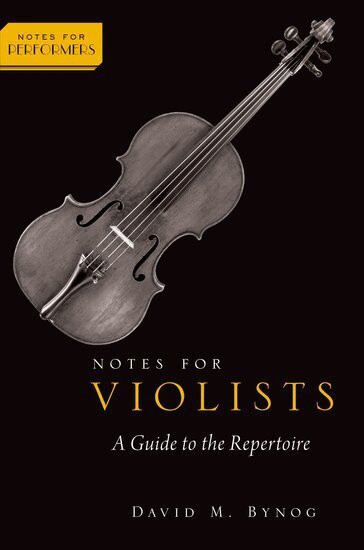
Notes for Violists: A Guide to the Repertoire offers historical and analytical information about thirty-five of the best-known pieces for the instrument, making it an essential resource for professional, amateur, and student violists alike. With engaging prose supported by fact-filled analytical charts, the book offers rich biographical information and insightful analyses that help violists gain a more complete understanding of pieces like Béla Bartók's Concerto for Viola and Orchestra, Rebecca Clarke's Sonata for Viola and Piano, Robert Schumann's Märchenbilder for Viola and Piano, op. 113, Carl Stamitz's Concerto for Viola and Orchestra in D Major, Igor Stravinsky's Élégie for Viola or Violin Unaccompanied, and thirty other masterpieces.This comprehensive guide to key pieces from the viola repertoire from the eighteenth through the twentieth century covers concertos, chamber pieces, and works for solo viola by a wide range of composers, including Bach, Telemann, Mozart, Hoffmeister, Walton, and Hindemith. Author David M. Bynog not only offers clear structural analyses of these compositions but also situates them in their historical contexts as he highlights crucial biographical information on composers and explores the circumstances of the development and performance of each work. By connecting performance studies with scholarship, this indispensable handbook for students and professionals allows readers to gain a more complete picture of each work and encourages them to approach other compositions in a similarly analytical manner.
1 208 kr
Skickas inom 7-10 vardagar
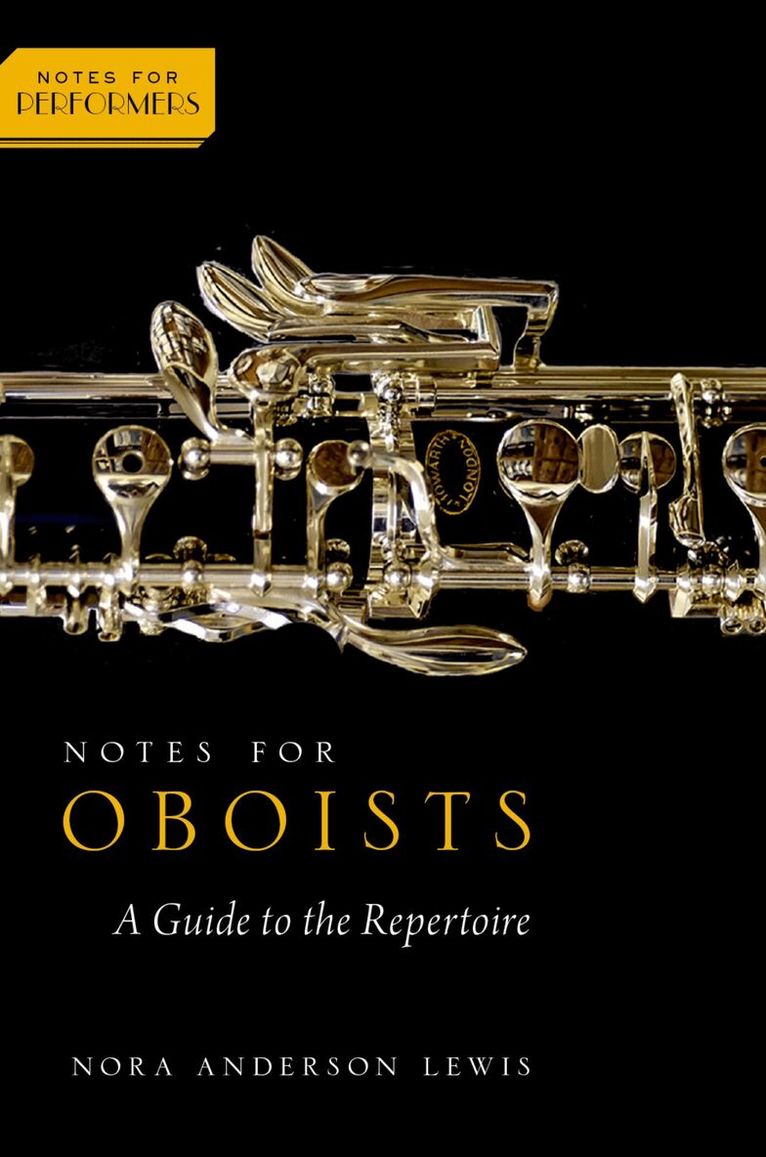
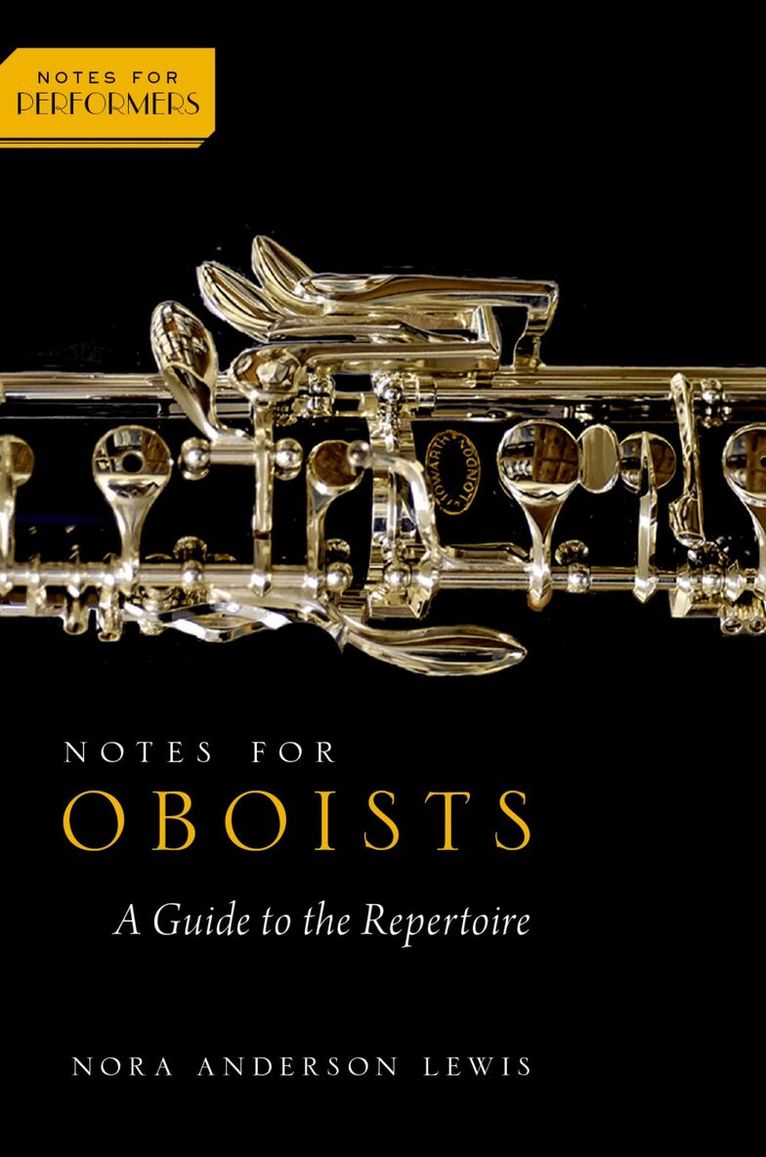
Notes for Oboists: A Guide to the Repertoire is an essential resource for professional, amateur, and student oboists that collects the important historical and analytical information for thirty-five of the best-known pieces composed for the instrument. These works span the eighteenth through the twenty-first century and include sonatas, concertos, chamber music, and works for solo oboe by a wide range of composers. Chapters will cover compositions such as Alessandro Marcello's Concerto in D Minor, Robert Schumann's Three Romances Op. 94, Francis Poulenc's Sonata for Oboe and Piano, Isang Yun's Piri for Oboe Solo, Reena Esmail's Jhula Jhule for Oboe and Piano, and thirty other treasures of the oboe repertoire.Writing in engaging and accessible prose supported by fact-filled analytical charts, Nora A. Lewis offers rich biographical information on individual composers, historical context for compositions (such as the circumstances for its development), as well as clear structural analyses to help oboists gain a deeper understanding of well-known repertoire. In offering both historical/biographical as well as musicological insight, Notes for Oboists connects performance studies with scholarship, allowing readers to build a more complete picture of the music and encourage them to approach other compositions in a similarly analytical manner.
272 kr
Skickas inom 5-8 vardagar
Notes for Oboists: A Guide to the Repertoire is an essential resource for professional, amateur, and student oboists that collects the important historical and analytical information for thirty-five of the best-known pieces composed for the instrument. These works span the eighteenth through the twenty-first century and include sonatas, concertos, chamber music, and works for solo oboe by a wide range of composers. Chapters will cover compositions such as Alessandro Marcello's Concerto in D Minor, Robert Schumann's Three Romances Op. 94, Francis Poulenc's Sonata for Oboe and Piano, Isang Yun's Piri for Oboe Solo, Reena Esmail's Jhula Jhule for Oboe and Piano, and thirty other treasures of the oboe repertoire.Writing in engaging and accessible prose supported by fact-filled analytical charts, Nora A. Lewis offers rich biographical information on individual composers, historical context for compositions (such as the circumstances for its development), as well as clear structural analyses to help oboists gain a deeper understanding of well-known repertoire. In offering both historical/biographical as well as musicological insight, Notes for Oboists connects performance studies with scholarship, allowing readers to build a more complete picture of the music and encourage them to approach other compositions in a similarly analytical manner.
901 kr
Skickas inom 7-10 vardagar
Notes for Cellists: A Guide to the Repertoire is an essential resource for anyone seeking to enrich their understanding of cello music. Written by cellist and cello professor Miranda Wilson, this book explores the world of cello repertoire with analytical overviews and background information on compositions spanning five centuries. In an engaging and accessible style, Notes for Cellists guides readers through the repertoire, providing detailed insights into the lives of composers and the cellists who inspired them. From Bach and Beethoven to contemporary works by living composers, Notes for Cellists offers historical and analytical contexts for over three dozen works. Whether you're a student, professional, teacher, college faculty member, amateur player, or simply an enthusiast of the cello, Notes for Cellists is an indispensable tool. With extended program notes on the essentials of cello repertoire, this book serves as a guide for reference or a starting point for further research.
397 kr
Skickas
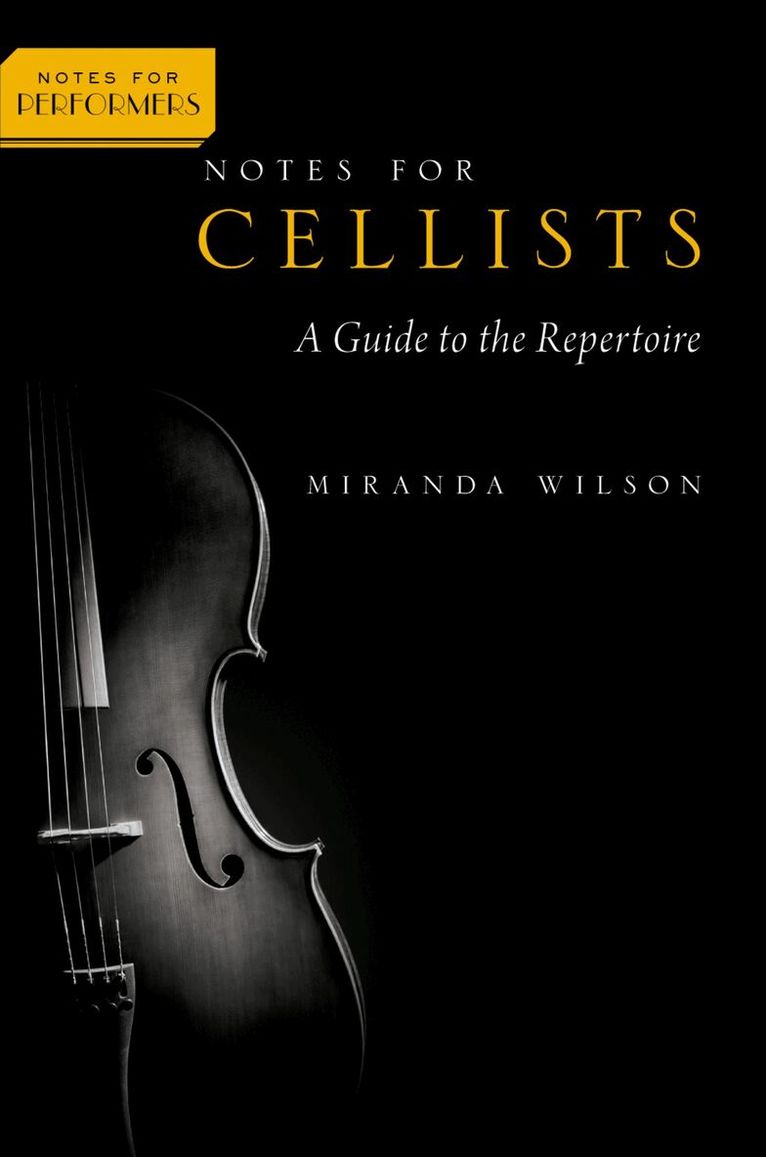
Notes for Cellists: A Guide to the Repertoire is an essential resource for anyone seeking to enrich their understanding of cello music. Written by cellist and cello professor Miranda Wilson, this book explores the world of cello repertoire with analytical overviews and background information on compositions spanning five centuries. In an engaging and accessible style, Notes for Cellists guides readers through the repertoire, providing detailed insights into the lives of composers and the cellists who inspired them. From Bach and Beethoven to contemporary works by living composers, Notes for Cellists offers historical and analytical contexts for over three dozen works. Whether you're a student, professional, teacher, college faculty member, amateur player, or simply an enthusiast of the cello, Notes for Cellists is an indispensable tool. With extended program notes on the essentials of cello repertoire, this book serves as a guide for reference or a starting point for further research.
1 182 kr
Skickas inom 5-8 vardagar
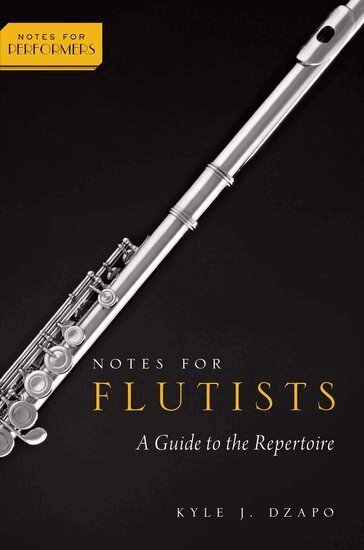
Notes for Flutists: A Guide to the Repertoire offers important historical and analytical information about three dozen of the best-known pieces written for the instrument. Its contextual and theoretical insights make it an indispensable resource for professional, amateur, and student flutists. With engaging prose supported by fact-filled analytical charts, the book offers rich biographical information and informative analyses to help flutists gain a more complete understanding of J. S. Bach's Sonata in B minor, Reinecke's Undine Sonata, Fauré's Fantaisie, Hindemith's Sonata for Flute and Piano, Copland's Duo for Flute and Piano, and 30 other masterpieces. Offering a faithful and comprehensive resource for understanding the context in which the repertory was composed, Notes for Flutists details in clear, chronological order flute repertoire from Georg Philipp Telemann, Gabriel Fauré, Claude Debussy, Luciano Berio to Robert Muczynski and Aaron Copland. Kyle J. Dzapo offers rich biographical information on each composer and highlights history's impact on the creation and performance of notable works for flute. Aimed as a starting point for connecting performance studies with scholarship, Dr. Dzapo's analysis will help flutists gain a more complete picture of a given work. Its contextual and theoretical insights make it essential to musicians preparing and presenting programs, and detailed historical information about the work and composer will encourage and equip readers with the desire and insights to explore other works in a similarly analytical way. Lending insights to both solo flute and chamber pieces, Dzapo presents Notes for Flutists as an accessible music theory and analysis resource, making it indispensible for students and professionals alike.
419 kr
Skickas inom 5-8 vardagar
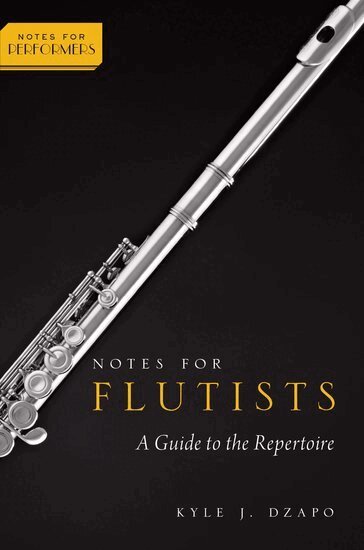
Notes for Flutists: A Guide to the Repertoire offers important historical and analytical information about three dozen of the best-known pieces written for the instrument. Its contextual and theoretical insights make it an indispensable resource for professional, amateur, and student flutists. With engaging prose supported by fact-filled analytical charts, the book offers rich biographical information and informative analyses to help flutists gain a more complete understanding of J. S. Bach's Sonata in B minor, Reinecke's Undine Sonata, Fauré's Fantaisie, Hindemith's Sonata for Flute and Piano, Copland's Duo for Flute and Piano, and 30 other masterpieces. Offering a faithful and comprehensive resource for understanding the context in which the repertory was composed, Notes for Flutists details in clear, chronological order flute repertoire from Georg Philipp Telemann, Gabriel Fauré, Claude Debussy, Luciano Berio to Robert Muczynski and Aaron Copland. Kyle J. Dzapo offers rich biographical information on each composer and highlights history's impact on the creation and performance of notable works for flute. Aimed as a starting point for connecting performance studies with scholarship, Dr. Dzapo's analysis will help flutists gain a more complete picture of a given work. Its contextual and theoretical insights make it essential to musicians preparing and presenting programs, and detailed historical information about the work and composer will encourage and equip readers with the desire and insights to explore other works in a similarly analytical way. Lending insights to both solo flute and chamber pieces, Dzapo presents Notes for Flutists as an accessible music theory and analysis resource, making it indispensible for students and professionals alike.