Objekt - Böcker
Visar alla böcker i serien Objekt. Handla med fri frakt och snabb leverans.
3 produkter
3 produkter
386 kr
Skickas inom 7-10 vardagar
As well as much-needed electricity, dams generate extremes of emotion. Traditionally, dams have facilitated hydraulic civilizations such as those in the Nile Valley, China and Mesopotamia, and, in the twentieth century, Las Vegas and Los Angeles. Yet with the proliferation of dams – there are now more than 40,000 large dams worldwide – opposition and support can be measured in equal proportion. Their outstanding design and construction, often in inhospitable conditions, is representative of the skills of their engineers, yet others do not see such beauty in the ‘taming’ of rivers. In 1998 the continuing controversy led to the forming of the World Commission on Dams to seek a meeting of minds.Dam, a new addition to Reaktion’s Objekt series, traces the development of dams from the Industrial Revolution to the present day through a number of themes – both successes and failures – including the extension of the design teams forming an alliance between engineering, architecture, landscape architecture and ecology.A profusely illustrated exploration of a previously neglected subject, this book is neither a polemic against dams nor a defence of their proliferation. It offers a fresh and much-needed account of their design, construction and function, which will appeal to general readers and those interested in environmental policy, history and civil engineering.
351 kr
Skickas inom 7-10 vardagar
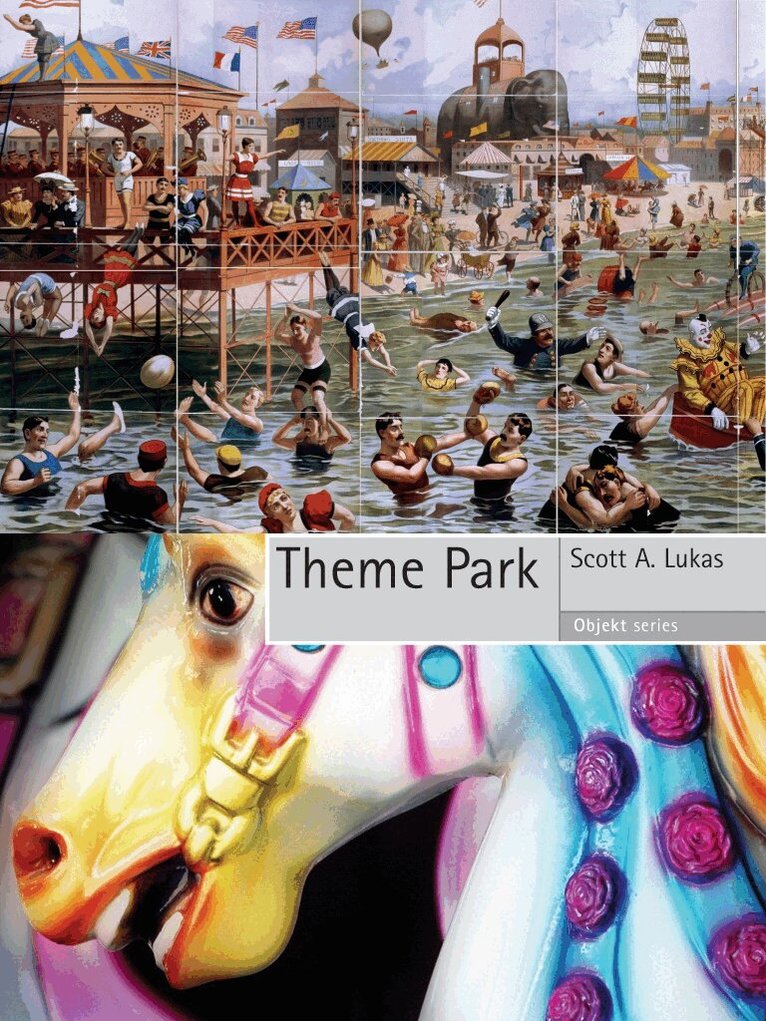
Theme parks are a uniquely interactive and enduring form of entertainment that have influenced architecture, technology and culture in surprising ways for more than a century, as Scott Lukas now reveals in his compelling book.Theme Park takes the primitive amusements of pleasure gardens as its starting point and launches from there into a rich, in-depth investigation of the evolution of the theme park over the twentieth century. Lukas examines theme parks in countries around the world - including the United States, UK, Europe, Japan, China, South Africa and Australia - and how themed fairs and parks developed through diverse means and in a variety of settings. The book examines world-famous and lesser-known parks, including the early parks of Coney Island, a series of World Fairs and their luxurious exhibition halls, Six Flags parks and virtual theme parks today, and, of course, Disneyland and Walt Disney World.Lukas analyses the theme park as a living entity that unexpectedly shapes people, their relationships and the world around them. Ultimately, Theme Park reveals, the wider influence of theme parks can be found in the shopping malls, branded stores and casinos that employ the techniques of amusement parks to dominate our current entertainment world.Packed with captivating illustrations, Theme Park takes us on a historical roller-coaster ride that both reanimates the places that shaped our childhoods and anticipates the future of escapism and fantasy fun.
359 kr
Skickas inom 7-10 vardagar
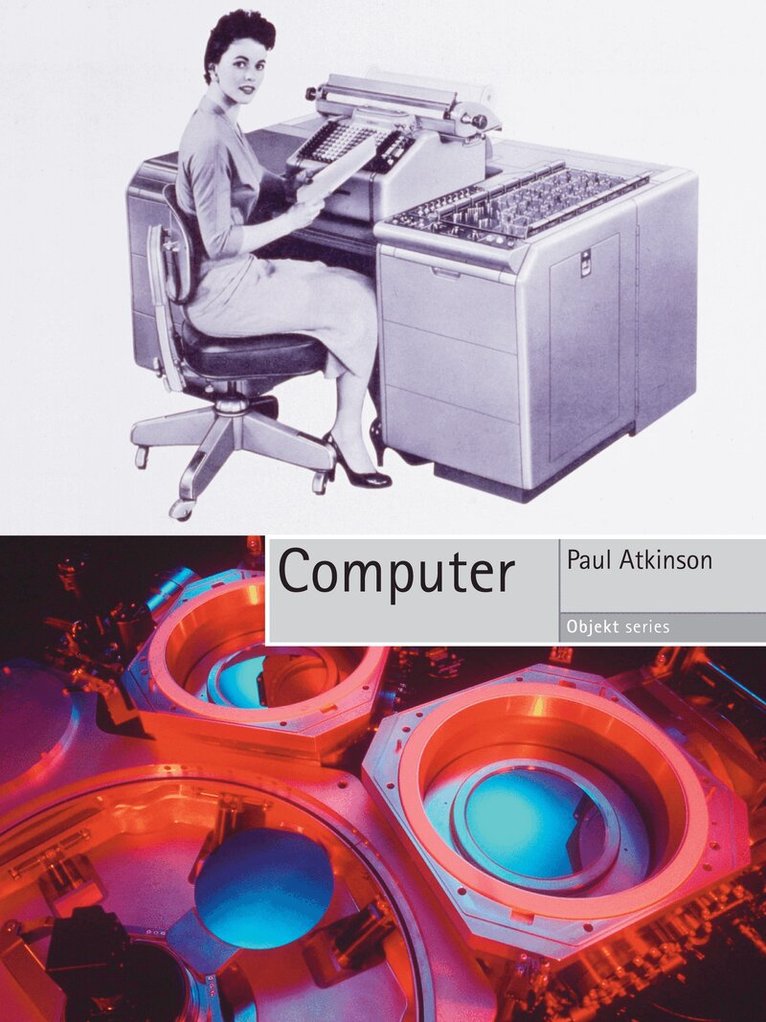
The pixellated rectangle we spend most of our day staring at in silence is not the television, as many long feared, but the computer – the ubiquitous portal of work and personal lives. The computer is now so common we don’t even notice it. It is difficult to envision that not so long ago it was a room-sized structure accessible only by a few, a mysterious machine inspiring fear, awe and respect. Now that it has decreased in size and increased in popular use, the computer has become a prosaic appliance. These dramatic changes, from the daunting to the ordinary, are captured in Computer.Here you can read about the changes in the physical design of the computer and how these changes are related to shifts in popular attitude: in contrast to ads from the 1970s and ‘80s, today’s PC is very PC – genderless, and largely status-free. Computers also appear in various forms in popular culture, from the Billion Dollar Brain to HAL from 2001: A Space Odyssey, James Bond’s gadgetry and Star Wars and Star Trek.Computer covers many issues overlooked by other histories of computing, which have focused on technology and the economics involved in their production, but rarely on the role of fashion in the physical design and promotion of computers and their general reception. This book will appeal to professionals and students of design and technology, as well as those interested in this history of computers and how they have shaped – and been shaped by – our lives.