On Directors – Serie
Visar alla böcker i serien On Directors. Handla med fri frakt och snabb leverans.
6 produkter
6 produkter
584 kr
Skickas inom 10-15 vardagar
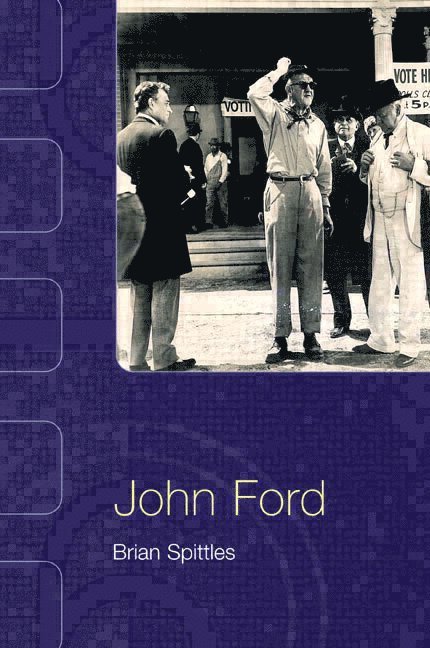
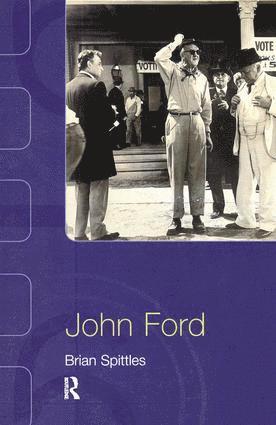
This text explores the major movies through discussion of their themes and techniques and reveals how much Ford was concerned with the very issues that are central to us today: gender, race, the treatment of ethnic minorities and social outcasts, the nature of history and the relationship between myth and reality.
656 kr
Skickas inom 10-15 vardagar
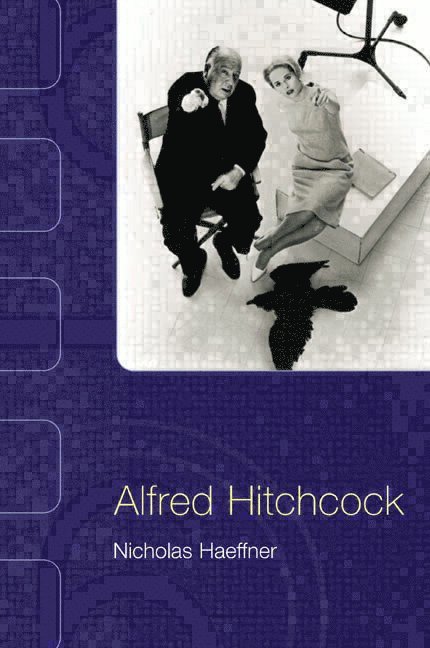
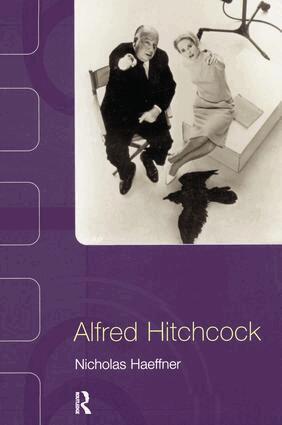
Nicholas Haeffner provides a comprehensive introduction to Alfred Hitchcock's major British and Hollywood films and usefully navigates the reader through the wealth of critical commentaries, through which they have been approached.
584 kr
Skickas inom 10-15 vardagar
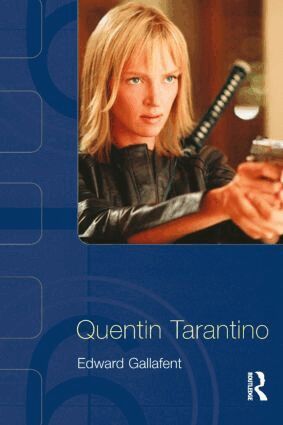
Quentin Tarantino is one of the best-known living American filmmakers in the world, and the story of his career has been the subject of a number of books and articles. But what do his films mean? In this new study, Edward Gallafent does not look at Tarantino’s story but at the films themselves. He asks to what extent Tarantino can be seen as a specifically American filmmaker, with the kinds of preoccupations and interests that have formed part of Hollywood’s traditions, and also how he explores the expressive possibilities of current cinema. The book concentrates on the main feature films of Tarantino’s career so far: Reservoir Dogs, Pulp Fiction, Jackie Brown, and the two volumes of Kill Bill. Apart from Kill Bill the films are not treated individually, but in terms of some of the subjects that connect them together, such as success and tradition, their notorious deployment of violence, and Tarantino’s approach to story-telling: his interest in presenting events out of chronological order. The book also covers adaptations of Tarantino’s work, looking at the screenplays of True Romance and Natural Born Killers as well as the films made from them, and compares Tarantino’s approach to adapting Elmore Leonard with that of another important American filmmaker, Paul Schrader. The aim of the book is to explore these topics and to take the reader back to what the American critic Robert Warshow called the ‘actual, immediate experience of seeing and responding to the movies’. It is designed to appeal both to those who were excited by the films on first seeing them in the cinema and to those taking the opportunity of reconsidering them on the screen or on DVD.
1 364 kr
Skickas inom 10-15 vardagar
Quentin Tarantino is one of the best-known living American filmmakers in the world, and the story of his career has been the subject of a number of books and articles. But what do his films mean? In this new study, Edward Gallafent does not look at Tarantino’s story but at the films themselves. He asks to what extent Tarantino can be seen as a specifically American filmmaker, with the kinds of preoccupations and interests that have formed part of Hollywood’s traditions, and also how he explores the expressive possibilities of current cinema. The book concentrates on the main feature films of Tarantino’s career so far: Reservoir Dogs, Pulp Fiction, Jackie Brown, and the two volumes of Kill Bill. Apart from Kill Bill the films are not treated individually, but in terms of some of the subjects that connect them together, such as success and tradition, their notorious deployment of violence, and Tarantino’s approach to story-telling: his interest in presenting events out of chronological order. The book also covers adaptations of Tarantino’s work, looking at the screenplays of True Romance and Natural Born Killers as well as the films made from them, and compares Tarantino’s approach to adapting Elmore Leonard with that of another important American filmmaker, Paul Schrader. The aim of the book is to explore these topics and to take the reader back to what the American critic Robert Warshow called the ‘actual, immediate experience of seeing and responding to the movies’. It is designed to appeal both to those who were excited by the films on first seeing them in the cinema and to those taking the opportunity of reconsidering them on the screen or on DVD.
2 243 kr
Skickas inom 10-15 vardagar
Nicholas Haeffner provides a comprehensive introduction to Alfred Hitchcock's major British and Hollywood films and usefully navigates the reader through a wealth of critical commentaries. One of the acknowledged giants of film, Hitchcock's prolific half-century career spanned the silent and sound eras and resulted in 53 films of which Rear Window (1954), Vertigo (1958) and Psycho (1960) are now seen as classics within the suspense, melodrama and horror genres. In contrast to previous works, which have attempted to get inside Hitchcock's mind and psychoanalyse his films, this book takes a more materialist stance. As Haeffner makes clear, Hitchcock was simultaneously a professional film maker working as part of a team in the film factories of Hollywood, a media celebrity, and an aspiring artist gifted with considerable entrepreneurial flair for marketing himself and his films. The book makes a case for locating the director's remarkable body of work within traditions of highbrow, middlebrow and lowbrow culture, appealing to different audience constituencies in a calculated strategy. The book upholds the case for taking Hitchcock's work seriously and challenges his popular reputation as a misogynist through detailed analyses of his most controversial films.
2 176 kr
Skickas inom 10-15 vardagar
John Ford is a monumental figure in Hollywood and world cinema. Throughout his long and varied career spanning the silent and sound era, he produced nearly 150 films of which Iron Horse (1924), Stagecoach (1939), The Grapes of Wrath (1940), How Green Was My Valley (1941), The Searchers (1956) and The Man Who Shot Liberty Valance (1962) are classics of cinema. Ford was also an influential figure in developing, and extending Hollywood's traditions. Stylistically Ford was instrumental in developing new camera techniques, atmospheric lighting and diverse narrative devices. Thematically, long before it became conventional wisdom, Ford was exploring issues that concern us today, such as gender, race, the treatment of ethnic minorities and social outcasts, the nature of history and the relationship of myth and reality. For all these reasons, John Ford the man and his films reward thought and study, both for the general reader and the academic student. Ford's pictures express the world in which they were made, and have contributed to making what Hollywood is today. This book illustrates the excitement, importance, influence, creativity, deviousness and complexity of the man and his films.