On Thinking - Böcker
Visar alla böcker i serien On Thinking. Handla med fri frakt och snabb leverans.
10 produkter
10 produkter
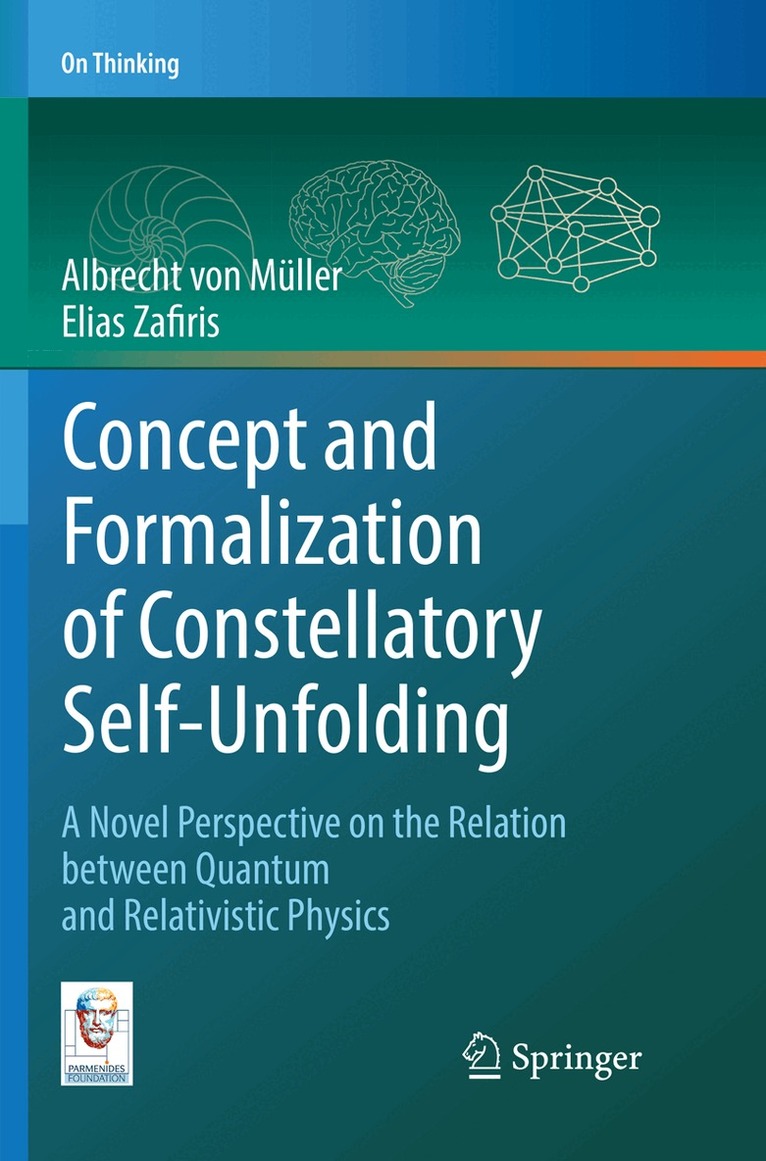
Concept and Formalization of Constellatory Self-Unfolding
A Novel Perspective on the Relation between Quantum and Relativistic Physics
Häftad, Engelska, 2019
1 378 kr
Skickas inom 10-15 vardagar
This volume offers a fundamentally different way of conceptualizing time and reality. Today, we see time predominantly as the linear-sequential order of events, and reality accordingly as consisting of facts that can be ordered along sequential time. But what if this conceptualization has us mistaking the “exhausts” for the “real thing”, i.e. if we miss the best, the actual taking place of reality as it occurs in a very differently structured, primordial form of time, the time-space of the present?In this new conceptual framework, both the sequential aspect of time and the factual aspect of reality are emergent phenomena that come into being only after reality has actually taken place. In the new view, facts are just the “traces” that the actual taking place of reality leaves behind on the co-emergent “canvas’’ of local spacetime. Local spacetime itself emerges only as facts come into being – and only facts can be adequately localized in it.But, how does reality then actually occur? It is conceived as a “constellatory self-unfolding”, characterized by strong self-referentiality, and taking place in the primordial form of time, the not yet sequentially structured “time-space of the present”. Time is seen here as an ontophainetic platform, i.e. as the stage on which reality can first occur. This view of time (and, thus, also space) seems to be very much in accordance with what we encounter in quantum physics before the so-called collapse of the wave function. In parallel, classical and relativistic physics largely operate within the factual portrait of reality, and the sequential aspect of time, respectively. Only singularities constitute an important exemption: here the canvas of local spacetime – that emerged together with factization – melts down again. In the novel framework quantum reduction and singularities can be seen and addressed as inverse transitions: In quantum physical state reduction reality “gains” the chrono-ontological format of facticity, and the sequential aspect of time becomes applicable. In singularities, by contrast, the inverse happens: Reality loses its local spacetime formation and reverts back into its primordial, pre-local shape – making in this way the use of causality relations, Boolean logic and the dichotomization of subject and object obsolete. For our understanding of the relation between quantum and relativistic physics this new view opens up fundamentally new perspectives: Both are legitimate views of time and reality, they just address very different chrono-ontological portraits, and thus should not lead us to erroneously subjugating one view under the other. The task of the book is to provide a formal framework in which this radically different view of time and reality can be addressed properly. The mathematical approach is based on the logical and topological features of the Borromean Rings. It draws upon concepts and methods of algebraic andgeometric topology – especially the theory of sheaves and links, group theory, logic and information theory, in relation to the standard constructions employed in quantum mechanics and general relativity, shedding new light on the pestilential problems of their compatibility. The intended audience includes physicists, mathematicians and philosophers with an interest in the conceptual and mathematical foundations of modern physics.
Del 4 - On Thinking
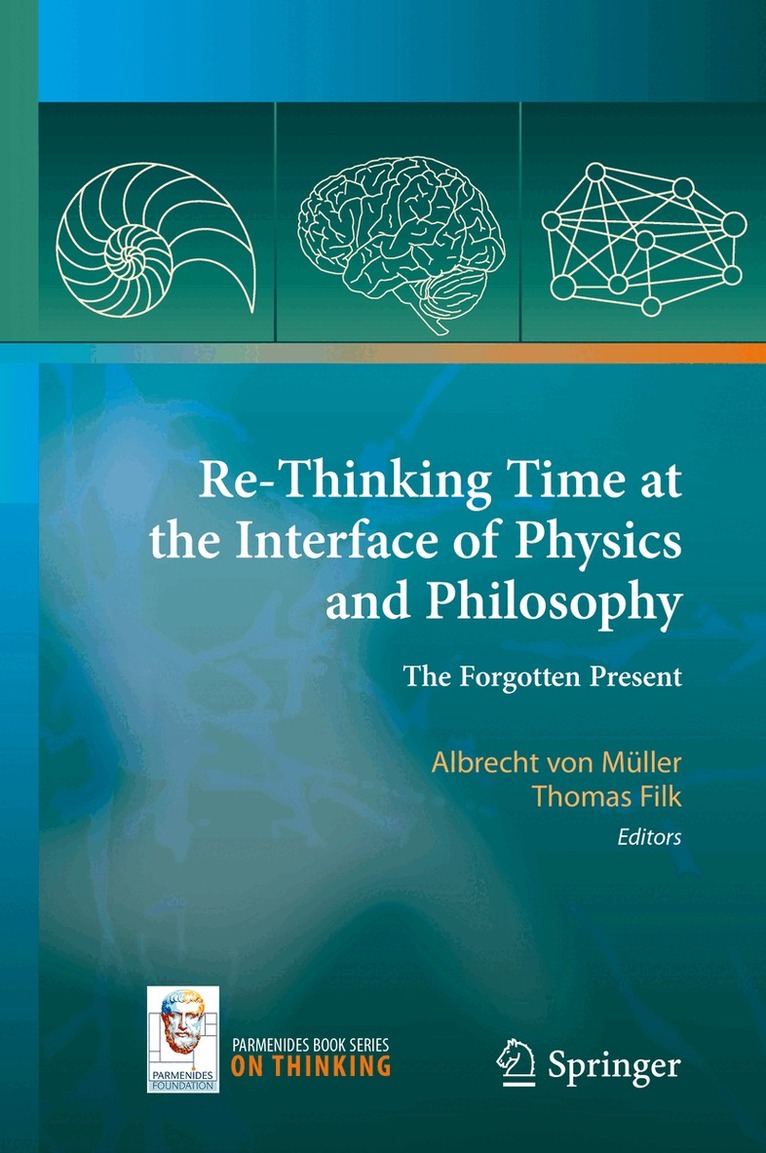
Re-Thinking Time at the Interface of Physics and Philosophy
The Forgotten Present
Inbunden, Engelska, 2015
1 062 kr
Skickas inom 10-15 vardagar
The current volume of the Parmenides Series “On Thinking” addresses our deepest and most personal experience of the world, the experience of “the present,” from a modern perspective combining physics and philosophy. Many prominent researchers have contributed articles to the volume, in which they present models and express their opinions on and, in some cases, also their skepticism about the subject and how it may be (or may not be) addressed, as well as which aspects they consider most relevant in this context.While Einstein might have once hoped that “the present” would find its place in the theory of general relativity, in a later discussion with Carnap he expressed his disappointment that he was never able to achieve this goal. This collection of articles provides a unique overview of different modern approaches, representing not only a valuable summary for experts, but also a nearly inexhaustible source of profound and novel ideas for those who are simply interested in this question.
Del 4 - On Thinking
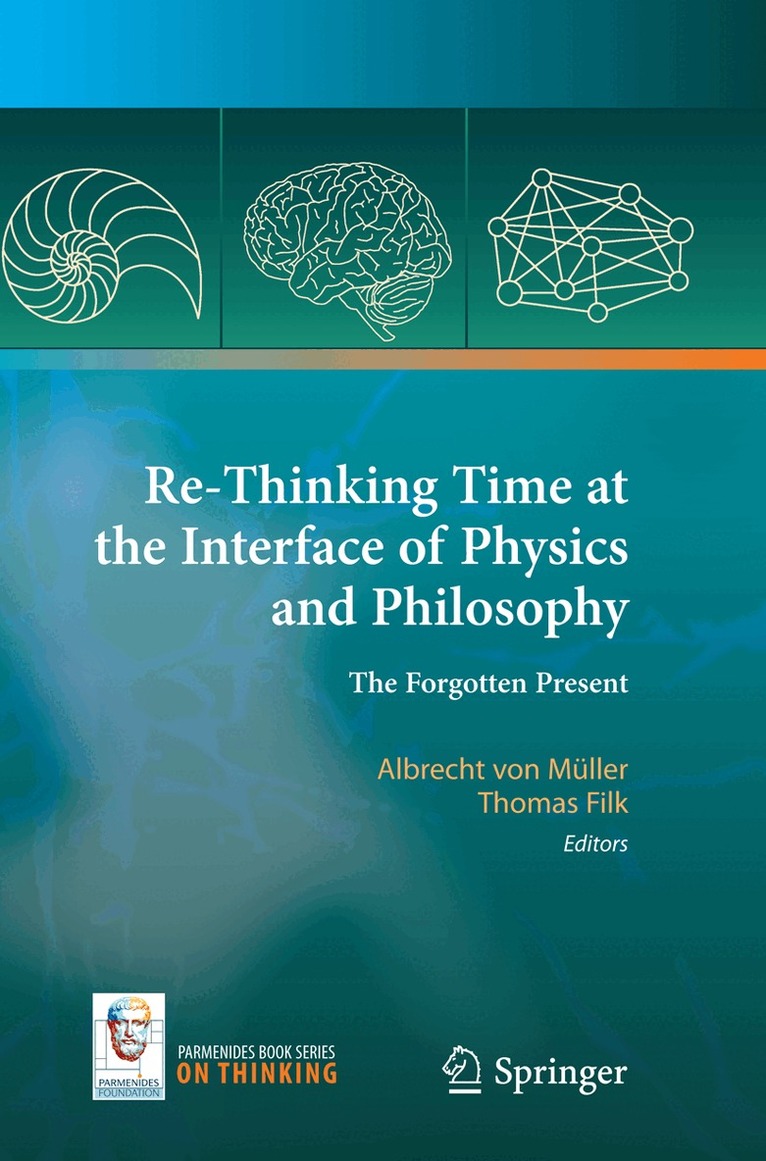
Re-Thinking Time at the Interface of Physics and Philosophy
The Forgotten Present
Häftad, Engelska, 2016
1 062 kr
Skickas inom 10-15 vardagar
The current volume of the Parmenides Series “On Thinking” addresses our deepest and most personal experience of the world, the experience of “the present,” from a modern perspective combining physics and philosophy. Many prominent researchers have contributed articles to the volume, in which they present models and express their opinions on and, in some cases, also their skepticism about the subject and how it may be (or may not be) addressed, as well as which aspects they consider most relevant in this context.While Einstein might have once hoped that “the present” would find its place in the theory of general relativity, in a later discussion with Carnap he expressed his disappointment that he was never able to achieve this goal. This collection of articles provides a unique overview of different modern approaches, representing not only a valuable summary for experts, but also a nearly inexhaustible source of profound and novel ideas for those who are simply interested in this question.
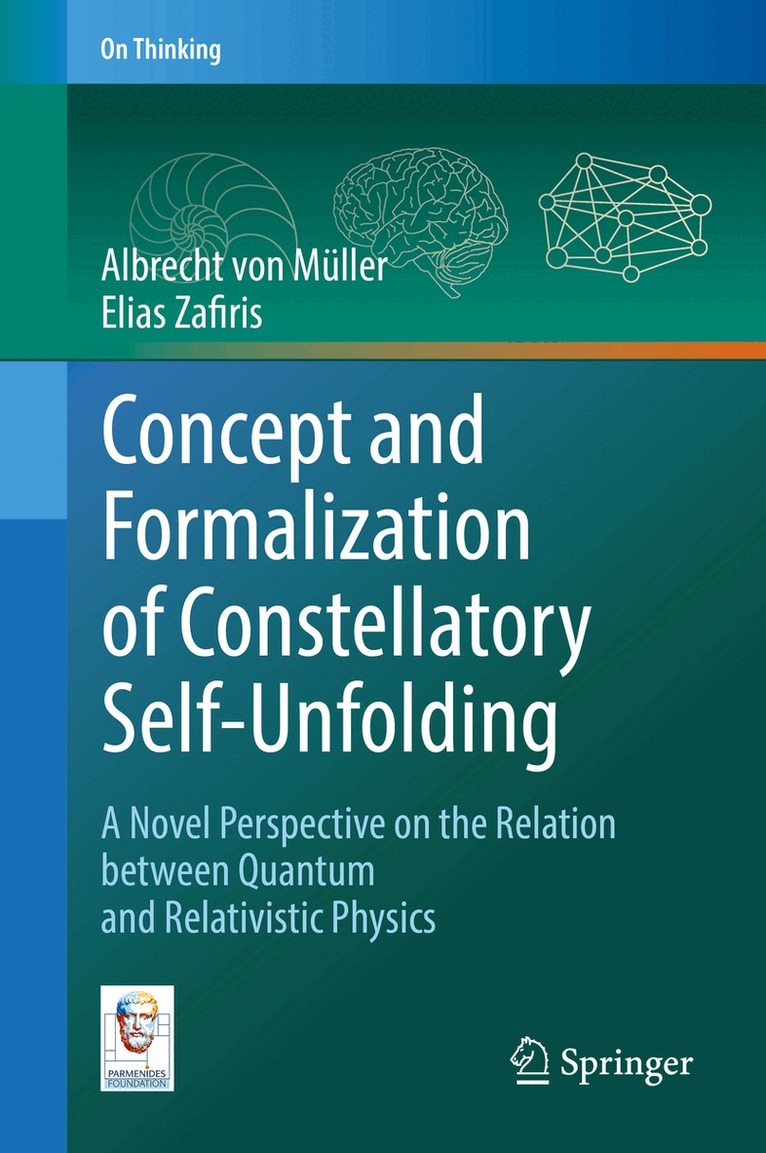
Concept and Formalization of Constellatory Self-Unfolding
A Novel Perspective on the Relation between Quantum and Relativistic Physics
Inbunden, Engelska, 2018
1 378 kr
Skickas inom 10-15 vardagar
This volume offers a fundamentally different way of conceptualizing time and reality. Today, we see time predominantly as the linear-sequential order of events, and reality accordingly as consisting of facts that can be ordered along sequential time. But what if this conceptualization has us mistaking the “exhausts” for the “real thing”, i.e. if we miss the best, the actual taking place of reality as it occurs in a very differently structured, primordial form of time, the time-space of the present?In this new conceptual framework, both the sequential aspect of time and the factual aspect of reality are emergent phenomena that come into being only after reality has actually taken place. In the new view, facts are just the “traces” that the actual taking place of reality leaves behind on the co-emergent “canvas’’ of local spacetime. Local spacetime itself emerges only as facts come into being – and only facts can be adequately localized in it.But, how does reality then actually occur? It is conceived as a “constellatory self-unfolding”, characterized by strong self-referentiality, and taking place in the primordial form of time, the not yet sequentially structured “time-space of the present”. Time is seen here as an ontophainetic platform, i.e. as the stage on which reality can first occur. This view of time (and, thus, also space) seems to be very much in accordance with what we encounter in quantum physics before the so-called collapse of the wave function. In parallel, classical and relativistic physics largely operate within the factual portrait of reality, and the sequential aspect of time, respectively. Only singularities constitute an important exemption: here the canvas of local spacetime – that emerged together with factization – melts down again. In the novel framework quantum reduction and singularities can be seen and addressed as inverse transitions: In quantum physical state reduction reality “gains” the chrono-ontological format of facticity, and the sequential aspect of time becomes applicable. In singularities, by contrast, the inverse happens: Reality loses its local spacetime formation and reverts back into its primordial, pre-local shape – making in this way the use of causality relations, Boolean logic and the dichotomization of subject and object obsolete. For our understanding of the relation between quantum and relativistic physics this new view opens up fundamentally new perspectives: Both are legitimate views of time and reality, they just address very different chrono-ontological portraits, and thus should not lead us to erroneously subjugating one view under the other. The task of the book is to provide a formal framework in which this radically different view of time and reality can be addressed properly. The mathematical approach is based on the logical and topological features of the Borromean Rings. It draws upon concepts and methods of algebraic andgeometric topology – especially the theory of sheaves and links, group theory, logic and information theory, in relation to the standard constructions employed in quantum mechanics and general relativity, shedding new light on the pestilential problems of their compatibility. The intended audience includes physicists, mathematicians and philosophers with an interest in the conceptual and mathematical foundations of modern physics.
2 180 kr
Skickas inom 10-15 vardagar
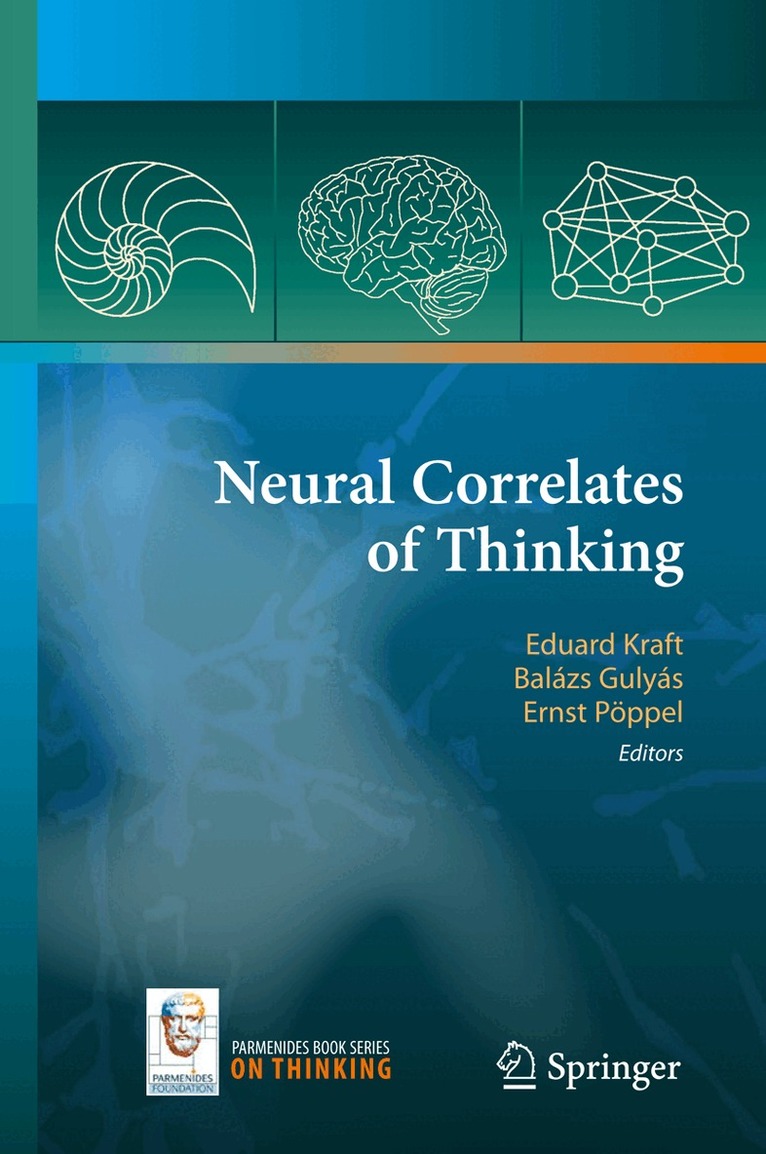
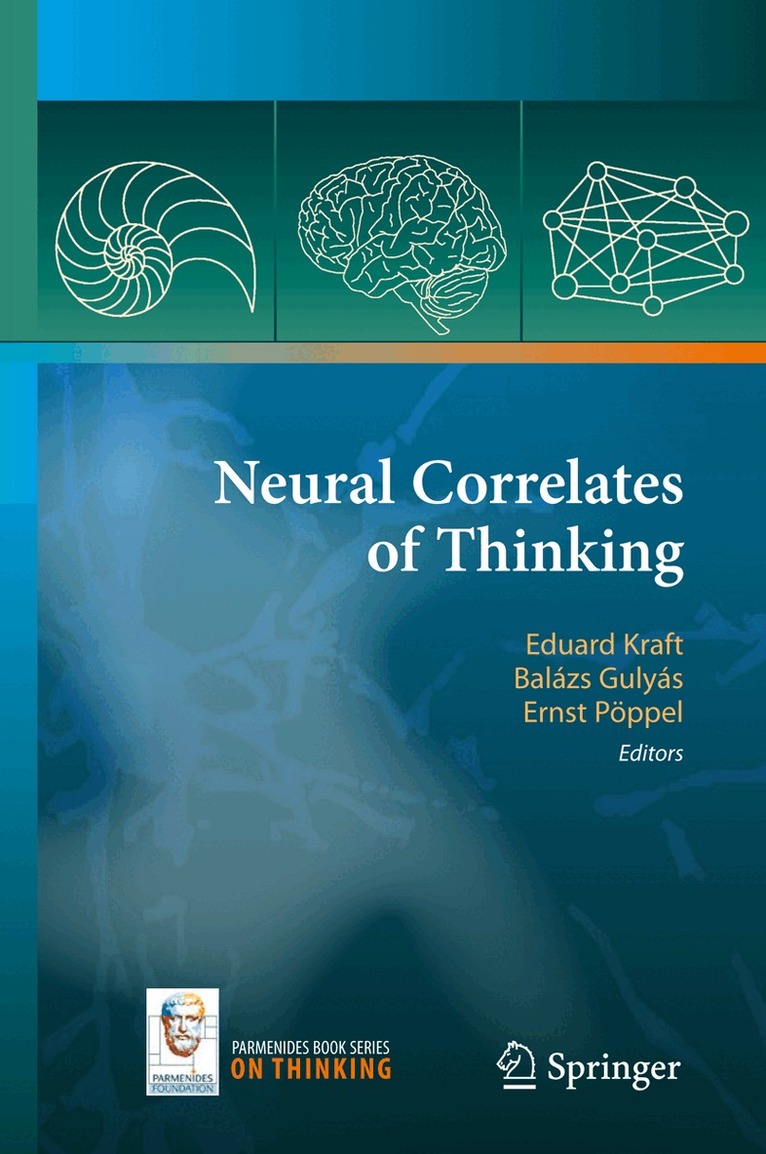
The advances in neuroimaging technologies have led to substantial progress in understanding the neural mechanisms of cognitive functions. Thinking and reasoning have only recently been addressed by using neuroimaging techniques. The present book comprehensively explores current approaches and contributions to understanding the neural mechanisms of thinking in a concise and readable manner. It provides an insight into the state of the art and the potentials, but also the limitations of current neuroimaging methods for studying cognitive functions. The book will be a valuable companion for everyone interested in one of the most fascinating topics of cognitive neuroscience.
1 637 kr
Skickas inom 10-15 vardagar
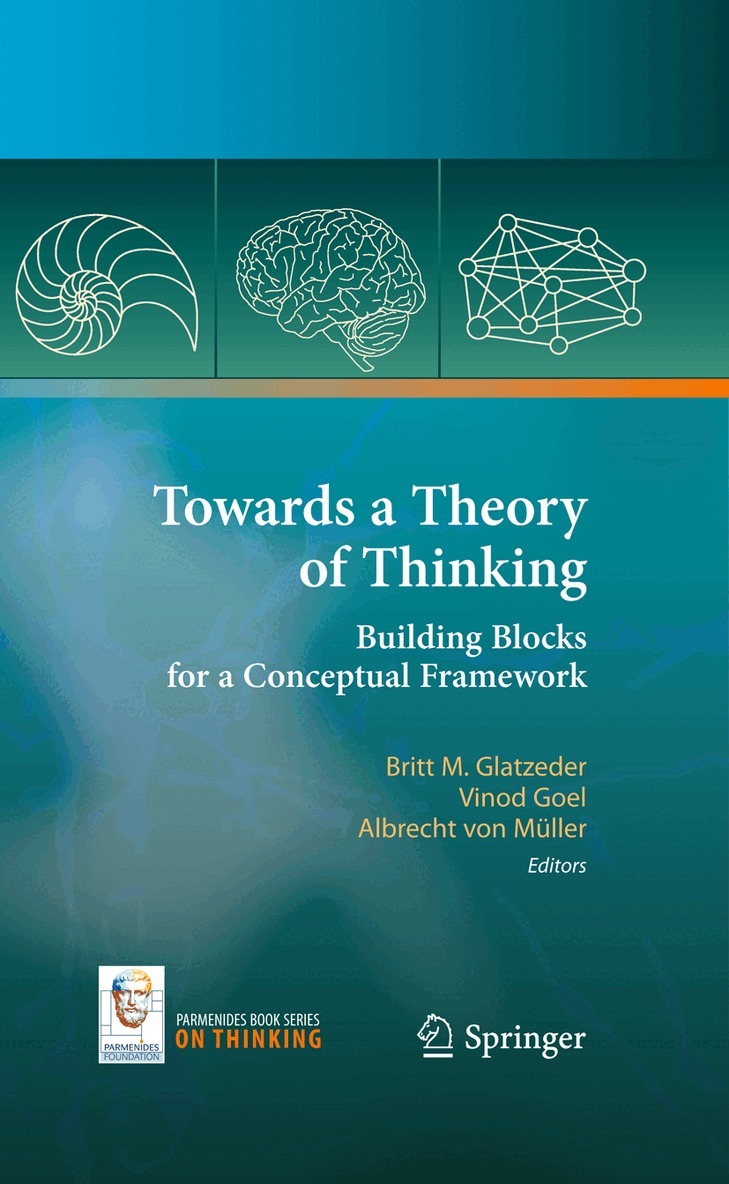
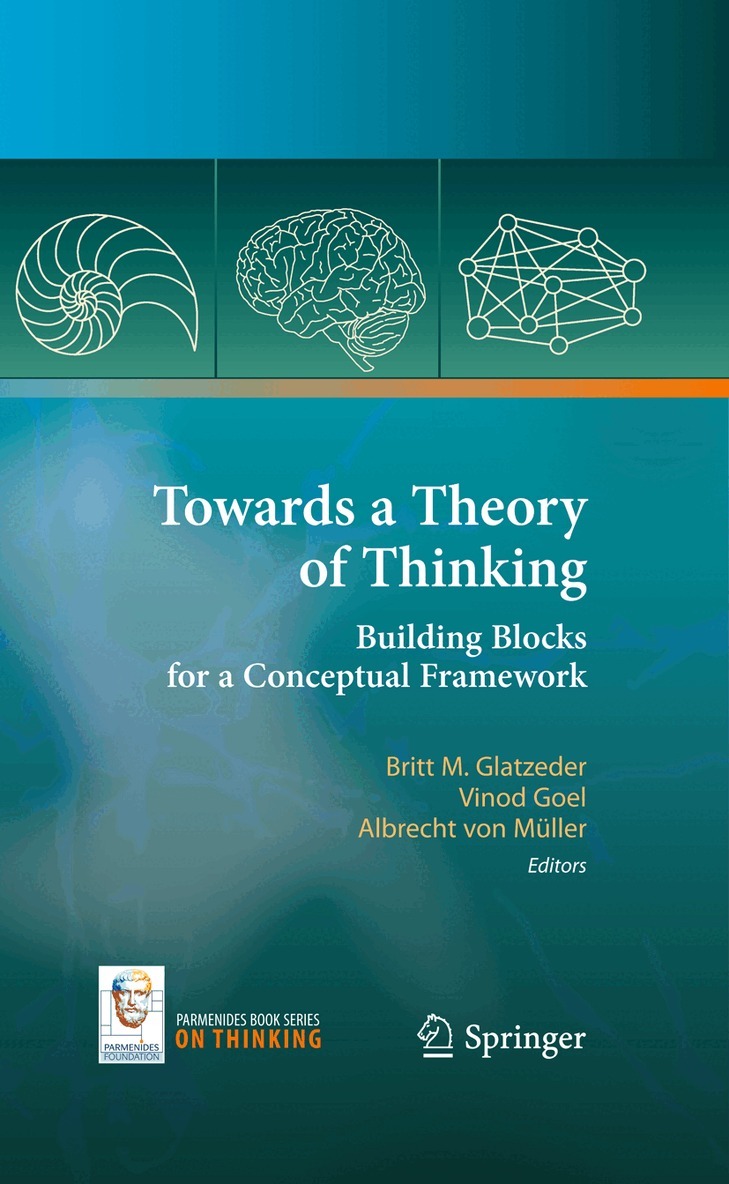
What is Thinking? – Trying to Define an Equally Fascinating and Elusive Phenomenon Human thinking is probably the most complex phenomenon that evolution has come up with until now. There exists a broad spectrum of definitions, from subs- ing almost all processes of cognition to limiting it to language-based, sometimes even only to formalizable reasoning processes. We work with a “medium sized” definition according to which thinking encompasses all operations by which cog- tive agents link mental content in order to gain new insights or perspectives. Mental content is, thus, a prerequisite for and the substrate on which thinking operations are executed. The largely unconscious acts of perceptual object stabilization, ca- gorization, emotional evaluation – and retrieving all the above from memory inscriptions – are the processes by which mental content is generated, and are, therefore, seen as prerequisites for thinking operations. In terms of a differentia specifica, the notion of “thinking” is seen as narrower than the notion of “cognition” and as wider than the notion of “reasoning”. Thinking is, thus, seen as a subset of cognition processes; and reasoning processes are seen as a subset of thinking. Besides reasoning, the notion of thinking includes also nonexplicit, intuitive, and associative processes of linking mental content. According to this definition, thinking is not dependant on language, i. e. also many animals and certainly all mammals show early forms of thinking.
2 180 kr
Skickas inom 10-15 vardagar
The advances in neuroimaging technologies have led to substantial progress in understanding the neural mechanisms of cognitive functions. Thinking and reasoning have only recently been addressed by using neuroimaging techniques. The present book comprehensively explores current approaches and contributions to understanding the neural mechanisms of thinking in a concise and readable manner. It provides an insight into the state of the art and the potentials, but also the limitations of current neuroimaging methods for studying cognitive functions. The book will be a valuable companion for everyone interested in one of the most fascinating topics of cognitive neuroscience.
2 328 kr
Skickas inom 10-15 vardagar
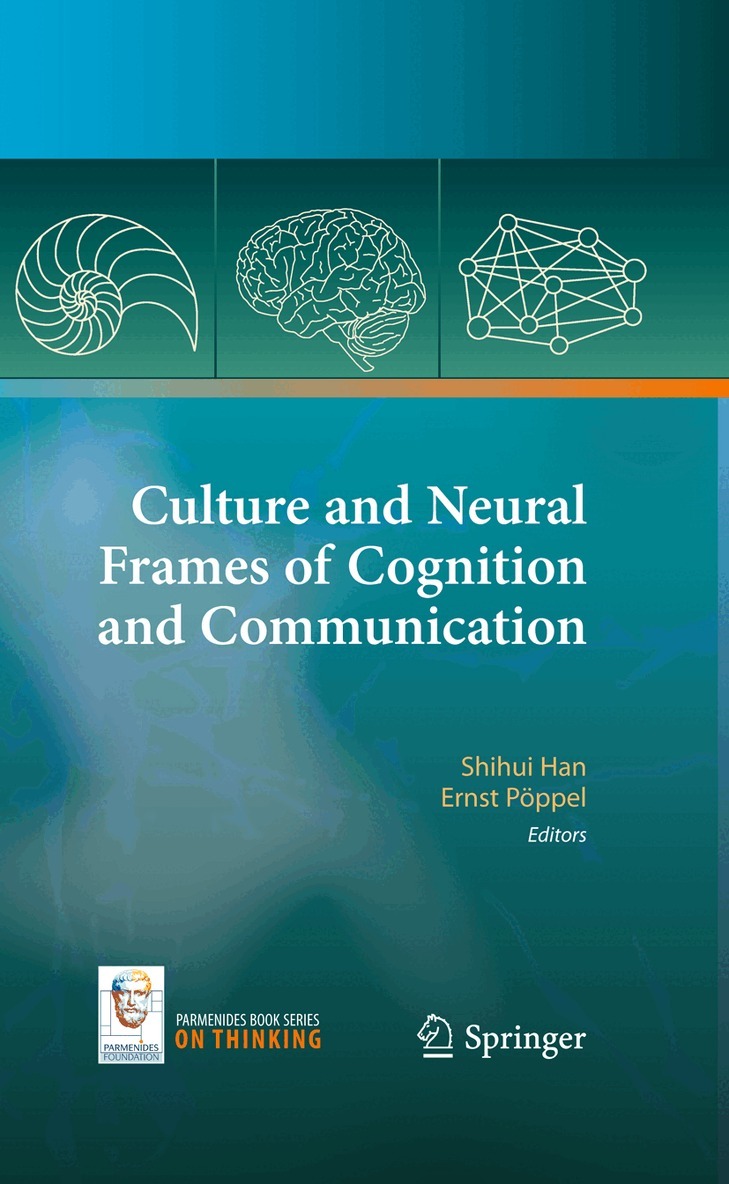
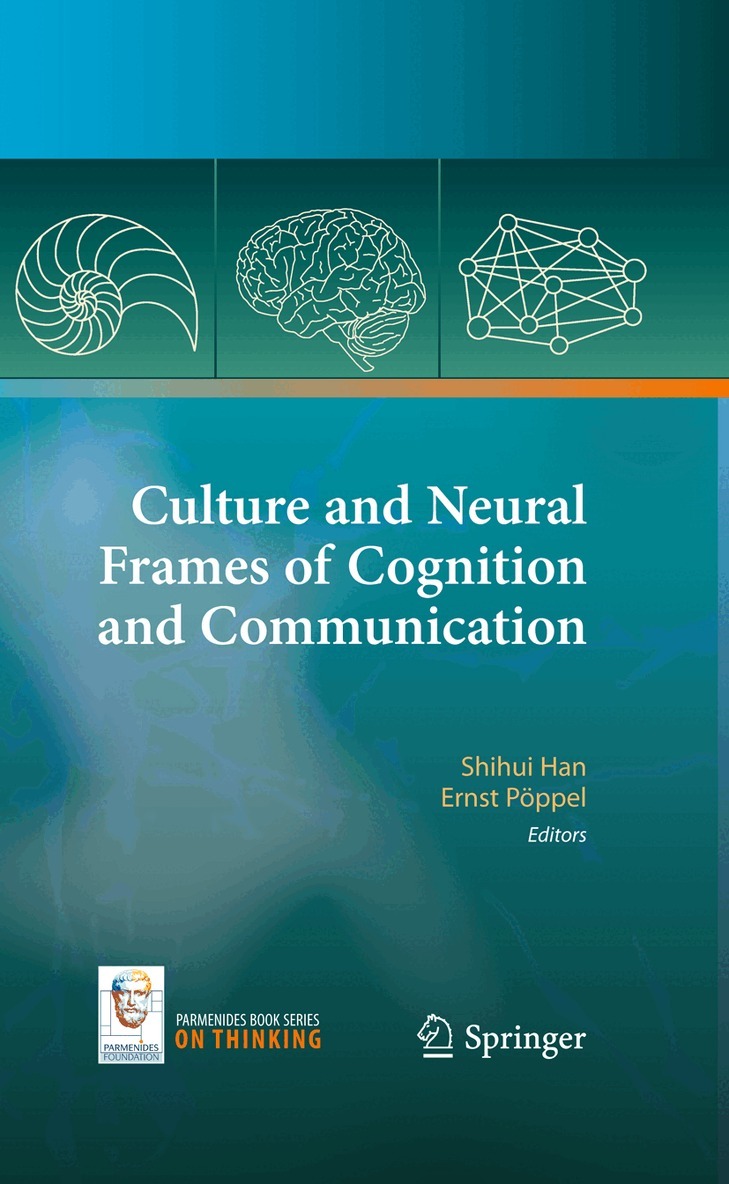
Cultural neuroscience combines brain imaging techniques such as functional magnetic resonance imaging and event-related brain potentials with methods of social and cultural psychology to investigate whether and how cultures influence the neural mechanisms of perception, attention, emotion, social cognition, and other human cognitive processes. The findings of cultural neuroscience studies improve our understanding of the relation between human brain function and sociocultural contexts and help to reframe the “big question” of nature versus nurture. This book is organized so that two chapters provide general views of the relation between biological evolution, cultural evolution and recent cultural neuroscience studies, while other chapters focus on several aspects of human cognition that have been shown to be strongly influenced by sociocultural factors such as self-concept representation, language processes, emotion, time perception, and decision-making. The main goal of this work is to address how thinking actually takes place and how the underlying neural mechanisms are affected by culture and identity.
1 589 kr
Skickas inom 10-15 vardagar
What is Thinking? – Trying to Define an Equally Fascinating and Elusive Phenomenon Human thinking is probably the most complex phenomenon that evolution has come up with until now. There exists a broad spectrum of definitions, from subs- ing almost all processes of cognition to limiting it to language-based, sometimes even only to formalizable reasoning processes. We work with a “medium sized” definition according to which thinking encompasses all operations by which cog- tive agents link mental content in order to gain new insights or perspectives. Mental content is, thus, a prerequisite for and the substrate on which thinking operations are executed. The largely unconscious acts of perceptual object stabilization, ca- gorization, emotional evaluation – and retrieving all the above from memory inscriptions – are the processes by which mental content is generated, and are, therefore, seen as prerequisites for thinking operations. In terms of a differentia specifica, the notion of “thinking” is seen as narrower than the notion of “cognition” and as wider than the notion of “reasoning”. Thinking is, thus, seen as a subset of cognition processes; and reasoning processes are seen as a subset of thinking. Besides reasoning, the notion of thinking includes also nonexplicit, intuitive, and associative processes of linking mental content. According to this definition, thinking is not dependant on language, i. e. also many animals and certainly all mammals show early forms of thinking.
2 328 kr
Skickas inom 10-15 vardagar
Cultural neuroscience combines brain imaging techniques such as functional magnetic resonance imaging and event-related brain potentials with methods of social and cultural psychology to investigate whether and how cultures influence the neural mechanisms of perception, attention, emotion, social cognition, and other human cognitive processes. The findings of cultural neuroscience studies improve our understanding of the relation between human brain function and sociocultural contexts and help to reframe the “big question” of nature versus nurture. This book is organized so that two chapters provide general views of the relation between biological evolution, cultural evolution and recent cultural neuroscience studies, while other chapters focus on several aspects of human cognition that have been shown to be strongly influenced by sociocultural factors such as self-concept representation, language processes, emotion, time perception, and decision-making. The main goal of this work is to address how thinking actually takes place and how the underlying neural mechanisms are affected by culture and identity.