Open Building - Böcker
Visar alla böcker i serien Open Building. Handla med fri frakt och snabb leverans.
9 produkter
9 produkter
1 168 kr
Skickas inom 10-15 vardagar
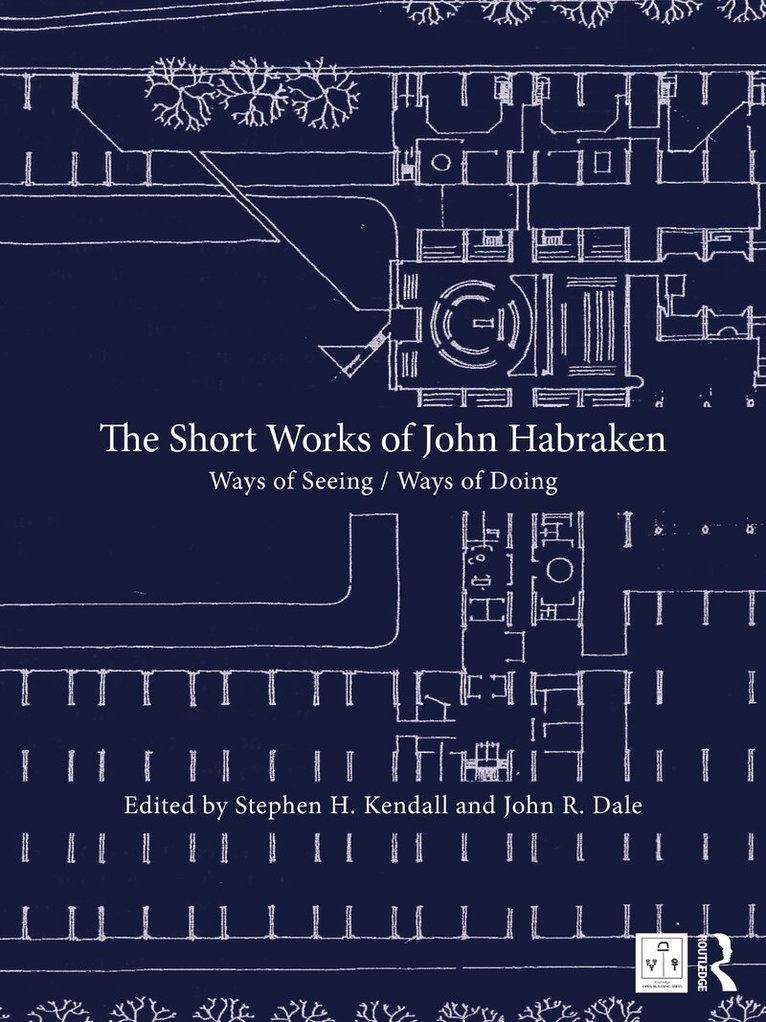
This book offers, for the first time, access to the chronological arc of John Habraken’s writing in a single collection.Few architects or scholars have so consistently and patiently pursued such a humane and culturally vital set of radical questions related to the behaviour of the built environment as N. John Habraken. From the publication of his first book in 1960, he has quietly helped redraw the map of architectural research, education, practice, design methods and theory. His insights lead us to a better understanding of how the built field works, contributing to the development of methods enabling professionals to contribute to its coherence and resilience.Following an introductory essay by the editors, placing Habraken’s work in context, this collection is organized in two sections and further organized around a number of specific themes: The Built Field; Role of the Architect; Control; Sharing Forms; Examples of Ways of Doing; Open Building; Tools; and Cultivating the Built Environment. A series of interviews with the author enable him to reflect on his journey of inquiry, research, advocacy and teaching – and the relationship between ways of seeing and ways of doing.Offering theoretical perspectives and methodological ways forward, this book will be of interest to architects, planners and urban designers tackling the challenges of the contemporary built environment that Habraken identifies, as well as educators and students.
2 176 kr
Skickas inom 10-15 vardagar
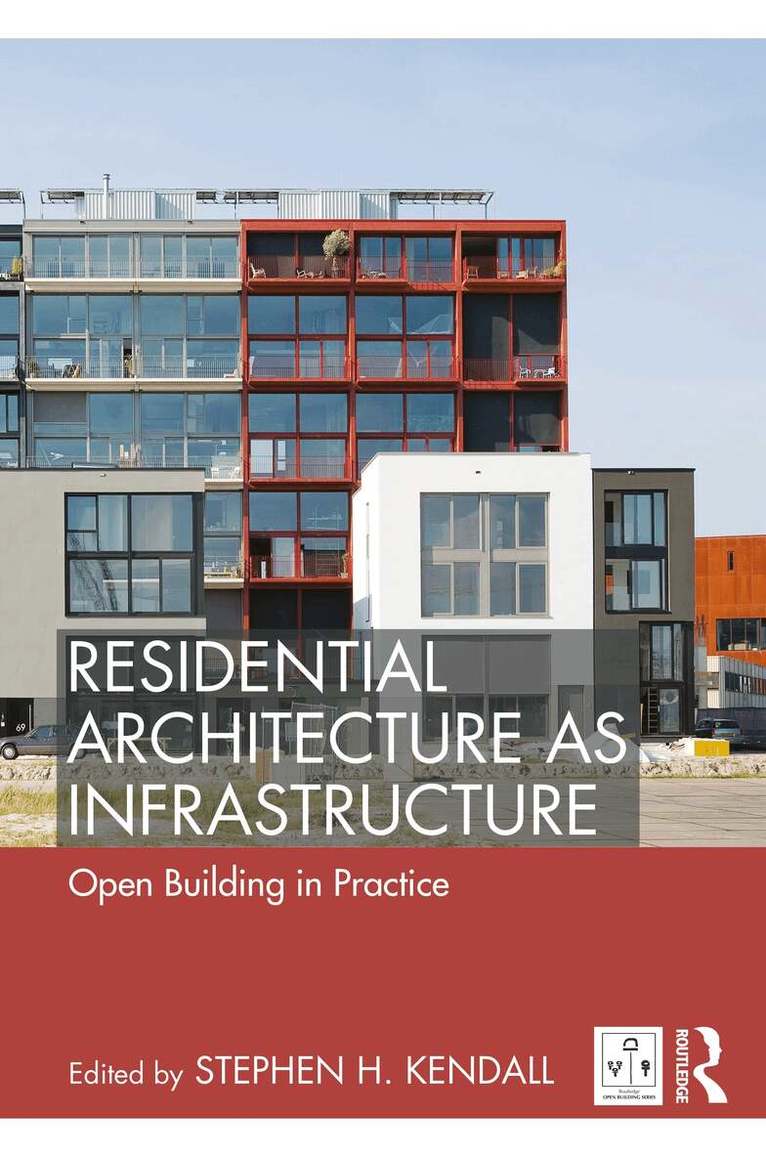
This edited collection provides an up-to-date account, by a group of well-informed and globally positioned authors, of recently implemented projects, public policies and business activities in Open Building around the world. Countless residential Open Building projects have been built in a number of countries, some without knowledge of the original theory and methods. These projects differ in architectural style, building industry methods, economic system and social aims. National building standards and guidelines have been promulgated in several countries (Finland, China, Japan, Korea), providing incentives and guidance to Open Building implementation. Businesses in several countries have begun to deliver advanced FIT-OUT systems both for new construction and for retrofitting existing buildings, demonstrating the economic advantages of ‘the responsive, independent dwelling.’ This book also argues that the ‘open building’ approach is essential for the reactivation of the existing building stock for long-term value, because in the end it costs less.The book discusses these developments in residential architecture from the perspective of an infrastructure model of built environment. This model enables decision-makers to manage risk and uncertainty, while avoiding a number of problems often associated with large, fast-moving projects, such as separation and distribution of design tasks (and responsibility) and the ensuing boundary frictions. Residential Architecture as Infrastructure adds to the Routledge Open Building Series, and will appeal to architects, urban designers, researchers and policy-makers interested in this international review of current projects, policies and business activities focused on Open Building implementation.
511 kr
Skickas inom 10-15 vardagar
This edited collection provides an up-to-date account, by a group of well-informed and globally positioned authors, of recently implemented projects, public policies and business activities in Open Building around the world. Countless residential Open Building projects have been built in a number of countries, some without knowledge of the original theory and methods. These projects differ in architectural style, building industry methods, economic system and social aims. National building standards and guidelines have been promulgated in several countries (Finland, China, Japan, Korea), providing incentives and guidance to Open Building implementation. Businesses in several countries have begun to deliver advanced FIT-OUT systems both for new construction and for retrofitting existing buildings, demonstrating the economic advantages of ‘the responsive, independent dwelling.’ This book also argues that the ‘open building’ approach is essential for the reactivation of the existing building stock for long-term value, because in the end it costs less.The book discusses these developments in residential architecture from the perspective of an infrastructure model of built environment. This model enables decision-makers to manage risk and uncertainty, while avoiding a number of problems often associated with large, fast-moving projects, such as separation and distribution of design tasks (and responsibility) and the ensuing boundary frictions. Residential Architecture as Infrastructure adds to the Routledge Open Building Series, and will appeal to architects, urban designers, researchers and policy-makers interested in this international review of current projects, policies and business activities focused on Open Building implementation.
2 176 kr
Skickas inom 10-15 vardagar
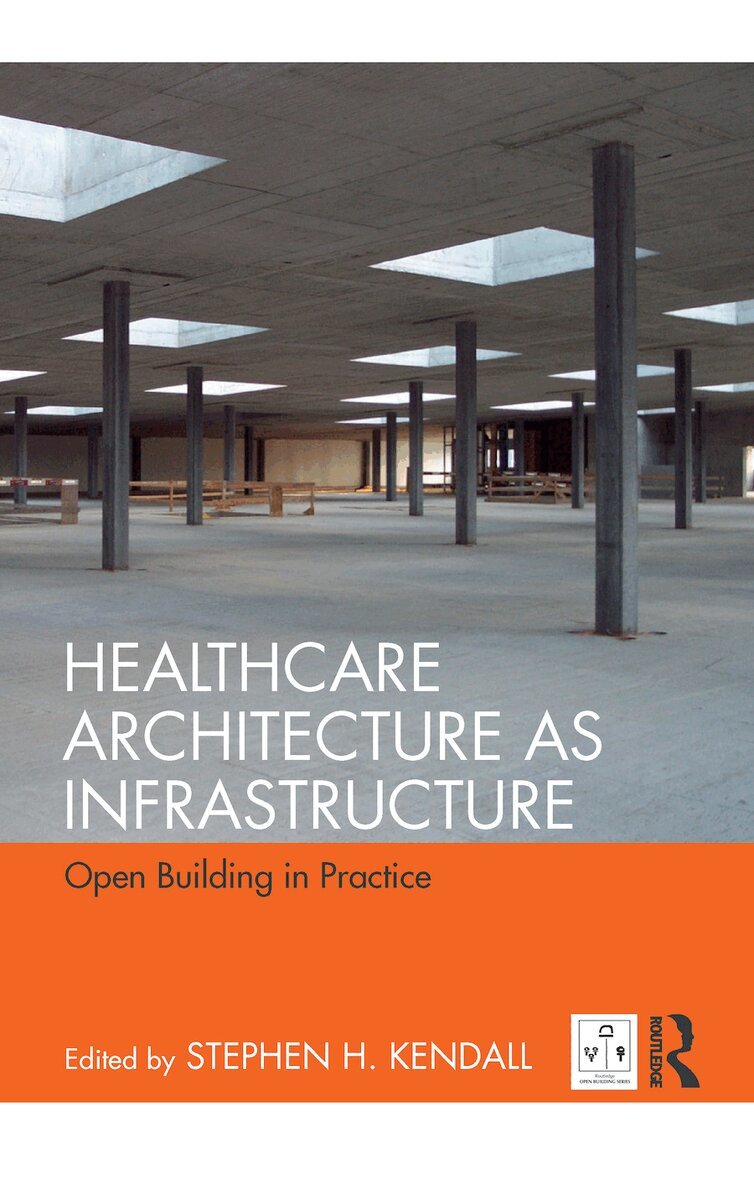
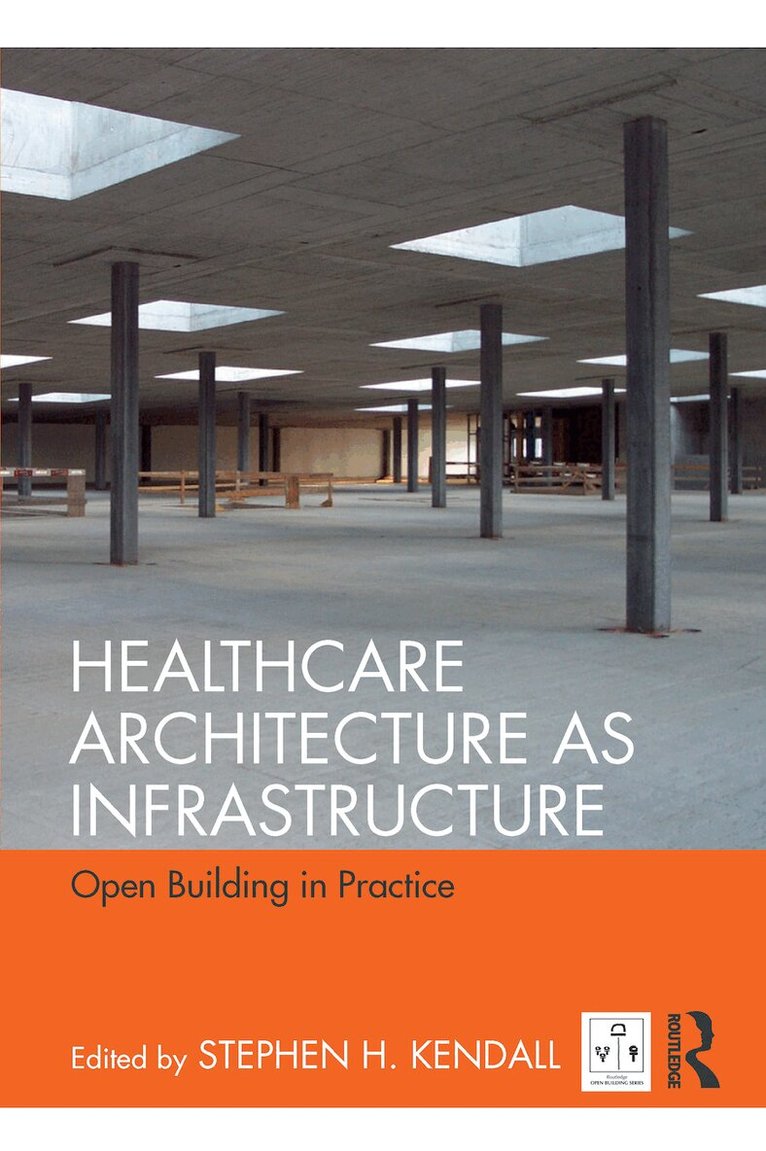
Architects and healthcare clients are increasingly coming to recognize that, once built, healthcare facilities are almost immediately subject to physical alterations which both respond to and affect healthcare practices. This calls into question the traditional ways in which these facilities are designed. If functions and practices are subject to alteration, the standard approach of defining required functions and practices before acquiring facilities is obsolete. We need other starting points, working methods, and ways of collaborating.Healthcare Architecture as Infrastructure presents these new approaches. Advocating an infrastructure theory of built environment transformation in which design and investment decisions are organized hierarchically and transcend short-term use, the book draws the practice and research of a number of architects from around the world. Written by experts with experience in policy making, designing, building, and managing complex healthcare environments, it shows professionals in architecture, engineering, healthcare and facilities management how to enhance the long-term usefulness of their campuses and their building stock and how to strengthen their physical assets with the capacity to accommodate a quickly evolving healthcare sector.
637 kr
Skickas inom 10-15 vardagar
Architects and healthcare clients are increasingly coming to recognize that, once built, healthcare facilities are almost immediately subject to physical alterations which both respond to and affect healthcare practices. This calls into question the traditional ways in which these facilities are designed. If functions and practices are subject to alteration, the standard approach of defining required functions and practices before acquiring facilities is obsolete. We need other starting points, working methods, and ways of collaborating.Healthcare Architecture as Infrastructure presents these new approaches. Advocating an infrastructure theory of built environment transformation in which design and investment decisions are organized hierarchically and transcend short-term use, the book draws the practice and research of a number of architects from around the world. Written by experts with experience in policy making, designing, building, and managing complex healthcare environments, it shows professionals in architecture, engineering, healthcare and facilities management how to enhance the long-term usefulness of their campuses and their building stock and how to strengthen their physical assets with the capacity to accommodate a quickly evolving healthcare sector.
Open Building for Architects
Professional Knowledge for an Architecture of Everyday Environment
Inbunden, Engelska, 2023
2 176 kr
Skickas inom 10-15 vardagar
Open Building is an internationally recognized approach to the design of buildings and building complexes with roots in the way the ordinary built environment grows and regenerates. The Open Building approach recognizes that both stability and change are realities to be managed in the contemporary built environment. Buildings – and the neighborhoods they occupy – are not static during the most stable times or during times of rapid social and technical change. They are living organisms that need constant adjustments to remain attractive, safe and valuable.Using case studies of built projects from around the world, this book explains the Open Building approach and discusses important characteristics of everyday built environment that the Open Building approach designs for. It also presents a key method that can be used to put the approach into use. It addresses questions such as:How can we design large projects for inevitable change?How can we balance the demands of large projects for efficient implementation with the need for ‘fine-grained’ decision-making control?How can we separate design tasks, one task being the design of what should last a century, the other task being the design of more mutable units of occupancy?How can we identify and share architectural themes and, at the same time, make variations on them?How can we use the Open Building approach to steward the earth’s scarce resources and contribute to a circular economy that benefits all people?This book is an essential resource for practitioners, investors and developers, regulators, builders, product manufacturers and educators interested in why the Open Building approach matters and how to practice Open Building.
Open Building for Architects
Professional Knowledge for an Architecture of Everyday Environment
Häftad, Engelska, 2023
539 kr
Skickas inom 10-15 vardagar
Open Building is an internationally recognized approach to the design of buildings and building complexes with roots in the way the ordinary built environment grows and regenerates. The Open Building approach recognizes that both stability and change are realities to be managed in the contemporary built environment. Buildings – and the neighborhoods they occupy – are not static during the most stable times or during times of rapid social and technical change. They are living organisms that need constant adjustments to remain attractive, safe and valuable.Using case studies of built projects from around the world, this book explains the Open Building approach and discusses important characteristics of everyday built environment that the Open Building approach designs for. It also presents a key method that can be used to put the approach into use. It addresses questions such as:How can we design large projects for inevitable change?How can we balance the demands of large projects for efficient implementation with the need for ‘fine-grained’ decision-making control?How can we separate design tasks, one task being the design of what should last a century, the other task being the design of more mutable units of occupancy?How can we identify and share architectural themes and, at the same time, make variations on them?How can we use the Open Building approach to steward the earth’s scarce resources and contribute to a circular economy that benefits all people?This book is an essential resource for practitioners, investors and developers, regulators, builders, product manufacturers and educators interested in why the Open Building approach matters and how to practice Open Building.
595 kr
Skickas inom 10-15 vardagar
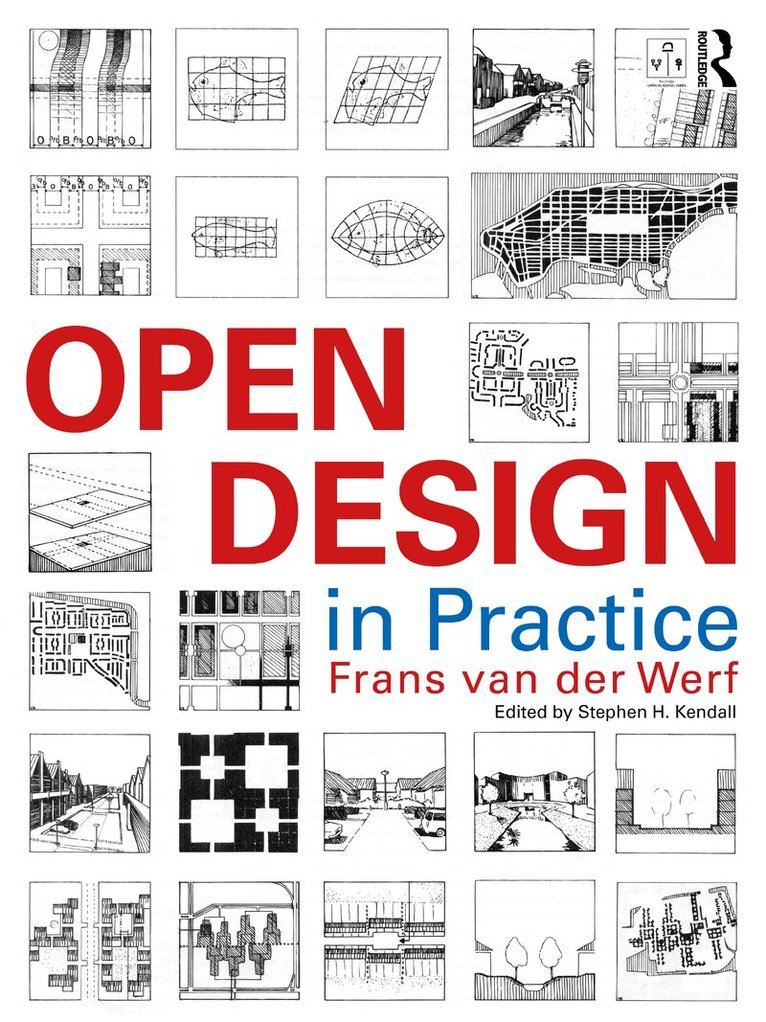
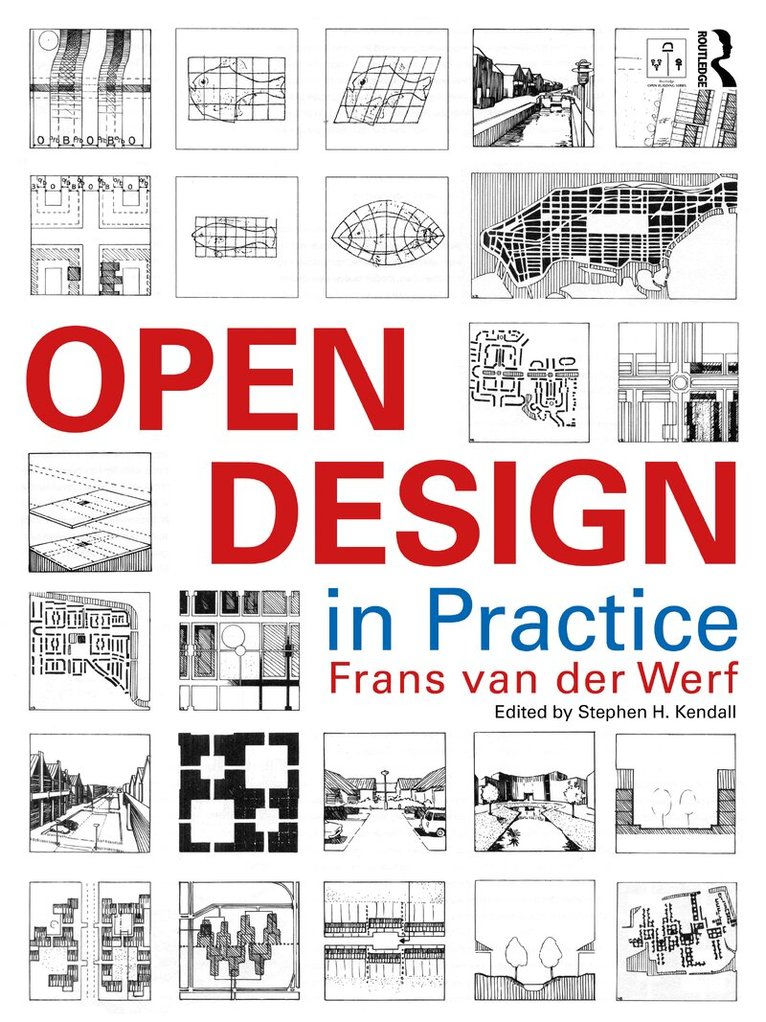
Architect and urban planner Frans van der Werf discloses in this book his own experiences as one of the pioneers of the worldwide Open Building approach. He designed Molenvliet, the first executed housing project that fully exemplifies the Open Building philosophy and methods. He shares his practice over the course of four decades in four Urban Tissue projects and seven Support Structures in the Netherlands and abroad. They still stand today as exemplars of how this approach can produce affordable user-centric environments of high quality that balance the common and the individual spheres of interest present in all housing projects.This book is organized around the distinction of the three ‘Levels of Intervention’ in the built environment: Urban Tissue, Support and Infill, the fundamental insight introduced by John Habraken in the 1960s. After an extensive introduction, van der Werf goes into the design process of Urban Tissues, illustrated by his realized projects. Then he follows how he designed Supports and answers many questions of low-budget social housing projects, offering each occupant their own unique dwelling layout. Finally, he discusses the opportunities and challenges of the Infill level. He demonstrates open decision-making on the Levels of Support and Urban Tissue by the use of the ‘Pattern Language’ for communication and on the Infill Level for direct consultation with each user.Frans concludes this book with personal reflections on the use of Open Design in daily practice and adds some additional resources that inspired him. This book is essential reading for students, architects, urbanists, developers and city authorities and also for groups of future inhabitants who want to consider Open Building for a truly sustainable environment.
2 176 kr
Skickas inom 10-15 vardagar
Architect and urban planner Frans van der Werf discloses in this book his own experiences as one of the pioneers of the worldwide Open Building approach. He designed Molenvliet, the first executed housing project that fully exemplifies the Open Building philosophy and methods. He shares his practice over the course of four decades in four Urban Tissue projects and seven Support Structures in the Netherlands and abroad. They still stand today as exemplars of how this approach can produce affordable user-centric environments of high quality that balance the common and the individual spheres of interest present in all housing projects.This book is organized around the distinction of the three ‘Levels of Intervention’ in the built environment: Urban Tissue, Support and Infill, the fundamental insight introduced by John Habraken in the 1960s. After an extensive introduction, van der Werf goes into the design process of Urban Tissues, illustrated by his realized projects. Then he follows how he designed Supports and answers many questions of low-budget social housing projects, offering each occupant their own unique dwelling layout. Finally, he discusses the opportunities and challenges of the Infill level. He demonstrates open decision-making on the Levels of Support and Urban Tissue by the use of the ‘Pattern Language’ for communication and on the Infill Level for direct consultation with each user.Frans concludes this book with personal reflections on the use of Open Design in daily practice and adds some additional resources that inspired him. This book is essential reading for students, architects, urbanists, developers and city authorities and also for groups of future inhabitants who want to consider Open Building for a truly sustainable environment.