Out-of – serie
Visar alla böcker i serien Out-of. Handla med fri frakt och snabb leverans.
5 produkter
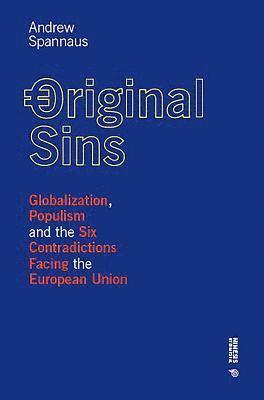
Original Sins
Globalization, Populism, and the Six Contradictions Facing the European Union
Häftad, 2019
58 kr
Lägg i varukorg
The revolt of the voters that exploded in 2016 represents a reaction to the effects of financial globalization, with economic discontent driving heightened political and cultural divisions. As populist parties grow across Europe, the common thread – on both left and right – is criticism of the …
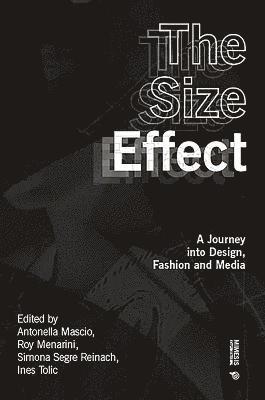
Size Effect
A Journey into Design, Fashion and Media
Av Roy Menarini, Antonella Mascio m. fl.
Häftad, 2019
322 kr
Tillfälligt slut
At the end of the last century, the so-called "new technologies" started to question the process of design, production, sales and consumption through a radical change, which today re-defines many concepts both in industry and every-day life. The notion of "size" – a cross-cutting term in the …