Oxford American Psychiatry Library - Böcker
Visar alla böcker i serien . Handla med fri frakt och snabb leverans.
5 produkter
5 produkter
607 kr
Skickas inom 5-8 vardagar
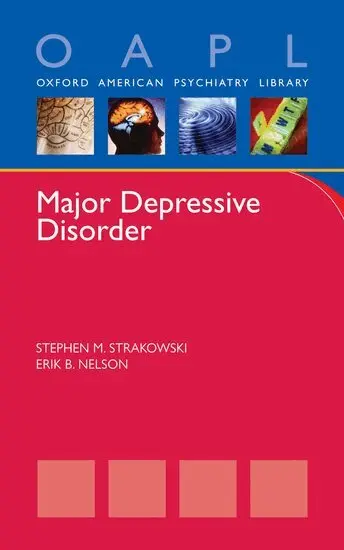
Depressive disorders are among the most common conditions in the world and are the leading causes of disability, affecting millions of people. Depression is also a common secondary condition, occurring at increased rates alongside virtually any illness that impacts brain function. Because it is so common, people suffering from depression seek help from a wide variety of clinicians, including: family doctors, pediatricians, gynecologists, psychiatrists, internists, psychologists, social workers and other therapists. In fact, depression is so common that the demand for care far exceeds the availability of psychiatrists, so that most depression is treated by other professionals in other specialty fields. For clinicians without significant experience treating depression, managing the condition can be confusing. This pocket-sized guide was specifically written with this diverse group of clinicians in mind. It provides a concise, practical and current overview of depressive disorders, including making a diagnosis, identifying important medical and psychiatric comorbidities, and describes our current understanding of the epidemiology, genetics and neurobiology of the condition. In addition to these topics, most of this book is focused on a programmatic approach toward managing depression, including subpopulations such as children or women who are pregnant. This book may also be of interest for people experiencing depression and their families to help guide treatment seeking and provide education. Dr. Stephen Strakowski and Dr. Erik Nelson are internationally recognized and trusted experts in the study and treatment of mood disorders whose own extensive clinical experience working with people with depression guides this book.
422 kr
Skickas inom 5-8 vardagar
Psychiatric illnesses are common co-morbidities among patients who are medically ill. Approximately 50% of patients who visit primary care physicians regularly are primarily affected by psychiatric problems. Many primary care physicians (including family physicians and general internists) and other non-psychiatric specialist physicians encounter patients with psychiatric symptoms on a daily basis during their routine practice. Few non-psychiatric physicians, however, feel comfortable managing psychiatric conditions. This pocket-sized guide is designed to provide a concise, practical overview of the management and treatment of common psychiatric disorders, including such conditions as depression, anxiety, bipolar disorders and schizophrenia. The book will feature an overview of the general practice of Psychiatry, including guidance on mental status examination and diagnosis, neuropsychological assessment, and psychotherapy, as well as a detailed section on psychiatric pharmacotherapies. The remaining chapters of the book are organized by symptom-based presentations of patients to physicians, rather than by diseases or diagnosis, such as 'The Depressed Patient' or 'The Insomniac Patient.' This unique approach is highly practical and reflects real-world physician experience in clinical settings in assessing and managing psychiatric disorders. Each symptom-based chapter will present a typical patient case followed by an outline of commonly seen symptoms, bedside assessments, diagnosis and differential diagnosis, and treatment options, as well as guidance on when to call for psychiatric consultation. This book will focus on differentials that will help non-psychiatric physicians gain a greater understanding of psychiatric conditions and will provide directions for triage. The uniqueness of psychiatric problems in co-morbid medical conditions will be described, as well as interventional considerations. This book should serve as a very user-friendly and reliable tool for non-psychiatric physicians, especially for primary care physicians and internists for their daily clinical practice.
629 kr
Skickas inom 5-8 vardagar
This text provides a person-centered approach to helping individuals with schizophrenia meet their personal goals.The approach is strongly influenced by the "recovery" model. This model emphasizes a respect for an individual's ability to participate in decision-making about their illness and an appreciation that people can achieve many of their personal goals even when their illness is only partially controlled. There is also an emphasis on the diversity of individuals with schizophrenia.That is, although many people with this illness are severely disabled with limitations in their abilities to work or to function socially, others manage to function at a high level with successful careers and rich social and family relationships.The book is organized into chapters that focus on common treatment situations including the acutely psychotic individual; the first episode of psychosis; the partial responder; the individual with schizophrenia and substance use problems as well as children and the elderly. Each of these situations presents itself with unique stages of treatment and emphasizes that each stage has unique challenges regarding evaluating an individual and his or her problems and selecting interventions. For each clinical situation, pharmacological as well as psychosocial approaches are described. This book also recognizes that helping people with schizophrenia often requires a diverse group of treatment providers including psychiatrists, psychologists, social workers, nurses, clinical pharmacists, case managers and others. Individuals from all of these disciplines are likely to find this volume interesting and useful.
518 kr
Skickas inom 5-8 vardagar
This concise paperback summarizes basic and clinical sciences relevant to our understanding of attention-deficit/hyperactivity disorder (ADHD) with a particular emphasis on history, etiology, phenomenology, neurobiology, assessment, and treatment. Written by an internationally recognized clinician, researcher, and educator, the book ideally targets the learning needs of students, residents, and early-career practitioners, but also provides an updated overview with likely appeal for more experienced clinicians. The text is organized into succinct and well-referenced chapters. Critical information is easily discerned in accompanying key points, boxes, tables, and figures. References and suggestions for further reading are handy aids for readers who wish to obtain additional information on material described. Topics of special interest include assessment, approaches to initiating ADHD medications, controversies surrounding medication use, complementary and alternative treatments, and management of ADHD with co-occurring substance abuse. Of particular note, the author utilizes a developmental perspective that recognizes how the disorders manifestations and treatment needs change over the lifespan from childhood to adulthood. The book is not intended to be an encyclopedia covering everything known about ADHD, but is an easily read user-friendly introduction that provides a solid foundation for clinical management of the disorder.
494 kr
Skickas inom 5-8 vardagar
Bipolar disorder is one of the most common and disabling conditions affecting humankind. It is a leading cause of disability and mortality worldwide, affecting millions of people. The illness is complex and dynamic, so that many individuals are misdiagnosed for years and clinicians struggle with identifying the most appropriate and successful treatment. Because it is complex and common, people suffering from bipolar disorder seek help from clinicians of all types - from psychiatrists, family doctors, gynecologists, and internists to psychologists, social workers and other therapists. For clinicians without significant experience with bipolar disorder, how to manage the condition can be mystifying. Even experienced psychiatrists will frequently find themselves uncertain of the best approach to a given individual with bipolar illness. This pocket-sized guide was specifically written with this diverse group of clinicians in mind. It provides a concise, practical and current overview of bipolar disorder, including making a correct diagnosis, identifying important medical and psychiatric comorbidities, and describing our current understanding of the epidemiology, genetics and neurobiology of the condition. In addition to these topics to provide context, the majority of the book is focused on a programmatic approach toward managing bipolar disorder, including discussions of specific subpopulations, such as children or women who are pregnant. The book may also be of interest for people with bipolar disorder and their families, to help guide treatment seeking and provide education about this sometimes mystifying condition. The author is an internationally recognized and trusted expert in the study and treatment of bipolar disorder, annually named a Best Doctor® and recognized by US News and World Report® as a Top 1% Psychiatrist, whose own extensive clinical experience working with people with bipolar disorder guides this book.