OXFORD STUDIES IN PHIL AND LIT SERIES – Serie
Visar alla böcker i serien OXFORD STUDIES IN PHIL AND LIT SERIES. Handla med fri frakt och snabb leverans.
4 produkter
4 produkter
1 426 kr
Skickas inom 7-10 vardagar
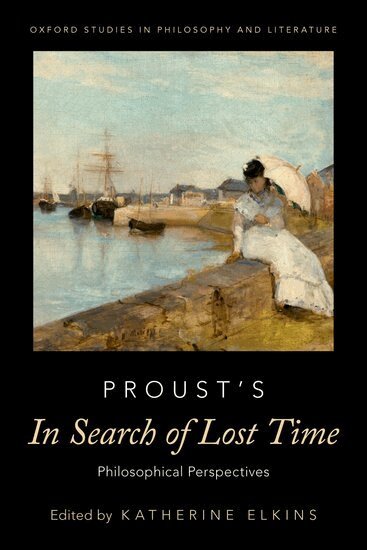
With the story of a madeleine dipped in tea, Marcel Proust makes famous moments that transport one to an earlier time thought lost forever. His In Search of Lost Time announces a quest narrative with lost time as its goal. We follow the journey of a young man as he strives to become the writer he longs to be, and his journey entails discovering a sense of self in which past and present intertwine. The narrator is delayed in his goal by various digressions, including journeys into the worlds of the salons and of art. For this reason, the novel offers far more avenues for philosophical reflection than simply a meditation on time and identity. In Search of Lost Time includes reflections on love and jealousy, joy and suffering, the enchantments of art and the disillusionments of friendship.This volume brings together prominent philosophers and critics to illuminate these many themes. Eight essays treat a wide range of topics including fiction, biography, temporality, music, love, jealousy, weather, and consciousness. One of the longest and most complex novels ever written, In Search of Lost Time has fascinated philosophers for decades. The contributors in this volume build upon earlier approaches to offer new avenues and directions for philosophical thought.
421 kr
Skickas inom 5-8 vardagar
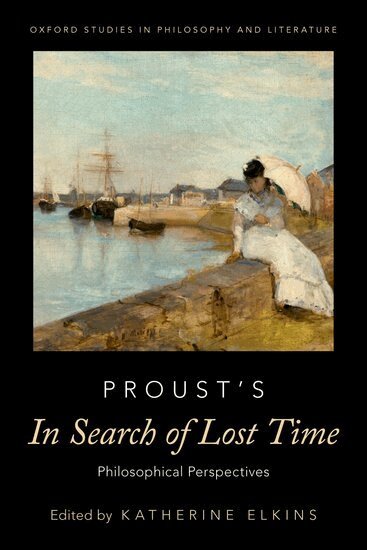
With the story of a madeleine dipped in tea, Marcel Proust makes famous moments that transport one to an earlier time thought lost forever. His In Search of Lost Time announces a quest narrative with lost time as its goal. We follow the journey of a young man as he strives to become the writer he longs to be, and his journey entails discovering a sense of self in which past and present intertwine. The narrator is delayed in his goal by various digressions, including journeys into the worlds of the salons and of art. For this reason, the novel offers far more avenues for philosophical reflection than simply a meditation on time and identity. In Search of Lost Time includes reflections on love and jealousy, joy and suffering, the enchantments of art and the disillusionments of friendship.This volume brings together prominent philosophers and critics to illuminate these many themes. Eight essays treat a wide range of topics including fiction, biography, temporality, music, love, jealousy, weather, and consciousness. One of the longest and most complex novels ever written, In Search of Lost Time has fascinated philosophers for decades. The contributors in this volume build upon earlier approaches to offer new avenues and directions for philosophical thought.
1 255 kr
Skickas inom 5-8 vardagar
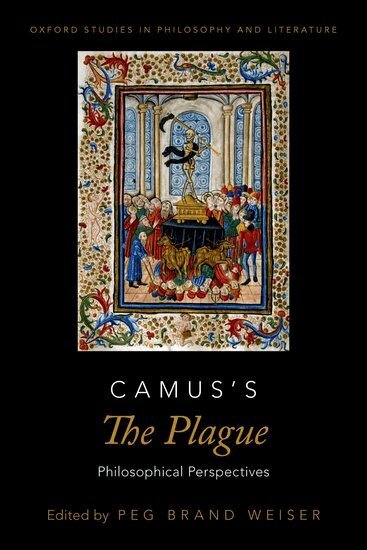
La Peste (in English The Plague), originally published in 1947 by the Nobel Prize-winning writer Albert Camus, chronicles the progression of deadly bubonic plague as it spreads through the quarantined Algerian city of Oran. While most discussions of fictional examples within aesthetics are either historical or hypothetical, Camus offers an example of “pestilence fiction.” Camus chose fiction to convey facts--about plagues in the past, his own bout with tuberculosis at age seventeen, living under quarantine away from home for several years, and forced separation from his wife who remained in Algiers while he was abroad in Nazi-occupied France. His own lived experiences undergird an imaginative account of shared human realities with which we can identify: vulnerability to the disease, isolation, fear, and finally humanitarianism. The Plague teaches us to neither covet nor expect what we so casually took for granted. This collection of original essays on philosophical themes in The Plague is of special relevance during and in the aftermath of Covid-19 but also provides reflections that will be of lasting value to those interested in this classic work of literature. The novel explores questions of enduring importance. Do we collectively meet the threshold of ethical behaviour posed by Camus who wrote, “What's true of all the evils in the world is true of plague as well. It helps men to rise above themselves”? Or does the absurd undermine the compassionate? Do “heroes” dutifully fight a plague with “common decency,” or does human nature resign itself to the normalization of uncontrollable suffering and death? There are myriad ways to approach the novel and this volume encourages readers to ponder human dilemmas in fictional Oran informed by our current pandemic.
540 kr
Skickas inom 3-6 vardagar
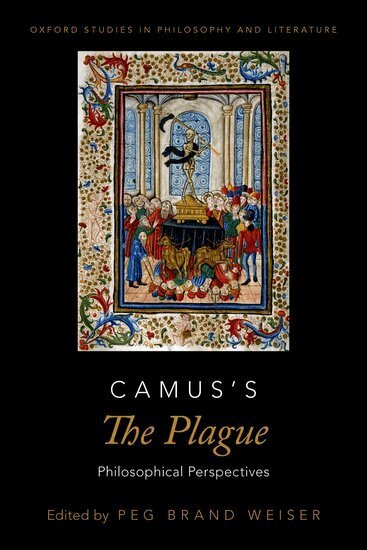
La Peste (in English The Plague), originally published in 1947 by the Nobel Prize-winning writer Albert Camus, chronicles the progression of deadly bubonic plague as it spreads through the quarantined Algerian city of Oran. While most discussions of fictional examples within aesthetics are either historical or hypothetical, Camus offers an example of “pestilence fiction.” Camus chose fiction to convey facts--about plagues in the past, his own bout with tuberculosis at age seventeen, living under quarantine away from home for several years, and forced separation from his wife who remained in Algiers while he was abroad in Nazi-occupied France. His own lived experiences undergird an imaginative account of shared human realities with which we can identify: vulnerability to the disease, isolation, fear, and finally humanitarianism. The Plague teaches us to neither covet nor expect what we so casually took for granted. This collection of original essays on philosophical themes in The Plague is of special relevance during and in the aftermath of Covid-19 but also provides reflections that will be of lasting value to those interested in this classic work of literature. The novel explores questions of enduring importance. Do we collectively meet the threshold of ethical behaviour posed by Camus who wrote, “What's true of all the evils in the world is true of plague as well. It helps men to rise above themselves”? Or does the absurd undermine the compassionate? Do “heroes” dutifully fight a plague with “common decency,” or does human nature resign itself to the normalization of uncontrollable suffering and death? There are myriad ways to approach the novel and this volume encourages readers to ponder human dilemmas in fictional Oran informed by our current pandemic.