Palgrave Historical Studies in the Criminal Corpse and its Afterlife – serie
Visar alla böcker i serien Palgrave Historical Studies in the Criminal Corpse and its Afterlife. Handla med fri frakt och snabb leverans.
14 produkter
14 produkter
Inbunden, Engelska, 2015
956 kr
Skickas inom 10-15 vardagar
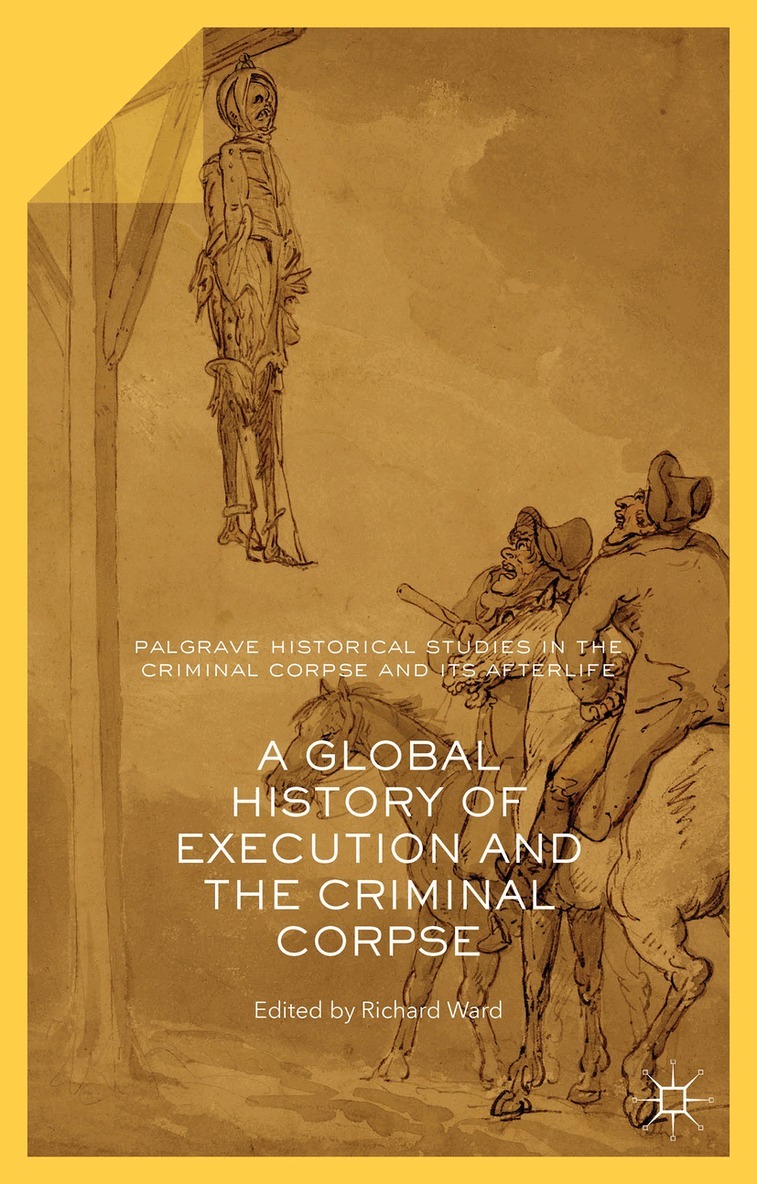
Through studies of beheaded Irish traitors, smugglers hung in chains on the English coast, suicides subjected to the surgeon's knife in Dresden and the burial of executed Nazi war criminals, this volume provides a fresh perspective on the history of capital punishment. The chapters 'Introduction: A Global History of Execution and the Criminal Corpse' and 'The Gibbet in the Landscape: Locating the Criminal Corpse in Mid-Eighteenth-Century England' are open access under a CC BY 4.0 license.
Inbunden, Engelska, 2015
320 kr
Skickas inom 10-15 vardagar
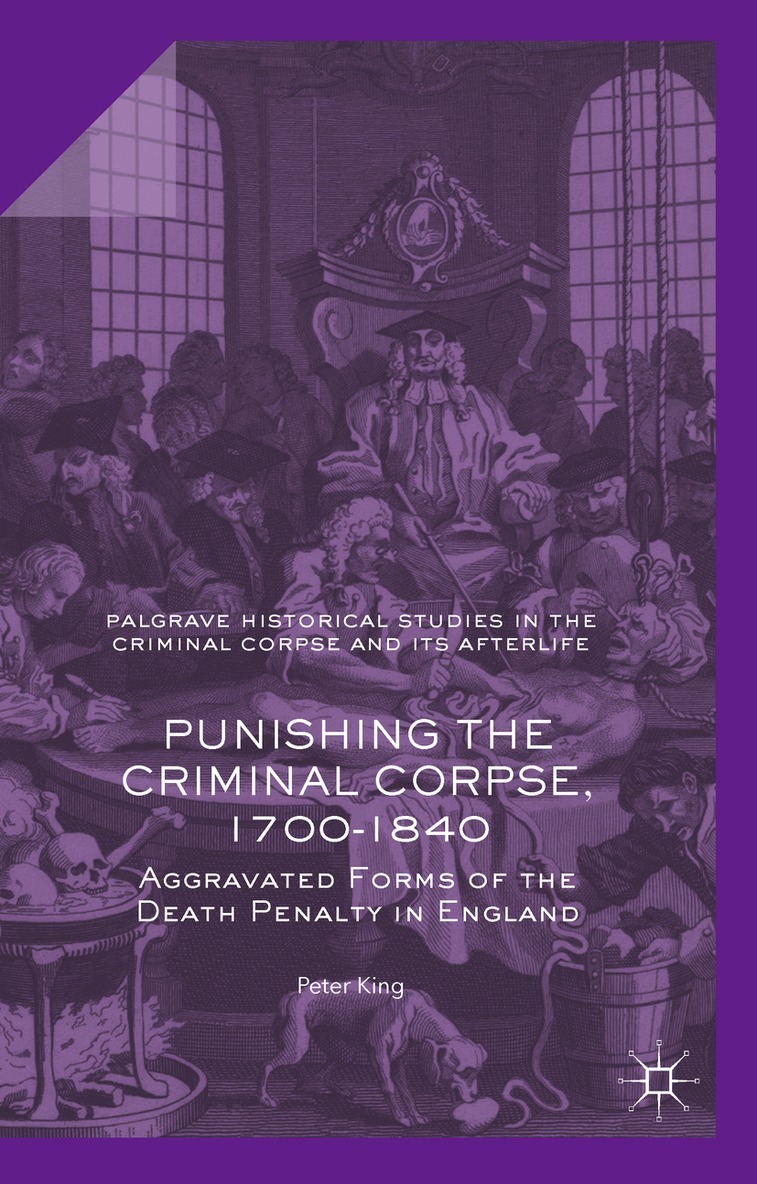
This book is open access under a CC BY 4.0 licence. This book analyses the different types of post-execution punishments and other aggravated execution practices, the reasons why they were advocated, and the decision, enshrined in the Murder Act of 1752, to make two post-execution punishments, dissection and gibbeting, an integral part of sentences for murder. It traces the origins of the Act, and then explores the ways in which Act was actually put into practice. After identifying the dominance of penal dissection throughout the period, it looks at the abandonment of burning at the stake in the 1790s, the rapid decline of hanging in chains just after 1800, and the final abandonment of both dissection and gibbeting in 1832 and 1834. It concludes that the Act, by creating differentiation in levels of penalty, played an important role within the broader capital punishment system well into the nineteenth century. While eighteenth- and early nineteenth-century historians have extensively studied the ‘Bloody Code’ and the resulting interactions around the ‘Hanging Tree’, they have largely ignored an important dimension of the capital punishment system – the courts extensive use of aggravated and post-execution punishments. With this book, Peter King aims to rectify this neglected historical phenomenon.
Inbunden, Engelska, 2017
320 kr
Skickas inom 10-15 vardagar
This book is open access under a CC BY 4.0 licence. This book is a multidisciplinary work that investigates the notion of posthumous harm over time. The question what is and when is death, affects how we understand the possibility of posthumous harm and redemption. Whilst it is impossible to hurt the dead, it is possible to harm the wishes, beliefs and memories of persons that once lived. In this way, this book highlights the vulnerability of the dead, and makes connections to a historical oeuvre, to add critical value to similar concepts in history that are overlooked by most philosophers. There is a long historical view of case studies that illustrate the conceptual character of posthumous punishment; that is, dissection and gibbetting of the criminal corpse after the Murder Act (1752), and those shot at dawn during the First World War. A long historical view is also taken of posthumous harm; that is, body-snatching in the late Georgian period, and organ-snatching at Alder Hey in the 1990s.
Inbunden, Engelska, 2016
320 kr
Skickas inom 10-15 vardagar
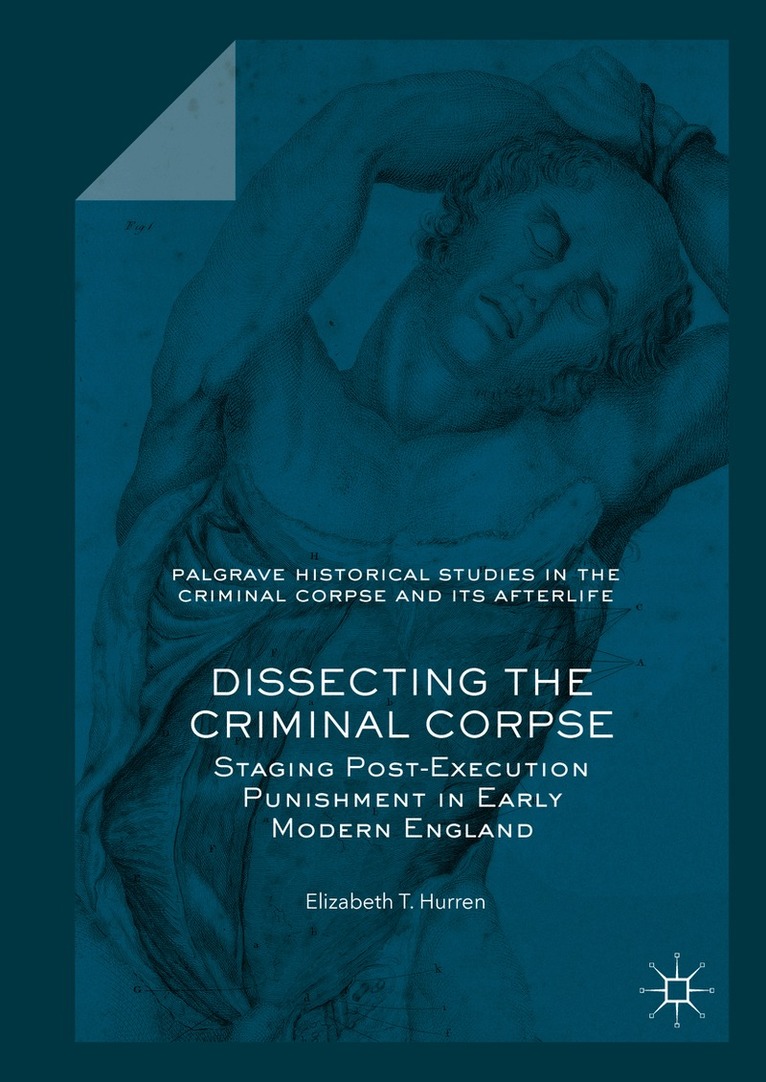
Those convicted of homicide were hanged on the public gallows before being dissected under the Murder Act in Georgian England. Yet, from 1752, whether criminals actually died on the hanging tree or in the dissection room remained a medical mystery in early modern society. Dissecting the Criminal Corpse takes issue with the historical cliché of corpses dangling from the hangman’s rope in crime studies. Some convicted murderers did survive execution in early modern England. Establishing medical death in the heart-lungs-brain was a physical enigma. Criminals had large bull-necks, strong willpowers, and hearty survival instincts. Extreme hypothermia often disguised coma in a prisoner hanged in the winter cold. The youngest and fittest were capable of reviving on the dissection table. Many died under the lancet. Capital legislation disguised a complex medical choreography that surgeons staged. They broke the Hippocratic Oath by executing the Dangerous Dead across England from 1752 until 1832. This book is open access under a CC-BY license.
Inbunden, Engelska, 2017
320 kr
Skickas inom 10-15 vardagar
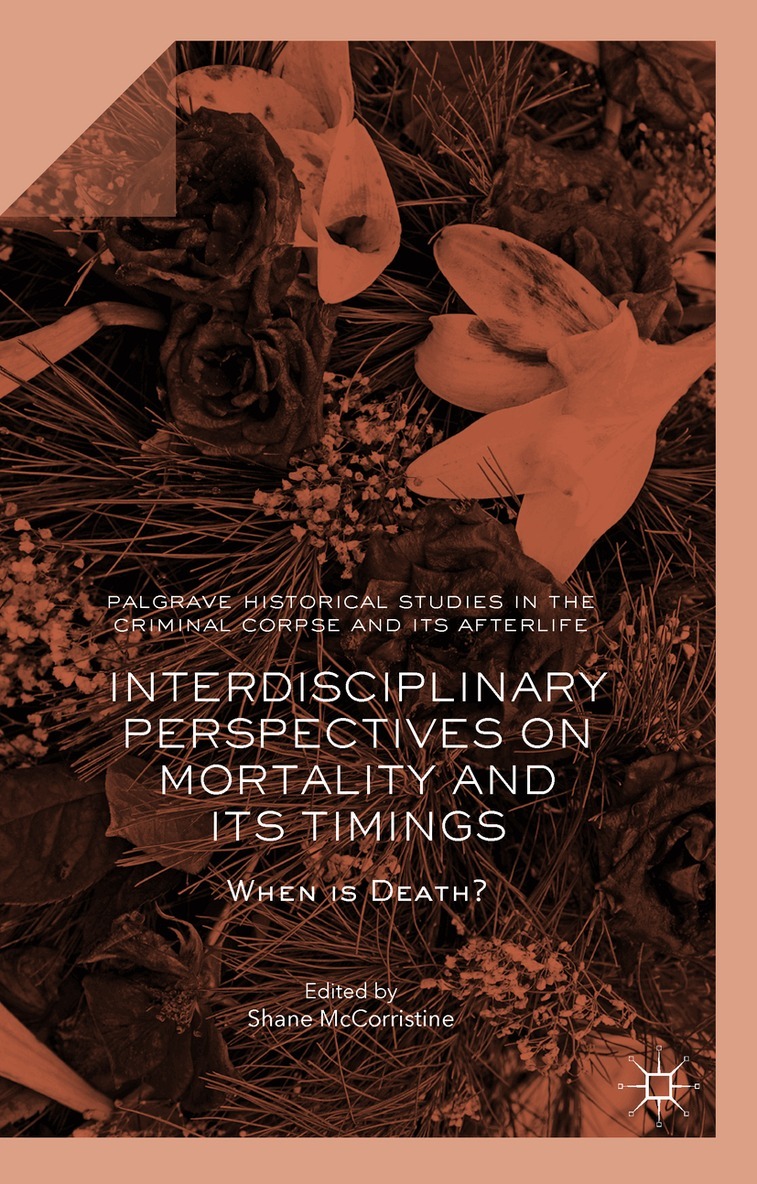
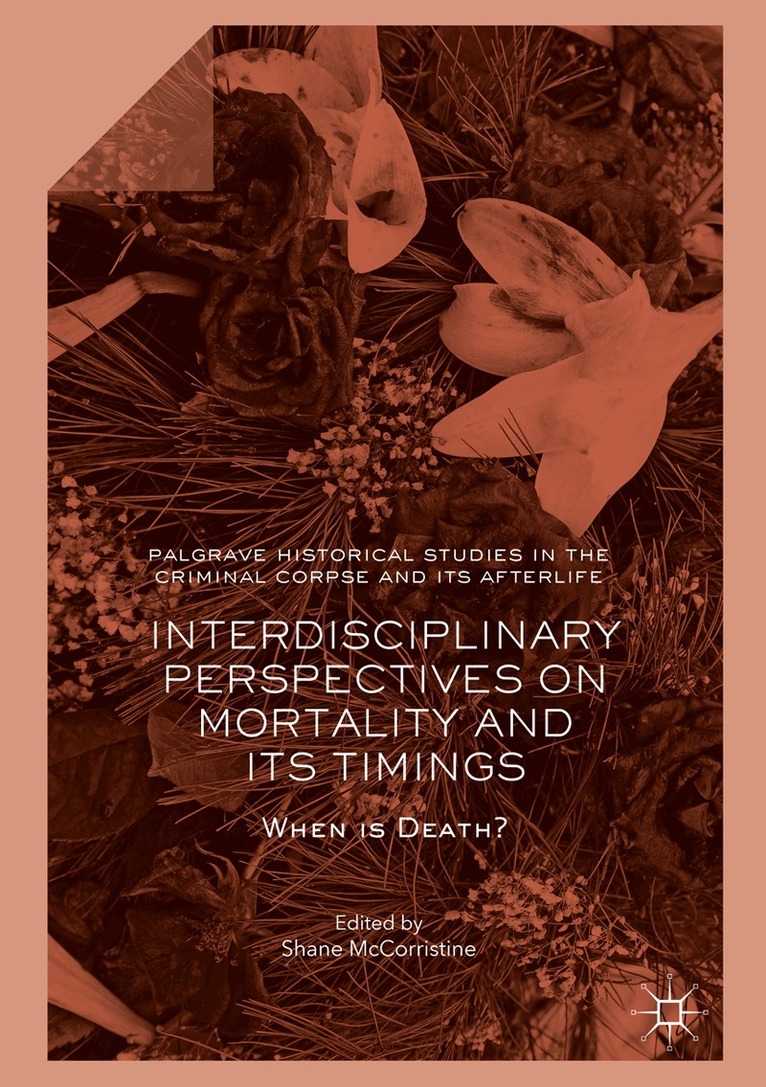
This book is open access under a CC BY 4.0 license.This volume provides a series of illuminating perspectives on the timings of death, through in-depth studies of Shakespearean tragedy, criminal execution, embalming practices, fears of premature burial, rumours of Adolf Hitler’s survival, and the legal concept of brain death. In doing so, it explores a number of questions, including: how do we know if someone is dead or not? What do people experience at the moment when they die? Is death simply a biological event that comes about in temporal stages of decomposition, or is it a social event defined through cultures, practices, and commemorations? In other words, when exactly is death? Taken together, these contributions explore how death emerges in a series of stages that are uncertain, paradoxical, and socially contested.
Inbunden, Engelska, 2015
320 kr
Skickas inom 10-15 vardagar
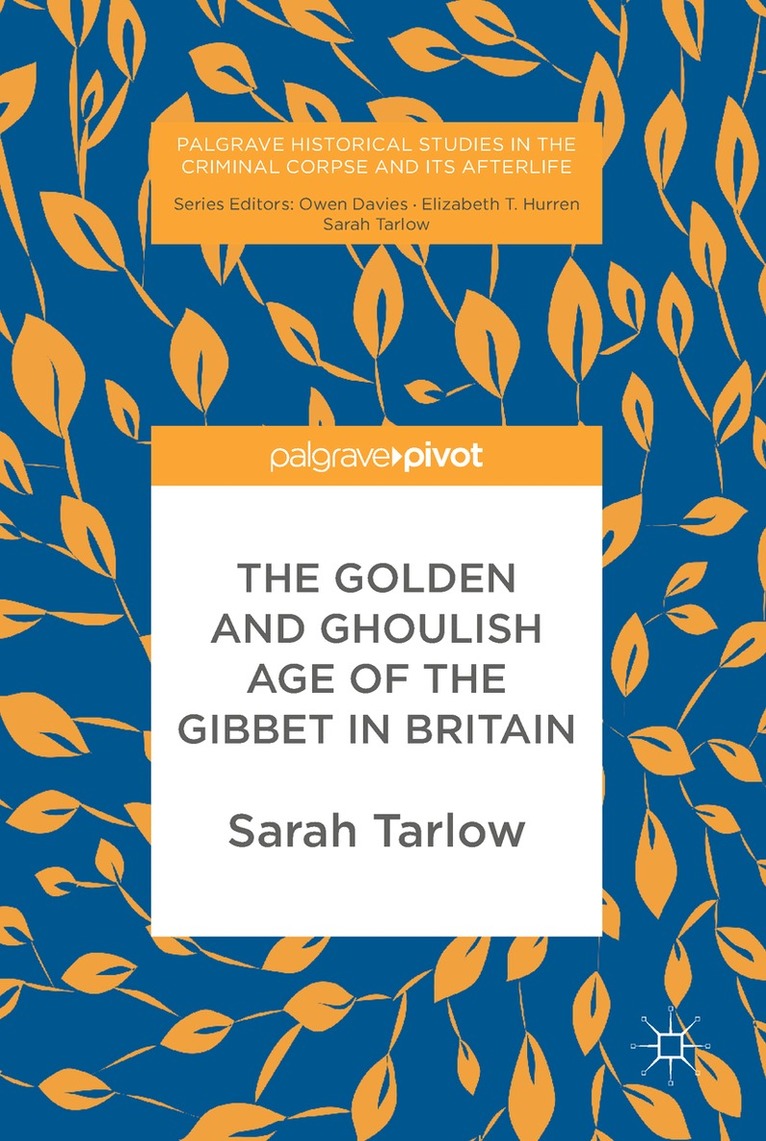
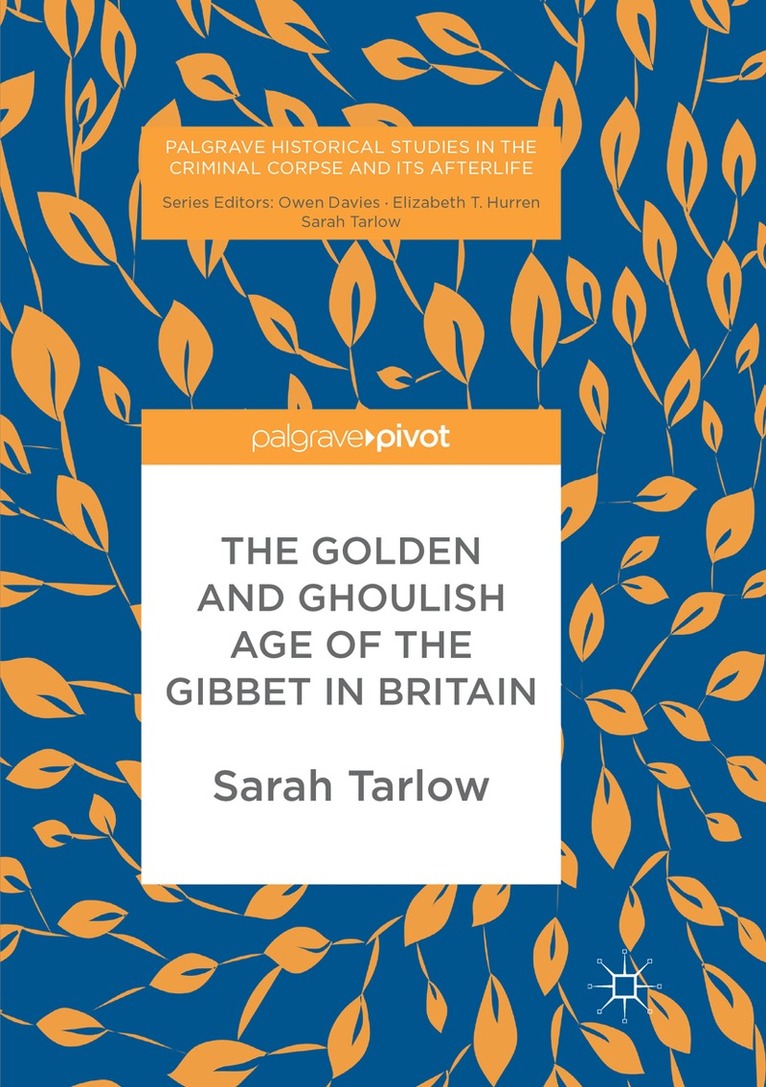
This book is open access under a CC BY 4.0 licence. This book is the first academic study of the post-mortem practice of gibbeting (‘hanging in chains’), since the nineteenth century. Gibbeting involved placing the executed body of a malefactor in an iron cage and suspending it from a tall post. A body might remain in the gibbet for many decades, while it gradually fell to pieces. Hanging in chains was a very different sort of post-mortem punishment from anatomical dissection, although the two were equal alternatives in the eyes of the law. Where dissection obliterated and de-individualised the body, hanging in chains made it monumental and rooted it in the landscape, adding to personal notoriety. Focusing particularly on the period 1752-1832, this book provides a summary of the historical evidence, the factual history of gibbetting which explores the locations of gibbets, the material technologies involved in hanging in chains, and the actual process from erection to eventual collapse. It also considers the meanings, effects and legacy of this gruesome practice.
Häftad, Engelska, 2020
264 kr
Skickas inom 10-15 vardagar
This book is open access under a CC BY 4.0 license.This volume provides a series of illuminating perspectives on the timings of death, through in-depth studies of Shakespearean tragedy, criminal execution, embalming practices, fears of premature burial, rumours of Adolf Hitler’s survival, and the legal concept of brain death. In doing so, it explores a number of questions, including: how do we know if someone is dead or not? What do people experience at the moment when they die? Is death simply a biological event that comes about in temporal stages of decomposition, or is it a social event defined through cultures, practices, and commemorations? In other words, when exactly is death? Taken together, these contributions explore how death emerges in a series of stages that are uncertain, paradoxical, and socially contested.
Häftad, Engelska, 2018
320 kr
Skickas inom 10-15 vardagar
This book is open access under a CC BY 4.0 licence. This book is the first academic study of the post-mortem practice of gibbeting (‘hanging in chains’), since the nineteenth century. Gibbeting involved placing the executed body of a malefactor in an iron cage and suspending it from a tall post. A body might remain in the gibbet for many decades, while it gradually fell to pieces. Hanging in chains was a very different sort of post-mortem punishment from anatomical dissection, although the two were equal alternatives in the eyes of the law. Where dissection obliterated and de-individualised the body, hanging in chains made it monumental and rooted it in the landscape, adding to personal notoriety. Focusing particularly on the period 1752-1832, this book provides a summary of the historical evidence, the factual history of gibbetting which explores the locations of gibbets, the material technologies involved in hanging in chains, and the actual process from erection to eventual collapse. It also considers the meanings, effects and legacy of this gruesome practice.
Häftad, Engelska, 2018
320 kr
Skickas inom 10-15 vardagar
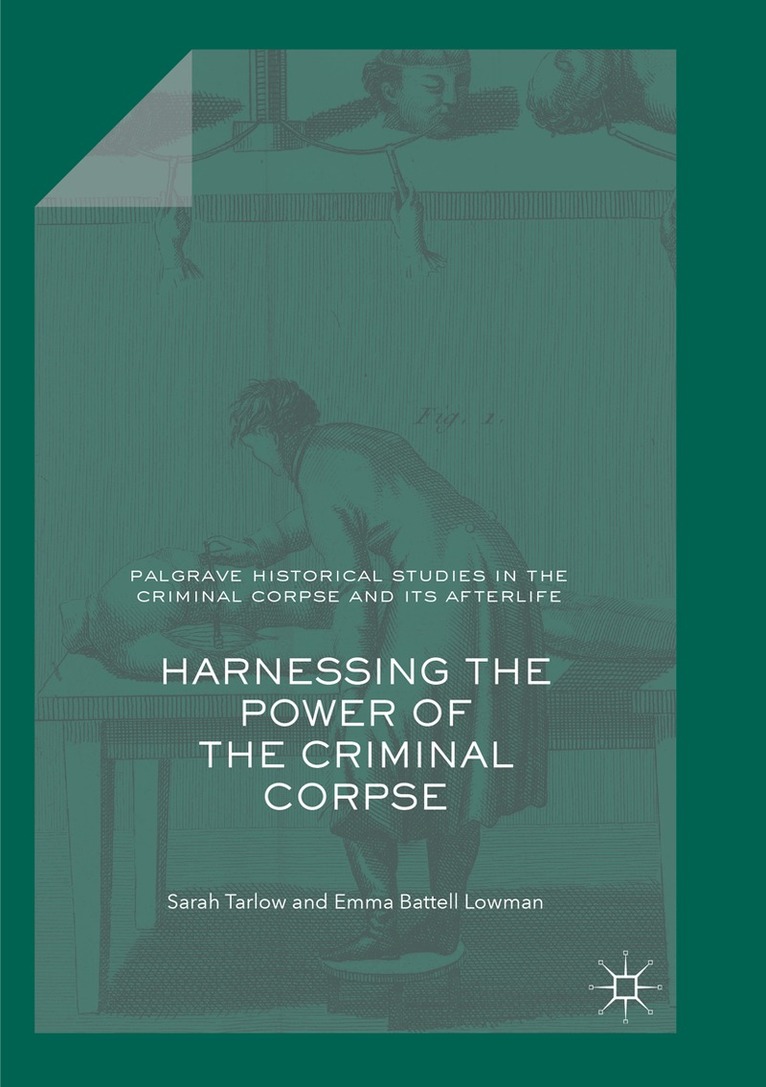
This open access book is the culmination of many years of research on what happened to the bodies of executed criminals in the past. Focusing on the eighteenth and nineteenth centuries, it looks at the consequences of the 1752 Murder Act. These criminal bodies had a crucial role in the history of medicine, and the history of crime, and great symbolic resonance in literature and popular culture. Starting with a consideration of the criminal corpse in the medieval and early modern periods, chapters go on to review the histories of criminal justice, of medical history and of gibbeting under the Murder Act, and ends with some discussion of the afterlives of the corpse, in literature, folklore and in contemporary medical ethics. Using sophisticated insights from cultural history, archaeology, literature, philosophy and ethics as well as medical and crime history, this book is a uniquely interdisciplinary take on a fascinating historical phenomenon.
Inbunden, Engelska, 2017
320 kr
Skickas inom 10-15 vardagar
This book is open access under a CC BY 4.0 licenseThis book explores the magical and medical history of executions from the eighteenth to the early twentieth century by looking at the afterlife potency of criminal corpses, the healing activities of the executioner, and the magic of the gallows site. The use of corpses in medicine and magic has been recorded back into antiquity. The lacerated bodies of Roman gladiators were used as a source of curative blood, for instance. In early modern Europe, a great trade opened up in ancient Egyptian mummies and the fat of executed criminals, plundered as medicinal cure-alls. However, this is the first book to consider the demand for the blood of the executed, the desire for human fat, the resort to the hanged man’s hand, and the trade in hanging rope in the modern era. It ends by look at the spiritual afterlife of dead criminals.
Inbunden, Engelska, 2017
320 kr
Skickas inom 10-15 vardagar
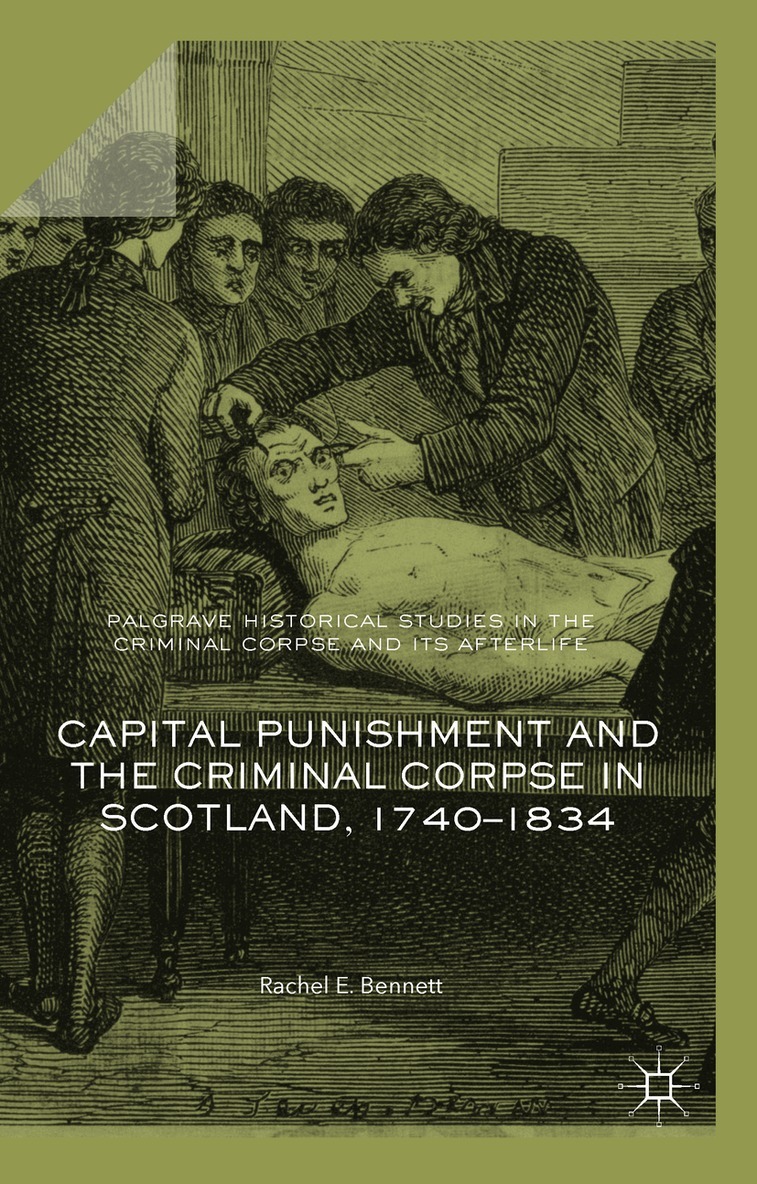
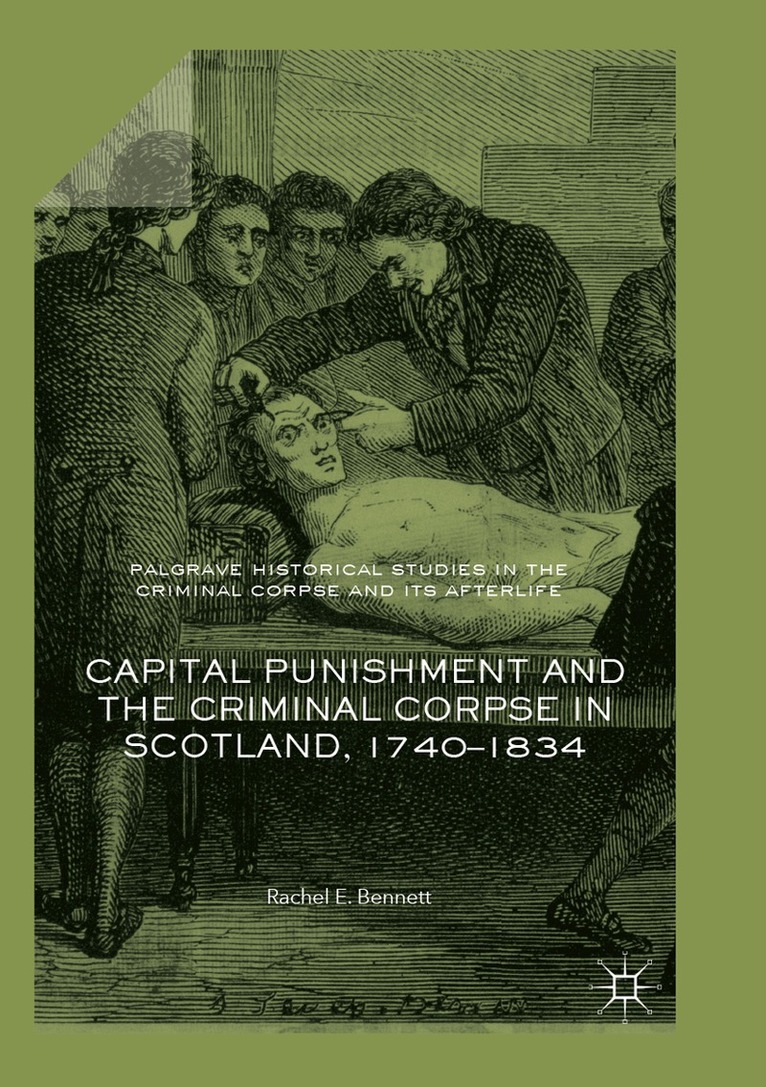
This book is open access under a CC BY 4.0 license.This book provides the most in-depth study of capital punishment in Scotland between the mid-eighteenth and early nineteenth century to date. Based upon an extensive gathering and analysis of previously untapped resources, it takes the reader on a journey from the courtrooms of Scotland to the theatre of the gallows. It introduces them to several of the malefactors who faced the hangman’s noose and explores the traditional hallmarks of the spectacle of the scaffold. It demonstrates that the period between 1740 and 1834 was one of discussion, debate and fundamental change in the use of the death sentence and how it was staged in practice. In addition, the study provides an innovative investigation of the post-mortem punishment of the criminal corpse. It offers the reader an insight into the scene at the foot of the gibbets from which criminal bodies were displayed and around the dissection tables of Scotland’s main universities where criminal bodies were used as cadavers for anatomical demonstration. In doing so it reveals an intermediate stage in the long-term disappearance of public bodily punishment.
Inbunden, Engelska, 2018
320 kr
Skickas inom 10-15 vardagar
This open access book is the culmination of many years of research on what happened to the bodies of executed criminals in the past. Focusing on the eighteenth and nineteenth centuries, it looks at the consequences of the 1752 Murder Act. These criminal bodies had a crucial role in the history of medicine, and the history of crime, and great symbolic resonance in literature and popular culture. Starting with a consideration of the criminal corpse in the medieval and early modern periods, chapters go on to review the histories of criminal justice, of medical history and of gibbeting under the Murder Act, and ends with some discussion of the afterlives of the corpse, in literature, folklore and in contemporary medical ethics. Using sophisticated insights from cultural history, archaeology, literature, philosophy and ethics as well as medical and crime history, this book is a uniquely interdisciplinary take on a fascinating historical phenomenon.
Häftad, Engelska, 2018
320 kr
Skickas inom 10-15 vardagar
This book is open access under a CC BY 4.0 licenseThis book explores the magical and medical history of executions from the eighteenth to the early twentieth century by looking at the afterlife potency of criminal corpses, the healing activities of the executioner, and the magic of the gallows site. The use of corpses in medicine and magic has been recorded back into antiquity. The lacerated bodies of Roman gladiators were used as a source of curative blood, for instance. In early modern Europe, a great trade opened up in ancient Egyptian mummies and the fat of executed criminals, plundered as medicinal cure-alls. However, this is the first book to consider the demand for the blood of the executed, the desire for human fat, the resort to the hanged man’s hand, and the trade in hanging rope in the modern era. It ends by look at the spiritual afterlife of dead criminals.
Häftad, Engelska, 2018
320 kr
Skickas inom 10-15 vardagar
This book is open access under a CC BY 4.0 license.This book provides the most in-depth study of capital punishment in Scotland between the mid-eighteenth and early nineteenth century to date. Based upon an extensive gathering and analysis of previously untapped resources, it takes the reader on a journey from the courtrooms of Scotland to the theatre of the gallows. It introduces them to several of the malefactors who faced the hangman’s noose and explores the traditional hallmarks of the spectacle of the scaffold. It demonstrates that the period between 1740 and 1834 was one of discussion, debate and fundamental change in the use of the death sentence and how it was staged in practice. In addition, the study provides an innovative investigation of the post-mortem punishment of the criminal corpse. It offers the reader an insight into the scene at the foot of the gibbets from which criminal bodies were displayed and around the dissection tables of Scotland’s main universities where criminal bodies were used as cadavers for anatomical demonstration. In doing so it reveals an intermediate stage in the long-term disappearance of public bodily punishment.