Palgrave Studies in Anthropology of Sustainability – serie
Visar alla böcker i serien Palgrave Studies in Anthropology of Sustainability. Handla med fri frakt och snabb leverans.
14 produkter
14 produkter
Inbunden, Engelska, 2017
1 626 kr
Skickas inom 10-15 vardagar
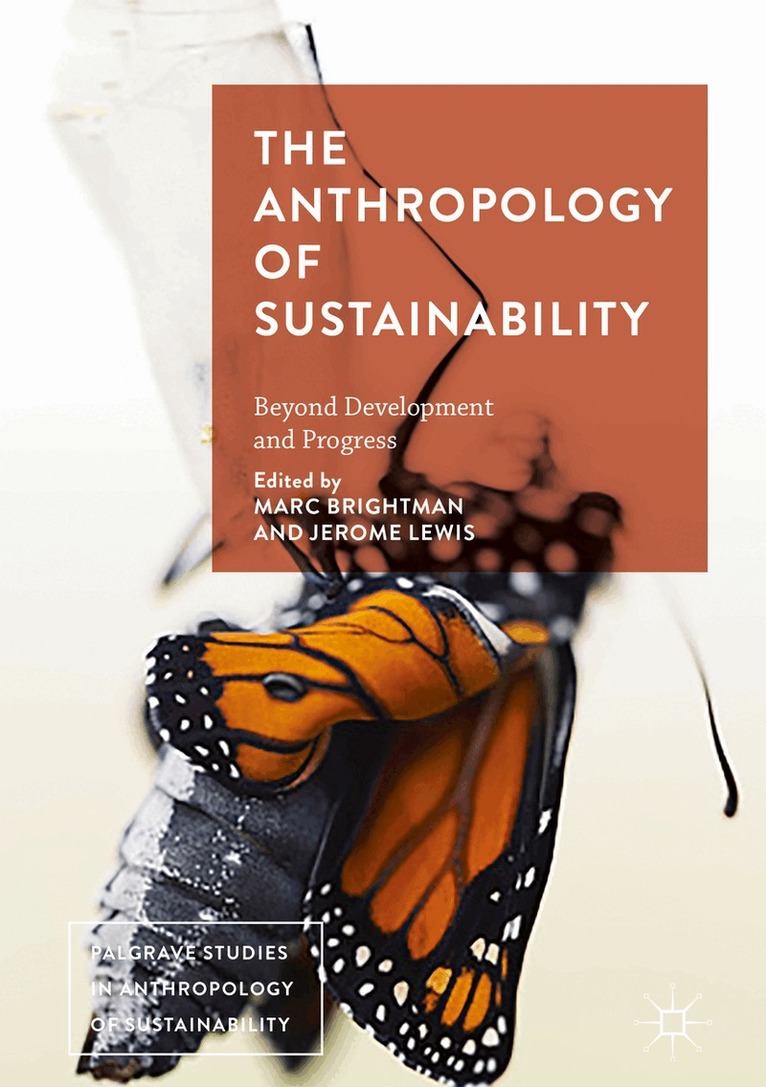
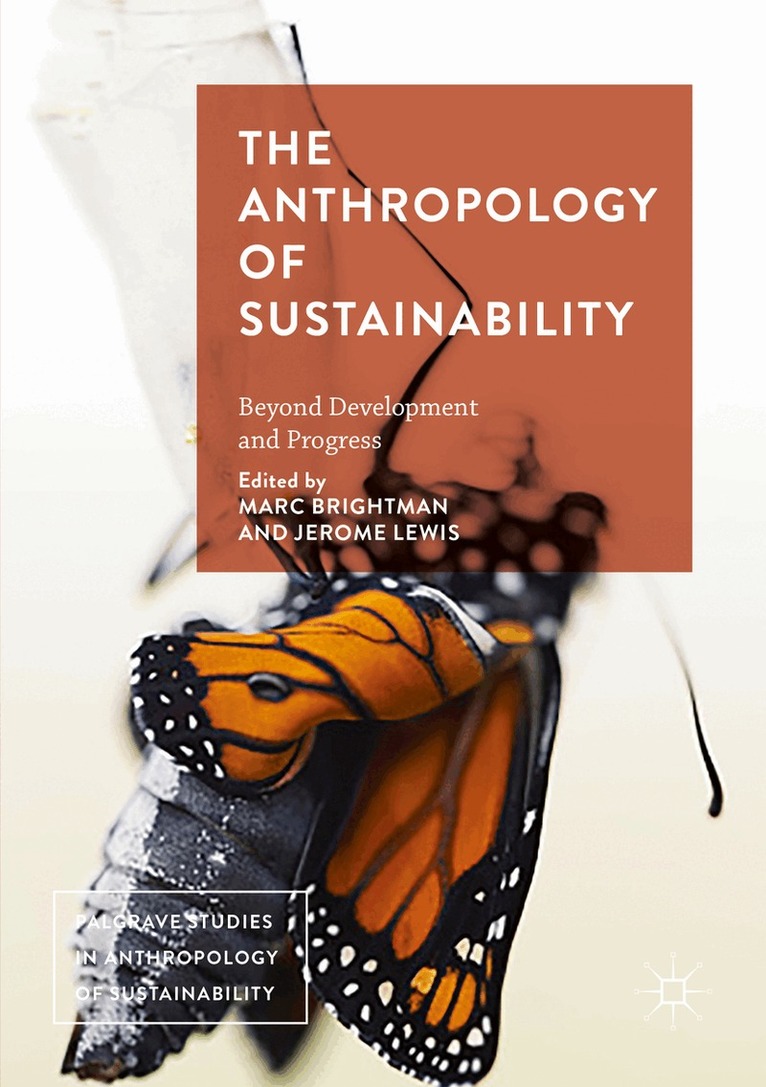
This book compiles research from leading experts in the social, behavioral, and cultural dimensions of sustainability, as well as local and global understandings of the concept, and on lived practices around the world. It contains studies focusing on ways of living, acting, and thinking which claim to favor the local and global ecological systems of which we are a part, and on which we depend for survival. The concept of sustainability as a product of concern about global environmental degradation, rising social inequalities, and dispossession is presented as a key concept. The contributors explore the opportunities to engage with questions of sustainability and to redefine the concept of sustainability in anthropological terms.
Inbunden, Engelska, 2016
601 kr
Skickas inom 10-15 vardagar
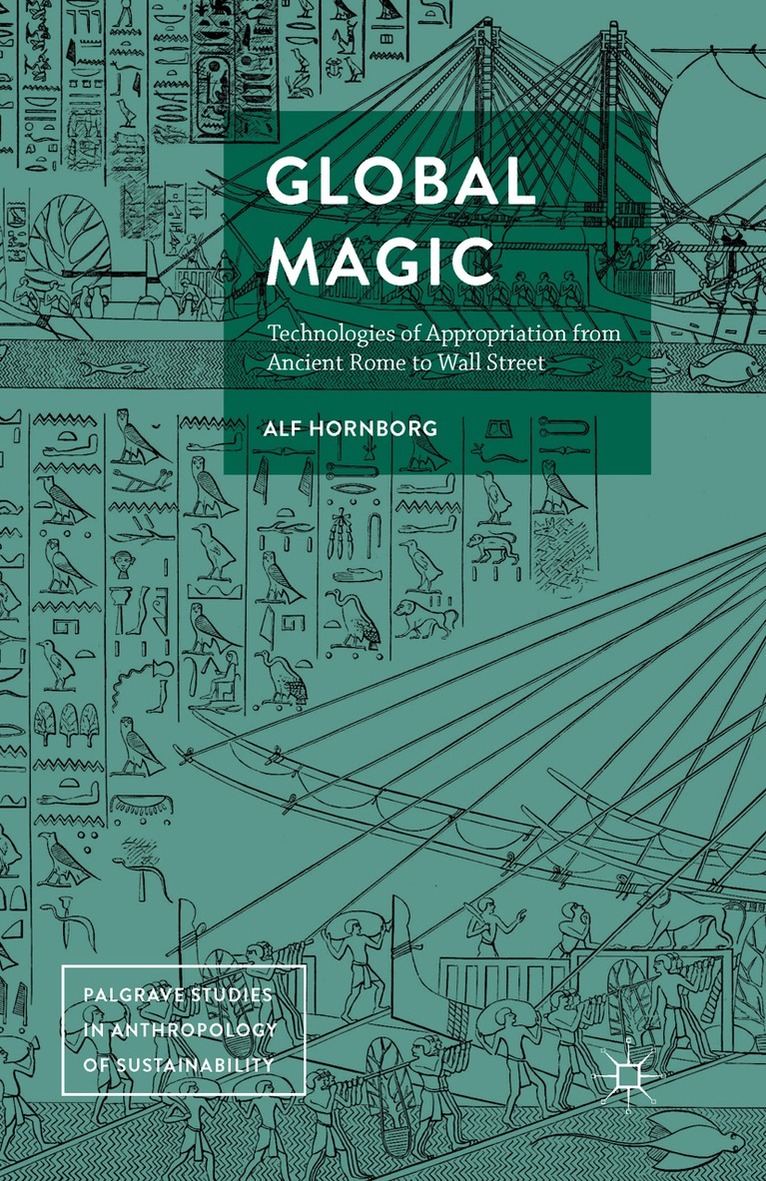
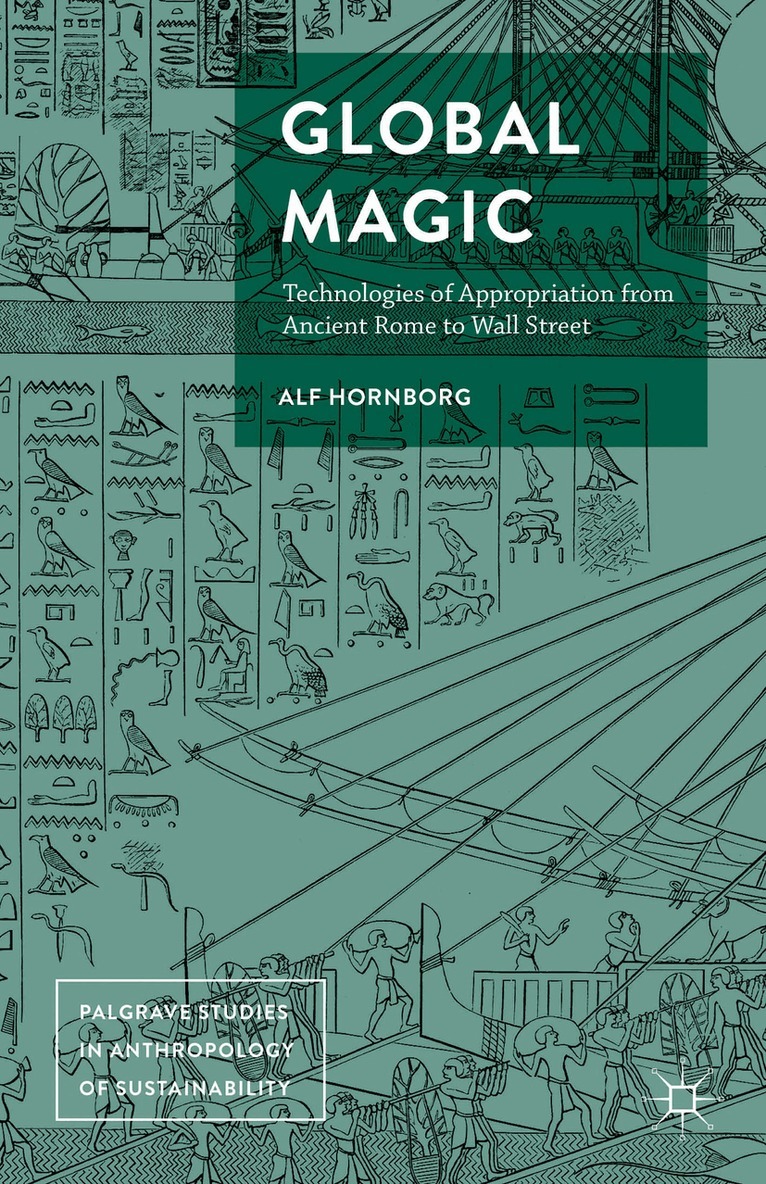
Modern thought on economics and technology is no less magical than the world views of non-modern peoples. This book reveals how our ideas about growth and progress ignore how money and machines throughout history have been used to exploit less affluent parts of world society. The argument critically explores a middle ground between Marxist political ecology and Actor-Network Theory.
Häftad, Engelska, 2017
601 kr
Skickas inom 10-15 vardagar
Modern thought on economics and technology is no less magical than the world views of non-modern peoples. This book reveals how our ideas about growth and progress ignore how money and machines throughout history have been used to exploit less affluent parts of world society. The argument critically explores a middle ground between Marxist political ecology and Actor-Network Theory.
Häftad, Engelska, 2020
277 kr
Skickas inom 10-15 vardagar
This book compiles research from leading experts in the social, behavioral, and cultural dimensions of sustainability, as well as local and global understandings of the concept, and on lived practices around the world. It contains studies focusing on ways of living, acting, and thinking which claim to favor the local and global ecological systems of which we are a part, and on which we depend for survival. The concept of sustainability as a product of concern about global environmental degradation, rising social inequalities, and dispossession is presented as a key concept. The contributors explore the opportunities to engage with questions of sustainability and to redefine the concept of sustainability in anthropological terms.
Häftad, Engelska, 2018
255 kr
Skickas inom 10-15 vardagar
This book challenges the ways we think about human agency by looking at the creativity, ethics, and capacities for social transformation that are embedded in simple actions of “doing”. Stemming from ethnographic research with families in the United Kingdom as part of a wider interdisciplinary project looking at domestic energy demand, this book probes some mundane approaches to time—such as spontaneity, anticipation, and “family time”—and the ways in which they extend ethical imaginations, create new forms of sociality, and engender human agency.
Inbunden, Engelska, 2019
928 kr
Skickas inom 10-15 vardagar
This edited volume constructs a ‘cosmopolitics’ of climate change, consulting small-scale sustainable communities on whether the world is ending and why, and how we can take action to prevent it. By comparing scientific and indigenous accounts of the same phenomenon, contributors seek to broaden Western understandings of what climate change constitutes. In this context, existing cosmologies are challenged, opening spaces for hegemonic narratives to enter into conversation with the non-modern and construct ‘worlds otherwise’—situations of world change and renewal through climate change. Bold brings together perspectives from Central America, Mexico, the Amazon, and the Andes to converse with scientific narratives of climate change and create cracks that bring new worlds into being for readers.
Häftad, Engelska, 2020
657 kr
Skickas inom 10-15 vardagar
This edited volume constructs a ‘cosmopolitics’ of climate change, consulting small-scale sustainable communities on whether the world is ending and why, and how we can take action to prevent it. By comparing scientific and indigenous accounts of the same phenomenon, contributors seek to broaden Western understandings of what climate change constitutes. In this context, existing cosmologies are challenged, opening spaces for hegemonic narratives to enter into conversation with the non-modern and construct ‘worlds otherwise’—situations of world change and renewal through climate change. Bold brings together perspectives from Central America, Mexico, the Amazon, and the Andes to converse with scientific narratives of climate change and create cracks that bring new worlds into being for readers.
Inbunden, Engelska, 2022
1 199 kr
Skickas inom 10-15 vardagar
In the continuous search for sustainability, the exchange of diverse perspectives, assumptions, and values is indispensable to environmental protection. Through anthropological and ethnographic analyses, this collection addresses how interests, values, and ideologies affect dialogue and sustainability work. Drawing on studies from three continents – Europe, North America, and South America – the paradoxes and the plurality of meanings associated with the creation of sustainable futures are explored. The book focuses on how communication practices collide with organizational frameworks, customary practices, livelihoods, and landscape. In so doing, the authors explore the meanings of environmental communication, pushing beyond environmental advocacy rhetoric to emphasize stronger anthropological engagement within communities to achieve more impactful environmental communication practice. Empirically the book’s chapters explore a diverse set of issues, ranging from coastal management in the European north to Native American place naming in Alaska. They further share findings from studies of contaminated land remediation in Sweden, conflicts over water resources in Chile, management of heritage and national parks in Northern Arizona, and cultural transmission in Slovakia.This is an open access book.
Inbunden, Engelska, 2023
1 524 kr
Skickas inom 10-15 vardagar
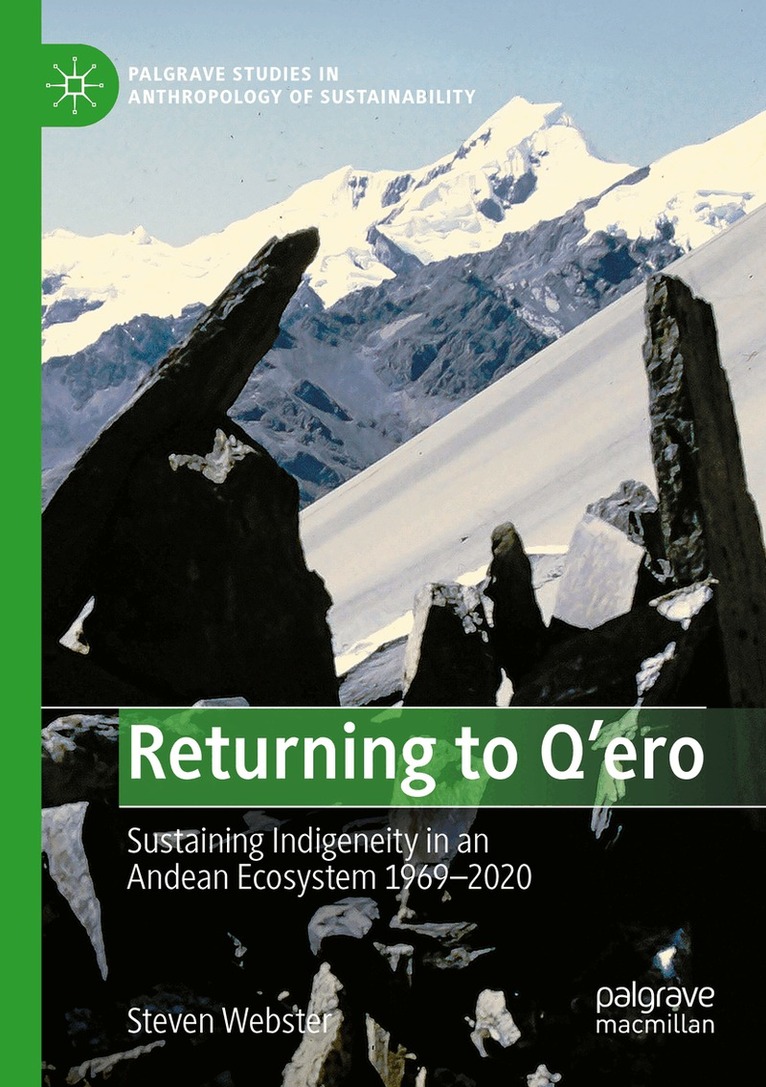
In this book, social anthropologist Steven Webster provides an ethnohistory of sustainability among the indigenous Andean community of Hatun Q’ero since the 1960s. He first revisits his detailed ecological research among the remote Q’ero in the high Andes of Southern Peru in 1969–1970 and 1977. At that time, Q'ero was a community comprised of several hamlets in converging valleys based primarily on alpaca herding at about 4,300 meters, and composed of about 400 persons in about 80 families. He then relies on the few ethnographies by other anthropologists to document changes in Hatun Q'ero by 2020 , spanning 1980-90s when the nation was immersed in agrarian reform followed by virtual civil war between Maoist guerrillas, the government, and the highland peasantry. Through all of these ideological and political-economic developments the sustainability of Q'ero as an integral ecological and social community as well as a famously Incaic cultural tradition becomes a global as well as national issue. This book argues that while the commercial expansion of ceremonial and shamanist tourism can be seen as extractivist similar to industrial mining, the assertive form of independence characteristic of the Q'eros appears to remain sustainable in the face of both these extractive threats. While the Q'ero community is internally reinforced by their reciprocal relationship with the same non-human forces these forms of extraction seek to exploit, they are externally reinforced by the global as well as national rise of indigeneity movements. Ironically, given the moral force developed in some aspects of shamanist tourism, it can even be argued that it supports environmental sustainability against climate change, globally as well as in Q'ero. This book analyzes the increasing importance of indigeneity in the national politics of Peru as well as the other Andean nations in the last few decades, but it remains to set this form of identity politics in its wider “intersectional” context of social class and ethnic conflict in the Andes.
Häftad, Engelska, 2024
1 524 kr
Skickas inom 10-15 vardagar
In this book, social anthropologist Steven Webster provides an ethnohistory of sustainability among the indigenous Andean community of Hatun Q’ero since the 1960s. He first revisits his detailed ecological research among the remote Q’ero in the high Andes of Southern Peru in 1969–1970 and 1977. At that time, Q'ero was a community comprised of several hamlets in converging valleys based primarily on alpaca herding at about 4,300 meters, and composed of about 400 persons in about 80 families. He then relies on the few ethnographies by other anthropologists to document changes in Hatun Q'ero by 2020 , spanning 1980-90s when the nation was immersed in agrarian reform followed by virtual civil war between Maoist guerrillas, the government, and the highland peasantry. Through all of these ideological and political-economic developments the sustainability of Q'ero as an integral ecological and social community as well as a famously Incaic cultural tradition becomes a global as well as national issue. This book argues that while the commercial expansion of ceremonial and shamanist tourism can be seen as extractivist similar to industrial mining, the assertive form of independence characteristic of the Q'eros appears to remain sustainable in the face of both these extractive threats. While the Q'ero community is internally reinforced by their reciprocal relationship with the same non-human forces these forms of extraction seek to exploit, they are externally reinforced by the global as well as national rise of indigeneity movements. Ironically, given the moral force developed in some aspects of shamanist tourism, it can even be argued that it supports environmental sustainability against climate change, globally as well as in Q'ero. This book analyzes the increasing importance of indigeneity in the national politics of Peru as well as the other Andean nations in the last few decades, but it remains to set this form of identity politics in its wider “intersectional” context of social class and ethnic conflict in the Andes.
Inbunden, Engelska, 2023
1 416 kr
Skickas inom 10-15 vardagar
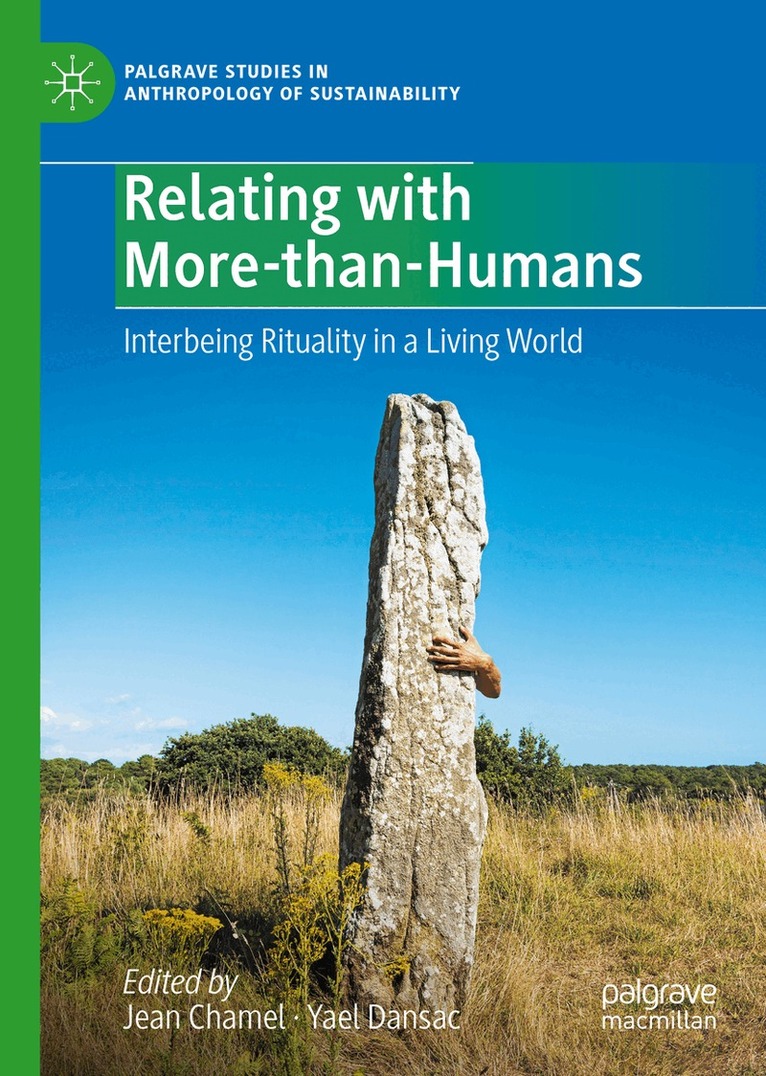
Within the social sciences, other-than-human being’s agency has often been denied and interbeings relationships have not been fully addressed. However, many indigenous worldviews and Western contemporary spiritual practices are shaping a very different reality, with various attempts to share the world with non-human beings, animate or inanimate, creating forms of relationships to “the living”.This edited volume documents how humans deal with non-human entities in a large variety of cultural contexts. It focuses on ritual processes and how ritual creativity is mobilised to invent new ways of relating with more-than-humans. Comprising nine case studies, the volume is divided into three main sections that address successively daily interactions, political implications, and spiritual engagements. Cooperative interactions, kinship relations, senses of belonging, traditional healing techniques, non-human beings’ legal personality attribution, transformative experiences, and phenomenological relationalities are examined in various locations: West Africa, Buryatia, Estonia, Finland, France, Mexico, Nepalese Himalayas, Sweden and Wales.Chapters "Relating with More-than-Humans: Interbeing Rituality and Spiritual Practices in a Living World—An Introduction" and "Ritual Animism: Indigenous Performances, Interbeings Ceremonies and Alternative Spiritualities in the Global Rights of Nature Networks" are available open access under a Creative Commons Attribution 4.0 International License via link.springer.com.
Häftad, Engelska, 2024
1 416 kr
Skickas inom 10-15 vardagar
Within the social sciences, other-than-human being’s agency has often been denied and interbeings relationships have not been fully addressed. However, many indigenous worldviews and Western contemporary spiritual practices are shaping a very different reality, with various attempts to share the world with non-human beings, animate or inanimate, creating forms of relationships to “the living”.This edited volume documents how humans deal with non-human entities in a large variety of cultural contexts. It focuses on ritual processes and how ritual creativity is mobilised to invent new ways of relating with more-than-humans. Comprising nine case studies, the volume is divided into three main sections that address successively daily interactions, political implications, and spiritual engagements. Cooperative interactions, kinship relations, senses of belonging, traditional healing techniques, non-human beings’ legal personality attribution, transformative experiences, and phenomenological relationalities are examined in various locations: West Africa, Buryatia, Estonia, Finland, France, Mexico, Nepalese Himalayas, Sweden and Wales.Chapters "Relating with More-than-Humans: Interbeing Rituality and Spiritual Practices in a Living World—An Introduction" and "Ritual Animism: Indigenous Performances, Interbeings Ceremonies and Alternative Spiritualities in the Global Rights of Nature Networks" are available open access under a Creative Commons Attribution 4.0 International License via link.springer.com.
Inbunden, Engelska, 2017
1 416 kr
Skickas inom 10-15 vardagar
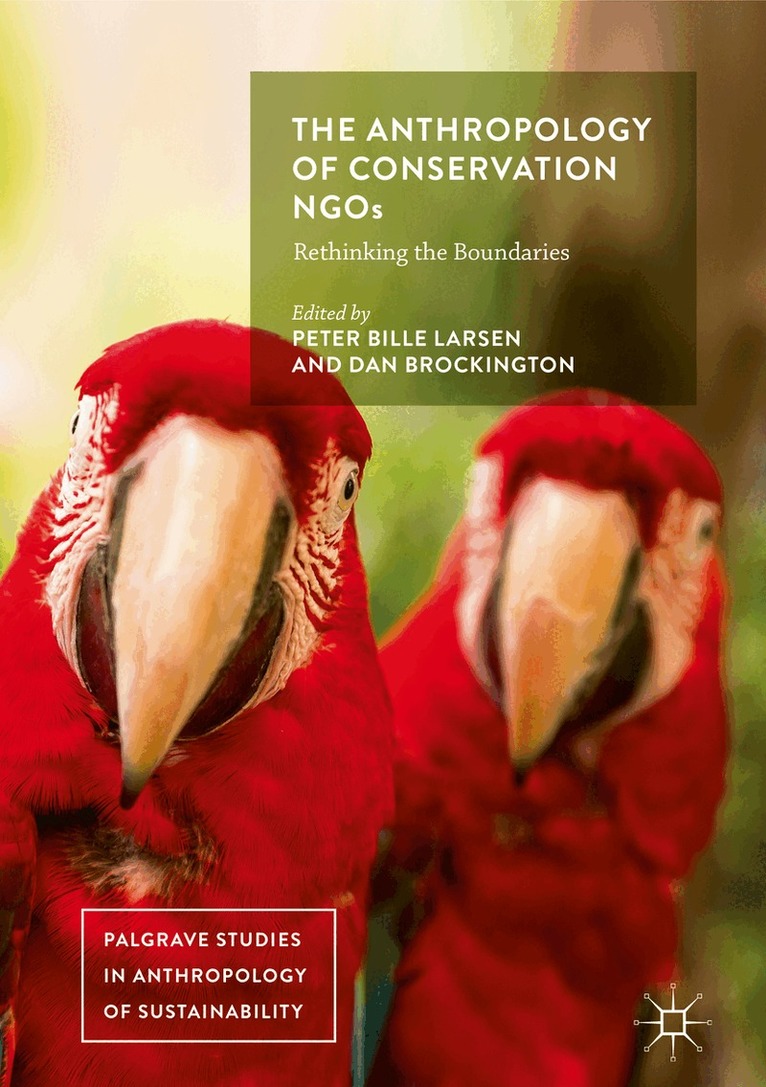
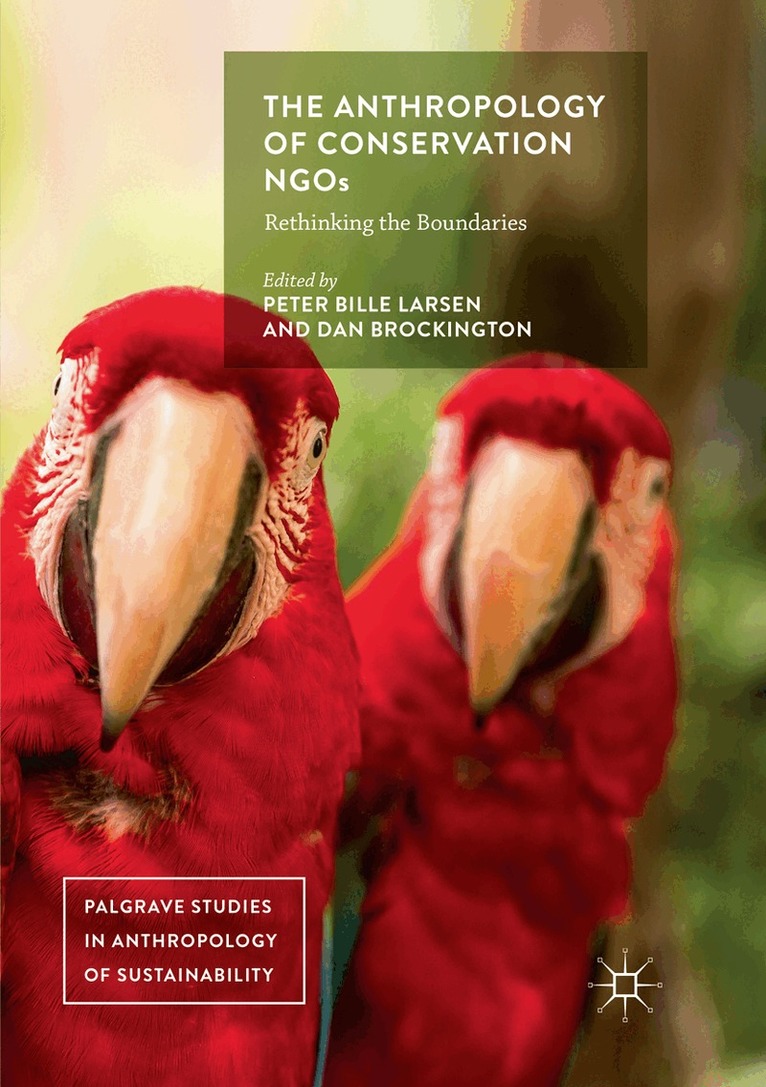
This book explores how NGOs have been influential in shaping global biodiversity, conservation policy, and practice. It encapsulates a growing body of literature that has questioned the mandates, roles, and effectiveness of these organizations–and the critique of these critics. This volume seeks to nurture an open conversation about contemporary NGO practices through analysis and engagement.
Häftad, Engelska, 2018
332 kr
Skickas inom 10-15 vardagar
This book explores how NGOs have been influential in shaping global biodiversity, conservation policy, and practice. It encapsulates a growing body of literature that has questioned the mandates, roles, and effectiveness of these organizations–and the critique of these critics. This volume seeks to nurture an open conversation about contemporary NGO practices through analysis and engagement.