Party Families in Europe – Serie
Visar alla böcker i serien Party Families in Europe. Handla med fri frakt och snabb leverans.
6 produkter
6 produkter
496 kr
Skickas inom 10-15 vardagar
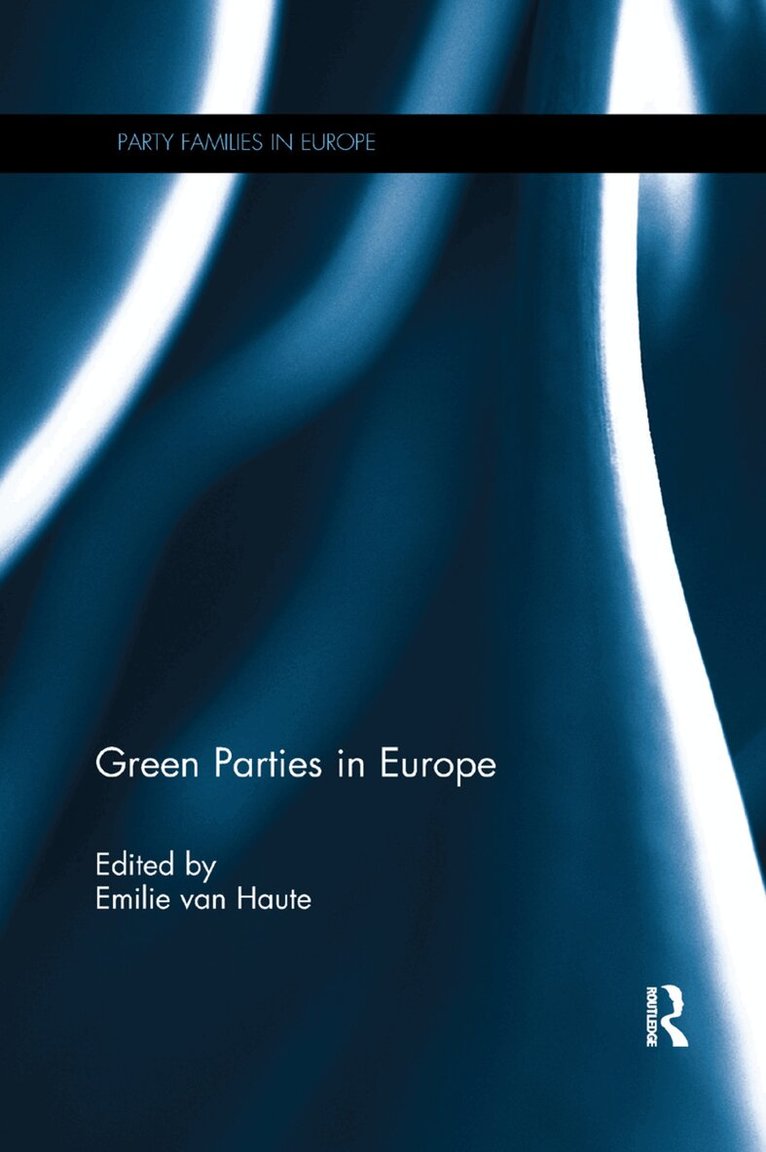
The emergence of green parties throughout Europe during the 1980s marked the arrival of a new form of political movement, challenging established models of party politics and putting new issues on the political agenda. Since their emergence, green parties in Europe have faced different destinies; in countries such as Germany, Belgium, Finland, France, and Italy, they have accumulated electoral successes, participated in governments, implemented policies and established themselves as part of the party system. In other countries, their political relevance remains very limited. After more than 30 years on the political scene, green parties have proven to be more than just a temporary phenomenon. They have lost their newness, faced success and failure, power and opposition, grassroots enthusiasm and internal conflicts. Green Parties in Europe includes individual case studies and a comparative perspective to bring together international specialists engaged in the study of green parties. It renews and expands our knowledge about the green party family in Europe.
2 113 kr
Skickas inom 10-15 vardagar
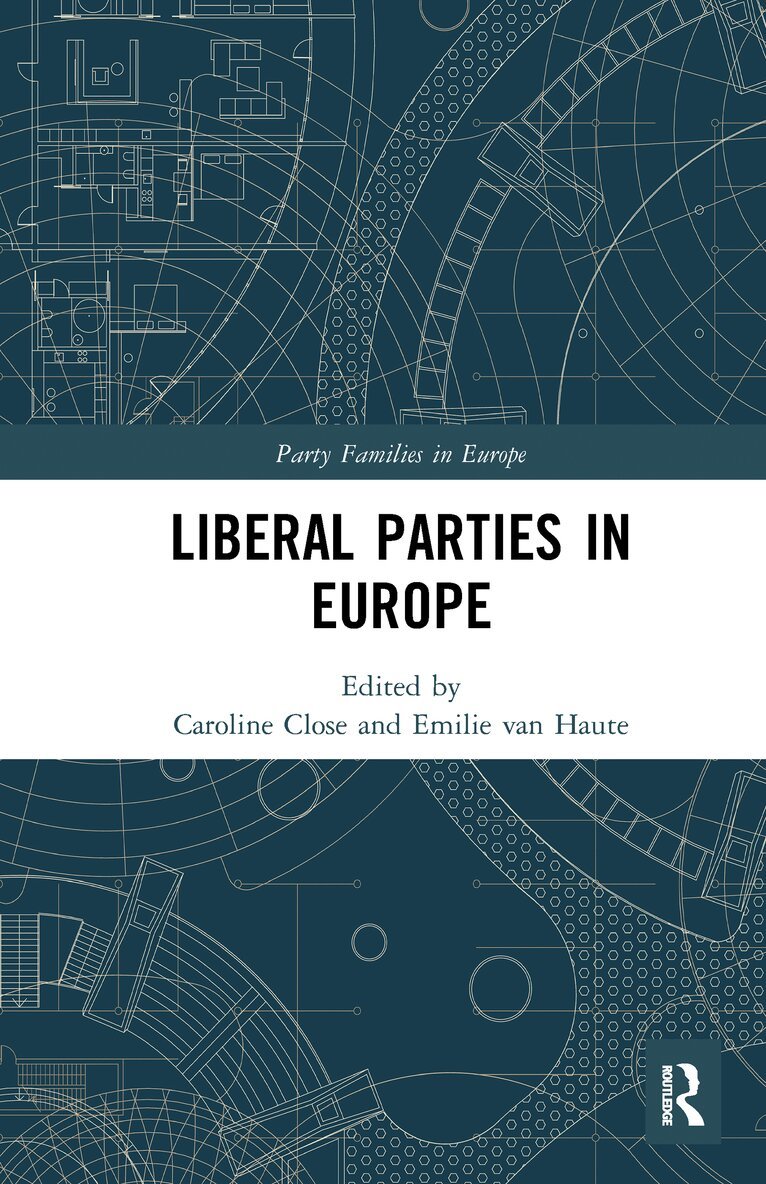
This book investigates how liberal parties have evolved over time as a party family, in a comparative perspective. Through a discussion of the applicability of the concept of party family to liberal parties, it gives a better picture of the development, challenges, and opportunities for liberal parties in Europe.The history of liberal parties in Europe is peculiar and the origins of the liberal family are not clearly defined. Liberal parties are still quite heterogeneous given the various meanings embraced in the idea of liberalism, including economic liberalism, cultural liberalism, progressivism, social-liberalism. Bringing together the best specialists engaged in the study of liberal parties, and with a two-levels perspective (comparative and case study), this book renews and expands our knowledge on the liberal party family in Europe. Four major themes are developed, linked to the four approaches of the concept of party family: electoral performances, participation to power, ideology and political program, and party organization. These themes are systematically developed in case studies, and in comparative chapters.Primarily aimed at scholars and students in comparative politics, this book should especially appeal to scholars in the fields of political parties and party systems, representation and elections, voting behavior, and public opinion.
618 kr
Skickas inom 10-15 vardagar
This book investigates how liberal parties have evolved over time as a party family, in a comparative perspective. Through a discussion of the applicability of the concept of party family to liberal parties, it gives a better picture of the development, challenges, and opportunities for liberal parties in Europe.The history of liberal parties in Europe is peculiar and the origins of the liberal family are not clearly defined. Liberal parties are still quite heterogeneous given the various meanings embraced in the idea of liberalism, including economic liberalism, cultural liberalism, progressivism, social-liberalism. Bringing together the best specialists engaged in the study of liberal parties, and with a two-levels perspective (comparative and case study), this book renews and expands our knowledge on the liberal party family in Europe. Four major themes are developed, linked to the four approaches of the concept of party family: electoral performances, participation to power, ideology and political program, and party organization. These themes are systematically developed in case studies, and in comparative chapters.Primarily aimed at scholars and students in comparative politics, this book should especially appeal to scholars in the fields of political parties and party systems, representation and elections, voting behavior, and public opinion.
618 kr
Skickas inom 10-15 vardagar
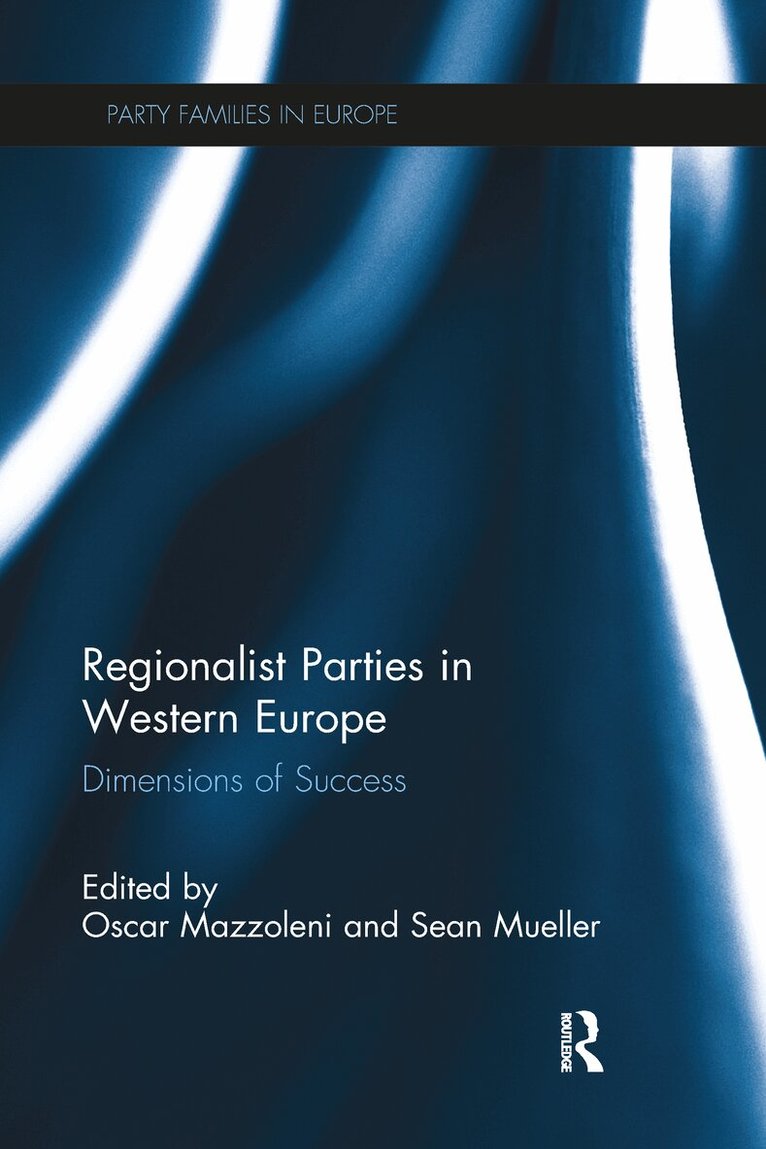
Regionalist parties matter. Over the past 40 years, they have played an ever-larger role in West European democracies. Because of their relevance and temporal persistence, their achievements have increasingly become visible not only in electoral arena, but also as regards holding office and policy-making. Enhancing our understanding of these different dimensions of success, this book analyses various types of regionalist party success. Beyond conventional perspectives, the focus of this book is also on how the dimensions of success are related to each other, and in particular to what extent electoral and office success – jointly or alternatively – contribute to policy success. Adopting a common theoretical framework and combining the in-depth knowledge of country experts, each chapter explores the evolution and impact of regionalist parties in regional or federal states, that is the UK, Germany, Italy, Spain, Belgium, and Switzerland. This allows for a comprehensive and comparative analysis of one of the main political challenges within West-European democracies.
2 181 kr
Skickas inom 10-15 vardagar
The emergence of green parties throughout Europe during the 1980s marked the arrival of a new form of political movement, challenging established models of party politics and putting new issues on the political agenda. Since their emergence, green parties in Europe have faced different destinies; in countries such as Germany, Belgium, Finland, France, and Italy, they have accumulated electoral successes, participated in governments, implemented policies and established themselves as part of the party system. In other countries, their political relevance remains very limited. After more than 30 years on the political scene, green parties have proven to be more than just a temporary phenomenon. They have lost their newness, faced success and failure, power and opposition, grassroots enthusiasm and internal conflicts. Green Parties in Europe includes individual case studies and a comparative perspective to bring together international specialists engaged in the study of green parties. It renews and expands our knowledge about the green party family in Europe.
2 181 kr
Skickas inom 10-15 vardagar
Regionalist parties matter. Over the past 40 years, they have played an ever-larger role in West European democracies. Because of their relevance and temporal persistence, their achievements have increasingly become visible not only in electoral arena, but also as regards holding office and policy-making. Enhancing our understanding of these different dimensions of success, this book analyses various types of regionalist party success. Beyond conventional perspectives, the focus of this book is also on how the dimensions of success are related to each other, and in particular to what extent electoral and office success – jointly or alternatively – contribute to policy success. Adopting a common theoretical framework and combining the in-depth knowledge of country experts, each chapter explores the evolution and impact of regionalist parties in regional or federal states, that is the UK, Germany, Italy, Spain, Belgium, and Switzerland. This allows for a comprehensive and comparative analysis of one of the main political challenges within West-European democracies.