Perspectives on Creativity – serie
Visar alla böcker i serien Perspectives on Creativity. Handla med fri frakt och snabb leverans.
12 produkter
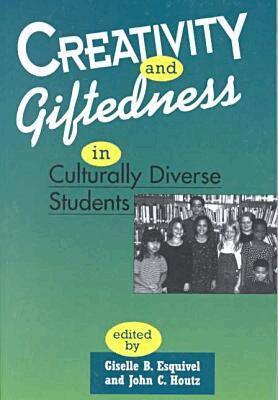
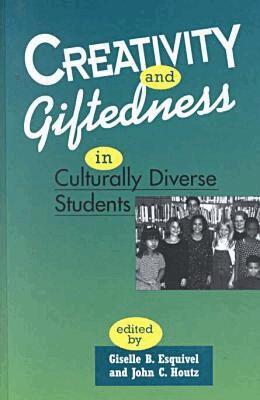
Creativity and Giftedness in Culturally Diverse Students
Av Giselle B. Esquivel, John C. Houtz
Häftad, 1998
281 kr
Lägg i varukorg
This text provides a perspective for understanding creativity and giftedness in culturally and linguistically diverse children within an educational setting. It covers issues of identification and assessment, and development of interventions and programmes to enhance these students' abilities.
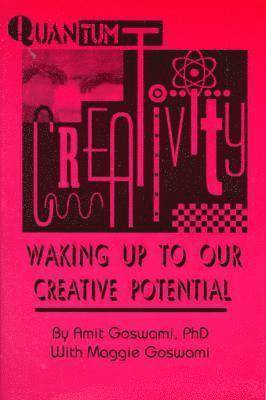
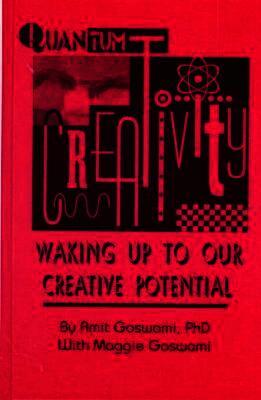
Quantum Creativity
Waking Up to Our Creative Potential
Av Amit Goswami, Maggie Goswami
Häftad, 1998
309 kr
Lägg i varukorg
The author of this volume integrates existing theories of creativity with quantum physics-based experimental data. He supports his theory with practices toward fulfilling one's creative potential.
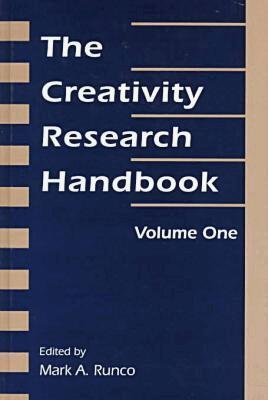
Creativity Research Handbook V. 1
Häftad, 1996
310 kr
Lägg i varukorg
For years the research on creativity has been divided into person, process, product and press (environment) foci. However, the field is now much more extensive and diverse than it was when this scheme was proposed, and these four categories no longer catpure its essence. ""The Creativity Research …
Reclaiming the Wasteland
TV and Gifted Children
Inbunden, 1995
578 kr
Tillfälligt slut
A study which aims to promote an awareness of the potentially negative and positive aspects of viewing television by gifted chidren. It offers suggestions on how to emphasise the more positive learning aspects and avoid the more negative outcomes of the leisure activity.
Reclaiming the Wasteland
TV and Gifted Children
Häftad, 1995
224 kr
Tillfälligt slut
A study which aims to promote an awareness of the potentially negative and positive aspects of viewing television by gifted chidren. It offers suggestions on how to emphasise the more positive learning aspects and avoid the more negative outcomes of the leisure activity.
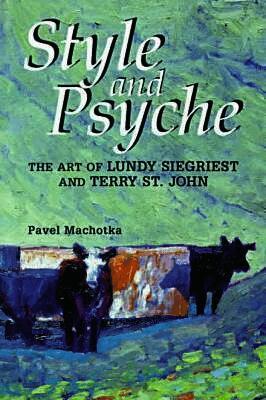
Style and Psyche
The Art of Lundy Siegriest and Terry St.John
Häftad, 1999
252 kr
Tillfälligt slut
This text examines two landscape painters who worked side-by-side. Observing them at work, interviewing them at length and studying their cognitive approaches, he draws a picture of their life, work and style - concluding that the artists paint in a way that satisfied their cognitive approaches.
Creativity and Giftedness in Culturally Diverse Students
Av Giselle B. Esquivel, John C. Houtz
Inbunden, 1998
633 kr
Tillfälligt slut
This text provides a perspective for understanding creativity and giftedness in culturally and linguistically diverse children within an educational setting. It covers issues of identification and assessment, and development of interventions and programmes to enhance these students' abilities.
Quantum Creativity
Waking Up to Our Creative Potential
Av Amit Goswami, Maggie Goswami
Inbunden, 1998
769 kr
Tillfälligt slut
The author of this volume integrates existing theories of creativity with quantum physics-based experimental data. He supports his theory with practices toward fulfilling one's creative potential.
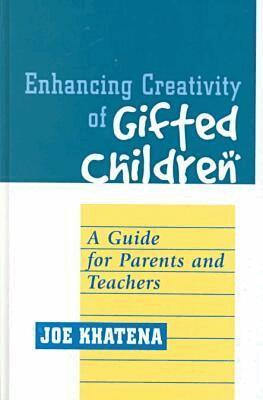
Enhancing Creativity of Gifted Children
A Guide for Parents and Teachers
Av Joe Khatena
Inbunden, 1999
633 kr
Tillfälligt slut
A guide for parents and teachers who want to be involved in enhancing the creativity of gifted children. Specific measures of creativity that may be used to identify gifted children are described as are the abilities of children to learn school subjects, lead others, and perform in the arts. …
Enhancing Creativity of Gifted Children
A Guide for Parents and Teachers
Av Joe Khatena
Häftad, 1999
279 kr
Tillfälligt slut
A guide for parents and teachers who want to be involved in enhancing the creativity of gifted children. Specific measures of creativity that may be used to identify gifted children are described as are the abilities of children to learn school subjects, lead others, and perform in the arts. …
Flexible Thinking
An Explanation for Individual Differences in Ability
Av University of Maribor, Slovenia), Nobert Jausovec (Pedagoska Fakulteta
Inbunden, 1994
496 kr
Tillfälligt slut
This volume presents research on individual differences in ability. It examines the view of ability not just as intelligence, but as creativity and competence in dealing with problems. By dealing with the creative process and not just the creative product, the book offers fresh theories.
Creativity Research Handbook V. 1
Inbunden, 1996
822 kr
Tillfälligt slut
For years the research on creativity has been divided into person, process, product and press (environment) foci. However, the field is now much more extensive and diverse than it was when this scheme was proposed, and these four categories no longer catpure its essence. ""The Creativity Research …