Philosophy in the Roman World - Böcker
Visar alla böcker i serien Philosophy in the Roman World. Handla med fri frakt och snabb leverans.
4 produkter
4 produkter
2 100 kr
Skickas inom 10-15 vardagar
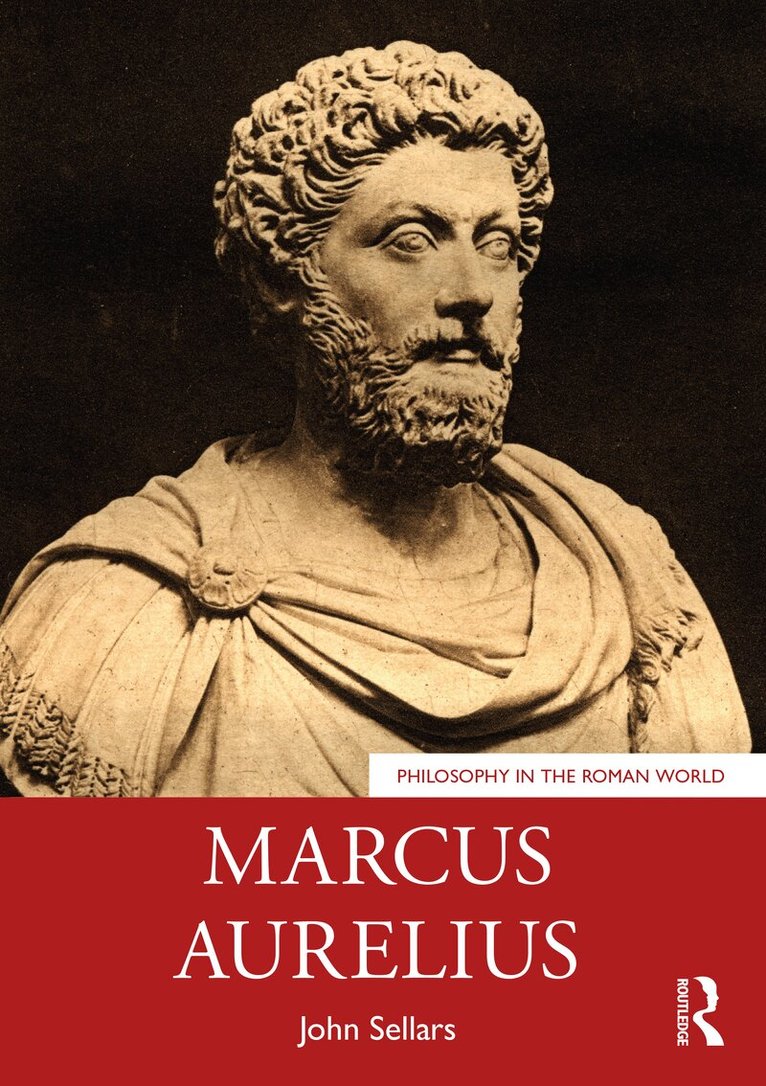
In this new study, John Sellars offers a fresh examination of Marcus Aurelius’ Meditations as a work of philosophy by placing it against the background of the tradition of Stoic philosophy to which Marcus was committed. The Meditations of Marcus Aurelius is a perennial bestseller, attracting countless readers drawn to its unique mix of philosophical reflection and practical advice. The emperor is usually placed alongside Seneca and Epictetus as one of three great Roman Stoic authors, but he wears his philosophy lightly, not feeling the need to state explicitly the ideas standing behind the reflections that he was writing for himself. As a consequence, his standing as a philosopher has often been questioned. Challenging claims that Marcus Aurelius was merely an eclectic thinker, that the Meditations do not fit the model of a work of philosophy, that there are no arguments in the work, and that it only contains superficial moral advice, Sellars shows that he was in constant dialogue with his Stoic predecessors, engaging with themes drawn from all three parts of Stoicism: logic, physics, and ethics. The image of Marcus Aurelius that emerges is of a committed Stoic, engaging with a wide range of philosophical topics, motivated by the desire to live a good life. This volume will be of interest to scholars and students of both Classics and Philosophy.
574 kr
Skickas inom 10-15 vardagar
In this new study, John Sellars offers a fresh examination of Marcus Aurelius’ Meditations as a work of philosophy by placing it against the background of the tradition of Stoic philosophy to which Marcus was committed. The Meditations of Marcus Aurelius is a perennial bestseller, attracting countless readers drawn to its unique mix of philosophical reflection and practical advice. The emperor is usually placed alongside Seneca and Epictetus as one of three great Roman Stoic authors, but he wears his philosophy lightly, not feeling the need to state explicitly the ideas standing behind the reflections that he was writing for himself. As a consequence, his standing as a philosopher has often been questioned. Challenging claims that Marcus Aurelius was merely an eclectic thinker, that the Meditations do not fit the model of a work of philosophy, that there are no arguments in the work, and that it only contains superficial moral advice, Sellars shows that he was in constant dialogue with his Stoic predecessors, engaging with themes drawn from all three parts of Stoicism: logic, physics, and ethics. The image of Marcus Aurelius that emerges is of a committed Stoic, engaging with a wide range of philosophical topics, motivated by the desire to live a good life. This volume will be of interest to scholars and students of both Classics and Philosophy.
2 096 kr
Skickas inom 10-15 vardagar
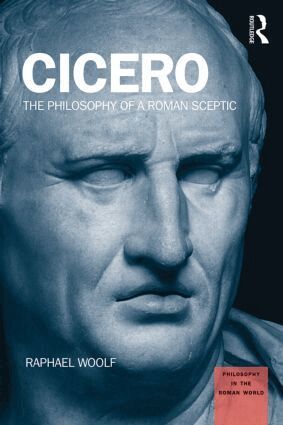
Cicero’s philosophical works introduced Latin audiences to the ideas of the Stoics, Epicureans and other schools and figures of the post-Aristotelian period, thus influencing the transmission of those ideas through later history. While Cicero’s value as documentary evidence for the Hellenistic schools is unquestioned, Cicero: The Philosophy of a Roman Sceptic explores his writings as works of philosophy that do more than simply synthesize the thought of others, but instead offer a unique viewpoint of their own. In this volume Raphael Woolf describes and evaluates Cicero’s philosophical achievements, paying particular attention to his relation to those philosophers he draws upon in his works, his Romanizing of Greek philosophy, and his own sceptical and dialectical outlook. The volume aims, using the best tools of philosophical, philological and historical analysis, to do Cicero justice as a distinctive philosophical voice.Situating Cicero’s work in its historical and political context, this volume provides a detailed analysis of the thought of one of the finest orators and writers of the Roman period. Written in an accessible and engaging style, Cicero: The Philosophy of a Roman Sceptic is a key resource for those interested in Cicero’s role in shaping Classical philosophy.
654 kr
Skickas inom 10-15 vardagar
Cicero’s philosophical works introduced Latin audiences to the ideas of the Stoics, Epicureans and other schools and figures of the post-Aristotelian period, thus influencing the transmission of those ideas through later history. While Cicero’s value as documentary evidence for the Hellenistic schools is unquestioned, Cicero: The Philosophy of a Roman Sceptic explores his writings as works of philosophy that do more than simply synthesize the thought of others, but instead offer a unique viewpoint of their own. In this volume Raphael Woolf describes and evaluates Cicero’s philosophical achievements, paying particular attention to his relation to those philosophers he draws upon in his works, his Romanizing of Greek philosophy, and his own sceptical and dialectical outlook. The volume aims, using the best tools of philosophical, philological and historical analysis, to do Cicero justice as a distinctive philosophical voice.Situating Cicero’s work in its historical and political context, this volume provides a detailed analysis of the thought of one of the finest orators and writers of the Roman period. Written in an accessible and engaging style, Cicero: The Philosophy of a Roman Sceptic is a key resource for those interested in Cicero’s role in shaping Classical philosophy.