Capitalism, Power and the Imperial State - Böcker
Visar alla böcker i serien Capitalism, Power and the Imperial State. Handla med fri frakt och snabb leverans.
8 produkter
8 produkter
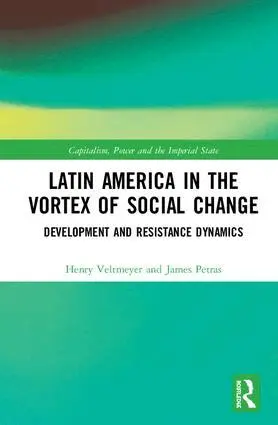
Latin America in the Vortex of Social Change
Development and Resistance Dynamics
Inbunden, Engelska, 2019
2 317 kr
Skickas inom 10-15 vardagar
This book explores the dynamics of the recent ‘progressive cycle’ in Latin American politics, associated with a red and pink tide of regime change. With this cycle of centre-left regimes oriented towards an alternative post-neoliberal form of development now coming to an end, coinciding with the end of a ‘primary commodities boom’ (the demand for natural resources exported in primary form on the world market), the authors seek to explore the dynamics of the transition from a progressive cycle of regimes oriented towards the search for a more inclusive form of development towards what appears to be another swing in the pendulum of electoral politics towards the far right and a return to neoliberal orthodoxy.Within the vortex of forces of change pushing towards both the Left and the Right, Latin America lies at the centre of ongoing heated theoretical and political debates as to how to bring about a more inclusive and sustainable form of post-neoliberal and post-capitalist development. Latin America in the Vortex of Social Change crucially aims to cut through these debates and explore the dynamics of the forces of change at work in the current conjuncture of capitalist development. With reference to a theoretical framework based on the interaction of three different forms of capitalism (capitalism as usual, extractive capitalism, narco-capitalism), the authors proceed to an analysis of the development and resistance dynamics of the development process that is unfolding on the Latin American political landscape. The book will appeal to scholars of political sociology and political theory with an interest in the political economy of development and Latin American affairs.
2 113 kr
Skickas inom 10-15 vardagar
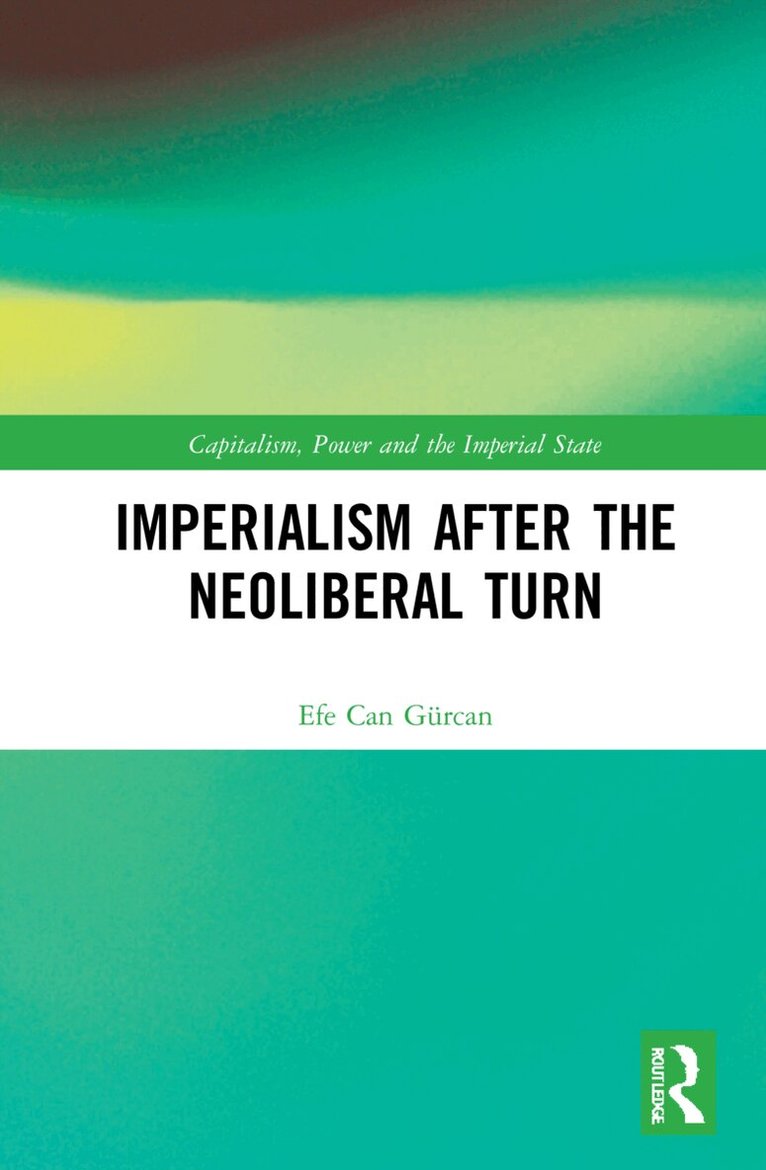
This book explores how imperialism has been evolving in the neoliberal era, with the aim of providing a systematic and integrative understanding of the inner dynamics and vulnerabilities of the contemporary imperialist system. Asking how it has been possible to sustain an imperialist system that fails to address the problems of unemployment, declining standards of living and globalizing conflicts, the author draws upon theoretical and empirical contributions from the current literature to further recent efforts at re-conceptualizing imperialism under the conditions of neoliberal globalization and advances a critique of the school of transnationalism in global political economy. The author puts forward that contemporary imperialism rests on a triangular structure composed of (a) economic imperialism, which is driven by a neoliberal logic of maximizing monopoly profits at massive societal costs; (b) military imperialism, which is shaped by the neoliberal transformation of the US military-industrial complex with the rise of private armies, the globalization of narcocapitalism, and the weaponization of Islamist terrorism and ethno-religious divides; and (c) cultural imperialism, which is led by the media- and nonprofit-corporate complexes, having weaponized the media and civil society in manufacturing popular consent. The book’s arguments are also extended to the current challenges of imperialism embodied in the rise of the BRICS, post-hegemonic forms of regional cooperation, and global popular resistance. As such, it will appeal to scholars of politics and sociology with interests in globalization, imperialism, capitalism, and global power.Recipient of the 2023 Distinguished Achievement Award in Political Economy from the World Association for Political Economy (WAPE).
2 113 kr
Skickas inom 10-15 vardagar
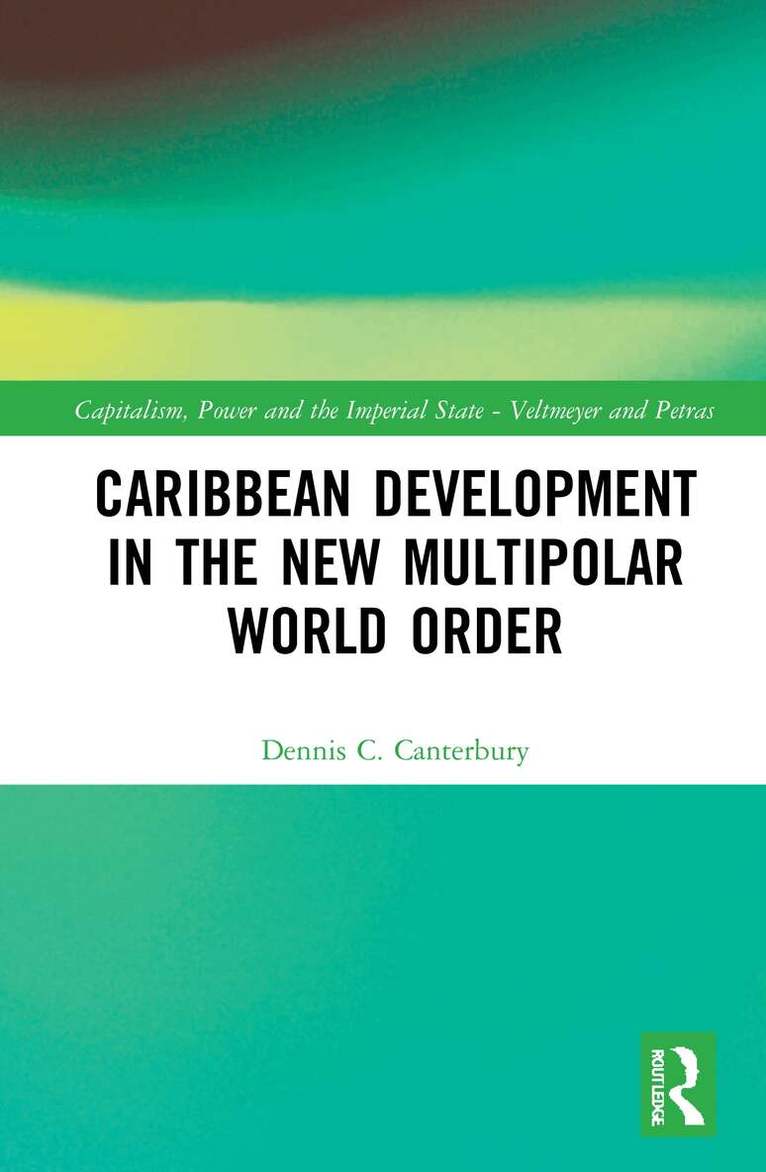
This book addresses the subject of critical development alternatives for the Caribbean Community (CARICOM) states in a post-neoliberal, new multipolar world order based on competition and co-operation by the United States, the European Union, China, and Russia for natural resources and markets. Neoliberal globalization has traditionally restricted economic and political activities in the Caribbean region to Western-style free-market capitalism and liberal democracy. However, through an exploration of the new multipolar world order, which replaces the US-led unipolar global order that existed since the collapse of the former Soviet Union, the author argues that today, the Caribbean Community states now have real economic and political options for development alternatives. Through examining how countries such as China and Russia have risen to economic success in recent years, the book seeks to explore how the Caribbean Community states might adopt such features which would allow them to formulate "another" development, such as introducing measures which can bring about a reconciliation between resource use and endowment, and reduce inequalities. As such, it will appeal to scholars of sociology and development studies with interests in the Caribbean region and world order.
637 kr
Skickas inom 10-15 vardagar
This book addresses the subject of critical development alternatives for the Caribbean Community (CARICOM) states in a post-neoliberal, new multipolar world order based on competition and co-operation by the United States, the European Union, China, and Russia for natural resources and markets. Neoliberal globalization has traditionally restricted economic and political activities in the Caribbean region to Western-style free-market capitalism and liberal democracy. However, through an exploration of the new multipolar world order, which replaces the US-led unipolar global order that existed since the collapse of the former Soviet Union, the author argues that today, the Caribbean Community states now have real economic and political options for development alternatives. Through examining how countries such as China and Russia have risen to economic success in recent years, the book seeks to explore how the Caribbean Community states might adopt such features which would allow them to formulate "another" development, such as introducing measures which can bring about a reconciliation between resource use and endowment, and reduce inequalities. As such, it will appeal to scholars of sociology and development studies with interests in the Caribbean region and world order.
Latin America in the Vortex of Social Change
Development and Resistance Dynamics
Häftad, Engelska, 2020
700 kr
Skickas inom 10-15 vardagar
This book explores the dynamics of the recent ‘progressive cycle’ in Latin American politics, associated with a red and pink tide of regime change. With this cycle of centre-left regimes oriented towards an alternative post-neoliberal form of development now coming to an end, coinciding with the end of a ‘primary commodities boom’ (the demand for natural resources exported in primary form on the world market), the authors seek to explore the dynamics of the transition from a progressive cycle of regimes oriented towards the search for a more inclusive form of development towards what appears to be another swing in the pendulum of electoral politics towards the far right and a return to neoliberal orthodoxy.Within the vortex of forces of change pushing towards both the Left and the Right, Latin America lies at the centre of ongoing heated theoretical and political debates as to how to bring about a more inclusive and sustainable form of post-neoliberal and post-capitalist development. Latin America in the Vortex of Social Change crucially aims to cut through these debates and explore the dynamics of the forces of change at work in the current conjuncture of capitalist development. With reference to a theoretical framework based on the interaction of three different forms of capitalism (capitalism as usual, extractive capitalism, narco-capitalism), the authors proceed to an analysis of the development and resistance dynamics of the development process that is unfolding on the Latin American political landscape. The book will appeal to scholars of political sociology and political theory with an interest in the political economy of development and Latin American affairs.
618 kr
Skickas inom 10-15 vardagar
This book explores how imperialism has been evolving in the neoliberal era, with the aim of providing a systematic and integrative understanding of the inner dynamics and vulnerabilities of the contemporary imperialist system. Asking how it has been possible to sustain an imperialist system that fails to address the problems of unemployment, declining standards of living and globalizing conflicts, the author draws upon theoretical and empirical contributions from the current literature to further recent efforts at re-conceptualizing imperialism under the conditions of neoliberal globalization and advances a critique of the school of transnationalism in global political economy. The author puts forward that contemporary imperialism rests on a triangular structure composed of (a) economic imperialism, which is driven by a neoliberal logic of maximizing monopoly profits at massive societal costs; (b) military imperialism, which is shaped by the neoliberal transformation of the US military-industrial complex with the rise of private armies, the globalization of narcocapitalism, and the weaponization of Islamist terrorism and ethno-religious divides; and (c) cultural imperialism, which is led by the media- and nonprofit-corporate complexes, having weaponized the media and civil society in manufacturing popular consent. The book’s arguments are also extended to the current challenges of imperialism embodied in the rise of the BRICS, post-hegemonic forms of regional cooperation, and global popular resistance. As such, it will appeal to scholars of politics and sociology with interests in globalization, imperialism, capitalism, and global power.Recipient of the 2023 Distinguished Achievement Award in Political Economy from the World Association for Political Economy (WAPE).
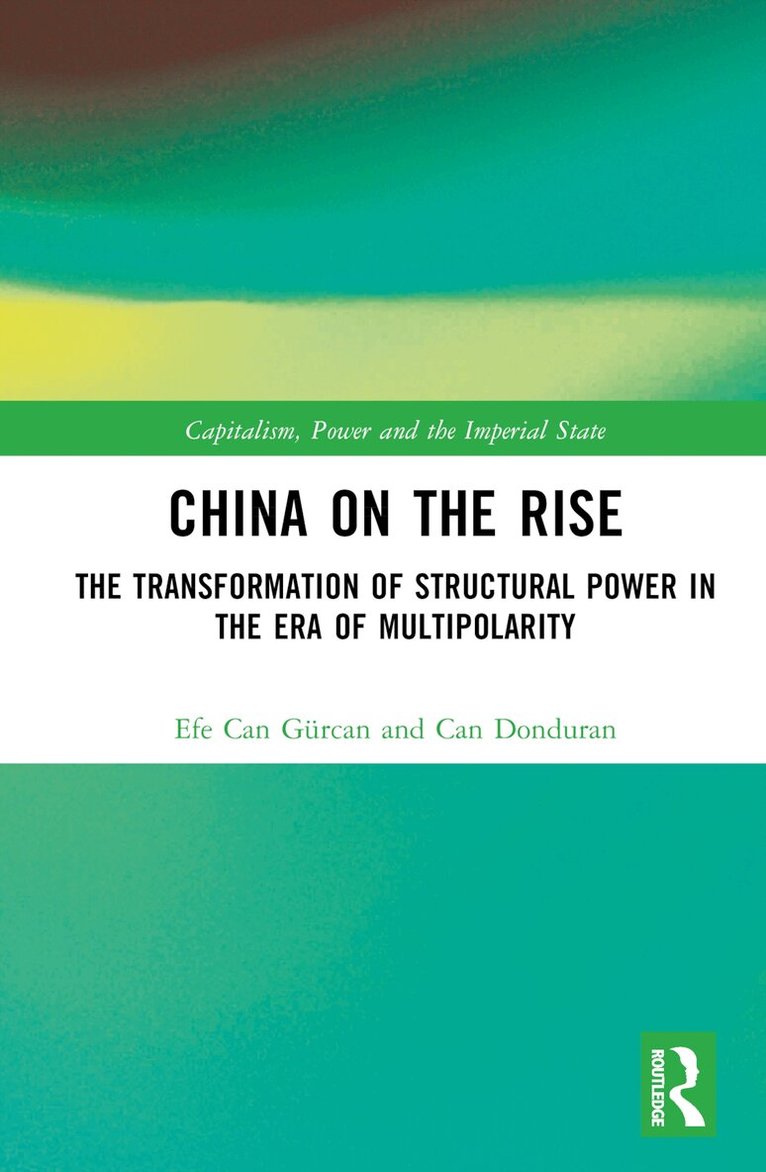
China on the Rise
The Transformation of Structural Power in the Era of Multipolarity
Inbunden, Engelska, 2024
2 113 kr
Skickas inom 10-15 vardagar
This book analyses China’s multidimensional rise in the context of the international political economy, drawing on Susan Strange’s concept of "structural power."Examining the sources of Chinese power along with its geopolitical, economic, and cultural reflections, the authors consider how China’s rise is linked with the incremental process of multipolarization in world politics.Providing a systematic, analytical, and empirically rich account of China's surge in the international political economy, this study will appeal to scholars, policy-makers, and students with interests in China studies, international political economy, and international relations.
China on the Rise
The Transformation of Structural Power in the Era of Multipolarity
Häftad, Engelska, 2025
632 kr
Skickas inom 10-15 vardagar
This book analyses China’s multidimensional rise in the context of the international political economy, drawing on Susan Strange’s concept of "structural power."Examining the sources of Chinese power along with its geopolitical, economic, and cultural reflections, the authors consider how China’s rise is linked with the incremental process of multipolarization in world politics.Providing a systematic, analytical, and empirically rich account of China's surge in the international political economy, this study will appeal to scholars, policy-makers, and students with interests in China studies, international political economy, and international relations.