Prevention in Practice Library – serie
Visar alla böcker i serien Prevention in Practice Library. Handla med fri frakt och snabb leverans.
18 produkter
18 produkter
Häftad, Engelska, 1996
565 kr
Skickas inom 10-15 vardagar
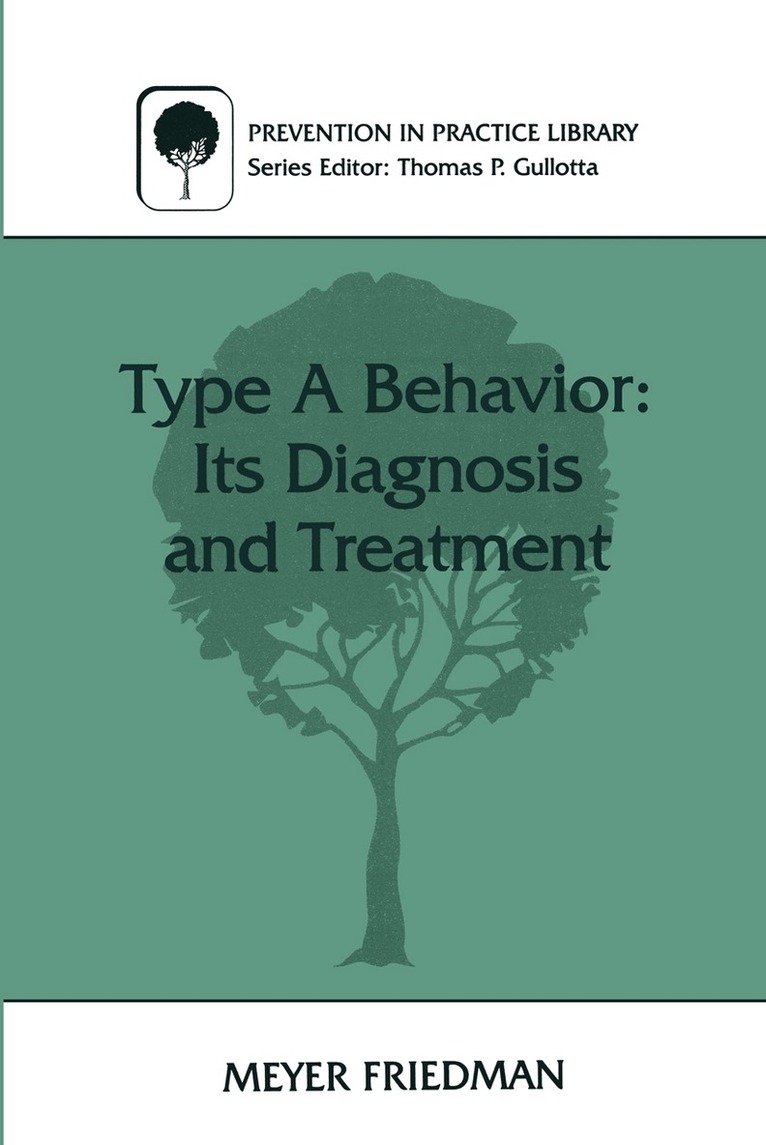
Meyer Friedman, the physician who first identified Type A behavior (TAB), here offers a full description of the most effective way to correctly diagnose it. This guidebook offers a step-by-step description of his revolutionary method that has proven successful in treating thousands of TAB sufferers, in many cases, alleviating it completely. A truly unique resource, Type A Behavior features drawings and photographs illustrating the psychomotor signs of TAB. A special appendix lists a series of quotations found especially useful for changing some of the false belief systems held by TAB subjects.
Häftad, Engelska, 1997
1 122 kr
Skickas inom 10-15 vardagar
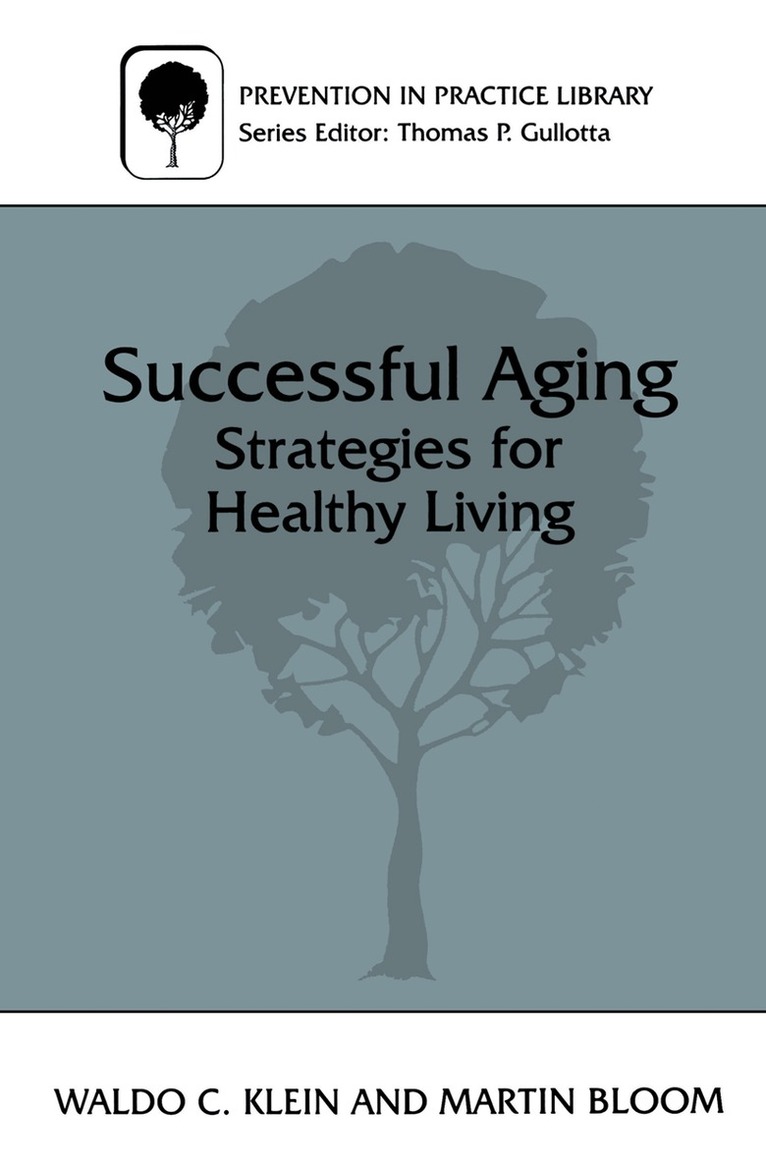
Instead, it is about the things that individuals - and the helping professionals who provide them with counsel and assistance - can do to prevent the preventable problems of advancing age, and to better manage those changes in functioning that cannot be prevented.
Inbunden, Engelska, 1997
1 122 kr
Skickas inom 10-15 vardagar
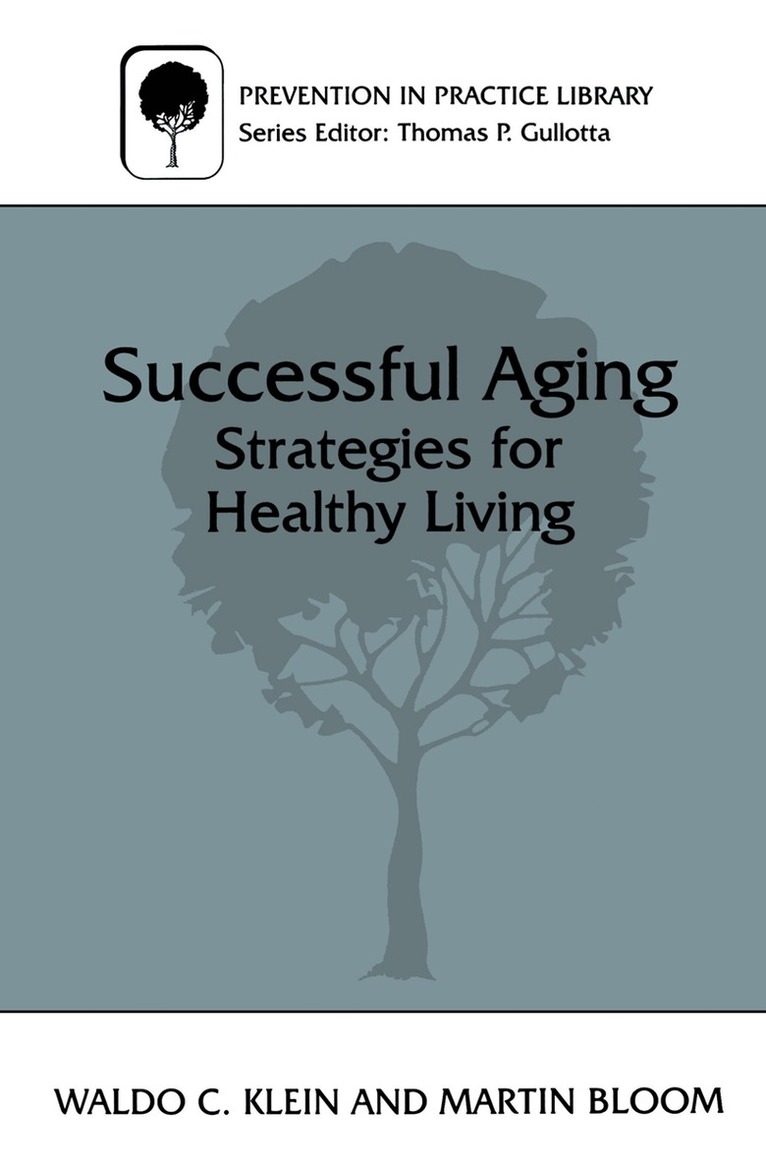
There is a near-universal folk saying that everyone wishes to live a good long life, but no one wishes for old age. More contemporarily, the rock and roll band, Little Feat, sang, "You know that you're over the hill when your mind's making promises your body can't fill. " This book is about the good long life. It is a book about primary prevention strategies in the aging process; it is not about preventing that process. It is not about being old. Instead, it is about the things that individuals - and the helping professionals who provide them with counsel and assistance - can do to prevent the preventable problems of advancing age, and to better manage those changes in functioning that cannot be prevented. In short, it is about extending all our capacities to the fullest so that we can better keep all those promises that we make to ourselves and others. Aging is a life-long process. We focus here on the changes that are taking place in our selves and in our society as we age. In particular, we focus on what we can do to affect these changes by the choices we make and how we live. This book offers primary prevention strategies for mature and older adults, with the recognition that mature adulthood starts as soon as we are old enough to truly appreciate our active role in our own aging processes.
Inbunden, Engelska, 1998
565 kr
Skickas inom 10-15 vardagar
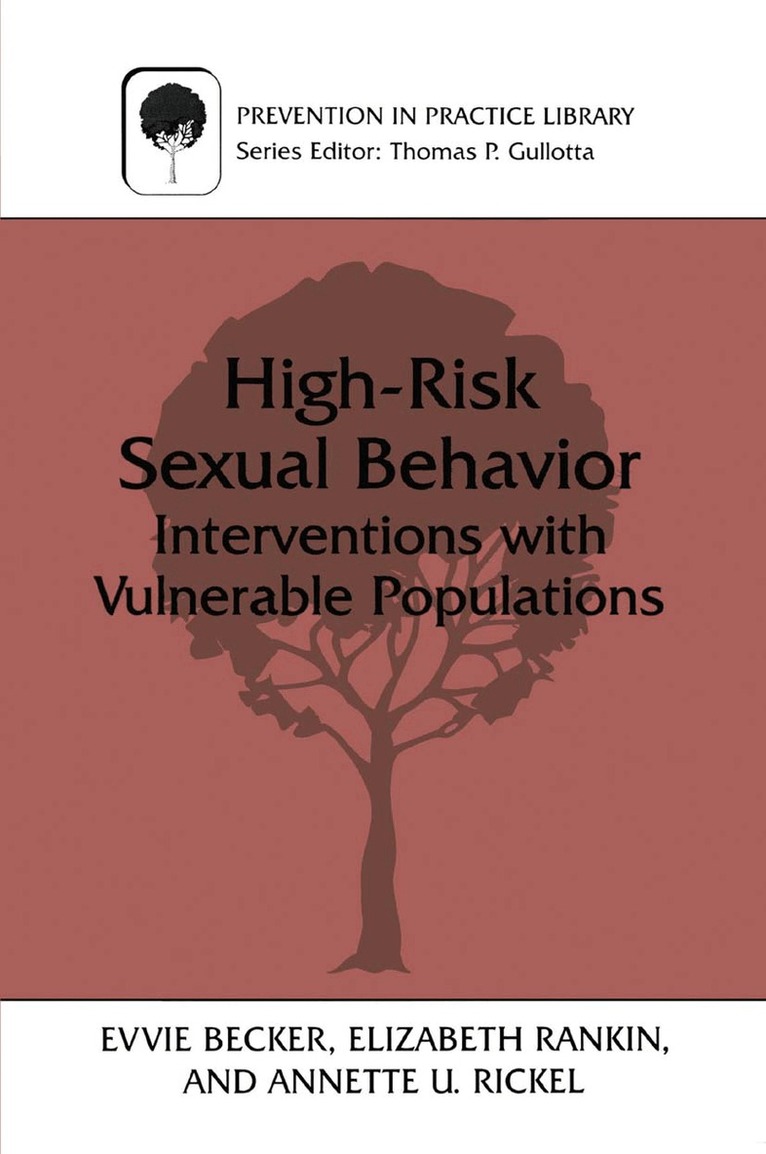
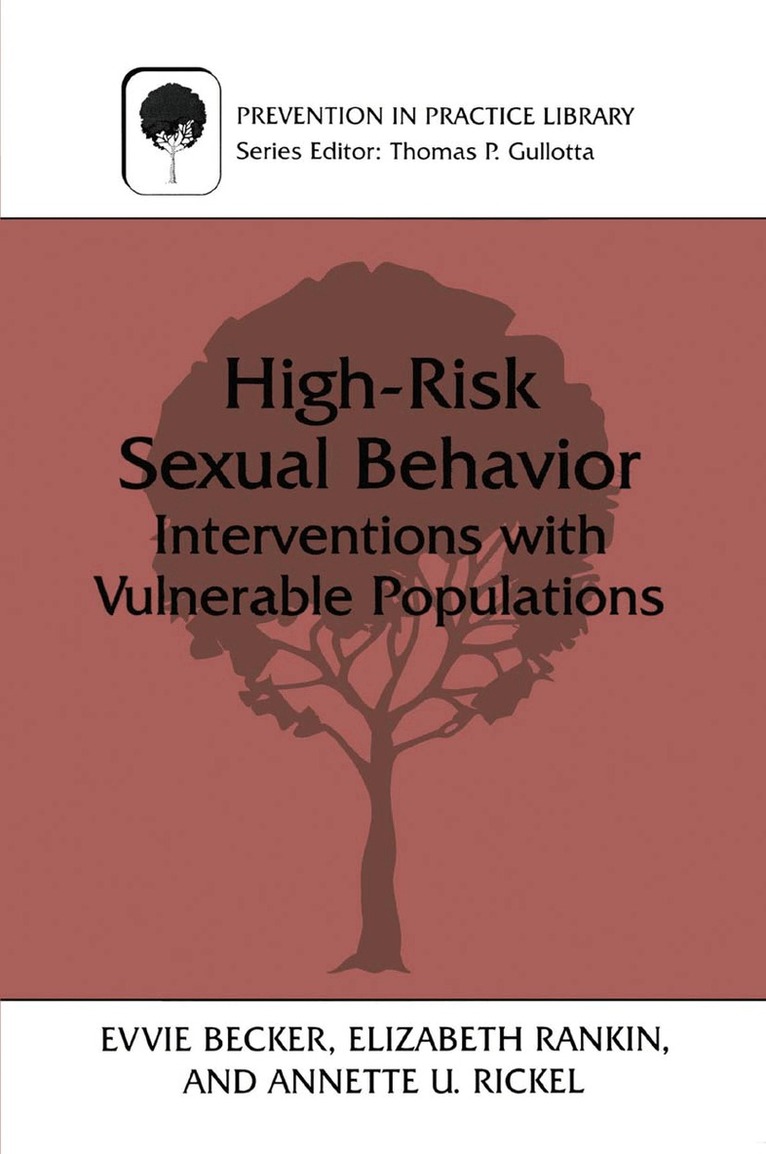
High-risk sexual behavior has been linked to social problems such as substance abuse, domestic violence, homelessness, and deprivation. This volume's unique multidisciplinary biopsychosocial approach combines relevant medical information regarding disease states with the cultural, social, and psychological facets of successful prevention programs. Becker and Rankin outline specific interventions that address the needs of particularly vulnerable populations: women, ethnic minorities, and the gay community. Useful chapter summaries which review the pros and cons of different approaches will aid both the student and the practitioner.
Häftad, Engelska, 1998
565 kr
Skickas inom 10-15 vardagar
High-risk sexual behavior has been linked to social problems such as substance abuse, domestic violence, homelessness, and deprivation. This volume's unique multidisciplinary biopsychosocial approach combines relevant medical information regarding disease states with the cultural, social, and psychological facets of successful prevention programs. Becker and Rankin outline specific interventions that address the needs of particularly vulnerable populations: women, ethnic minorities, and the gay community. Useful chapter summaries which review the pros and cons of different approaches will aid both the student and the practitioner.
Häftad, Engelska, 1998
565 kr
Skickas inom 10-15 vardagar
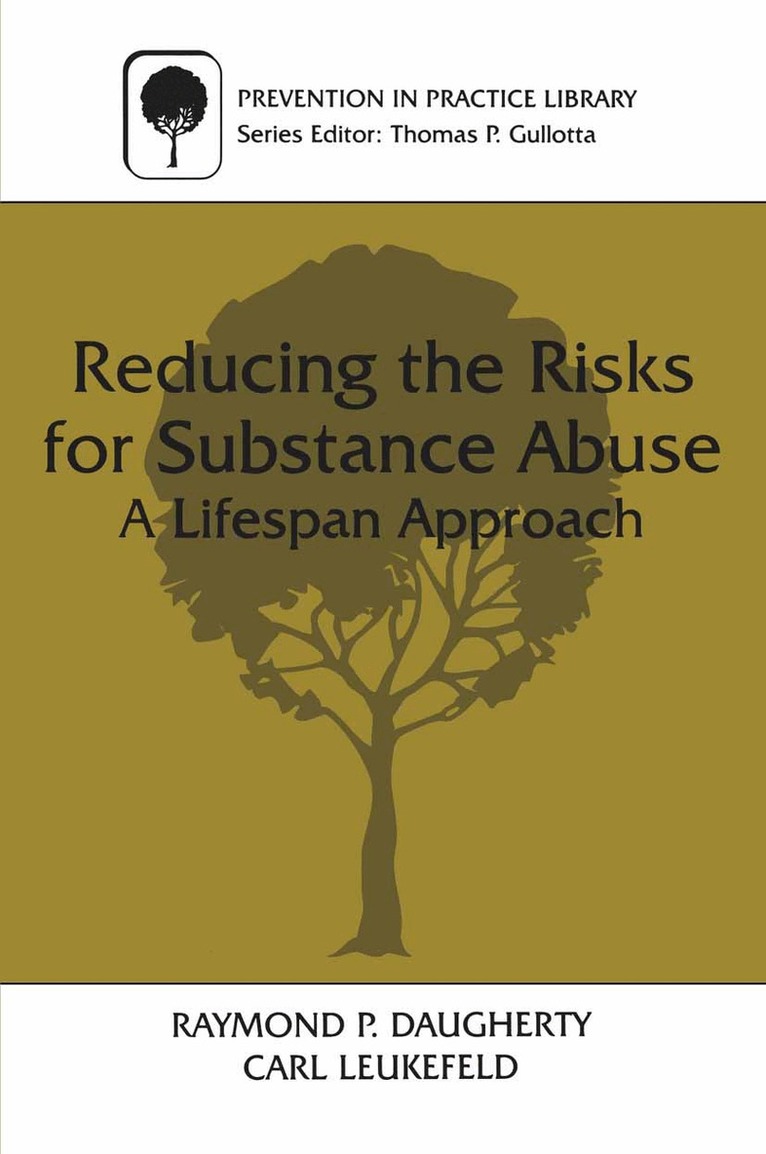
Authors Raymond P. Daugherty and Carl Leukefeld argue for replacing the youth-based, `zero tolerance' approach to substance abuse prevention that has been dominant in the field over the past two decades. Their dynamic alternative is the Lifestyle Risk Reduction Model, which revises standard prevention strategies to make them relevant throughout the entire life span. Features of this revolutionary new paradigm include Five Principles of Lifestyle Risk Reduction (LRR), Five Conditions of Effective LRR, and the LLR Formulas.
Inbunden, Engelska, 1999
2 238 kr
Skickas inom 10-15 vardagar
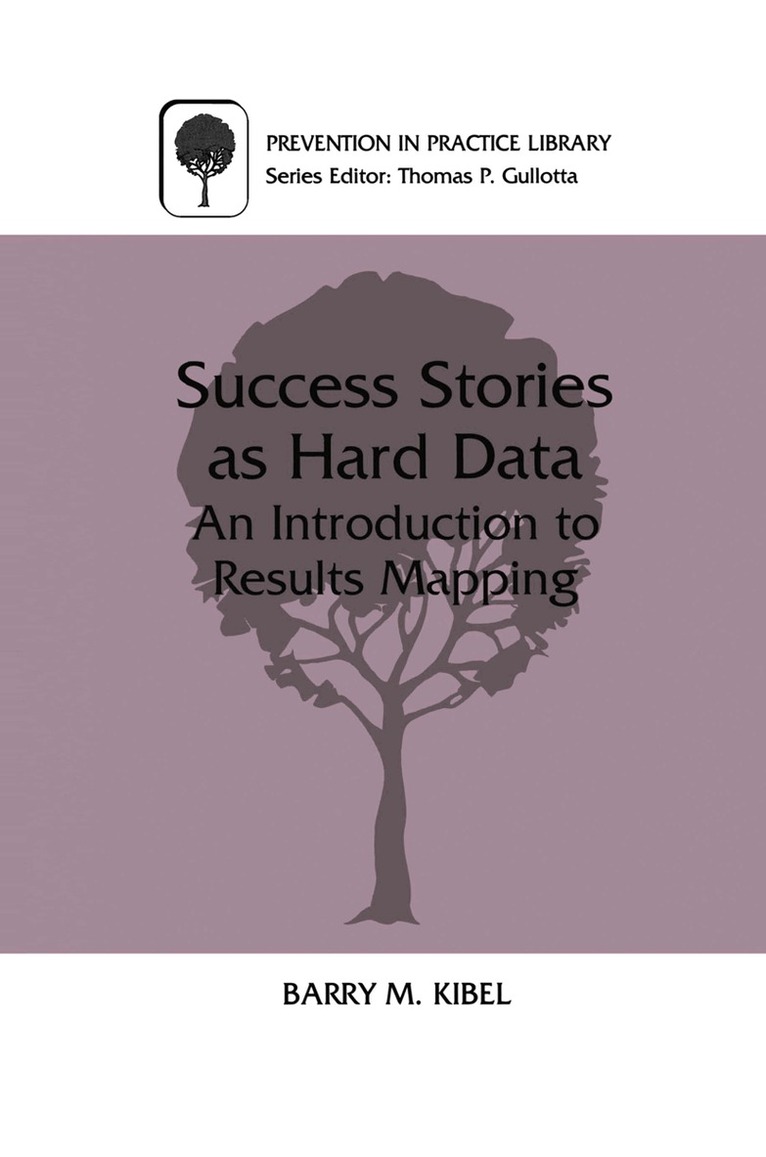
This book offers the first comprehensive introduction to Results Mapping, an in novative approach for assessing the worth of hard-to-evaluate social, health, and education programs. Results Mapping represents a true milestone in program evaluation-a milestone both as methodology for program accountability and as a technique for program improvement. It is relevant across a wide spectrum of pub lic health, social service, and systems-building initiatives. It introduces "new sci ence" into the field of program evaluation. It merges common sense with structured logic. It retains the richness of real world success stories without sacri ficing a hard-nosed focus on quantitative data and measurable outcomes. The contents of this book are directly pertinent for program leadership and staff, for sponsors and funders in the public and private sectors, and for those charged with assessing, documenting and analyzing the effects of program activ ity. Success Stories as Hard Data is designed to be readable, practical, and clear. Its author does not ignore previous scholarly work, but chooses to emphasize real world applications. For this Dr. Kibei is to be applauded.
Häftad, Engelska, 1999
2 238 kr
Skickas inom 10-15 vardagar
This book offers the first comprehensive introduction to Results Mapping, an in novative approach for assessing the worth of hard-to-evaluate social, health, and education programs. Results Mapping represents a true milestone in program evaluation-a milestone both as methodology for program accountability and as a technique for program improvement. It is relevant across a wide spectrum of pub lic health, social service, and systems-building initiatives. It introduces "new sci ence" into the field of program evaluation. It merges common sense with structured logic. It retains the richness of real world success stories without sacri ficing a hard-nosed focus on quantitative data and measurable outcomes. The contents of this book are directly pertinent for program leadership and staff, for sponsors and funders in the public and private sectors, and for those charged with assessing, documenting and analyzing the effects of program activ ity. Success Stories as Hard Data is designed to be readable, practical, and clear. Its author does not ignore previous scholarly work, but chooses to emphasize real world applications. For this Dr. Kibei is to be applauded.
Inbunden, Engelska, 2000
1 122 kr
Skickas inom 10-15 vardagar
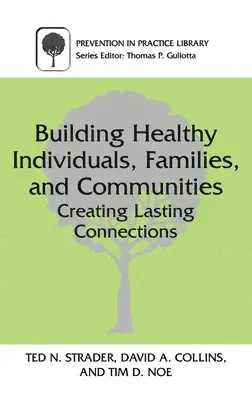
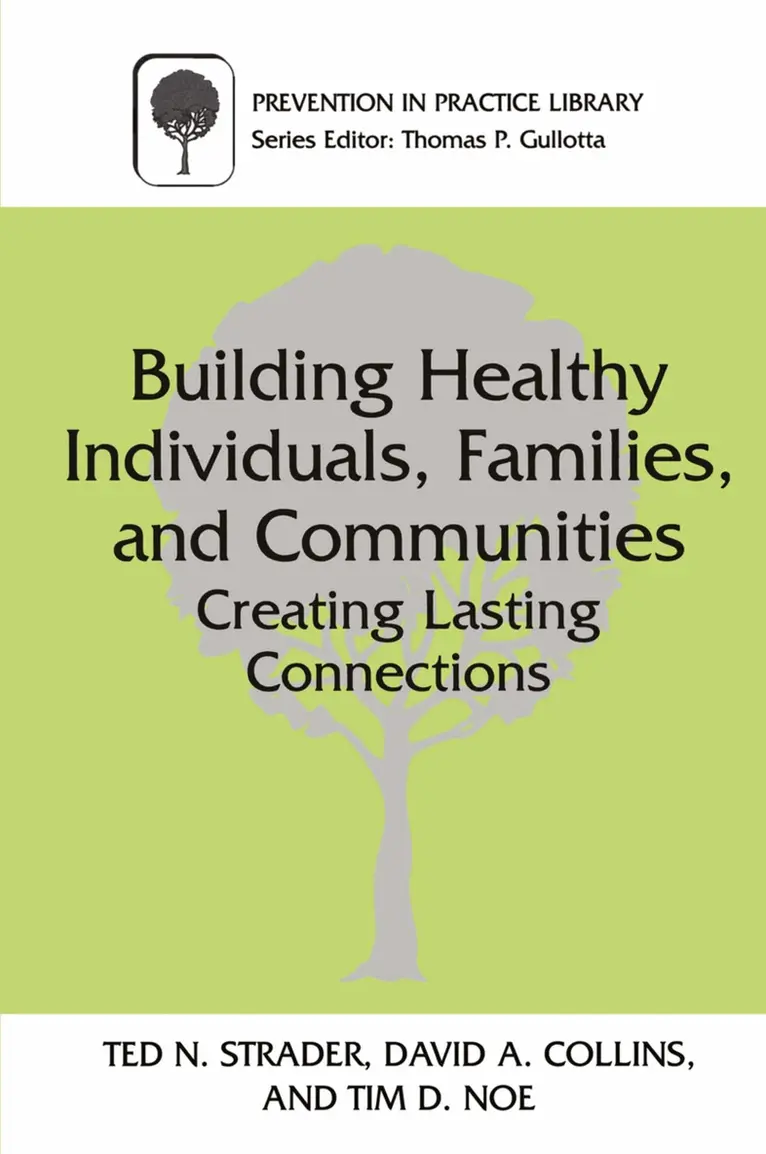
This work describes a programme, "Creating Lasting Family Connections", which is based on COPE's demonstration programme, "Creating Lasting Connections" (CLC). CLC was designed as an ecumenical, community based programme that focused on increasing community, family and individual (youth) protective factors that would lead to delaying the onset and reducing the frequency of alcohol and other drug use among at-risk 12-14 year olds. CLC received the Center for Substance Abuse Pre vention's Exemplary Prevention Program Award for 1994; it has been included in the International Youth Foundation's YouthNet International, a directory of youth programmes worldwide; finally, it was selected as one of only seven model prevention programs by the Center for Substance Abuse Prevention for national dissemination. While the programme focuses on alcohol and other drug-related issues and outcomes, much of this approach is applicable to youth and families across a larger spectrum of issues and behaviours, including violence and inappropriate sexual behaviour.
Häftad, Engelska, 2000
1 122 kr
Skickas inom 10-15 vardagar
This work describes a programme, "Creating Lasting Family Connections", which is based on COPE's demonstration programme, "Creating Lasting Connections" (CLC). CLC was designed as an ecumenical, community based programme that focused on increasing community, family and individual (youth) protective factors that would lead to delaying the onset and reducing the frequency of alcohol and other drug use among at-risk 12-14 year olds. CLC received the Center for Substance Abuse Pre vention's Exemplary Prevention Program Award for 1994; it has been included in the International Youth Foundation's YouthNet International, a directory of youth programmes worldwide; finally, it was selected as one of only seven model prevention programs by the Center for Substance Abuse Prevention for national dissemination. While the programme focuses on alcohol and other drug-related issues and outcomes, much of this approach is applicable to youth and families across a larger spectrum of issues and behaviours, including violence and inappropriate sexual behaviour.
Inbunden, Engelska, 2000
1 122 kr
Skickas inom 10-15 vardagar
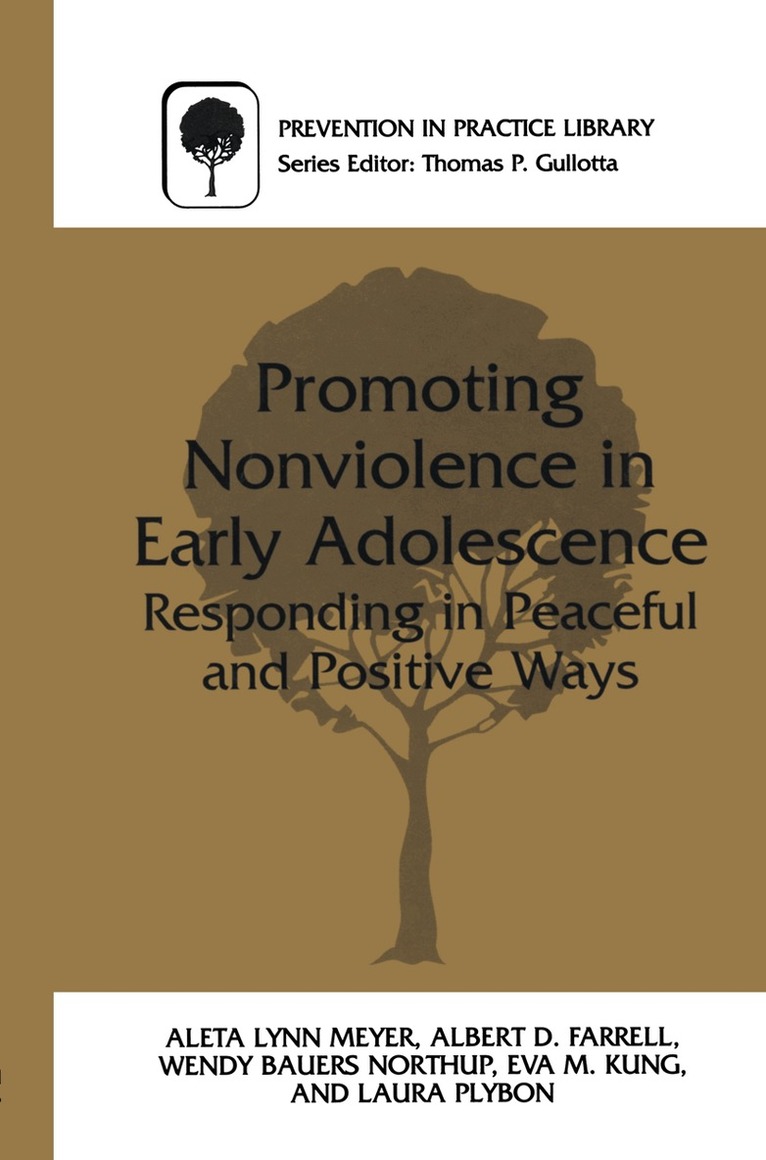
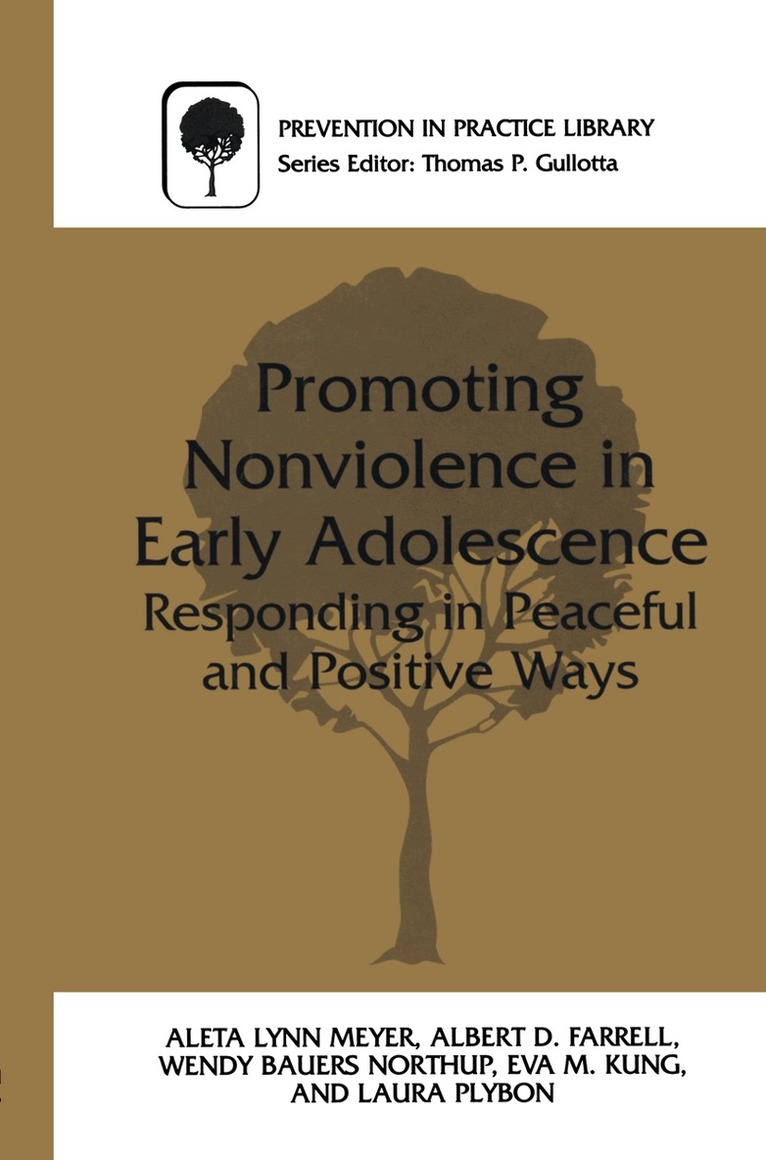
In preparation for role-play during a RIPP class, 6th grade students consider the following conflict situation: Sharon and Josie, who are good friends, tryout for the basketball team. Josie makes the team, but Sharon does not. The week after tryouts, Sharon tries to pick a fight with Josie, calling her a "cheater" and "some one the coach felt sorry for. " Josie is in a bind; she wants to remain friends with Sharon, but she is really angry with Sharon for treating her so badly. What can Josie do in this situation? What type of self-talk will help her work out this prob lem with Sharon and keep the friendship? During the role-play, Sharon calls Josie a cheater. Then, before Josie re sponds, two students representing her positive and negative sides take turns whis pering into her ear. Negative self-talk: "Boy, is she a loser! What if everyone believes her and thinks that I cheated to get on the team?!" Positive self-talk: "I know I worked hard to get on the team! Sharon must really be hurt that she didn't make it. I can talk to her later when she's cooled down, and maybe we can do something together after practice. " Josie listens to the two voices, and decides that the best approach is to ignore Sharon's comments for now and to call her later that day to see if they can do something together. This description of students dealing with everyday conflicts is quite real.
Häftad, Engelska, 2000
1 122 kr
Skickas inom 10-15 vardagar
In preparation for role-play during a RIPP class, 6th grade students consider the following conflict situation: Sharon and Josie, who are good friends, tryout for the basketball team. Josie makes the team, but Sharon does not. The week after tryouts, Sharon tries to pick a fight with Josie, calling her a "cheater" and "some one the coach felt sorry for. " Josie is in a bind; she wants to remain friends with Sharon, but she is really angry with Sharon for treating her so badly. What can Josie do in this situation? What type of self-talk will help her work out this prob lem with Sharon and keep the friendship? During the role-play, Sharon calls Josie a cheater. Then, before Josie re sponds, two students representing her positive and negative sides take turns whis pering into her ear. Negative self-talk: "Boy, is she a loser! What if everyone believes her and thinks that I cheated to get on the team?!" Positive self-talk: "I know I worked hard to get on the team! Sharon must really be hurt that she didn't make it. I can talk to her later when she's cooled down, and maybe we can do something together after practice. " Josie listens to the two voices, and decides that the best approach is to ignore Sharon's comments for now and to call her later that day to see if they can do something together. This description of students dealing with everyday conflicts is quite real.
Inbunden, Engelska, 2000
1 122 kr
Skickas inom 10-15 vardagar
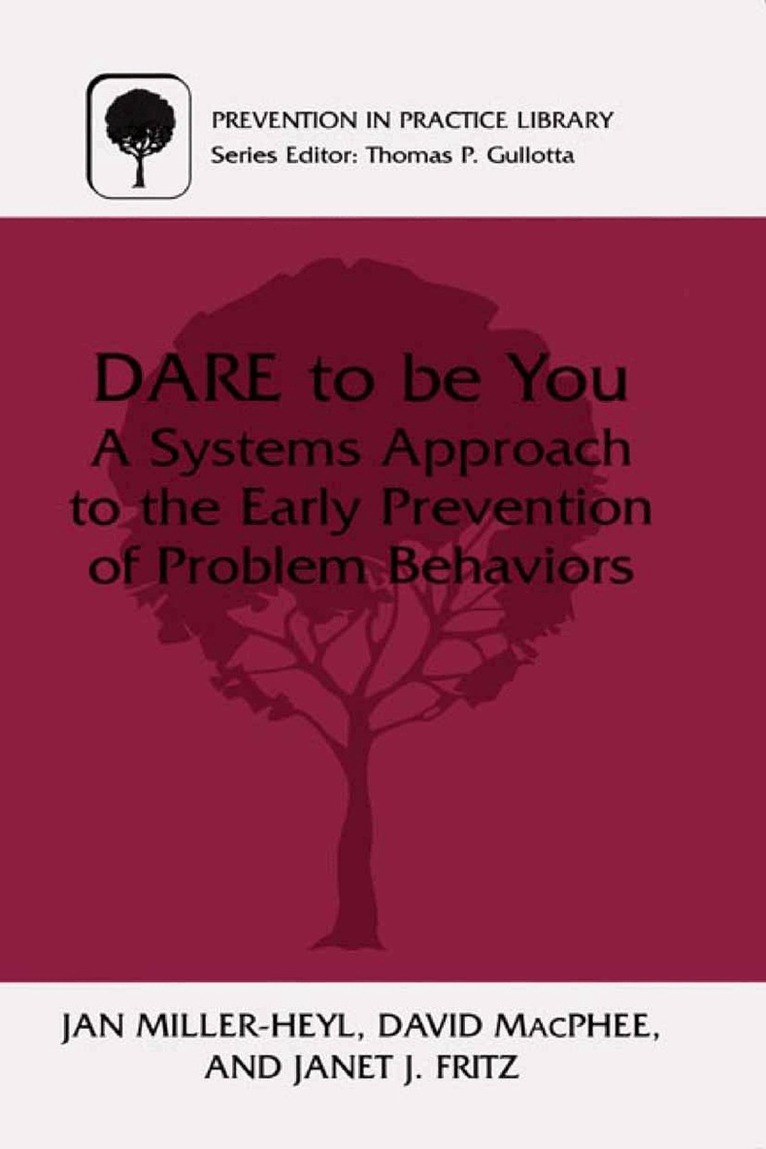
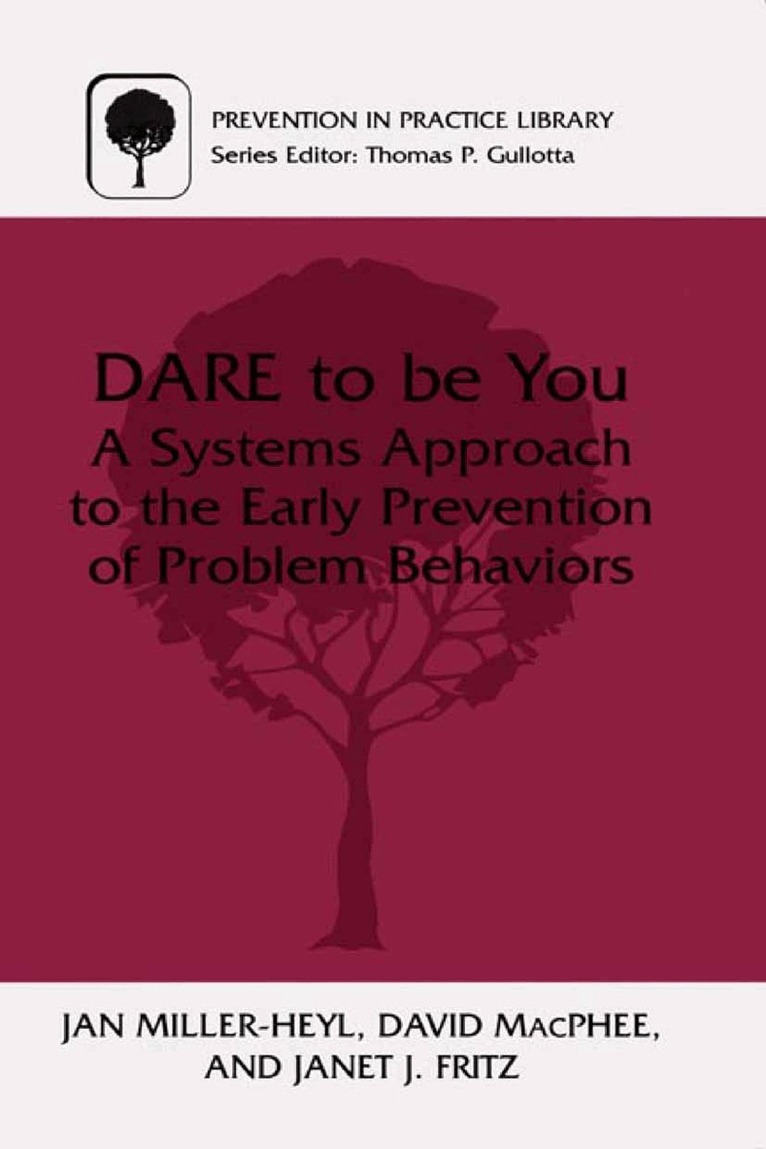
"Dare to be you" (DTBY) is a program that has both a conceptual foundation and is demonstrably effective in building assets linked to a decrease in problem behaviours. Its success is based on working not only with the individual child, but also with multiple systems that affect the child. These systems include family, peers, school and the broader community. The DTBY curricula is age-appropriate and adapted to account for changing developmental needs. While this volume focuses on the DTBY program for families with 2 to 5 year old children, references are made to the programs for school-aged children and teens. This program has proven effective in diverse settings including a Native American community; an urban setting of mixed cultures; a traditional Hispanic and Anglo rural community; and a poor, isolated agricultural region.
Häftad, Engelska, 2000
1 122 kr
Skickas inom 10-15 vardagar
DARE To Be You (DTBY) is a program that has both a conceptual foundation and is demonstrably effective in building assets linked to a decrease in problem behaviors. Its success is based on working not only with the individual child, but also with multiple systems that affect the child. These systems include family, peers, school and the broader community. The DTBY curricula is age-appropriate and adapted to account for changing developmental needs. While this volume focuses on the DTBY program for families with 2 to 5 year old children, references are made to the programs for school aged children and teens.This program has proven effective in diverse settings including a Native American community; an urban setting of mixed cultures; a traditional Hispanic and Anglo rural community; and a poor, isolated agricultural region.
Inbunden, Engelska, 2000
1 122 kr
Skickas inom 10-15 vardagar
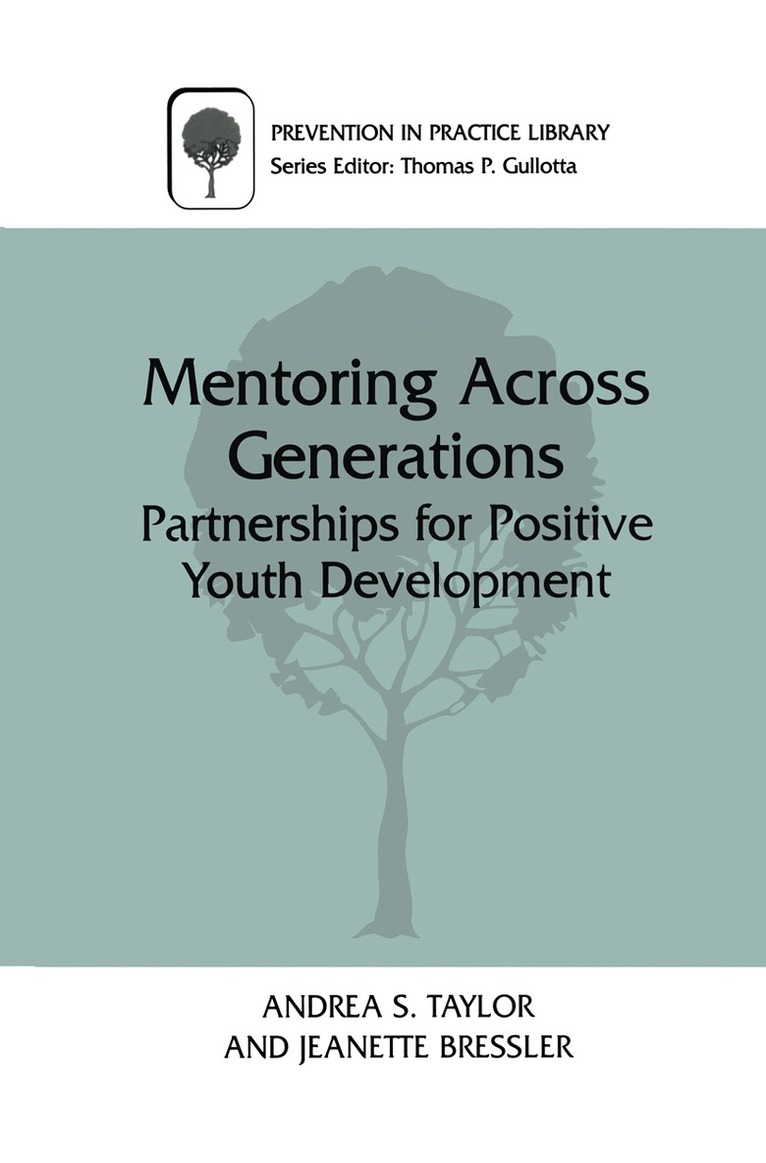
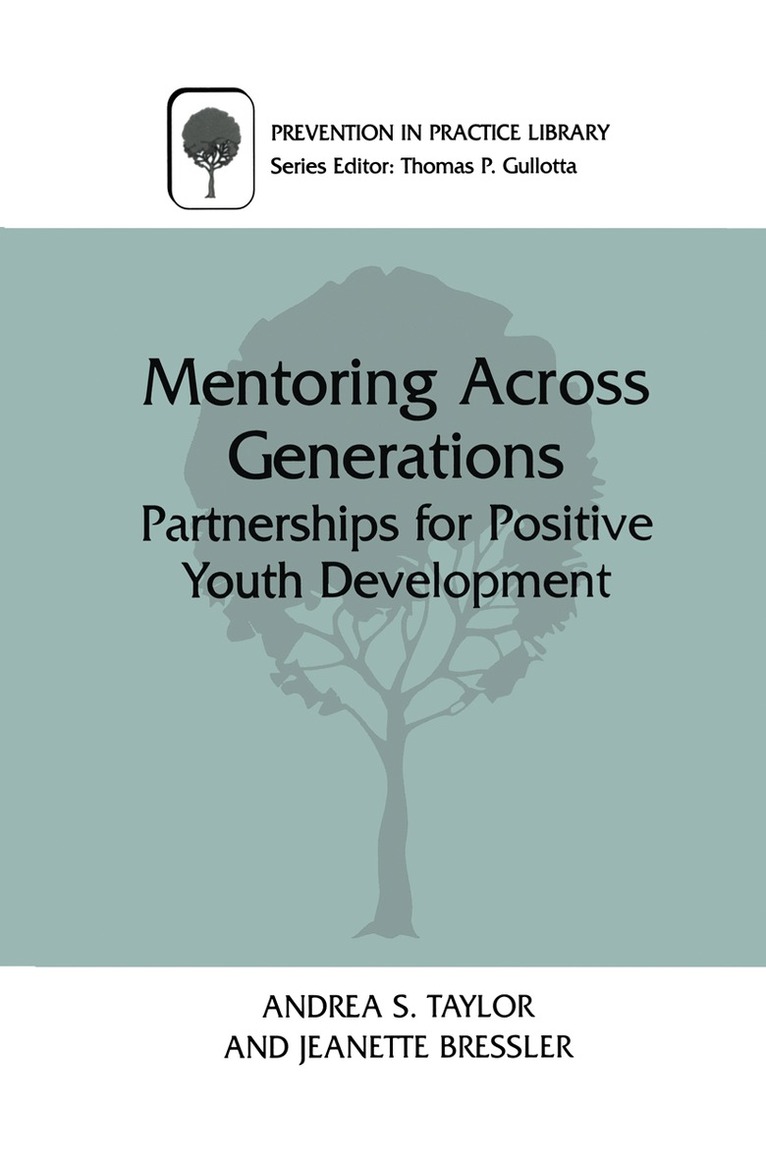
Currently, blame for the difficulties facing youth is too often laid on one particular segment of the community - whether parents, school personnel or the children themselves. However, the problems of today's young people are problems for all generations. In response, the past decade has seen unparalleled proliferation of planned mentoring initiatives. Across Ages, the multi-faceted and multigenerational intervention described in this volume, uses older adult volunteers as mentors for young people. By acting as advocates, challengers, nurturers, role models and friends, older mentors help children develop the awareness, self-confidence, and skills they need to overcome overwhelming obstacles. Across Ages is cost-effective and feasible even where resources are fairly limited. Although designed as a school-based model, this program can easily be adopted to other settings. Each of the four major program components - mentoring, community service, `life skills' instruction, and family support - is described in step-by-step detail.
Häftad, Engelska, 2000
1 122 kr
Skickas inom 10-15 vardagar
Currently, blame for the difficulties facing youth is too often laid on one particular segment of the community - whether parents, school personnel or the children themselves. However, the problems of today's young people are problems for all generations. In response, the past decade has seen unparalleled proliferation of planned mentoring initiatives. Across Ages, the multi-faceted and multigenerational intervention described in this volume, uses older adult volunteers as mentors for young people. By acting as advocates, challengers, nurturers, role models and friends, older mentors help children develop the awareness, self-confidence, and skills they need to overcome overwhelming obstacles. Across Ages is cost-effective and feasible even where resources are fairly limited. Although designed as a school-based model, this program can easily be adopted to other settings. Each of the four major program components - mentoring, community service, `life skills' instruction, and family support - is described in step-by-step detail.
Inbunden, Engelska, 2001
1 090 kr
Skickas inom 10-15 vardagar
In the field of domestic violence, community collaboration has been an essential part of both prevention and intervention. However, there have been vast differences in perspective, methodology, understanding, interpretations, and concerns among the various partners. This volume examines models of collaboration between personnel in social service agencies, women's centres, domestic violence programmes, medical and mental health settings, and law enforcement. Techniques are detailed that allow knowledge about domestic violence and primary prevention to be integrated into a community response by all those involved. Further, the authors describe in detail how the possibilities for communities to respond to domestic violence victims is based on how these various groups perceive the victim; how an individual agency personally responds and how it is possible to provide safety for women in their own homes and communities. "Stopping Domestic Violence: How a Community Can Prevent Spousal Abuse" is a resource for educators, social workers, public health professionals, clinicians, medical and mental health professionals, and law enforcement personnel.
Häftad, Engelska, 2001
1 090 kr
Skickas inom 10-15 vardagar
In the field of domestic violence, community collaboration has been an essential part of both prevention and intervention. However, there have been vast differences in perspective, methodology, understanding, interpretations, and concerns among the various partners. This volume examines models of collaboration between personnel in social service agencies, women's centers, domestic violence programs, medical and mental health settings, and law enforcement. Techniques are detailed that allow knowledge about domestic violence and primary prevention to be integrated into a community response by all those involved. Further, the authors describe in detail how the possibilities for communities to respond to domestic violence victims is based on how these various groups perceive the victim; how an individual agency personally responds and how it is possible to provide safety for women in their own homes and communities. Stopping Domestic Violence: How a Community Can Prevent Spousal Abuse is an excellent resource for educators, social workers, public health professionals, clinicians, medical and mental health professionals, and law enforcement personnel.