Protein Science - Böcker
Visar alla böcker i serien Protein Science. Handla med fri frakt och snabb leverans.
8 produkter
8 produkter
721 kr
Skickas inom 10-15 vardagar
Most clinical laboratory tests utilize interstitial and extravascular such as blood, urine, cerebral spinal fluid (CSF), and saliva. For example, CSF is monitored in the context of cancer for both diagnostic and therapeutic reasons. And yet, our understanding of the makeup of interstitial fluids, their relationships to disease, as well as their commercial importance in therapeutics and diagnostics remains rudimentary. Although sometimes perceived as static, interstitial and extravascular fluids are surprisingly dynamic. More than half of serum albumin is in the extravascular space. These fluids move rapidly between the intravascular and extravascular spaces - one entire plasma volume is exchanged very nine hours. In the first half of the book, the authors cover fundamental concepts of interstitial fluids, including their composition and function. They then further review the mechanisms by which interstitial fluids are regulated, characterizing the importance of hyaluronan – a major constituent of interstitial spaces and an a component of synovial fluid; and, outlining the regulation of proteolysis in the interstitial space. In the second half of the book, the authors focus on the coagulation system. This system has been studied extensively in the context of vascular spaces. But many of its components exist in the interstitial spaces. Chapters are devoted to the fibrinolytic system, kallikrein, matrix metalloproteinases, coagulation factors, and protease inhibitors – all are interstitial. By covering a unique array of topics with broad application to biomedical scientists, this book expands our understanding of the importance of interstitial spaces and the fluids that move through and reside in this extravascular environment.
1 080 kr
Skickas inom 10-15 vardagar
First introduced to biomedical research in 1980, the term biomarker has taken on a life of its own in recent years and has come to mean a number of things. A comprehensive assessment of biomarkers, this book covers the history and current status of the application of biomarkers in diagnostics and prognostics. It explores the technology used for the study of biomarkers, and the validation of biomarkers including a comparison of the various technologies used to identify and measure biomarkers. The editors emphasize the technology underlying biomarkers and the translation of basic science to clinical laboratory technology, including the commercial development of biomarkers. The book also covers proteomics and proteomic technologies and their applications in the identification of biomarkers.
1 080 kr
Skickas inom 10-15 vardagar
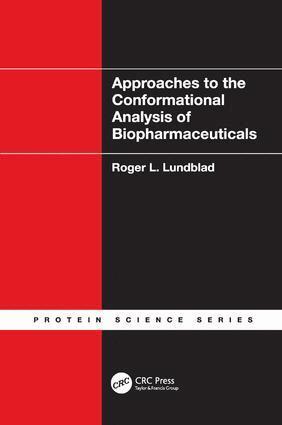
The activity of many biopharmaceutical polymers is dependent on conformation, and the next several years will see increased interest in the conformational analysis of these polymers resulting from the development of biosimilar or "follow-on" biological products. While a wide variety of approaches to analysis exists, finding the most viable ones would be much easier with a consolidated reference that details the benefits and cost of each approach, with an emphasis on real results and real products. Explores the Growing Role of Conformational Analysis in Comparing Generic BiopharmaceuticalsApproaches to the Conformational Analysis of Biopharmaceuticals gathers the most useful techniques and methods into a single volume, putting the greatest emphasis on those approaches that have proven the most fruitful. Rather than cover specific uses of techniques in detail, this book provides commercial biotechnologists and researchers with the information and references they need to make good choices about the technology they choose to use. With a large number of references that direct readers to primary source material, it includes studies drawn from the gamut of current literature, covering physical methods, such as differential scanning calorimetry, light scanning, and analytical ultracentrifugation. It also addresses chemical methods, such as hydrogen–deuterium exchange and trace labeling, along with infrared, ultraviolet, and Raman spectroscopy. Written by Roger Lundblad, a true pioneer in protein science, this volume supplies the necessary information researchers need to access when deciding on the most cost-effective approach, including: Comparability of biopharmaceuticalsCharacterization of follow-on biologicsQuality attributes of protein biopharmaceuticalsConfrontational analysis of biopharmaceutical productsWith a clear focus on relevant commercial biotechnology, this book belongs on the shelves of those serious researchers who are paving the way for the next generation of biopharmaceutical polymers.
2 185 kr
Tillfälligt slut
Reflecting the versatility of the author’s science and the depth of his experience, Application of Solution Protein Chemistry to Biotechnology explores key contributions that protein scientists can make in the development of products that are both important and commercially viable, and provides them with tools and information required for successful participation.One of the of the world’s most respected protein researchers, Roger Lundblad does not succumb to the notion that new is always better. The application of protein science to the practice of commercial biotechnology is traced to the underlying basic solution protein chemistry. It is only by achieving this understanding that the full potential of protein science may be obtained in the development and characterization of the diverse products of modern biotechnology. Dr. Lundblad also goes far beyond the biopharmaceutical applications that are often equated with protein science today to demonstrate the field’s unique versatility. From the making of bread and the invention of adhesives to the production of pharmaceuticals and the development of recombinant DNA products— in each of these products, the role of the protein chemist remains prominent. The important point is that classical protein chemistry is a critical part of the practice of biotechnology in the marketplace.Providing the direction and the foundational work needed by students as well as the details and hundreds of references needed by designers and developers, this remarkable work— Delves into the application of protein science for producing products as diverse as adhesives, drug delivery systems, and quality food productsExplores chemistry of attachment of proteins and peptides to solid surfaces with regard to applications both for the improvement of steel and titanium and in DNA and protein microarrays Describes the development of bioconjugates used in antibodiesOffers essential advice on guidelines required for producing licensed biopharmaceutical productsWhile he does include a great deal of material not found in other sources, Dr. Lundblad makes a point to separate what is truly new from that which has merely been renamed. A reference unlike most, scientists and students eager to learn will find a text that is as practical as it is purposeful.
2 996 kr
Skickas inom 10-15 vardagar
The activity of many biopharmaceutical polymers is dependent on conformation, and the next several years will see increased interest in the conformational analysis of these polymers resulting from the development of biosimilar or "follow-on" biological products. While a wide variety of approaches to analysis exists, finding the most viable ones would be much easier with a consolidated reference that details the benefits and cost of each approach, with an emphasis on real results and real products. Explores the Growing Role of Conformational Analysis in Comparing Generic BiopharmaceuticalsApproaches to the Conformational Analysis of Biopharmaceuticals gathers the most useful techniques and methods into a single volume, putting the greatest emphasis on those approaches that have proven the most fruitful. Rather than cover specific uses of techniques in detail, this book provides commercial biotechnologists and researchers with the information and references they need to make good choices about the technology they choose to use. With a large number of references that direct readers to primary source material, it includes studies drawn from the gamut of current literature, covering physical methods, such as differential scanning calorimetry, light scanning, and analytical ultracentrifugation. It also addresses chemical methods, such as hydrogen–deuterium exchange and trace labeling, along with infrared, ultraviolet, and Raman spectroscopy. Written by Roger Lundblad, a true pioneer in protein science, this volume supplies the necessary information researchers need to access when deciding on the most cost-effective approach, including: Comparability of biopharmaceuticalsCharacterization of follow-on biologicsQuality attributes of protein biopharmaceuticalsConfrontational analysis of biopharmaceutical productsWith a clear focus on relevant commercial biotechnology, this book belongs on the shelves of those serious researchers who are paving the way for the next generation of biopharmaceutical polymers.
2 996 kr
Skickas inom 10-15 vardagar
First introduced to biomedical research in 1980, the term biomarker has taken on a life of its own in recent years and has come to mean a number of things. A comprehensive assessment of biomarkers, this book covers the history and current status of the application of biomarkers in diagnostics and prognostics. It explores the technology used for the study of biomarkers, and the validation of biomarkers including a comparison of the various technologies used to identify and measure biomarkers. The editors emphasize the technology underlying biomarkers and the translation of basic science to clinical laboratory technology, including the commercial development of biomarkers. The book also covers proteomics and proteomic technologies and their applications in the identification of biomarkers.
2 792 kr
Skickas inom 7-10 vardagar
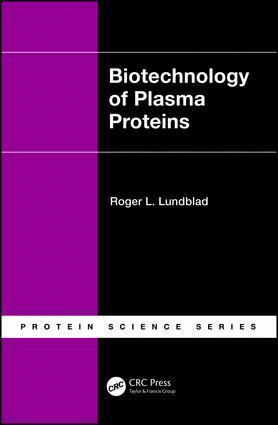
The fractionation of human blood plasma can be considered to be a mature industry, with the basic technology, alcohol fractionation, dating back at least to the 1940s. Many of the products described in the current work have been approved biologics since the 1950s. The information gathered from the development of plasma proteins has proved vital to the development of recombinant therapeutic proteins. Discussing the role of plasma proteins in current biotechnology, Biotechnology of Plasma Proteins describes the protein composition of human plasma, the fractionation of plasma to obtain therapeutic proteins, and the analysis of these products. It delineates the path from plasma products to recombinant products, and highlights products from albumin, intravenous immunoglobins, and coagulation. It offers a comprehensive review of current techniques for the analysis of proteins including electrophoresis, chromatography, spectrophotometry, mass spectrometry, and updates not published since 1975. Key TopicsProtein Composition of PlasmaProteomic methods for plasma protein analysisPlasma protein biomarkersValidation of biomarkersAssays for plasma biomarkersMethods for the Analysis of Protein ProductsAssay development and validationElectrophoresisChromatographyImmunoassayMass spectrometryRaman spectroscopyPlasma Fractionation: Historical and Modern Methods Development of Cohn alcohol fractionationIndustrial methodsDevelopment of chromatographic methodsPlasma Protein Products of Therapeutic Value AlbuminIntravenous immunoglobulinCoagulation productsGrowth factorsWound management
2 806 kr
Skickas inom 10-15 vardagar
Most clinical laboratory tests utilize interstitial and extravascular such as blood, urine, cerebral spinal fluid (CSF), and saliva. For example, CSF is monitored in the context of cancer for both diagnostic and therapeutic reasons. And yet, our understanding of the makeup of interstitial fluids, their relationships to disease, as well as their commercial importance in therapeutics and diagnostics remains rudimentary. Although sometimes perceived as static, interstitial and extravascular fluids are surprisingly dynamic. More than half of serum albumin is in the extravascular space. These fluids move rapidly between the intravascular and extravascular spaces - one entire plasma volume is exchanged very nine hours. In the first half of the book, the authors cover fundamental concepts of interstitial fluids, including their composition and function. They then further review the mechanisms by which interstitial fluids are regulated, characterizing the importance of hyaluronan – a major constituent of interstitial spaces and an a component of synovial fluid; and, outlining the regulation of proteolysis in the interstitial space. In the second half of the book, the authors focus on the coagulation system. This system has been studied extensively in the context of vascular spaces. But many of its components exist in the interstitial spaces. Chapters are devoted to the fibrinolytic system, kallikrein, matrix metalloproteinases, coagulation factors, and protease inhibitors – all are interstitial. By covering a unique array of topics with broad application to biomedical scientists, this book expands our understanding of the importance of interstitial spaces and the fluids that move through and reside in this extravascular environment.