Public Lands History – serie
Visar alla böcker i serien Public Lands History. Handla med fri frakt och snabb leverans.
13 produkter
13 produkter
Inbunden, Engelska, 2016
376 kr
Skickas inom 10-15 vardagar
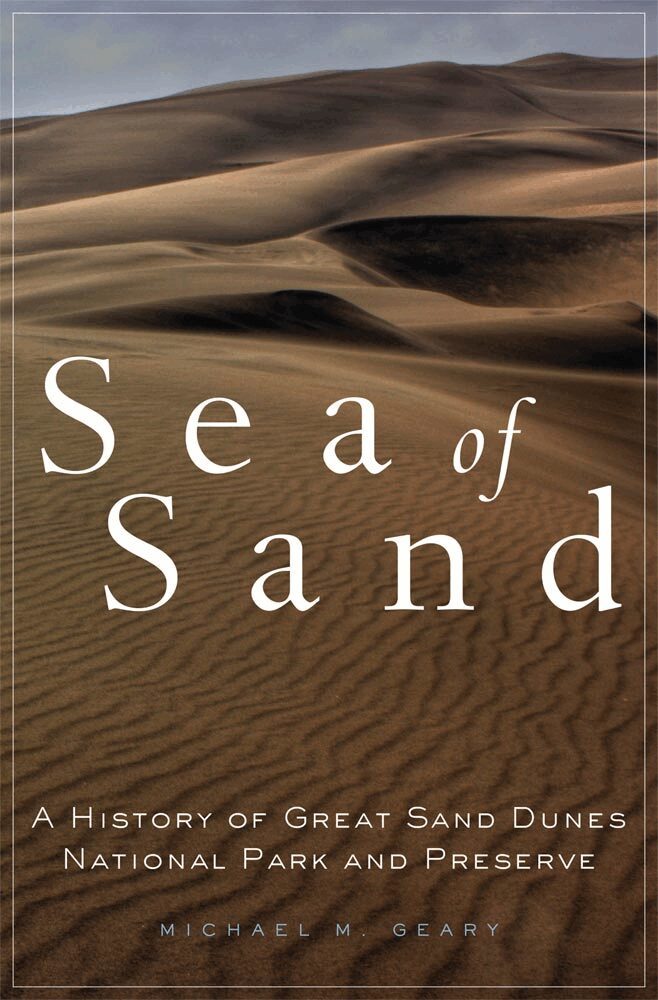
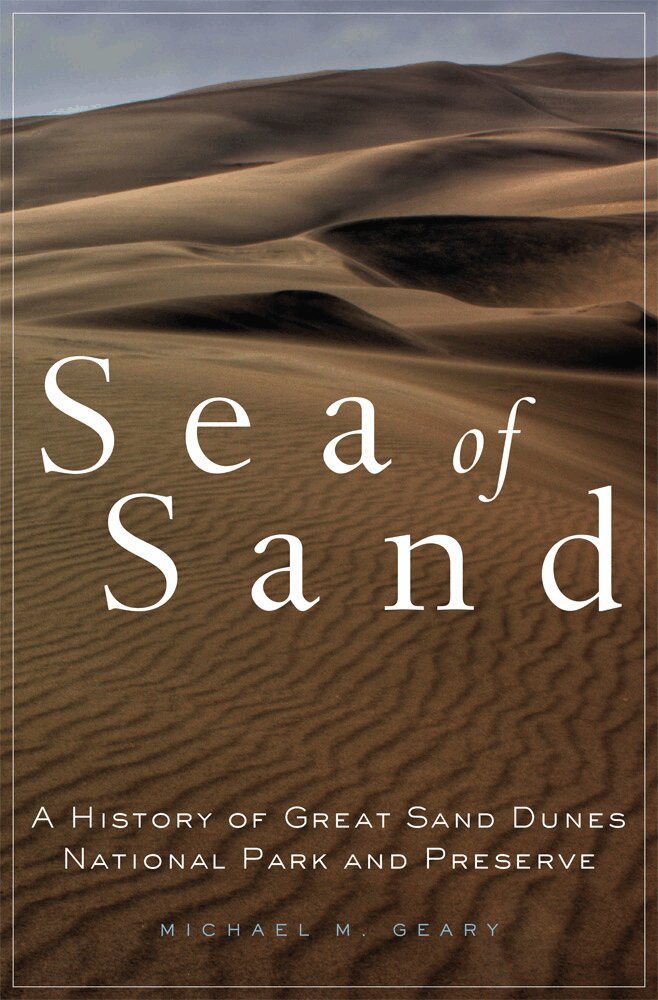
Sculpted into graceful contours by countless centuries of wind and water, the Great Sand Dunes sprawl along the eastern fringes of the vast San Luis Valley of south-central Colorado. Covering an area of nearly thirty square miles, they are the tallest aeolian, or wind-produced, dunes in North America, towering 750 feet above the valley floor. With the addition of the enormous Baca Ranch and other adjacent lands, the dunes - originally designated as a National Monument in 1932 - attained official National Park status in 2004. In Sea of Sand, Michael M. Geary guides readers on a historical journey through this unique ecosystem, which includes an array of natural and cultural wonders, from the main dunefield and verdant wetlands to the summits of the Sangre de Cristo Mountains.Described by explorer Zebulon Pike as ""a sea in a storm"" and by frontier photographer William Henry Jackson as ""a curious and very singular phase of nature's freak,"" the Great Sand Dunes are a nexus of more than 10,000 years of human history, from Paleolithic big-game hunters to nomadic Native Americans, from Spanish conquistadores and transcontinental explorers to hard-rock miners and modern-day tourists in motor homes. Like these successive waves of visitors, Sea of Sand follows the water, analyzing its critical role in the settlement and development of the region. Geary also describes the profound impact that waves of human use and settlement have had on the land - which ultimately inspired the early grassroots efforts by San Luis Valley citizens to protect the dunes from further exploitation. He examines as well the more recent legislative effort led by an unprecedented coalition of local, state, and federal agencies and organizations, including The Nature Conservancy and the National Park Service, to secure the Great Sand Dunes' national park designation.Amply illustrated, Sea of Sand is the definitive history of the natural, cultural, and political forces that helped shape this incomparable landscape.
Inbunden, Engelska, 2016
399 kr
Skickas inom 5-8 vardagar
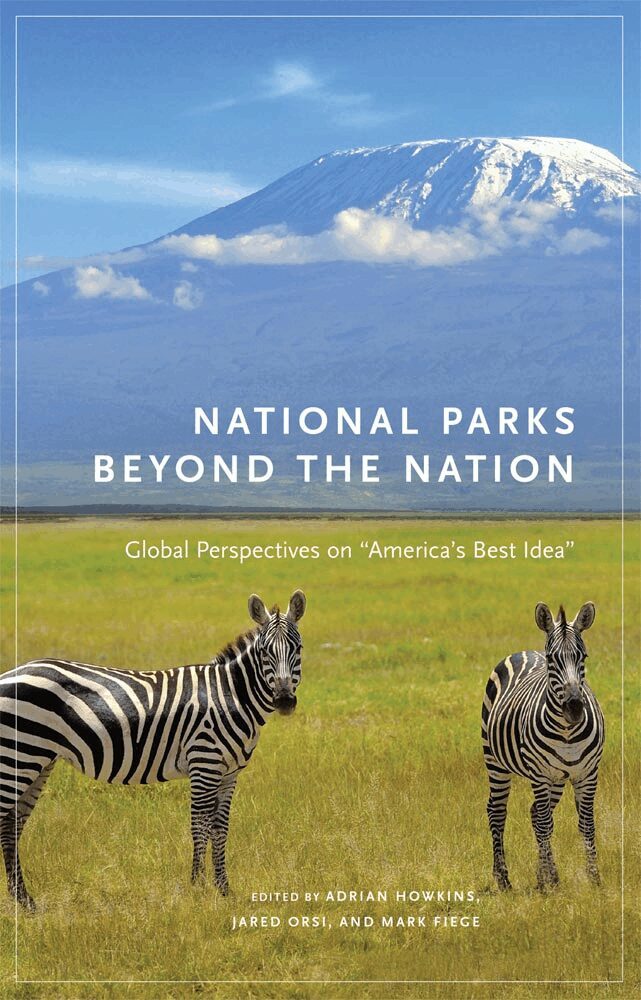
The idea of a national park was an American invention of historic consequences marking the beginning of a worldwide movement,"" the U.S. National Park Service asserts in its 2006 Management Policies. National Parks beyond the Nation brings together the work of fifteen scholars and writers to reveal the tremendous diversity of the global national park experience - an experience sometimes influencing, sometimes influenced by, and sometimes with no reference whatever to the United States.Writer and historian Wallace Stegner once called national parks ""America's best idea."" The contributors to this volume use that exceptionalist claim as a starting point for thinking about an international history of national parks. They explore the historical interactions and influences - intellectual, political, and material - within and between national park systems in Canada, New Zealand, South Africa, Indonesia, Antarctica, Brazil, and other countries. What is the role of science in the history of these preserves? Of politics? What purposes do they serve: Conservation? Education? Reverence toward nature? Tourist pleasure?People have thought differently about national parks at different times and in different places; and neat physical boundaries have been disrupted by wandering animals, human movements, the spread of disease, and climate change. Viewing parks around the world, at various scales and across national frontiers, these essays offer a panoptic view of the common and contrasting cultural and environmental features of national parks worldwide.If national parks are, as Stegner said, ""absolutely American,"" they are no less part of the world at large. National Parks beyond the Nation tells us as much about the multifarious and changing ideas of nature and culture as about the framing of those ideas in geographic, temporal, and national terms.
Inbunden, Engelska, 2018
432 kr
Skickas inom 10-15 vardagar
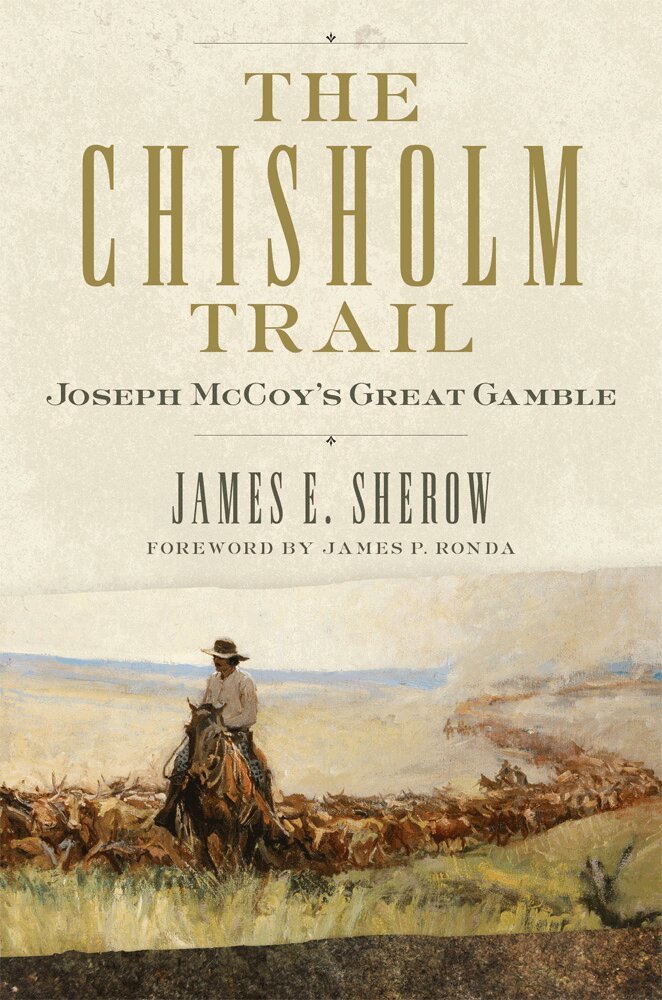
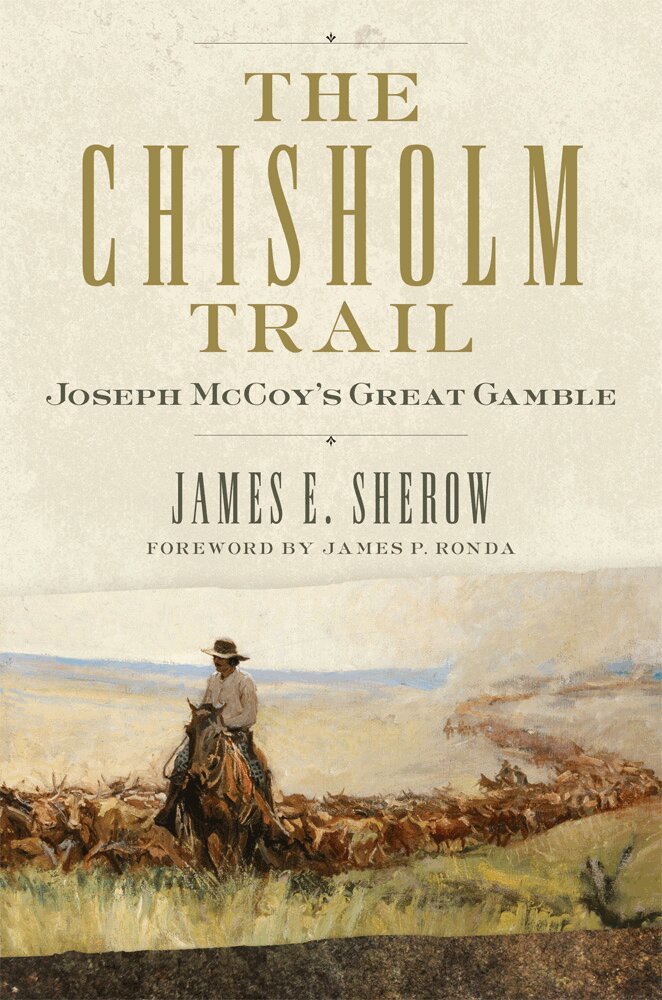
One hundred fifty years ago the McCoy brothers of Springfield, Illinois, bet their fortunes on Abilene, Kansas, then just a slapdash way station. Instead of an endless horizon of prairie grasses, they saw a bustling outlet for hundreds of thousands of Texas Longhorns coming up the Chisholm Trail - and the youngest brother, Joseph, saw how a middleman could become wealthy in the process. This is the story of how that gamble paid off, transforming the cattle trade and, with it, the American landscape and diet.The Chisholm Trail follows McCoy's vision and the effects of the Chisholm Trail from post-Civil War Texas and Kansas to the multimillion-dollar beef industry that remade the Great Plains, the American diet, and the national and international beef trade. At every step, both nature and humanity put roadblocks in McCoy's way. Texas cattle fever had dampened the appetite for longhorns, while prairie fires, thunderstorms, blizzards, droughts, and floods roiled the land. Unscrupulous railroad managers, stiff competition from other brokers, Indians who resented the usurping of their grasslands, and farmers who preferred growing wheat to raising cattle all threatened to impede the McCoys' vision for the trail. As author James E. Sherow shows, by confronting these obstacles, McCoy put his own stamp upon the land, and on eating habits as far away as New York City and London.Joseph McCoy's enterprise forged links between cattlemen, entrepreneurs, and restaurateurs; between ecology, disease, and technology; and between local, national, and international markets. Tracing these connections, The Chisholm Trail shows in vivid terms how a gamble made in the face of uncontrollable natural factors indelibly changed the environment, reshaped the Kansas prairie into the nation's stockyard, and transformed Plains Indian hunting grounds into the hub of a domestic farm culture.
Häftad, Engelska, 2020
183 kr
Skickas inom 5-8 vardagar
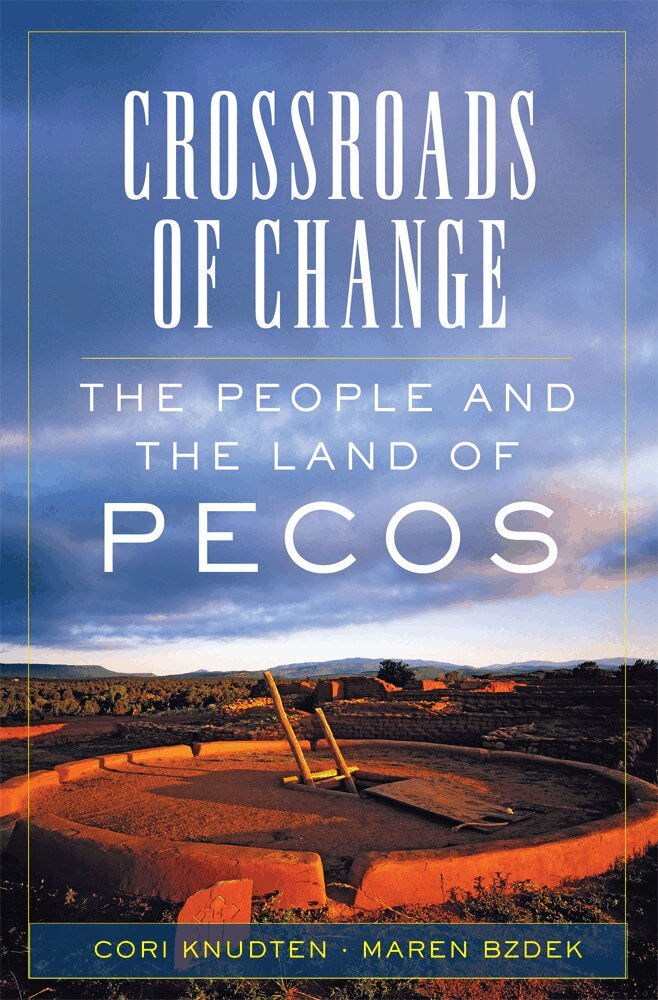
Encompassing nearly seven thousand acres amid the woodlands of the Sangre de Cristo Mountains in northern New Mexico, the land that is now Pecos National Historical Park has witnessed thousands of years of cultural history stretching back to the Native peoples who long ago inhabited the pueblos of Pecos, then known as Cicuye. Once a trading center where Pueblo Indians, Spanish soldiers and settlers, and Plains Indians encountered one another, not always peacefully, Pecos was a stop on the Santa Fe Trail in the early 1800s and, later, on the first railroad in New Mexico. It was the site of a critical Civil War battle and in the twentieth century became a tourist destination. This book tells the story of how, over five centuries, cultures and peoples converged at Pecos and transformed its environment, ultimately shaping the landscape that greets park visitors today.Spanning the period from 1540, when Spaniards first arrived, into the twenty-first century, Crossroads of Change focuses on the history of the natural and historic resources Pecos National Historical Park now protects and interprets: the ruins of Pecos Pueblo and a Spanish mission church, a stage stop along the Santa Fe Trail, the Civil War battlefield of Glorieta Pass, a twentieth-century cattle ranch, and the national park itself. In an engaging style, authors Cori Knudten and Maren Bzdek detail the transformations of Pecos over time, often driven by the collision of different cultures, such as that between the Franciscan friars and Pecos Indians in the seventeenth century, and by the introduction of new animals, crops, and agricultural practices - but also by the natural forces of fire, drought, and erosion.Located on a natural trade route, Pecos has long served as a portal between different cultures and environments. Documenting this transformation over the ages, Crossroads of Change also, perhaps, shows us Pecos National Historical Park as a portal to the future.
Häftad, Engelska, 2021
249 kr
Skickas inom 10-15 vardagar
Sculpted into graceful contours by countless centuries of wind and water, the Great Sand Dunes sprawl along the eastern fringes of the vast San Luis Valley of south-central Colorado. Covering an area of nearly thirty square miles, they are the tallest aeolian, or wind-produced, dunes in North America, towering 750 feet above the valley floor. With the addition of the enormous Baca Ranch and other adjacent lands, the dunes-originally designated as a National Monument in 1932-attained official National Park status in 2004. In Sea of Sand, Michael M. Geary guides readers on a historical journey through this unique ecosystem, which includes an array of natural and cultural wonders, from the main dunefield and verdant wetlands to the summits of the Sangre de Cristo Mountains.Described by explorer Zebulon Pike as “a sea in a storm” and by frontier photographer William Henry Jackson as “a curious and very singular phase of nature’s freak,” the Great Sand Dunes are a nexus of more than 10,000 years of human history, from Paleolithic big-game hunters to nomadic Native Americans, from Spanish conquistadores and transcontinental explorers to hard-rock miners and modern-day tourists in motor homes. Like these successive waves of visitors, Sea of Sand follows the water, analyzing its critical role in the settlement and development of the region. Geary also describes the profound impact that waves of human use and settlement have had on the land-which ultimately inspired the early grassroots efforts by San Luis Valley citizens to protect the dunes from further exploitation. He examines as well the more recent legislative effort led by an unprecedented coalition of local, state, and federal agencies and organizations, including The Nature Conservancy and the National Park Service, to secure the Great Sand Dunes’ national park designation.Amply illustrated, Sea of Sand is the definitive history of the natural, cultural, and political forces that helped shape this incomparable landscape.
Inbunden, Engelska, 2023
1 086 kr
Skickas inom 10-15 vardagar
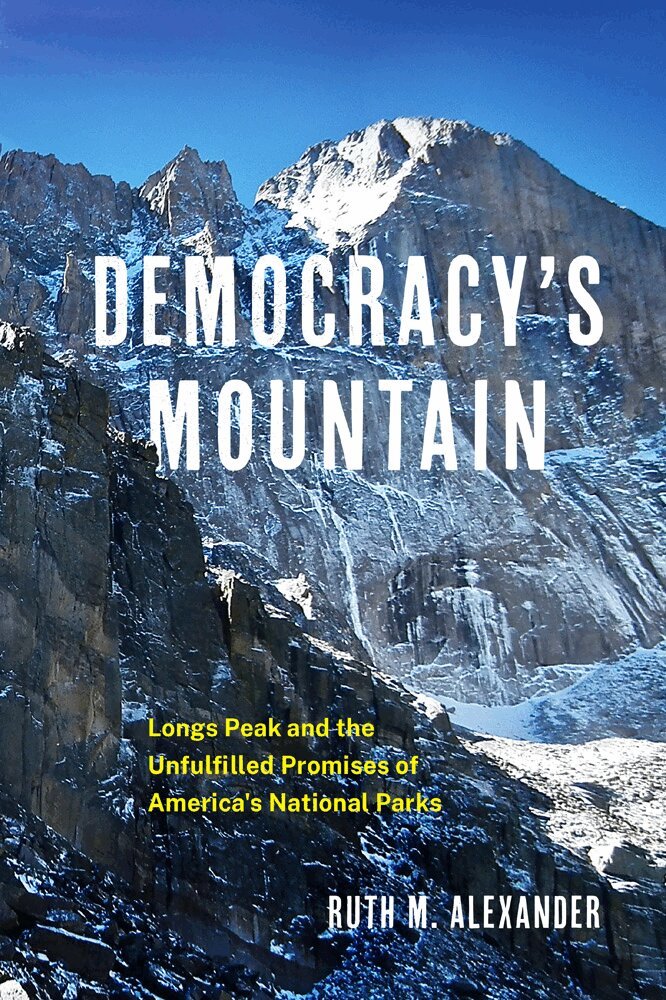
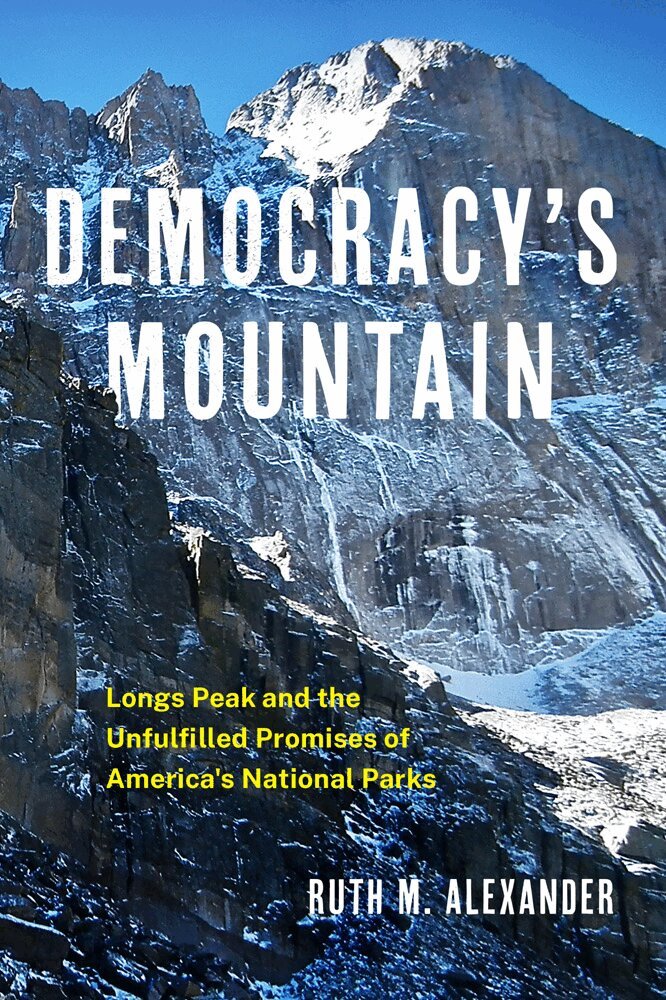
At 14,259 feet, Longs Peak towers over Colorado’s northern Front Range. A prized location for mountaineering since the 1870s, Longs has been a place of astonishing climbing feats—and, unsurprisingly, of significant risk and harm. Careless and unlucky climbers have experienced serious injury and death on the peak, while their activities, equipment, and trash have damaged fragile alpine resources. As a site of outdoor adventure attracting mostly white people, Longs has mirrored the United States’ tenacious racial divides, even into the twenty-first century.In telling the history of Longs Peak and its climbers, Ruth M. Alexander shows how Rocky Mountain National Park, like the National Park Service (NPS), has struggled to contend with three fundamental obligations—to facilitate visitor enjoyment, protect natural resources, and manage the park as a site of democracy. Too often, it has treated these obligations as competing rather than complementary commitments, reflecting national discord over their meaning and value. Yet the history of Longs also shows us how, over time, climbers, the park, and the NPS have attempted to align these obligations in policy and practice.By putting mountain climbers and their relationship to Longs Peak and its rangers at the center of the story of Rocky Mountain National Park, Alexander exposes the significant role outdoor recreationists have had—as both citizens and privileged adventurers—in shaping the peak’s meaning, use, and management. Since 2000, the park has promoted climber enjoyment and safety, helped preserve the environment, facilitated tribal connections to the park, and attracted a more diverse group of visitors and climbers. Yet, Alexander argues, more work needs to be done.Alexander’s nuanced account of Longs Peak reveals the dangers of undermining national parks’ fundamental obligations and presents a powerful appeal to meet them fairly and fully.
Häftad, Engelska, 2023
291 kr
Skickas inom 10-15 vardagar
At 14,259 feet, Longs Peak towers over Colorado’s northern Front Range. A prized location for mountaineering since the 1870s, Longs has been a place of astonishing climbing feats—and, unsurprisingly, of significant risk and harm. Careless and unlucky climbers have experienced serious injury and death on the peak, while their activities, equipment, and trash have damaged fragile alpine resources. As a site of outdoor adventure attracting mostly white people, Longs has mirrored the United States’ tenacious racial divides, even into the twenty-first century.In telling the history of Longs Peak and its climbers, Ruth M. Alexander shows how Rocky Mountain National Park, like the National Park Service (NPS), has struggled to contend with three fundamental obligations—to facilitate visitor enjoyment, protect natural resources, and manage the park as a site of democracy. Too often, it has treated these obligations as competing rather than complementary commitments, reflecting national discord over their meaning and value. Yet the history of Longs also shows us how, over time, climbers, the park, and the NPS have attempted to align these obligations in policy and practice.By putting mountain climbers and their relationship to Longs Peak and its rangers at the center of the story of Rocky Mountain National Park, Alexander exposes the significant role outdoor recreationists have had—as both citizens and privileged adventurers—in shaping the peak’s meaning, use, and management. Since 2000, the park has promoted climber enjoyment and safety, helped preserve the environment, facilitated tribal connections to the park, and attracted a more diverse group of visitors and climbers. Yet, Alexander argues, more work needs to be done.Alexander’s nuanced account of Longs Peak reveals the dangers of undermining national parks’ fundamental obligations and presents a powerful appeal to meet them fairly and fully.
Inbunden, Engelska, 2023
1 086 kr
Skickas inom 10-15 vardagar
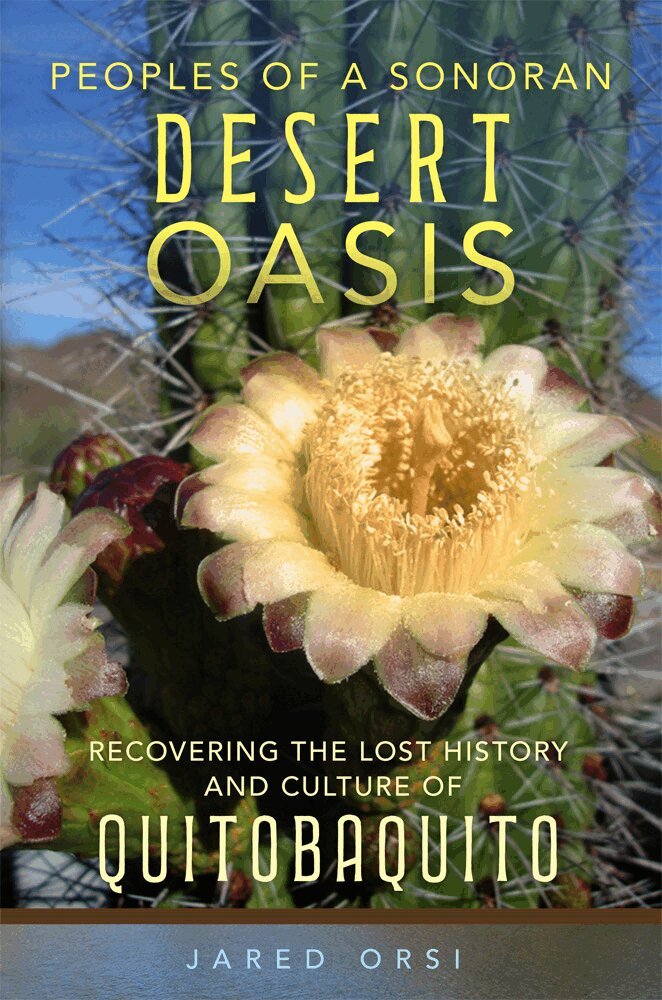
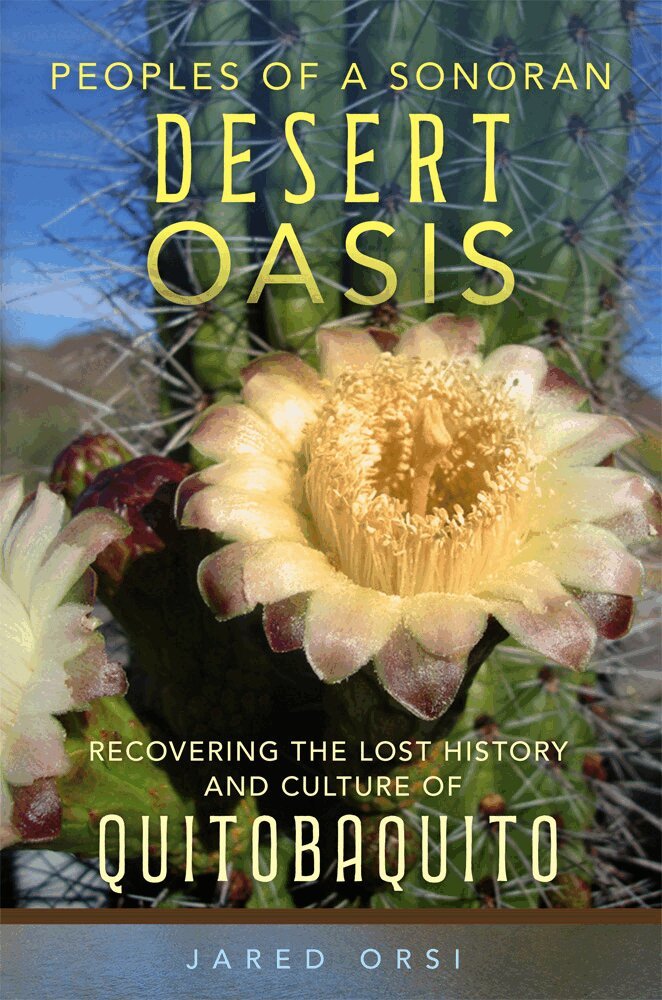
In the southwestern corner of Organ Pipe Cactus National Monument, on the border between Arizona and Mexico, one finds Quitobaquito, the second-largest oasis in the Sonoran Desert. There, with some effort, one might also find remnants of once-thriving O’odham communities and their predecessors with roots reaching back at least 12,000 years—along with evidence of their expulsion, the erasure of their past, attempts to recover that history, and the role of the National Park Service (NPS) at every layer.The outlines of the lost landscapes of Quitobaquito—now further threatened by the looming border wall—reemerge in Peoples of a Sonoran Desert Oasis as Jared Orsi tells the story of the land, its inhabitants ancient and recent, and the efforts of the NPS to “reclaim” Quitobaquito’s pristine natural form and to reverse the damage done to the O’odham community and culture, first by colonial incursions and then by proponents of “preservation.”Quitobaquito is ecologically and culturally rich, and this book summons both the natural and human history of this unique place to describe how people have made use of the land for some five hundred generations, subject to the shifting forces of subsistence and commerce, tradition and progress, cultural and biological preservation. Throughout, Orsi details the processes by which the NPS obliterated those cultural landscapes and then subsequently, as America began to reckon with its colonial legacy, worked with O’odham peoples to restore their rightful heritage.Tracing the building and erasing of past landscapes to make some of them more visible in the present, Peoples of a Sonoran Desert Oasis reveals how colonial legacies became embedded in national parks—and points to the possibility that such legacies might be undone and those lost landscapes remade.
Häftad, Engelska, 2023
291 kr
Skickas inom 10-15 vardagar
In the southwestern corner of Organ Pipe Cactus National Monument, on the border between Arizona and Mexico, one finds Quitobaquito, the second-largest oasis in the Sonoran Desert. There, with some effort, one might also find remnants of once-thriving O’odham communities and their predecessors with roots reaching back at least 12,000 years—along with evidence of their expulsion, the erasure of their past, attempts to recover that history, and the role of the National Park Service (NPS) at every layer.The outlines of the lost landscapes of Quitobaquito—now further threatened by the looming border wall—reemerge in Peoples of a Sonoran Desert Oasis as Jared Orsi tells the story of the land, its inhabitants ancient and recent, and the efforts of the NPS to “reclaim” Quitobaquito’s pristine natural form and to reverse the damage done to the O’odham community and culture, first by colonial incursions and then by proponents of “preservation.”Quitobaquito is ecologically and culturally rich, and this book summons both the natural and human history of this unique place to describe how people have made use of the land for some five hundred generations, subject to the shifting forces of subsistence and commerce, tradition and progress, cultural and biological preservation. Throughout, Orsi details the processes by which the NPS obliterated those cultural landscapes and then subsequently, as America began to reckon with its colonial legacy, worked with O’odham peoples to restore their rightful heritage.Tracing the building and erasing of past landscapes to make some of them more visible in the present, Peoples of a Sonoran Desert Oasis reveals how colonial legacies became embedded in national parks—and points to the possibility that such legacies might be undone and those lost landscapes remade.
Del 7 - Public Lands History
National Parks, Native Sovereignty Volume 7
Experiments in Collaboration
Häftad, Engelska, 2024
334 kr
Skickas inom 10-15 vardagar
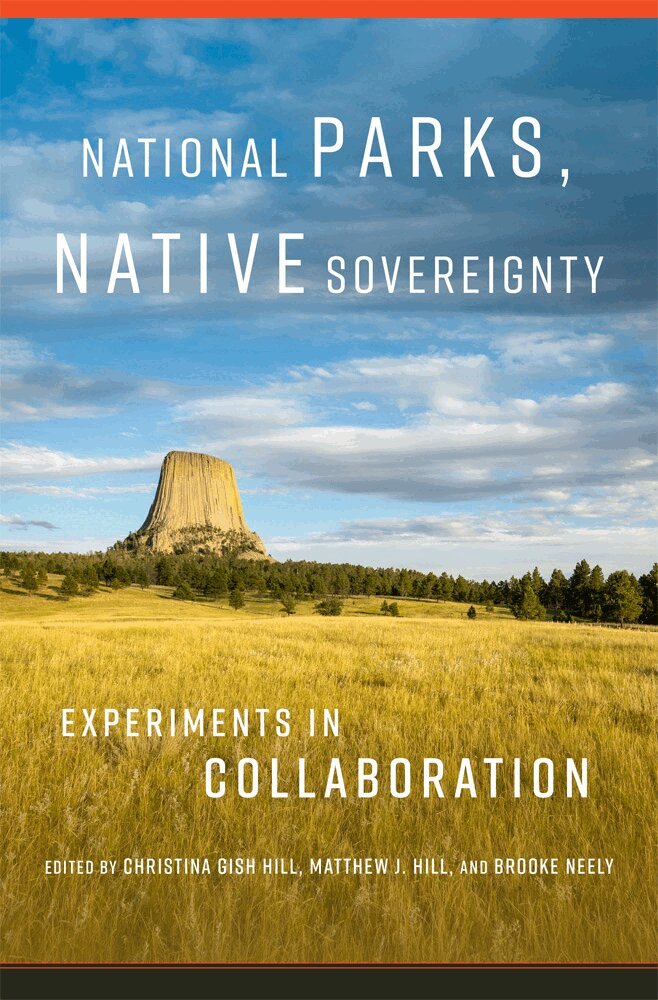
The history of national parks in the United States mirrors the fraught relations between the Department of the Interior and the nation’s Indigenous peoples. But amidst the challenges are examples of success. National Parks, Native Sovereignty proposes a reorientation of relationships between tribal nations and national parks, placing Indigenous peoples as co-stewards through strategic collaboration. More than simple consultation, strategic collaboration, as the authors define it, involves the complex process by which participants come together to find ways to engage with one another across sometimes-conflicting interests.In case studies and interviews focusing on a wide range of National Park Service sites, the authors and editors of this volume—scholars as well as National Park Service staff and tribal historic preservation officers—explore pathways for collaboration that uphold tribal sovereignty. These efforts serve to better educate the general public about Native peoples; consider new ways of understanding and interpreting the peoples (Native and non-Native) connected to national park lands; and recognize alternative ways of knowing and using park lands based on Native peoples’ expertise.National Parks, Native Sovereignty emphasizes emotional commitment, mutual respect, and patience, rather than focusing on “land-back” solutions, in the cocreation of a socially sensible public lands policy. Ultimately it succeeds in promoting the theme of strategic collaboration, highlighting how Indigenous peoples assert agency and sovereignty in reconnecting with significant landscapes, and how non-Native scholars and park staff can incrementally assist Native partners in this process.
Inbunden, Engelska, 2024
1 086 kr
Skickas inom 10-15 vardagar
The history of national parks in the United States mirrors the fraught relations between the Department of the Interior and the nation’s Indigenous peoples. But amidst the challenges are examples of success. National Parks, Native Sovereignty proposes a reorientation of relationships between tribal nations and national parks, placing Indigenous peoples as co-stewards through strategic collaboration. More than simple consultation, strategic collaboration, as the authors define it, involves the complex process by which participants come together to find ways to engage with one another across sometimes-conflicting interests.In case studies and interviews focusing on a wide range of National Park Service sites, the authors and editors of this volume—scholars as well as National Park Service staff and tribal historic preservation officers—explore pathways for collaboration that uphold tribal sovereignty. These efforts serve to better educate the general public about Native peoples; consider new ways of understanding and interpreting the peoples (Native and non-Native) connected to national park lands; and recognize alternative ways of knowing and using park lands based on Native peoples’ expertise.National Parks, Native Sovereignty emphasizes emotional commitment, mutual respect, and patience, rather than focusing on “land-back” solutions, in the cocreation of a socially sensible public lands policy. Ultimately it succeeds in promoting the theme of strategic collaboration, highlighting how Indigenous peoples assert agency and sovereignty in reconnecting with significant landscapes, and how non-Native scholars and park staff can incrementally assist Native partners in this process.
Häftad, Engelska, 2025
223 kr
Skickas inom 5-8 vardagar
One hundred fifty years ago the McCoy brothers of Springfield, Illinois, bet their fortunes on Abilene, Kansas, then just a slapdash way station. Instead of an endless horizon of prairie grasses, they saw a bustling outlet for hundreds of thousands of Texas Longhorns coming up the Chisholm Trail—and the youngest brother, Joseph, saw how a middleman could become wealthy in the process. This is the story of how that gamble paid off, transforming the cattle trade and, with it, the American landscape and diet.The Chisholm Trail follows McCoy’s vision and the effects of the Chisholm Trail from post–Civil War Texas and Kansas to the multimillion-dollar beef industry that remade the Great Plains, the American diet, and the national and international beef trade. At every step, both nature and humanity put roadblocks in McCoy’s way. Texas cattle fever had dampened the appetite for longhorns, while prairie fires, thunderstorms, blizzards, droughts, and floods roiled the land. Unscrupulous railroad managers, stiff competition from other brokers, Indians who resented the usurping of their grasslands, and farmers who preferred growing wheat to raising cattle all threatened to impede the McCoys’ vision for the trail. As author James E. Sherow shows, by confronting these obstacles, McCoy put his own stamp upon the land, and on eating habits as far away as New York City and London.Joseph McCoy’s enterprise forged links between cattlemen, entrepreneurs, and restaurateurs; between ecology, disease, and technology; and between local, national, and international markets. Tracing these connections, The Chisholm Trail shows in vivid terms how a gamble made in the face of uncontrollable natural factors indelibly changed the environment, reshaped the Kansas prairie into the nation’s stockyard, and transformed Plains Indian hunting grounds into the hub of a domestic farm culture.
Inbunden, Engelska, 2025
534 kr
Skickas inom 10-15 vardagar
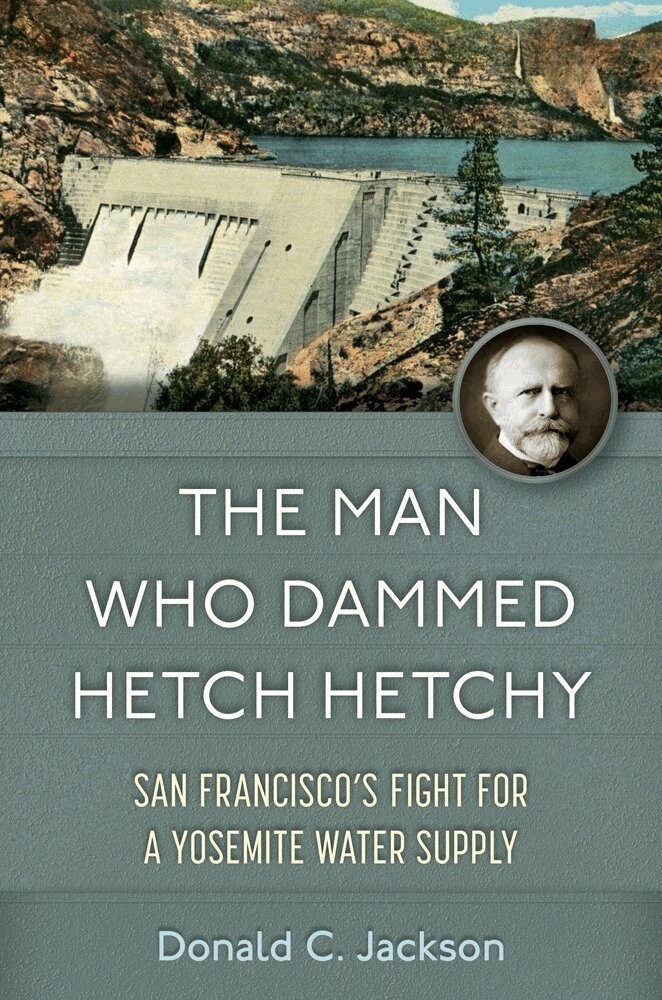
The damming of Hetch Hetchy Valley in Yosemite National Park is widely seen as a watershed event in American environmental history. Passionately opposed by naturalist John Muir and his ardent supporters, the massive undertaking succeeded largely through the efforts of John R. Freeman, one of the most important, influential, and politically adroit engineers of the Progressive Era. In The Man Who Dammed Hetch Hetchy, Donald C. Jackson focuses on Freeman to offer a nuanced account of how the City of San Francisco won the right to transform the bucolic valley into a municipal water supply reservoir that, a century later, continues to serve millions of Bay Area residents. Central to Freeman's work for San Francisco from 1910 to 1913 was his design of a high-pressure aqueduct projected to deliver 400 million gallons of water per day to the Bay Area and generate more than 150,000 horsepower of electricity. Beyond crafting an extensively illustrated 42 -page report detailing his design, he also worked - and succeeded - as a political advocate lobbying for Congressional approval of the project. Jackson draws on a wealth of correspondence, reports, and other documents, including Congressional records, to highlight Freeman's contention that the Hetch Hetchy project would not just provide copious quantities of water and power, but would also enhance the Sierra Nevada environment and increase tourist access to the northern reaches of the national park. His self-avowed goal was not to tear down or destroy Hetch Hetchy but to utilize the valley for the greater public good and to create a system that would serve the city for decades if not centuries to come. Portraying Freeman for the first time in all his provocative complexity, The Man Who Dammed Hetch Hetchy is at once a deeply researched, richly detailed biography and social history and a compelling reinterpretation of a pivotal moment in US environmental culture.