Queer Studies in Education – serie
Visar alla böcker i serien Queer Studies in Education. Handla med fri frakt och snabb leverans.
4 produkter
4 produkter
Del 3 - Queer Studies in Education
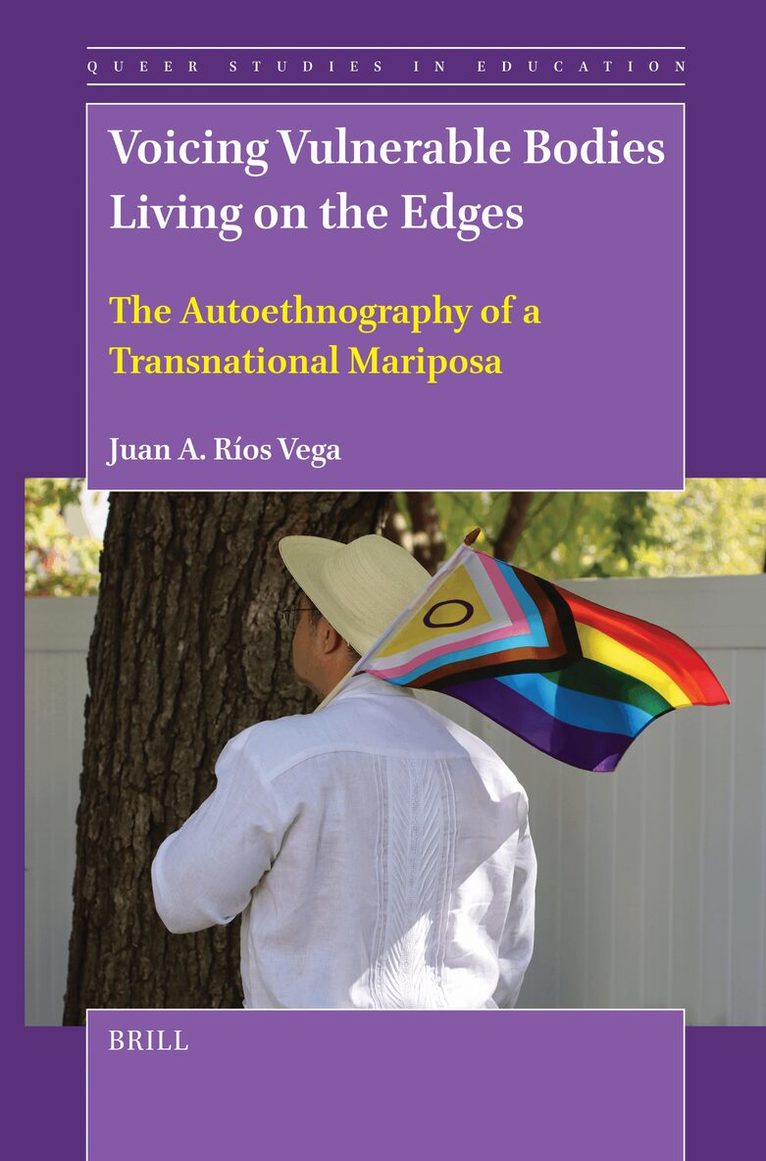
Voicing Vulnerable Bodies Living on the Edges
The Autoethnography of a Transnational Mariposa
Häftad, Engelska, 2024
663 kr
Skickas inom 3-6 vardagar
Panama has been considered one of the most developed countries in Latin America. With high skylines and a modern metro system, this Central American country hides a true reality when we explore it in a deeper level. Like many other marginalized groups, LGBT communities in Panama have been invisible and ignored by the State. Incidents related to homophobia, transphobia, and hate crime have been taken for granted for many years. Instead, LGBT individuals have been blamed for behaving against social and sometimes religious norms. This book answers the researcher’s questions: (1) How can I use my transnational mariposa consciousness to document my lived experiences as a maricón in Panama? (2) What does it mean to be a gay man in Panama nowadays? (3) How do trans women’s experiences with a hostile society shape their everyday existence?
Del 3 - Queer Studies in Education
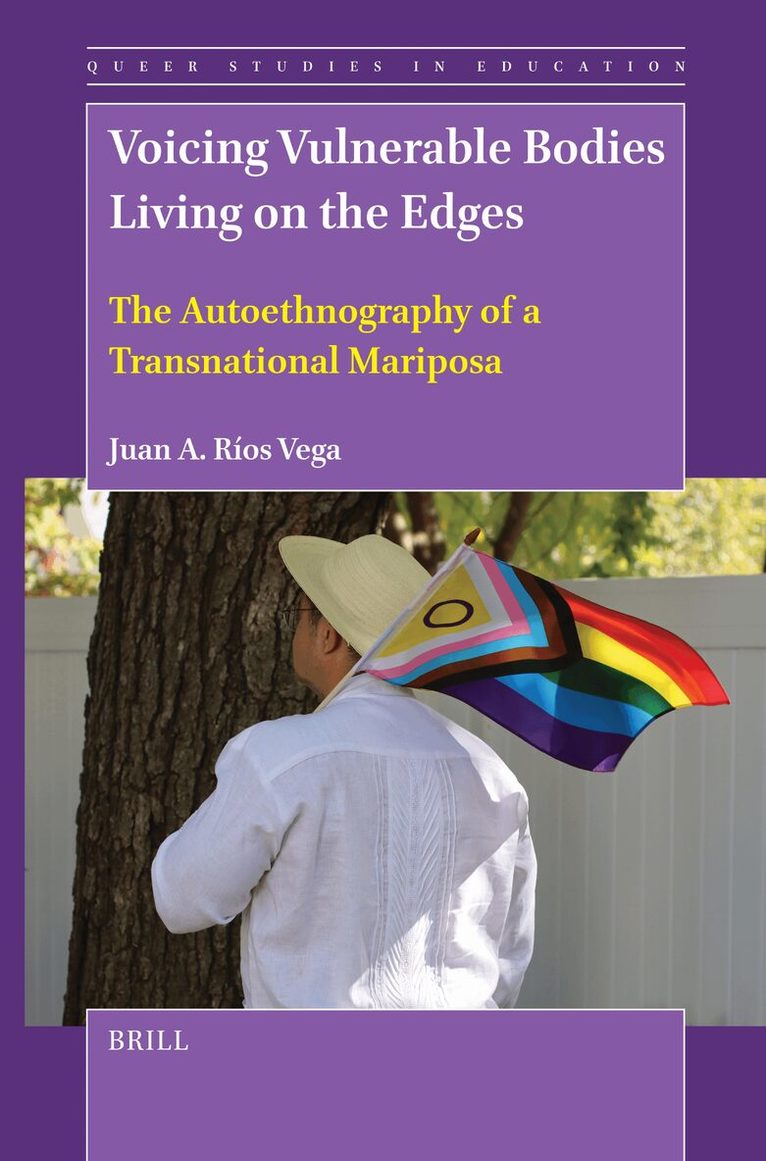
Voicing Vulnerable Bodies Living on the Edges
The Autoethnography of a Transnational Mariposa
Inbunden, Engelska, 2024
1 420 kr
Skickas inom 3-6 vardagar
Panama has been considered one of the most developed countries in Latin America. With high skylines and a modern metro system, this Central American country hides a true reality when we explore it in a deeper level. Like many other marginalized groups, LGBT communities in Panama have been invisible and ignored by the State. Incidents related to homophobia, transphobia, and hate crime have been taken for granted for many years. Instead, LGBT individuals have been blamed for behaving against social and sometimes religious norms. This book answers the researcher’s questions: (1) How can I use my transnational mariposa consciousness to document my lived experiences as a maricón in Panama? (2) What does it mean to be a gay man in Panama nowadays? (3) How do trans women’s experiences with a hostile society shape their everyday existence?
891 kr
Skickas inom 3-6 vardagar
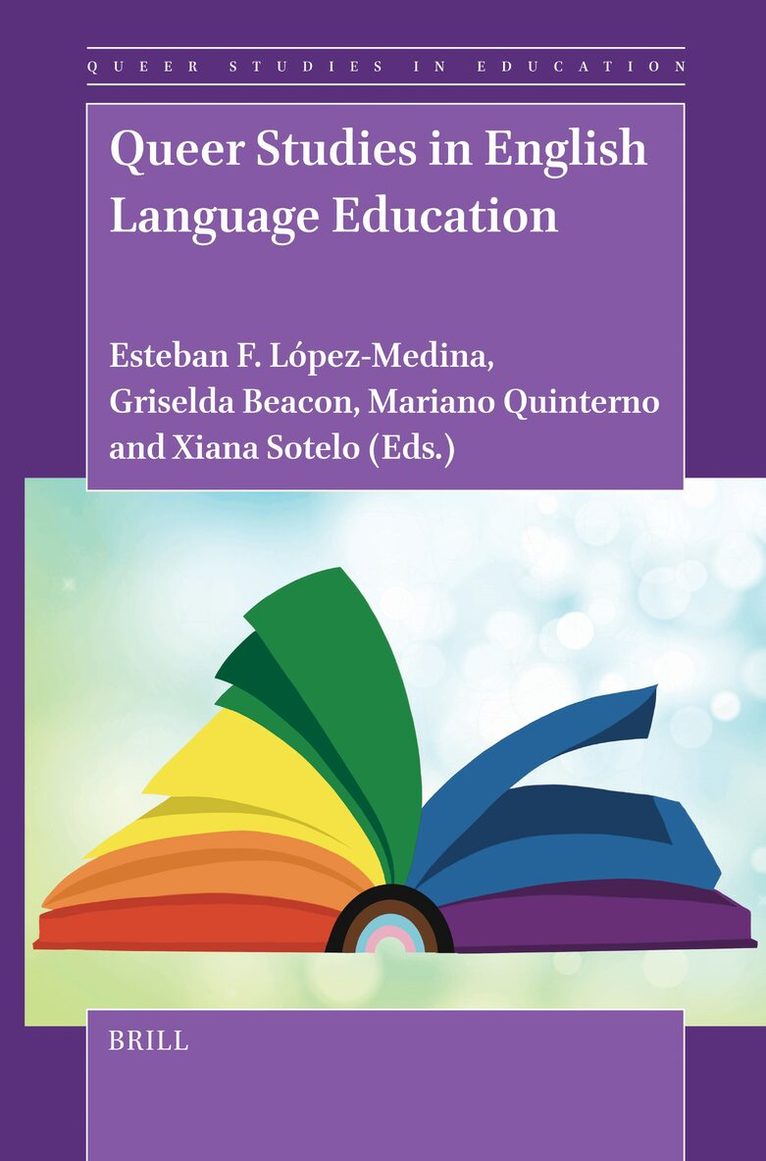
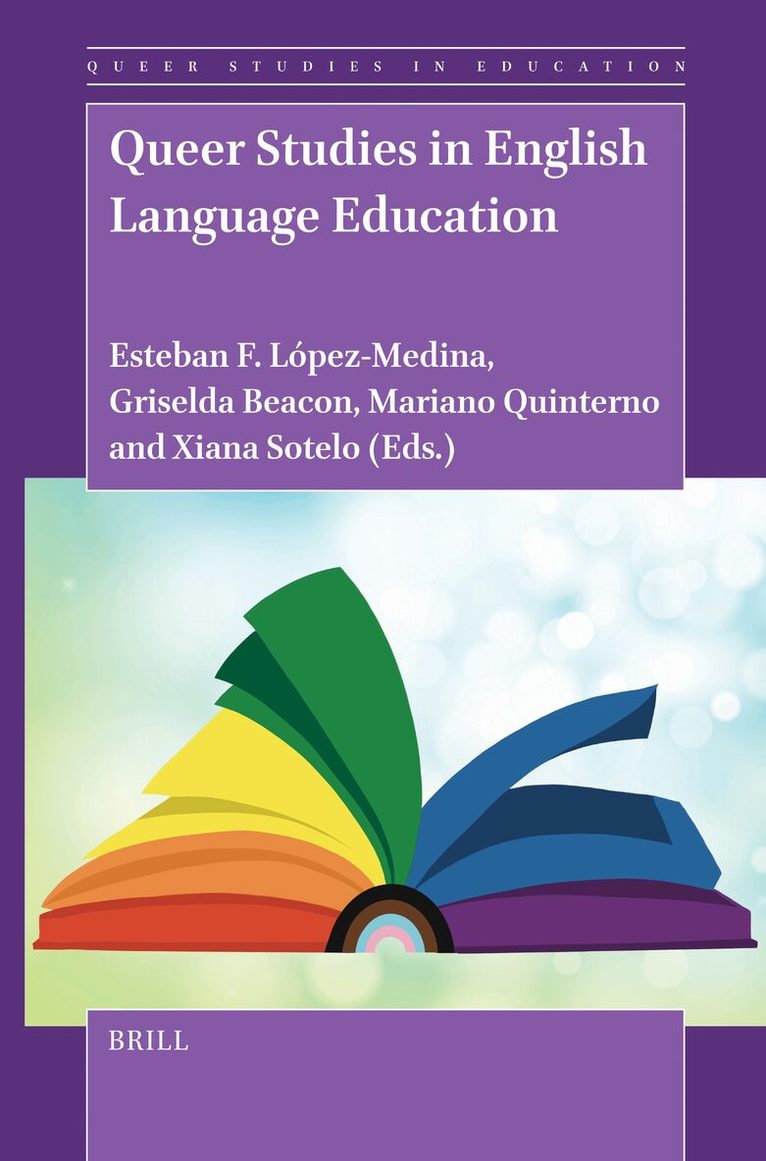
“In the vast majority of language education literature, it seems as if we have been collectively imagining a monosexual community of interlocutors," denounced Cynthia Nelson in 2006. Nearly two decades later, her statement still seems widely true, despite marginal attempts to challenge this situation, not yet fully addressed by mainstream publishers, educators or policymakers.The aim of this book is to contribute to creating more hospitable learning contexts by usualising diversity and queerness in the teaching of English worldwide, a field which, supposedly fostering a “lingua franca” has frequently spread white, masculine, Western, colonial and cisheterosexist stances, among others.How did queerness become a movement in the teaching of English? How can practitioners respond to counterreactions? How has queer research developed in English Language Education? How can teaching materials be queer or anti-queer? How can literature and drama be used when teaching English from a queer perspective? What would a queer class of English be like? What is the situation of queer teachers of English in different countries? These are just some of the questions answered in this book, edited by Esteban López-Medina, Griselda Beacon, Mariano Quinterno and Xiana Sotelo.Contributors are: Juanjo Bermúdez de Castro, Jules Buendgens-Kosten, Tatia Gruenbaum, Cristina A. Huertas-Abril, Nicolás Melo Panigatti, Thorsten Merse, Cynthia D. Nelson, Joshua Paiz, Francisco Javier Palacios-Hidalgo, Michel Riquelme-Sanderson, Sue Sanders, Tyson Seburn, Keiko Tsuchiya and David Valente.
Del 4 - Queer Studies in Education
Queer Studies in English Language Education
Inbunden, Engelska, 2025
2 249 kr
Skickas inom 3-6 vardagar
“In the vast majority of language education literature, it seems as if we have been collectively imagining a monosexual community of interlocutors," denounced Cynthia Nelson in 2006. Nearly two decades later, her statement still seems widely true, despite marginal attempts to challenge this situation, not yet fully addressed by mainstream publishers, educators or policymakers.The aim of this book is to contribute to creating more hospitable learning contexts by usualising diversity and queerness in the teaching of English worldwide, a field which, supposedly fostering a “lingua franca” has frequently spread white, masculine, Western, colonial and cisheterosexist stances, among others.How did queerness become a movement in the teaching of English? How can practitioners respond to counterreactions? How has queer research developed in English Language Education? How can teaching materials be queer or anti-queer? How can literature and drama be used when teaching English from a queer perspective? What would a queer class of English be like? What is the situation of queer teachers of English in different countries? These are just some of the questions answered in this book, edited by Esteban López-Medina, Griselda Beacon, Mariano Quinterno and Xiana Sotelo.Contributors are: Juanjo Bermúdez de Castro, Jules Buendgens-Kosten, Tatia Gruenbaum, Cristina A. Huertas-Abril, Nicolás Melo Panigatti, Thorsten Merse, Cynthia D. Nelson, Joshua Paiz, Francisco Javier Palacios-Hidalgo, Michel Riquelme-Sanderson, Sue Sanders, Tyson Seburn, Keiko Tsuchiya and David Valente.