Research Handbooks in Planning series - Böcker
Visar alla böcker i serien Research Handbooks in Planning series. Handla med fri frakt och snabb leverans.
6 produkter
6 produkter
702 kr
Skickas inom 7-10 vardagar
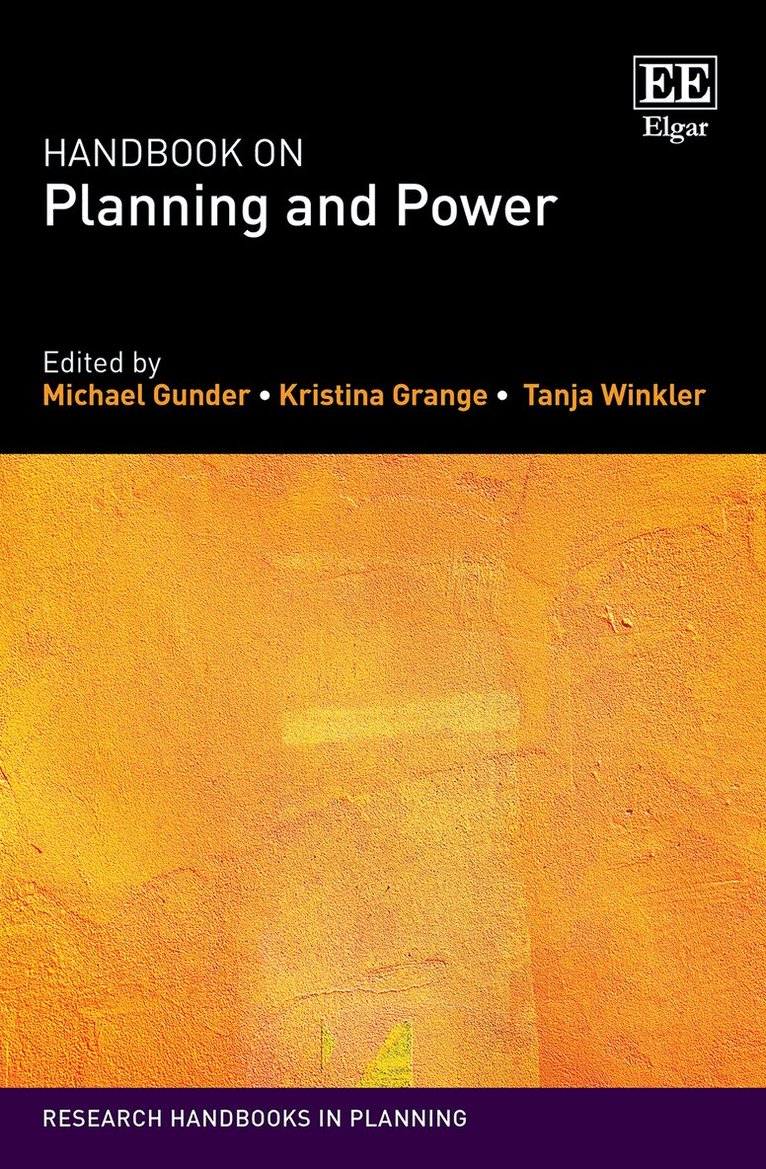
Drawing on research from diverse thinkers in urban planning and the built environment, this Handbook articulates the cutting edge of contemporary understandings about power and its impact on planning. It identifies the current state of knowledge about planning and power, as well as emerging trajectories within this field of research.This comprehensive Handbook examines power relations in late capitalism and provides normative suggestions on how power might be utilised in planning. Chapters analyse the work of fundamental theoretical thinkers, including Marx, Foucault, Deleuze, and Lacan, as well as the history and practice of abolitionist housing justice in the United States, feminist and queer perspectives on planning and power, and the emerging autonomous smart city. It demonstrates the effects of power within planning and the ways in which individuals, communities, and organisations are shaped and impacted positively and negatively by its practices.With case studies from a range of different geopolitical regions, this stimulating Handbook will be essential reading for students and scholars of architecture, community development, geography, urban and regional planning, urban design, and urban studies. It will also be beneficial for practitioners of planning and the built environment.
3 527 kr
Skickas inom 7-10 vardagar
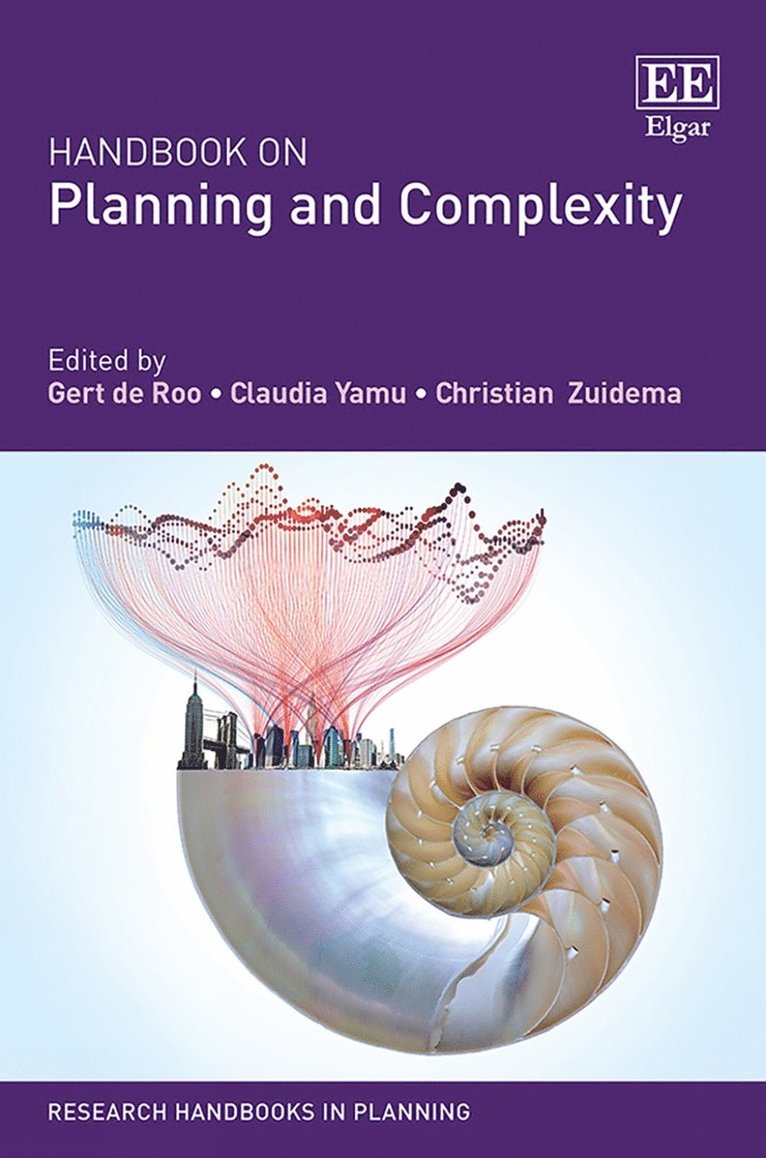
Deepening the scientific debate on planning and complexity, this Handbook combines theoretical discussion about planning and governance with modelling complex behaviour in space and place. Linking planning and complexity as a way of understanding dynamic change and non-linear development within cities, it presents critical new insights on complex urban behaviour.Building on the notion that cities have fractal-like structures, chapters look at their behaviour as complex adaptive systems, with co-evolving trajectories and transformative forces. The Handbook offers new perspectives, concepts, methods and tools for understanding the inter-relations between complexity and planning, including: adaptive planning, non-linear types of rationality, governance and decision-making, and different methods of experimental learning.Planning, complexity, urban studies and social geography scholars will appreciate the examples of complex urban behaviour and urban planning throughout the Handbook. This will also be an important read for modellers in urban development, urban policy makers and spatial planners.Contributors include: E.R. Alexander, Y. Asami, M. Batty, R. Beunen, B. Boonstra, S.D. Campbell, S. Cozzolino, M. Duineveld, S. Eräranta, N. Frantzeskaki, T. Ishikawa, W. Jager, D. Loorbach, S. Moroni, C. Perrone, J. Portugali, W. Rauws, N.A. Salingaros, K. Van Assche, A. van Nes, S. Verweij, T. Von Wirth, M. Zellner,
4 209 kr
Skickas inom 7-10 vardagar
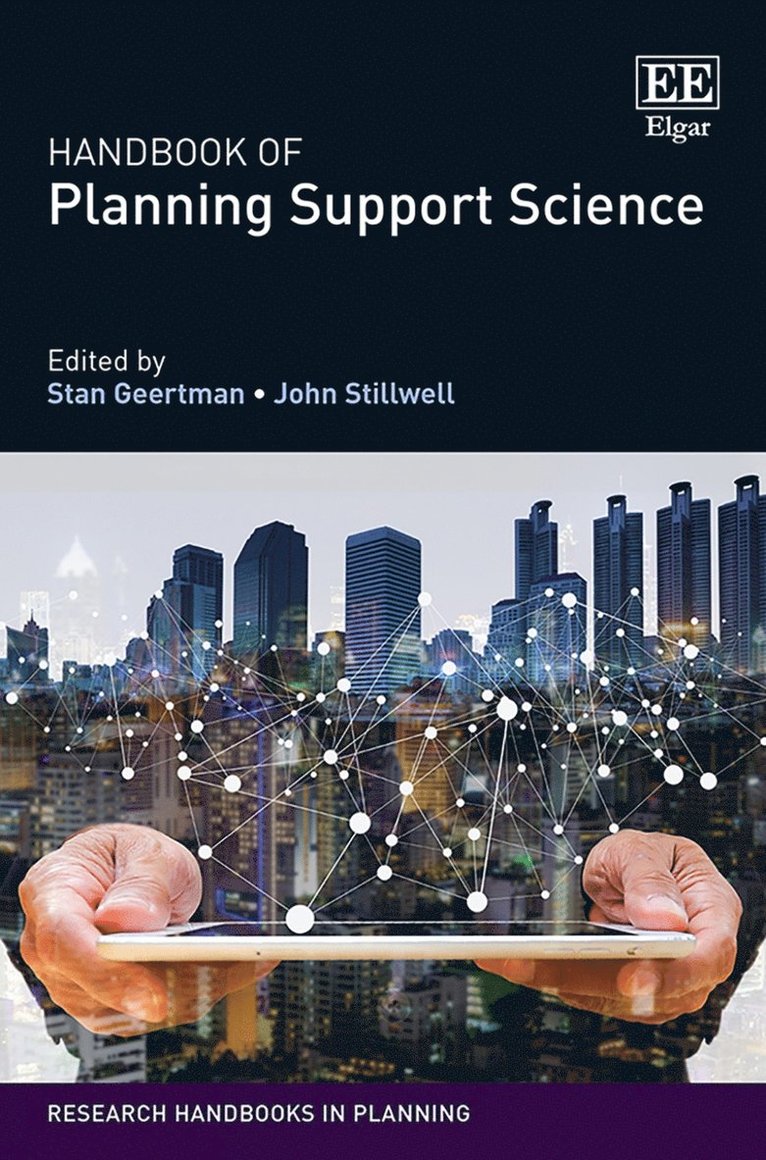
Encompassing a broad range of innovative studies on planning support science, this timely Handbook examines how the consequences of pressing societal challenges can be addressed using computer-based systems. Chapters explore the use of new streams of big and open data as well as data from traditional sources, offering significant critical insights into the field.Contributions from key scholars from around the world demonstrate how mature the field of planning support science has become in providing support for practitioners to confront diverse problems. The Handbook analyses a carefully selected range of case studies looking at digitization, big data, geodesign, applied modelling, smart city instruments and planning support systems. It addresses key urban challenges including traffic congestion, neighbourhood gentrification and urban heat-island formation, providing examples of how planning practitioners can improve modern urban conditions.Scholars of urban and regional studies as well as human geographers will find this to be a critical reference on the topic. With examples of planning applications from across the world, this will also be a key resource for urban and regional planners and policy-makers.Contributors include: J. Barton, R. Behrens, C. Biderman, M. Birkin, S. Blanchard, P. Boden, M. Campagna, Y. Chen, H. Chou, J. Claassens, C. Daniel, C. de Boer, B. Deal, Z. Deng, S. Eagleson, F. Fernandez, F. Figari, J. Flacke, Q.-L. Gao, S. Geertman, X. Goldie, R. Goodspeed, P. Greenwood, Y. Gu, S. Guhathakurta, J.D. Hamerlinck, N. Hood, R. Hughes, W. James, E. Janowicz, R. Janssen, M. Kahila-Tani, R. Kingston, B.W. Koo, E. Koomen, P. Krause, H.R. Kwon, M. Kyttä, S.Z. Leao, J. Li, S. Li, X. Li, S. Lieske, J. Liu, L. Liu, Z. Liu, O. Lock, N. Lomax, Y. Long, R. Lovelace, I. Luque-Martín, J. Martinez, S. Maurer, T. Moyo, W. Musakwa, A. Newing, H. Niu, P. Pelzer, C. Pettit, K. Pfeffer, S. Pinnegar, E. Punt, B. Rijken, R. Sieber, E.A. Silva, A.P. Smith, A. Staffans, I. Sterland, J. Stillwell, B. Stimson, T. Su, D.C. Swiatek, Z. Tomor, F. van den Bosch, V. Vlastaras, P. Waddell, S. Wang, M. Wegener, C. Whitcomb, P. Witte, A.G.O. Yeh, Y. Yue, G. Zhang, X. Zhang, N. Zhao, Z. Zheng, X. Zhou, M. Zuidgeest
759 kr
Skickas inom 7-10 vardagar
Encompassing a broad range of innovative studies on planning support science, this timely Handbook examines how the consequences of pressing societal challenges can be addressed using computer-based systems. Chapters explore the use of new streams of big and open data as well as data from traditional sources, offering significant critical insights into the field.Contributions from key scholars from around the world demonstrate how mature the field of planning support science has become in providing support for practitioners to confront diverse problems. The Handbook analyses a carefully selected range of case studies looking at digitization, big data, geodesign, applied modelling, smart city instruments and planning support systems. It addresses key urban challenges including traffic congestion, neighbourhood gentrification and urban heat-island formation, providing examples of how planning practitioners can improve modern urban conditions.Scholars of urban and regional studies as well as human geographers will find this to be a critical reference on the topic. With examples of planning applications from across the world, this will also be a key resource for urban and regional planners and policy-makers.Contributors include: J. Barton, R. Behrens, C. Biderman, M. Birkin, S. Blanchard, P. Boden, M. Campagna, Y. Chen, H. Chou, J. Claassens, C. Daniel, C. de Boer, B. Deal, Z. Deng, S. Eagleson, F. Fernandez, F. Figari, J. Flacke, Q.-L. Gao, S. Geertman, X. Goldie, R. Goodspeed, P. Greenwood, Y. Gu, S. Guhathakurta, J.D. Hamerlinck, N. Hood, R. Hughes, W. James, E. Janowicz, R. Janssen, M. Kahila-Tani, R. Kingston, B.W. Koo, E. Koomen, P. Krause, H.R. Kwon, M. Kyttä, S.Z. Leao, J. Li, S. Li, X. Li, S. Lieske, J. Liu, L. Liu, Z. Liu, O. Lock, N. Lomax, Y. Long, R. Lovelace, I. Luque-Martín, J. Martinez, S. Maurer, T. Moyo, W. Musakwa, A. Newing, H. Niu, P. Pelzer, C. Pettit, K. Pfeffer, S. Pinnegar, E. Punt, B. Rijken, R. Sieber, E.A. Silva, A.P. Smith, A. Staffans, I. Sterland, J. Stillwell, B. Stimson, T. Su, D.C. Swiatek, Z. Tomor, F. van den Bosch, V. Vlastaras, P. Waddell, S. Wang, M. Wegener, C. Whitcomb, P. Witte, A.G.O. Yeh, Y. Yue, G. Zhang, X. Zhang, N. Zhao, Z. Zheng, X. Zhou, M. Zuidgeest
3 333 kr
Skickas inom 7-10 vardagar
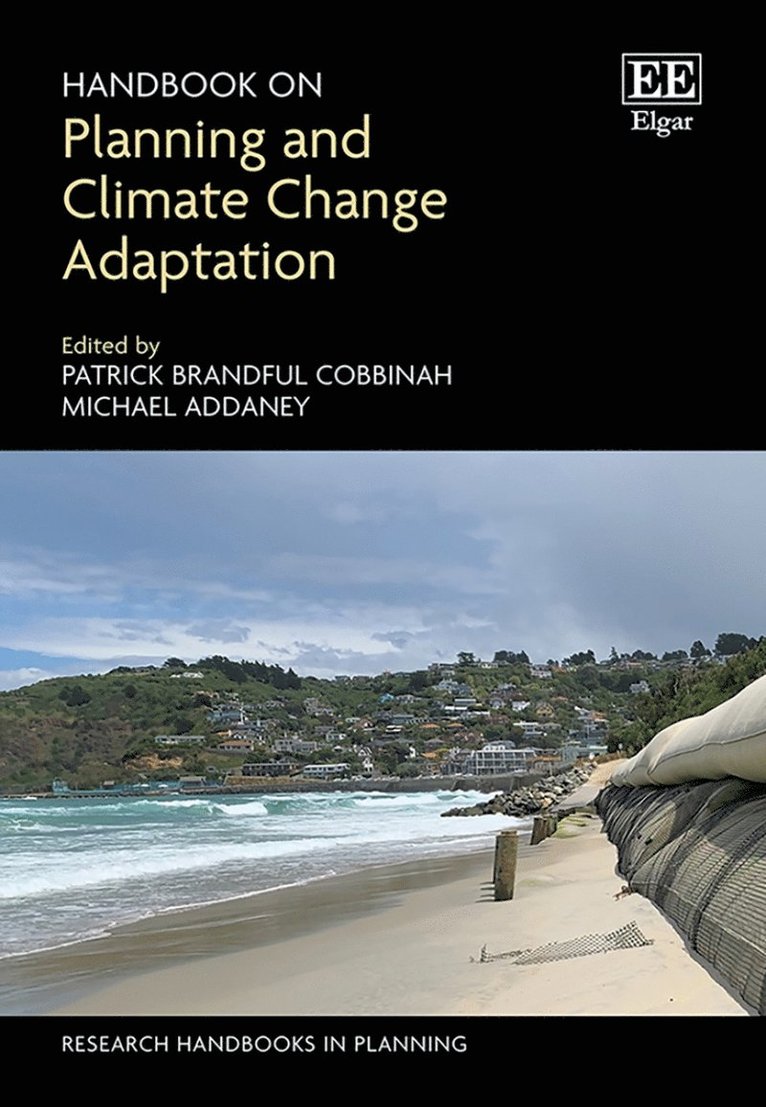
This timely Handbook explores how planning can be used as a mechanism, a tool and a process to sustainably manage the impacts of climate change. Conceptually grounded in the planning and climate change literature, it illustrates the different capabilities, and inadequacies, of planning in addressing climate change adaptation.Focusing on vulnerability to climate change, planning and resilience responses and the future of climate change adaptation, the Handbook analyses multiple case studies from across the global North and South. These include adaptations to extreme heat in Tanzania, urban resilience in Zimbabwe and nature-based solutions for Australian cities. Leading experts discuss the widespread, severe and frequent impacts of the climate crisis, such as flood and drought events, hurricanes, heatwaves and bush fires. They demonstrate the capacity of planning to deliver climate change actions, as well as how planning education is responding to these challenges.Students and scholars of urban, regional and environmental planning will greatly benefit from this illuminating Handbook. It is also a vital resource for academics in related fields such as human geography, development studies and urban studies.
3 479 kr
Skickas inom 7-10 vardagar
Drawing on research from diverse thinkers in urban planning and the built environment, this Handbook articulates the cutting edge of contemporary understandings about power and its impact on planning. It identifies the current state of knowledge about planning and power, as well as emerging trajectories within this field of research.This comprehensive Handbook examines power relations in late capitalism and provides normative suggestions on how power might be utilised in planning. Chapters analyse the work of fundamental theoretical thinkers, including Marx, Foucault, Deleuze, and Lacan, as well as the history and practice of abolitionist housing justice in the United States, feminist and queer perspectives on planning and power, and the emerging autonomous smart city. It demonstrates the effects of power within planning and the ways in which individuals, communities, and organisations are shaped and impacted positively and negatively by its practices.With case studies from a range of different geopolitical regions, this stimulating Handbook will be essential reading for students and scholars of architecture, community development, geography, urban and regional planning, urban design, and urban studies. It will also be beneficial for practitioners of planning and the built environment.