Research in Organizational Science – serie
Visar alla böcker i serien Research in Organizational Science. Handla med fri frakt och snabb leverans.
16 produkter
16 produkter
Häftad, Engelska, 2006
655 kr
Skickas inom 5-8 vardagar
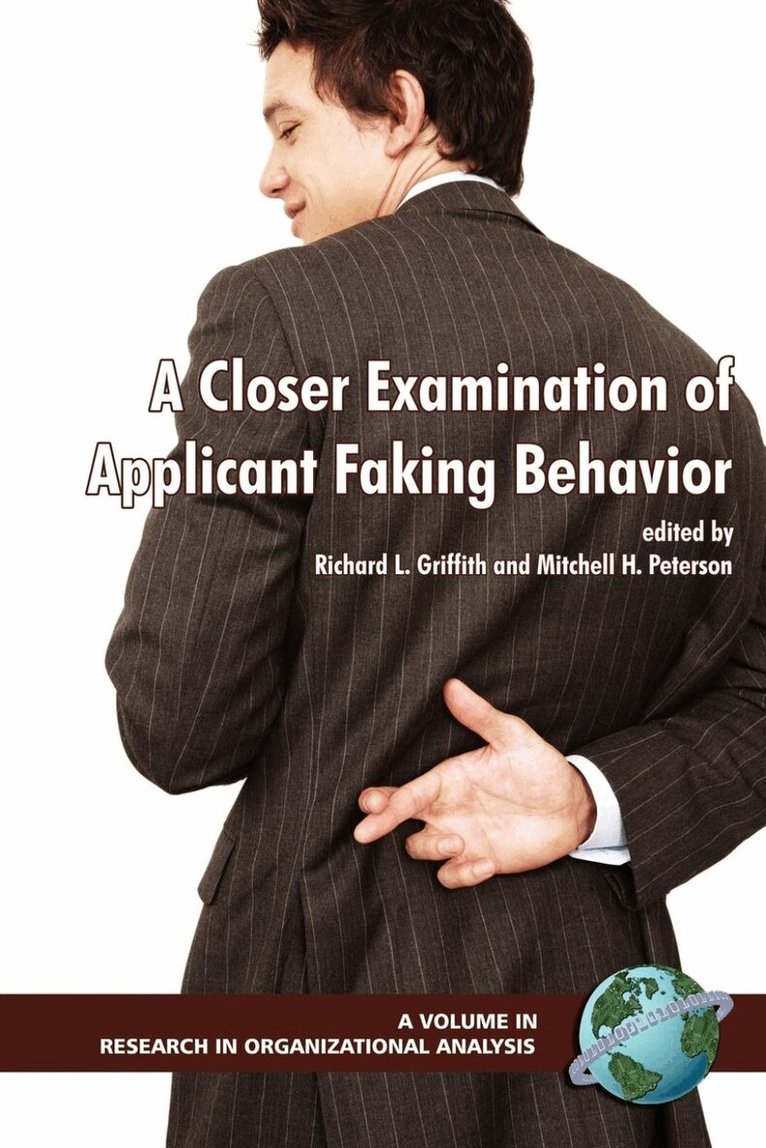
The faking of personality tests in a selection context has been perceived as somewhat of a nuisance variable, and largely ignored, or glossed over by the academic literature. Instead of examining the phenomenon many researchers have ignored its existence, or trivialized the impact of faking on personality measurement. The present volume is a much needed, timely corrective to this attitude. In a wide range of chapters representing different philosophical and empirical approaches, the assembled authors demonstrate the courage to tackle this important and difficult topic head-on, as it deserves to be. The writers of these chapters identify two critical concerns with faking. First, if people fake their responses to personality tests, the resulting scores and the inferences drawn from them might become invalid. For example, people who fake their responses by describing themselves as diligent and prompt might earn better conscientiousness scores, and therefore be hired for jobs requiring this trait that in fact they might not perform satisfactorily. Second, the dishonesty of the faker might itself be a problem, separate from its effect on a particular score. Someone who lies on a pre-employment test might also lie about the hours he or she works, or how much cash is in the till at the end of the shift. Worse, these two problems might exacerbate each other: a dishonest applicant might get higher scores on the traits the employer desires through his or her lying, whereas the compulsively honest applicant might get low scores as an ironic penalty for being honest. Outcomes like these harm employers and applicants alike. The more one delves into the complexities of faking, as the authors of the chapters in this volume do so thoroughly and so well, the more one will recognize that this seemingly specialized topic ties directly to more general issues in psychology. One of these is test validity. The bottom-line question about any test score, faked or not, is whether it will predict the behaviors and outcomes that it is designed to predict. As Johnson and Hogan point out in their chapter, the behavior of someone faking a test is a subset of the behavior of the person in his or her entire life, and the critical research question concerns the degree to which and manner in which behavior in one domain generalizes to behavior in other domains. This observation illuminates the fact that the topic of faking is also a key part of understanding the relationship between personality and behavior. The central goal of theoretical psychology is to understand why people do the things they do. The central goal of applied psychology is to predict what someone will do in the future. Both of these goals come together in the study of applicant faking.
Inbunden, Engelska, 2006
1 109 kr
Skickas inom 5-8 vardagar
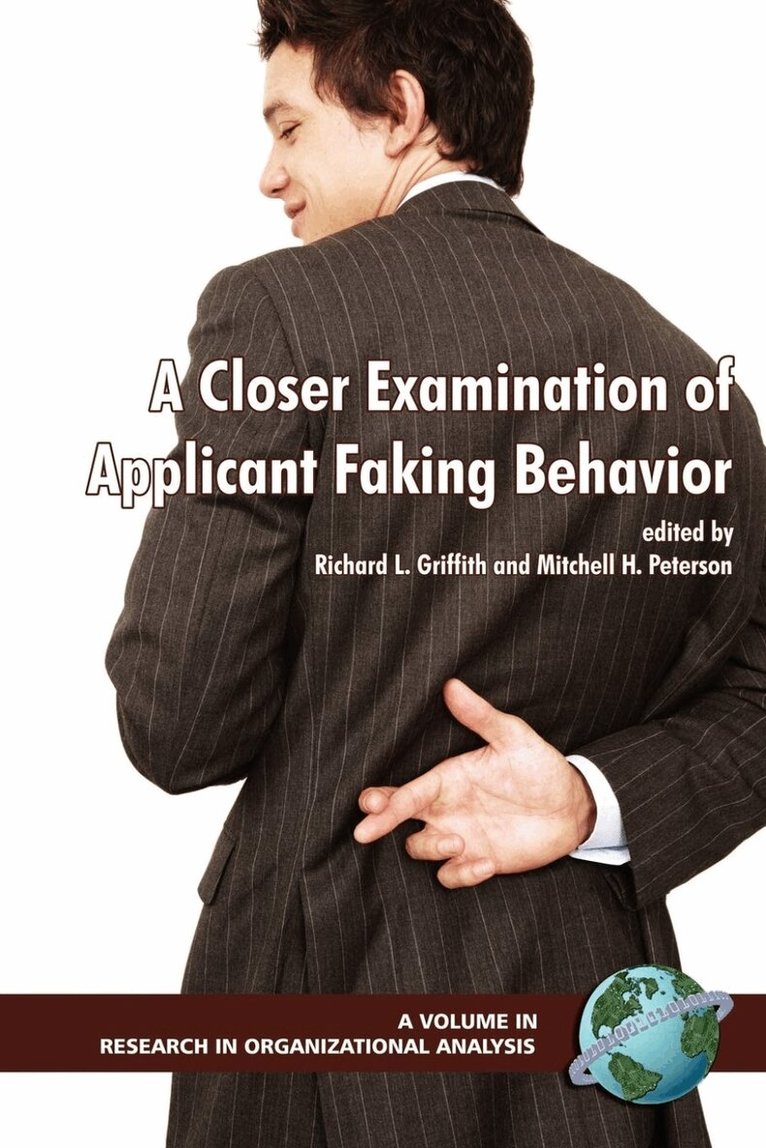
The faking of personality tests in a selection context has been perceived as somewhat of a nuisance variable, and largely ignored, or glossed over by the academic literature. Instead of examining the phenomenon many researchers have ignored its existence, or trivialized the impact of faking on personality measurement. The present volume is a much needed, timely corrective to this attitude. In a wide range of chapters representing different philosophical and empirical approaches, the assembled authors demonstrate the courage to tackle this important and difficult topic head-on, as it deserves to be. The writers of these chapters identify two critical concerns with faking. First, if people fake their responses to personality tests, the resulting scores and the inferences drawn from them might become invalid. For example, people who fake their responses by describing themselves as diligent and prompt might earn better conscientiousness scores, and therefore be hired for jobs requiring this trait that in fact they might not perform satisfactorily. Second, the dishonesty of the faker might itself be a problem, separate from its effect on a particular score. Someone who lies on a pre-employment test might also lie about the hours he or she works, or how much cash is in the till at the end of the shift. Worse, these two problems might exacerbate each other: a dishonest applicant might get higher scores on the traits the employer desires through his or her lying, whereas the compulsively honest applicant might get low scores as an ironic penalty for being honest. Outcomes like these harm employers and applicants alike. The more one delves into the complexities of faking, as the authors of the chapters in this volume do so thoroughly and so well, the more one will recognize that this seemingly specialized topic ties directly to more general issues in psychology. One of these is test validity. The bottom-line question about any test score, faked or not, is whether it will predict the behaviors and outcomes that it is designed to predict. As Johnson and Hogan point out in their chapter, the behavior of someone faking a test is a subset of the behavior of the person in his or her entire life, and the critical research question concerns the degree to which and manner in which behavior in one domain generalizes to behavior in other domains. This observation illuminates the fact that the topic of faking is also a key part of understanding the relationship between personality and behavior. The central goal of theoretical psychology is to understand why people do the things they do. The central goal of applied psychology is to predict what someone will do in the future. Both of these goals come together in the study of applicant faking.
Häftad, Engelska, 2007
626 kr
Skickas inom 5-8 vardagar
This volume is based around 14 chapters and two critical analyses which provide new perspectives on important organizational constructs. The first half of the book provides chapters by advanced graduate students who are making their first contributions to understanding organizational behavior. The second half of the book provides chapters illustrating new views of organizational constructs but from the perspectives of more established researchers in the field. All chapters share a common theme of attempting to provide new ways of viewing organizations and organizational behavior. Each chapter is based on the premise that, when presented with problems that seem impossible to solve, often the best results are achieved by finding new perspectives on the basic constructs being studied. These new perspectives provide insights which illuminate the problems for the theory of organizations as well as improving the ability of organizational members to solve practical organizational problems.
Inbunden, Engelska, 2007
1 107 kr
Skickas inom 5-8 vardagar
This volume is based around 14 chapters and two critical analyses which provide new perspectives on important organizational constructs. The first half of the book provides chapters by advanced graduate students who are making their first contributions to understanding organizational behavior. The second half of the book provides chapters illustrating new views of organizational constructs but from the perspectives of more established researchers in the field. All chapters share a common theme of attempting to provide new ways of viewing organizations and organizational behavior. Each chapter is based on the premise that, when presented with problems that seem impossible to solve, often the best results are achieved by finding new perspectives on the basic constructs being studied. These new perspectives provide insights which illuminate the problems for the theory of organizations as well as improving the ability of organizational members to solve practical organizational problems.
Häftad, Engelska, 2011
625 kr
Skickas inom 5-8 vardagar
Emerging Themes in International Management of Human Resources is the third volume in the Research in Organizational Analysis series. This volume investigates important human resource management (HRM) issues within an international context. The papers in this volume provide insight into several HRM areas.First, the international context’s effects on management knowledge transfer; privatization of traditionally governmental services; and the relation between social capital and organizational diversity is considered. The second part of this volume is concerned with the issue of staffing in international organizations with special emphasis on HRM selection and termination practices for the cross-national company. Third, women’s issues in the international firm are explored. Gender issues such as flexible work arrangements and the role of culturally defined gender egalitarian values on role differences among women and men managers are investigated. Finally, the volume explores the issues of expatriation and repatriation among firms. The role of psychological contracts in supporting successful expatriate experiences; how repatriate support practices influence repatriate organizational commitment; turnover intentions; and career success; and an investigation of repatriation as sense making process are discussed. This volume provides a good basis for understanding how HRM practices are affected by cross-cultural differences and provides insight into best HRM practices for the international organization.
Inbunden, Engelska, 2011
1 106 kr
Skickas inom 5-8 vardagar
Emerging Themes in International Management of Human Resources is the third volume in the Research in Organizational Analysis series. This volume investigates important human resource management (HRM) issues within an international context. The papers in this volume provide insight into several HRM areas.First, the international context’s effects on management knowledge transfer; privatization of traditionally governmental services; and the relation between social capital and organizational diversity is considered. The second part of this volume is concerned with the issue of staffing in international organizations with special emphasis on HRM selection and termination practices for the cross-national company. Third, women’s issues in the international firm are explored. Gender issues such as flexible work arrangements and the role of culturally defined gender egalitarian values on role differences among women and men managers are investigated. Finally, the volume explores the issues of expatriation and repatriation among firms. The role of psychological contracts in supporting successful expatriate experiences; how repatriate support practices influence repatriate organizational commitment; turnover intentions; and career success; and an investigation of repatriation as sense making process are discussed. This volume provides a good basis for understanding how HRM practices are affected by cross-cultural differences and provides insight into best HRM practices for the international organization.
Häftad, Engelska, 2014
694 kr
Skickas inom 5-8 vardagar
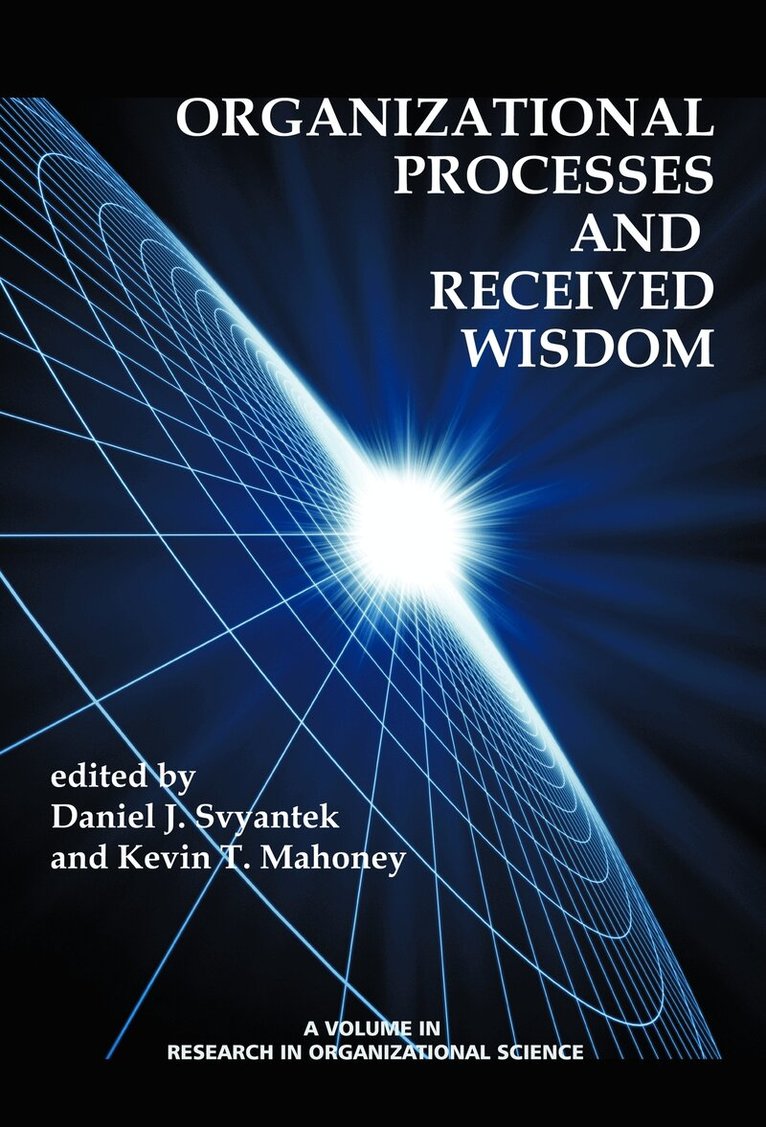
This Research in Organizational Sciences volume to explore and question the received wisdom of organizational sciences. The chapters in this volume (and the companion volume) seek to establish boundary conditions for important organizational constructs and processes. They illustrate the importance of context for interpreting the received wisdom of organizational science by showing when constructs must be adapted to changing circumstances.The volume begins with four chapters looking at the construct of leadership. Each of these addresses an important aspect of our understanding of leadership and its practice. The four chapters on leadership are followed by five chapters dealing with other organizational processes including motivation, organizational change, the role of diversity in organizations and organizational citizenship. The last three chapters deal with the issue of knowledge in large systems. Two chapters address how information may be transmitted across organizations and generations of workers. The final chapter deals with the use of information by organizational decision-makers.The 12 papers in this volume all, in some way question received wisdom and present alternatives which expand our understanding of organizational behavior. These chapters each strive to present new ways of understanding organizational constructs, and in so doing reveal how received wisdom does not always lead to best practice in research or application. It is our hope that these chapters illustrate how challenging received wisdom in organizational studies can provide new ways of thinking about organizational processes. These new ways of thinking in turn can provide better understanding of the processes necessary to increase organizational effectiveness.
Inbunden, Engelska, 2014
1 175 kr
Skickas inom 5-8 vardagar
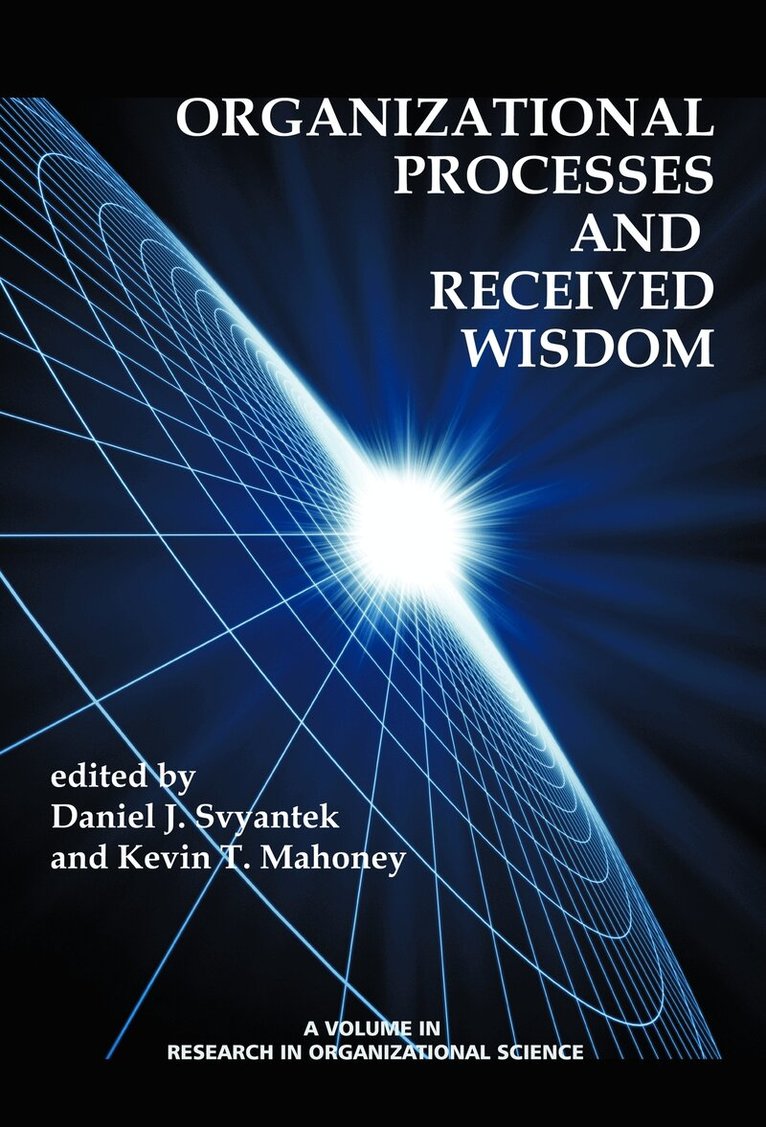
This Research in Organizational Sciences volume to explore and question the received wisdom of organizational sciences. The chapters in this volume (and the companion volume) seek to establish boundary conditions for important organizational constructs and processes. They illustrate the importance of context for interpreting the received wisdom of organizational science by showing when constructs must be adapted to changing circumstances.The volume begins with four chapters looking at the construct of leadership. Each of these addresses an important aspect of our understanding of leadership and its practice. The four chapters on leadership are followed by five chapters dealing with other organizational processes including motivation, organizational change, the role of diversity in organizations and organizational citizenship. The last three chapters deal with the issue of knowledge in large systems. Two chapters address how information may be transmitted across organizations and generations of workers. The final chapter deals with the use of information by organizational decision-makers.The 12 papers in this volume all, in some way question received wisdom and present alternatives which expand our understanding of organizational behavior. These chapters each strive to present new ways of understanding organizational constructs, and in so doing reveal how received wisdom does not always lead to best practice in research or application. It is our hope that these chapters illustrate how challenging received wisdom in organizational studies can provide new ways of thinking about organizational processes. These new ways of thinking in turn can provide better understanding of the processes necessary to increase organizational effectiveness.
Häftad, Engelska, 2021
556 kr
Skickas inom 5-8 vardagar
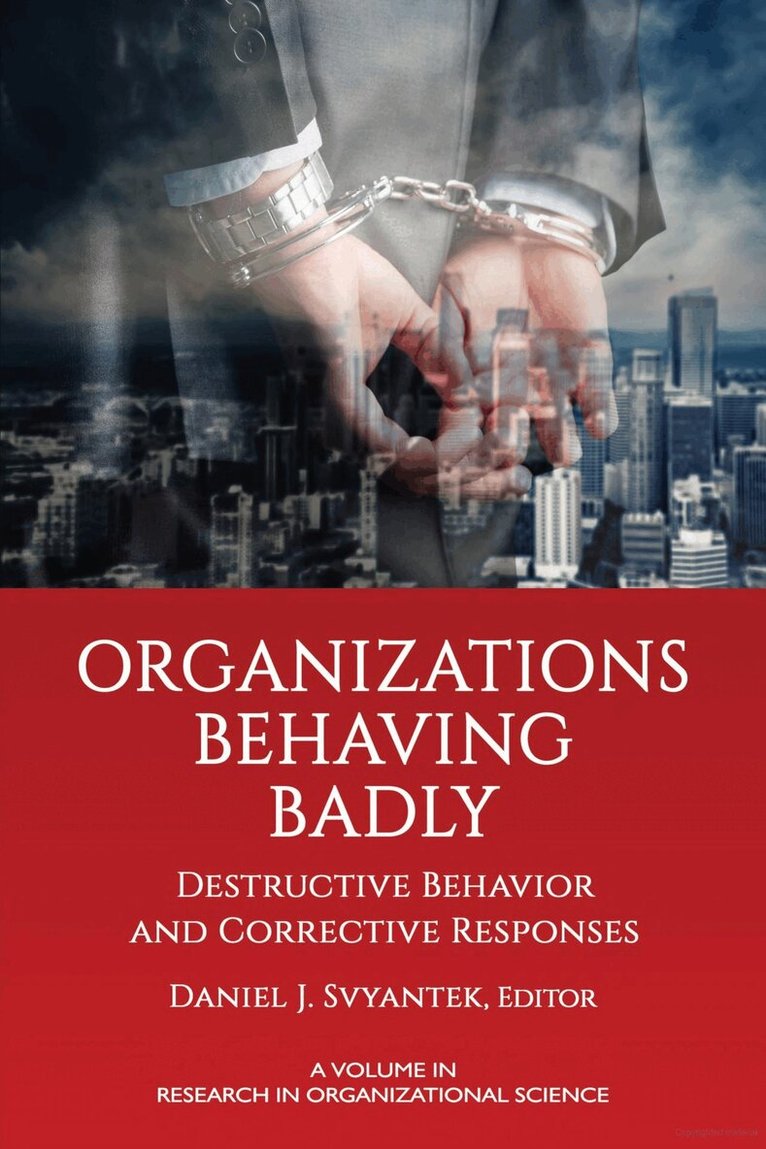
Organizational science profits from taking new perspectives using a simple model to understand why behaviors of particular types occur within them. This volume provides readers with a rich source of casestudies and empirical studies of the role played by the interaction between individual actors, organizational contexts, and the actual behaviors being performed the actors. These chapters each seek to describe how these three interact in to create organizational practices with negative effects on either internal members of the organization or external stakeholders (e.g,. clients). The chapters provide insight into how organizations may control these negative behaviors with basic Human Resource Management practices. It is this volume’s hope that these chapters may provide insight into the important role these three factors plays in understanding negative organizational behavior within organizations across the world.
Inbunden, Engelska, 2021
1 037 kr
Skickas inom 5-8 vardagar
Organizational science profits from taking new perspectives using a simple model to understand why behaviors of particular types occur within them. This volume provides readers with a rich source of casestudies and empirical studies of the role played by the interaction between individual actors, organizational contexts, and the actual behaviors being performed the actors. These chapters each seek to describe how these three interact in to create organizational practices with negative effects on either internal members of the organization or external stakeholders (e.g,. clients). The chapters provide insight into how organizations may control these negative behaviors with basic Human Resource Management practices. It is this volume’s hope that these chapters may provide insight into the important role these three factors plays in understanding negative organizational behavior within organizations across the world.
Häftad, Engelska, 2022
625 kr
Skickas inom 5-8 vardagar
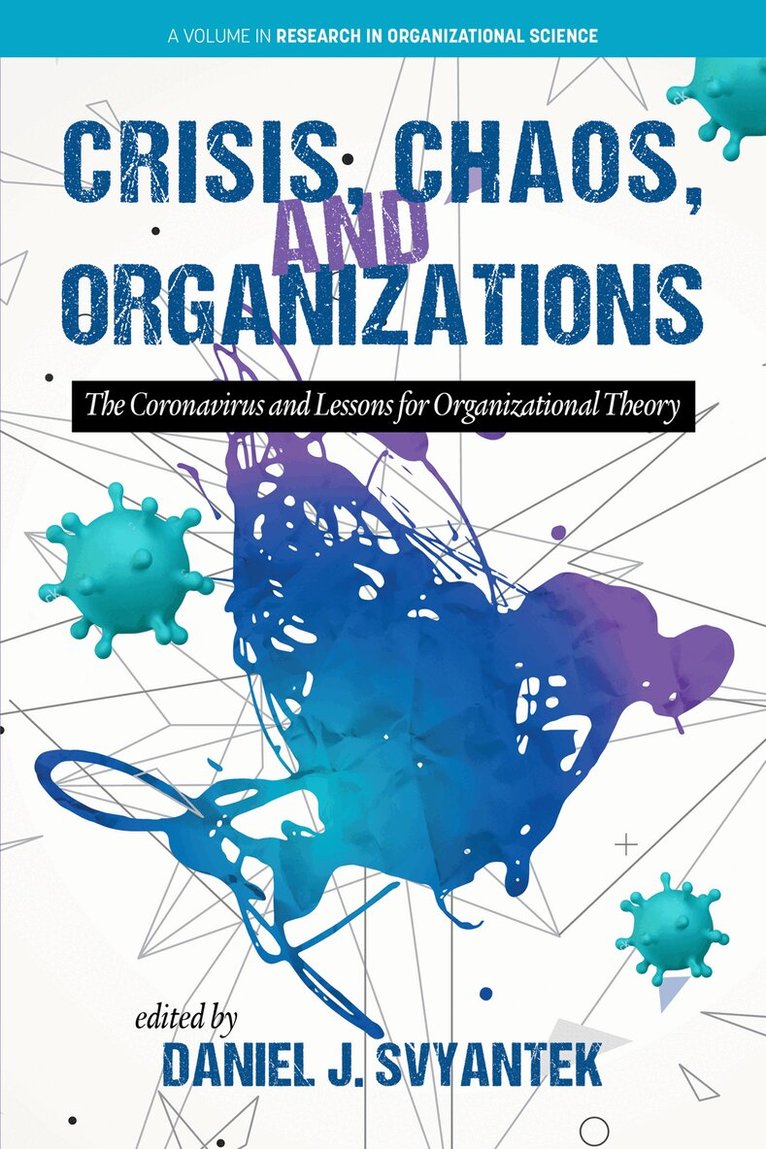
The COVID-19 pandemic provides an illustration of how chaotic changes to large systems are caused by small, seemingly insignificant environmental events such as the initial case(s) of COVID-19 in China. From this small starting point for the pandemic, there have been (and continue to be) millions of lives lost and trillions of dollars spent trying to alleviate the effects of the COVID-19 pandemic. World government and corporate leaders are striving to deal with this pandemic, but uncertainty is felt across the globe.Unprecedented strategies (e.g., the United States government’s multi-trillion-dollar stimulus package (s)) have been used to halt the spread of COVID-19. These small events cascade throughout larger and larger systems leading to unforeseeable consequences. Organizations must experiment and make decisions on how to react. Decisions must be made and implemented to see what the effects of these decisions are.The chapters in this volume provide important insights for all organizations during this time of crisis. The chapters express bottom-up and top-down approaches to a crisis-initiating environmental change by organizations. The chapters provide insight into the way organizations perceive the effect of COVID-19 as 1) a permanent or transitory change in the organization’s environment; and 2) as a crisis or opportunity. Taken together, the chapters provide both scientists and practitioners with a starting point for understanding the impact of COVID-19 on organizational theory and on management practice for readers.
Inbunden, Engelska, 2022
1 106 kr
Skickas inom 5-8 vardagar
The COVID-19 pandemic provides an illustration of how chaotic changes to large systems are caused by small, seemingly insignificant environmental events such as the initial case(s) of COVID-19 in China. From this small starting point for the pandemic, there have been (and continue to be) millions of lives lost and trillions of dollars spent trying to alleviate the effects of the COVID-19 pandemic. World government and corporate leaders are striving to deal with this pandemic, but uncertainty is felt across the globe.Unprecedented strategies (e.g., the United States government’s multi-trillion-dollar stimulus package (s)) have been used to halt the spread of COVID-19. These small events cascade throughout larger and larger systems leading to unforeseeable consequences. Organizations must experiment and make decisions on how to react. Decisions must be made and implemented to see what the effects of these decisions are.The chapters in this volume provide important insights for all organizations during this time of crisis. The chapters express bottom-up and top-down approaches to a crisis-initiating environmental change by organizations. The chapters provide insight into the way organizations perceive the effect of COVID-19 as 1) a permanent or transitory change in the organization’s environment; and 2) as a crisis or opportunity. Taken together, the chapters provide both scientists and practitioners with a starting point for understanding the impact of COVID-19 on organizational theory and on management practice for readers.
Häftad, Engelska, 2017
644 kr
Skickas inom 5-8 vardagar
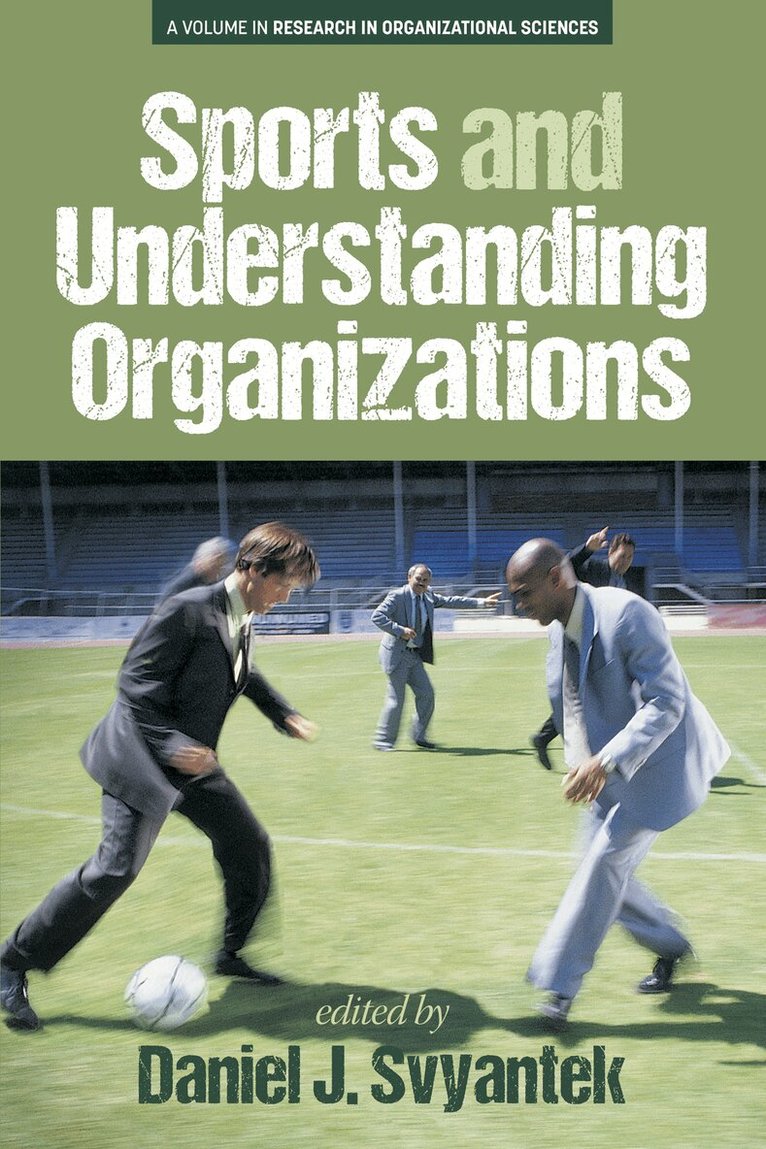
This volume provides readers with a rich source of sports metaphors for understanding organization and management processes and how to use metaphors to become more effective leaders and managers within their organizations. Each chapter discusses how sports may be used to help improved organizational productivity and effectiveness.These chapters each strive to present new ways of understanding organizational constructs using sports as a metaphor. It is this volume’s hope that these chapters may provide insight into the important role sports plays in understanding organizations across the world. Organizational science profits from taking new perspectives that may be found when sports is used as a lens for this study.
Inbunden, Engelska, 2017
1 140 kr
Skickas inom 5-8 vardagar
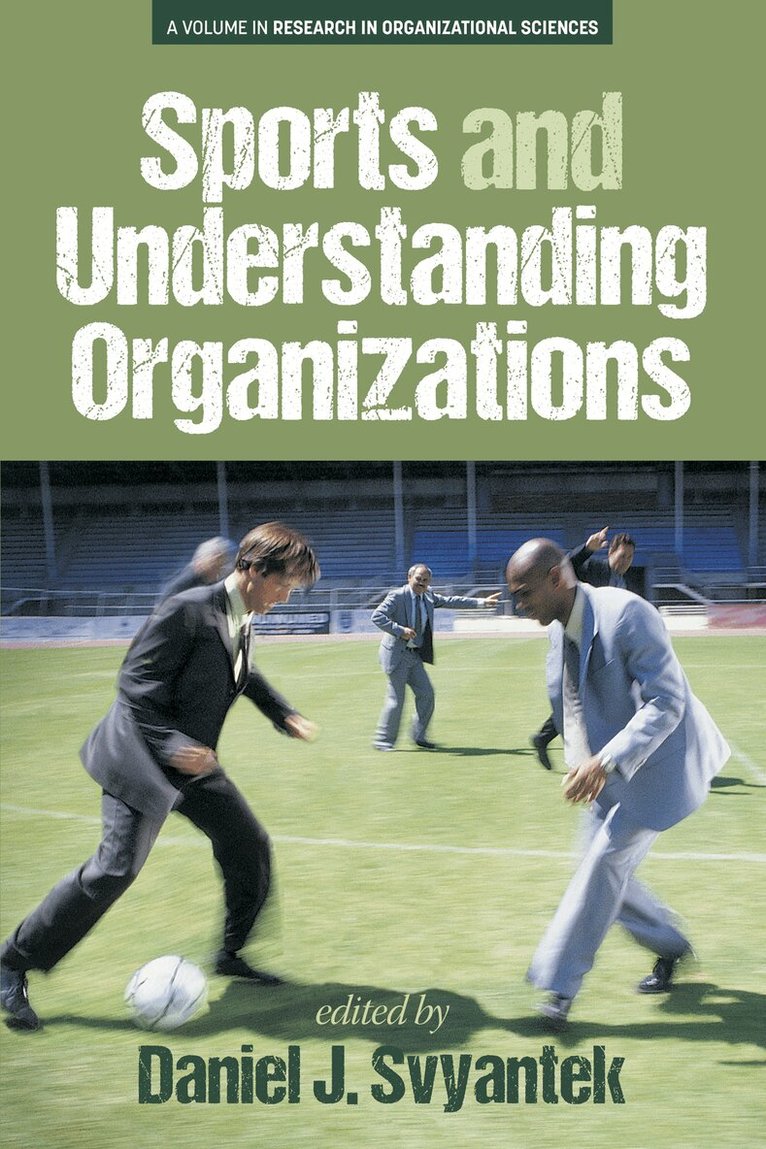
This volume provides readers with a rich source of sports metaphors for understanding organization and management processes and how to use metaphors to become more effective leaders and managers within their organizations. Each chapter discusses how sports may be used to help improved organizational productivity and effectiveness.These chapters each strive to present new ways of understanding organizational constructs using sports as a metaphor. It is this volume’s hope that these chapters may provide insight into the important role sports plays in understanding organizations across the world. Organizational science profits from taking new perspectives that may be found when sports is used as a lens for this study.
Inbunden, Engelska, 2026
1 073 kr
Skickas inom 5-8 vardagar
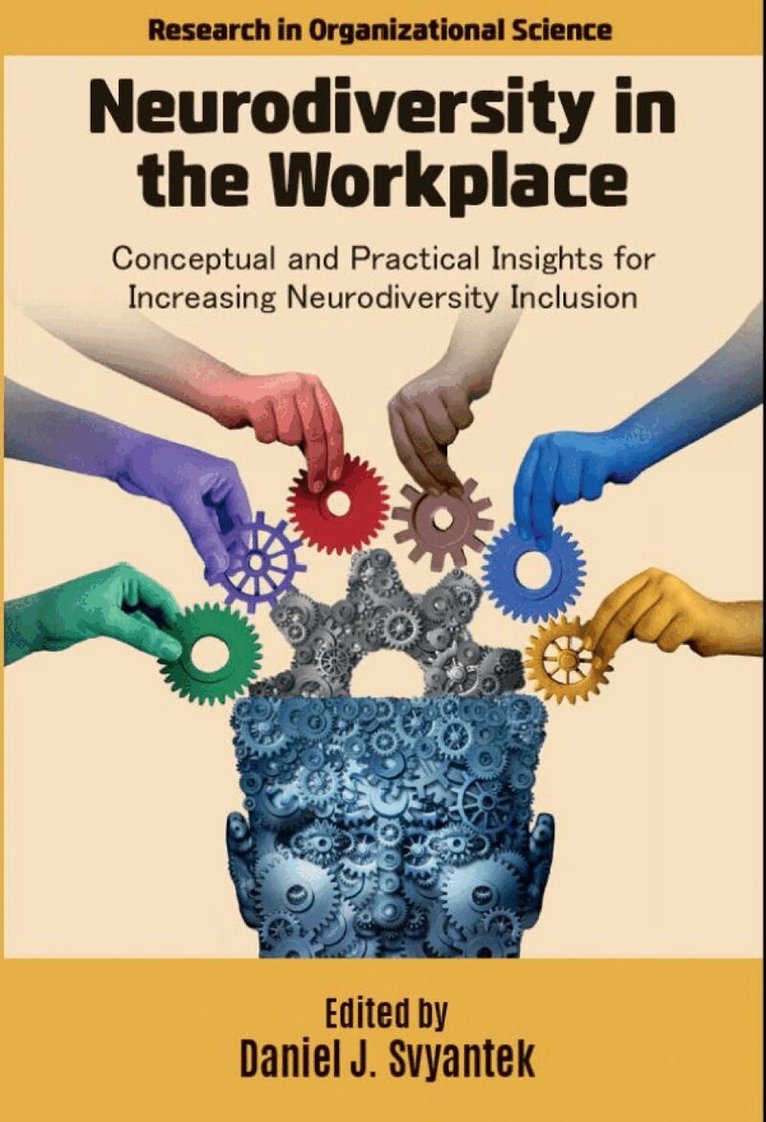
Neurodiversity in the workplace is an increasingly important topic with critical implications for the workforce. However, organizations still struggle to support neurodivergent employees. The following chapters explore the challenges and opportunities associated with neurodiversity at work by presenting different perspectives on neurodiversity in organizations.The authors provide an overview of how organizations can better support neurodivergent employees, particularly those with Autism and ADHD. These chapters address structural barriers, recruitment and hiring practices, and disclosure for neurodiverse employees. The chapters also offer practical recommendations for workplace accommodations and emphasize the need for organizational changes to support a more inclusive workplace culture. Ultimately, the insights presented in these chapters look to bridge the gap between science and practice, providing a roadmap for creating workplaces that not only value, but empower neurodiverse talent.The collective insights from these chapters highlight interventions for organizations to consider for developing a career-long inclusive culture and improving person-organization fit for neurodiverse employees. From recruitment and hiring processes that accommodate different communication styles, to leadership development programs that foster neurodiverse workers, the authors provide clear evidence that workplaces are able to move beyond awareness of neurodiversity (i.e.., the “fitting in” form of person-organization fit) to taking meaningful steps towards an inclusive culture for neurodiverse employees across a career (i.e., the “doing well” form of person-organization fit).The goal of this volume, Neurodiversity in the Workplace, is not only to call attention to the experience of neurodivergent individuals at work, but also to highlight methods for organizations and employees seeking to support neurodivergent individuals at work to use.
Häftad, Engelska, 2026
607 kr
Skickas inom 5-8 vardagar
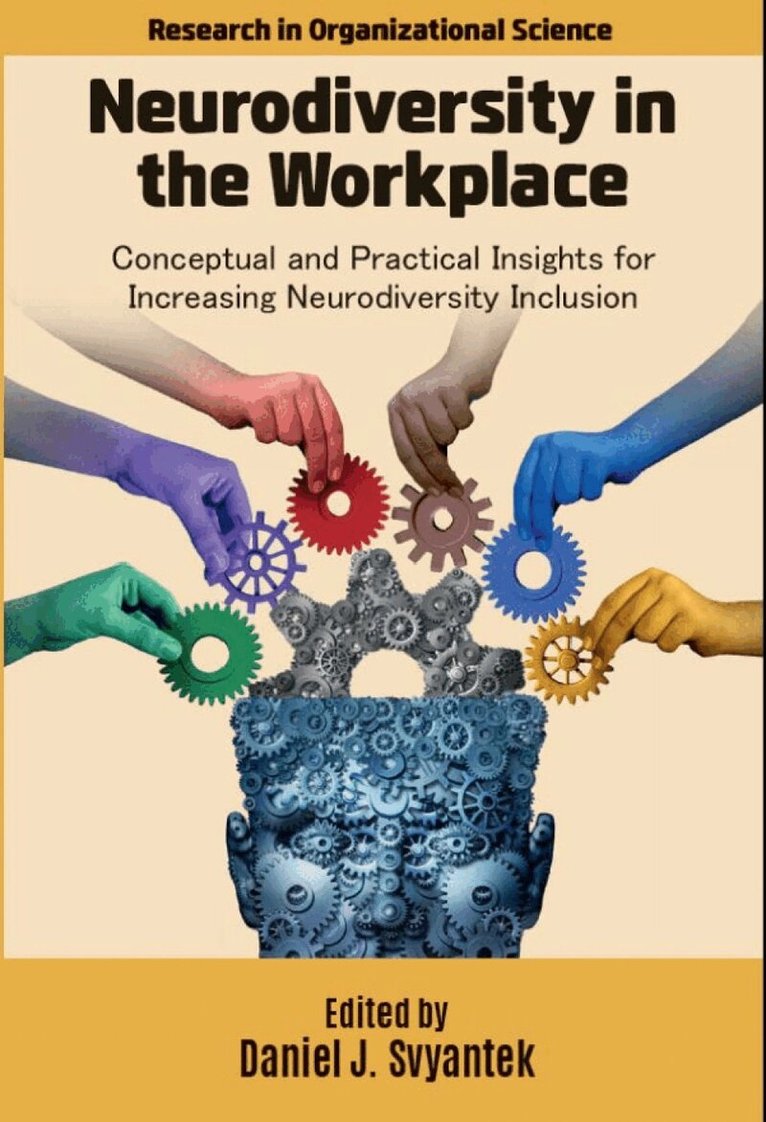
Neurodiversity in the workplace is an increasingly important topic with critical implications for the workforce. However, organizations still struggle to support neurodivergent employees. The following chapters explore the challenges and opportunities associated with neurodiversity at work by presenting different perspectives on neurodiversity in organizations.The authors provide an overview of how organizations can better support neurodivergent employees, particularly those with Autism and ADHD. These chapters address structural barriers, recruitment and hiring practices, and disclosure for neurodiverse employees. The chapters also offer practical recommendations for workplace accommodations and emphasize the need for organizational changes to support a more inclusive workplace culture. Ultimately, the insights presented in these chapters look to bridge the gap between science and practice, providing a roadmap for creating workplaces that not only value, but empower neurodiverse talent.The collective insights from these chapters highlight interventions for organizations to consider for developing a career-long inclusive culture and improving person-organization fit for neurodiverse employees. From recruitment and hiring processes that accommodate different communication styles, to leadership development programs that foster neurodiverse workers, the authors provide clear evidence that workplaces are able to move beyond awareness of neurodiversity (i.e.., the “fitting in” form of person-organization fit) to taking meaningful steps towards an inclusive culture for neurodiverse employees across a career (i.e., the “doing well” form of person-organization fit).The goal of this volume, Neurodiversity in the Workplace, is not only to call attention to the experience of neurodivergent individuals at work, but also to highlight methods for organizations and employees seeking to support neurodivergent individuals at work to use.