Research on Teaching Thinking and Creativity - Böcker
Visar alla böcker i serien Research on Teaching Thinking and Creativity. Handla med fri frakt och snabb leverans.
6 produkter
6 produkter
2 045 kr
Skickas inom 10-15 vardagar
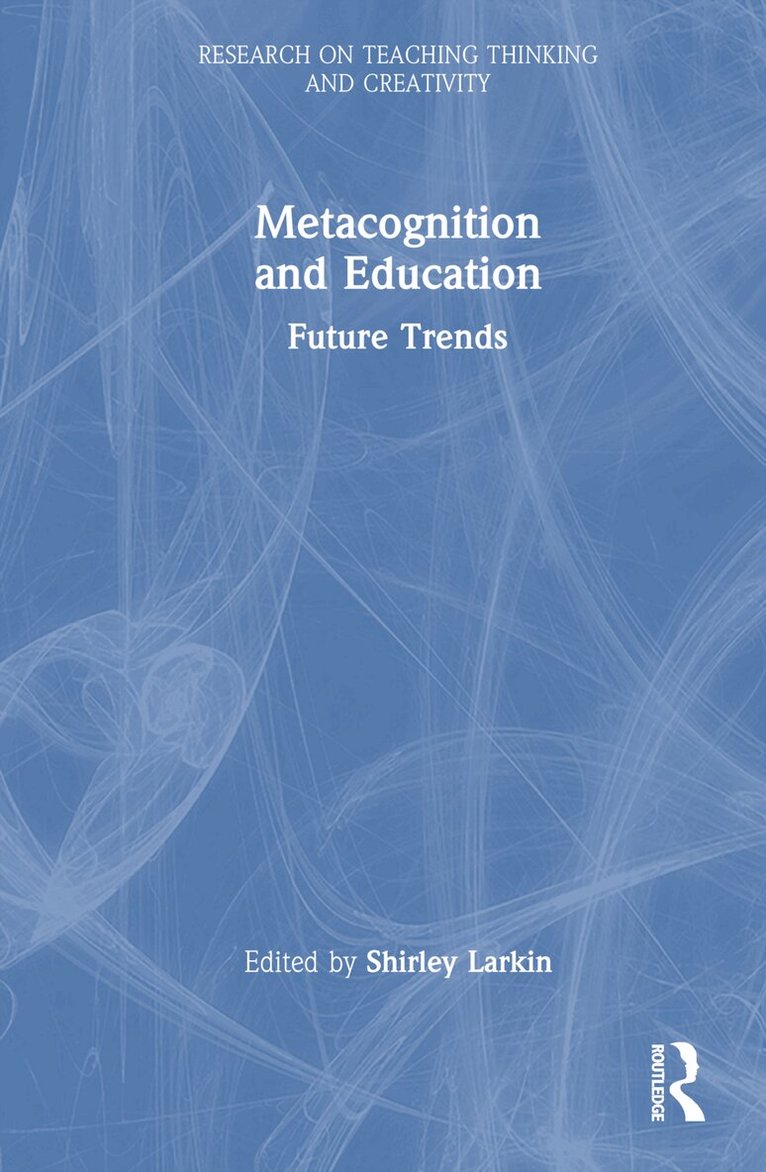
Metacognition is crucial to education in a changing world. The role of mobile applications, AI and global issues such as climate change make the need for developing learners with the ability to monitor and control their own thinking increasingly necessary. Metacognitive learners are learners who can draw on their own knowledge of their own thinking processes to optimise the conditions under which they learn best. Metacognitive learners are self-regulating and pro-active in motivating themselves to learn new skills. Metacognitive learners are strategic in terms of managing their own resources to get the best from every learning opportunity and to transfer that knowledge to new areas of work. This book is timely in demonstrating how metacognition research is addressing issues of importance in future education. The chapters are authored by an international group of scholars from four continents, who are experts in the field of metacognition and self regulation research. Drawing on their years of experience they look to the future to suggest the future trends in metacognition research. At the same time chapters are rooted in practical application and suggest ways in which the research can be translated into educational environments.The book addresses some new areas of metacognition research such as mind wandering as well as established areas such as teacher metacognition. We are also reminded to consider the social interactions between students and others and the role that relationships play in developing metacognition. Both researchers and educators of all types will find something of interest here. The book sets the trend for future trends in metacognition research.
599 kr
Skickas inom 10-15 vardagar
Metacognition is crucial to education in a changing world. The role of mobile applications, AI and global issues such as climate change make the need for developing learners with the ability to monitor and control their own thinking increasingly necessary. Metacognitive learners are learners who can draw on their own knowledge of their own thinking processes to optimise the conditions under which they learn best. Metacognitive learners are self-regulating and pro-active in motivating themselves to learn new skills. Metacognitive learners are strategic in terms of managing their own resources to get the best from every learning opportunity and to transfer that knowledge to new areas of work. This book is timely in demonstrating how metacognition research is addressing issues of importance in future education. The chapters are authored by an international group of scholars from four continents, who are experts in the field of metacognition and self regulation research. Drawing on their years of experience they look to the future to suggest the future trends in metacognition research. At the same time chapters are rooted in practical application and suggest ways in which the research can be translated into educational environments.The book addresses some new areas of metacognition research such as mind wandering as well as established areas such as teacher metacognition. We are also reminded to consider the social interactions between students and others and the role that relationships play in developing metacognition. Both researchers and educators of all types will find something of interest here. The book sets the trend for future trends in metacognition research.
2 045 kr
Skickas inom 10-15 vardagar
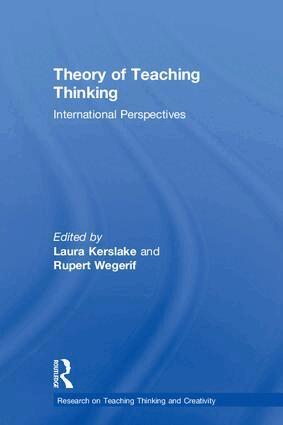
Across the world education for 'thinking’ is seen as the key to thriving in an increasingly complex, globalised, technological world. The OECD suggests that teaching thinking is key to growing a more successful economy; others claim it is needed for increased democratic engagement and well-being. Theory of Teaching Thinking discusses what is meant by ‘thinking’ in the context of teaching and takes a global perspective incorporating contributions from neurocognitive, technological, Confucian, philosophical, and dialogical viewpoints. Questions explored throughout this edited volume include: what is thinking? how can thinking be taught?what does ‘better thinking’ mean, and how can we know it if we see it? what is the impact on wider society when thinking is taught in the classroom? Extensively researched and at the cutting edge of this field, this book provides the context for teaching thinking that researchers, teachers, and policy-makers need. As the first book in a brand new series, Research on Teaching Thinking and Creativity, it is a much-needed introduction and guide to this critical subject.
533 kr
Skickas inom 10-15 vardagar
Across the world education for 'thinking’ is seen as the key to thriving in an increasingly complex, globalised, technological world. The OECD suggests that teaching thinking is key to growing a more successful economy; others claim it is needed for increased democratic engagement and well-being. Theory of Teaching Thinking discusses what is meant by ‘thinking’ in the context of teaching and takes a global perspective incorporating contributions from neurocognitive, technological, Confucian, philosophical, and dialogical viewpoints. Questions explored throughout this edited volume include: what is thinking? how can thinking be taught?what does ‘better thinking’ mean, and how can we know it if we see it? what is the impact on wider society when thinking is taught in the classroom? Extensively researched and at the cutting edge of this field, this book provides the context for teaching thinking that researchers, teachers, and policy-makers need. As the first book in a brand new series, Research on Teaching Thinking and Creativity, it is a much-needed introduction and guide to this critical subject.
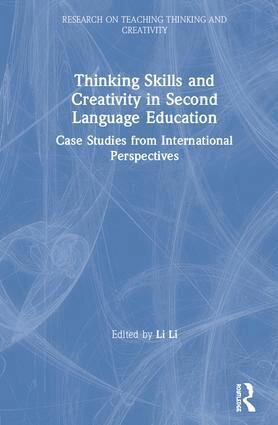
Thinking Skills and Creativity in Second Language Education
Case Studies from International Perspectives
Inbunden, Engelska, 2019
2 045 kr
Skickas inom 10-15 vardagar
Across the world, education is being restructured to include greater focus on developing critical and creative skills. In second language education, research suggests that cognition and language development are closely related. Yet despite increasing interest in the teaching of thinking skills, critical thinking has not been widely intergrated into language teaching. Thinking Skills and Creativity in Second Language Education presents a range of investigations exploring the relationship between thinking skills and creativity, and second language education. Focusing on cognitive, affective, social, and emotional perspectives, this book highlights current research and raises questions that will set the direction for future research. Its aims are as follows: Provide an in-depth understanding of the link between second language development and thinking skills. Consider approaches to developing thinking skills in second language instruction. Examine practices in implementing thinking skills in second language learning. Offer an updated list of sources of information on thinking skills in second language education.A new addition to the Research on Teaching Thinking and Creativity series, this book is relevant to researchers in the field of educational psychology, to Masters degree and PhD students in this field, and to anyone interested in developing thinking skills.
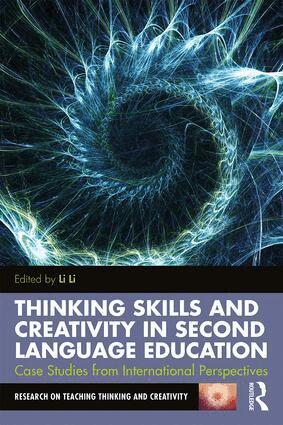
Thinking Skills and Creativity in Second Language Education
Case Studies from International Perspectives
Häftad, Engelska, 2019
533 kr
Skickas inom 10-15 vardagar
Across the world, education is being restructured to include greater focus on developing critical and creative skills. In second language education, research suggests that cognition and language development are closely related. Yet despite increasing interest in the teaching of thinking skills, critical thinking has not been widely intergrated into language teaching. Thinking Skills and Creativity in Second Language Education presents a range of investigations exploring the relationship between thinking skills and creativity, and second language education. Focusing on cognitive, affective, social, and emotional perspectives, this book highlights current research and raises questions that will set the direction for future research. Its aims are as follows: Provide an in-depth understanding of the link between second language development and thinking skills. Consider approaches to developing thinking skills in second language instruction. Examine practices in implementing thinking skills in second language learning. Offer an updated list of sources of information on thinking skills in second language education.A new addition to the Research on Teaching Thinking and Creativity series, this book is relevant to researchers in the field of educational psychology, to Masters degree and PhD students in this field, and to anyone interested in developing thinking skills.