Rethinking Urban and Regional Studies series - Böcker
Visar alla böcker i serien Rethinking Urban and Regional Studies series. Handla med fri frakt och snabb leverans.
5 produkter
5 produkter
1 613 kr
Skickas inom 7-10 vardagar
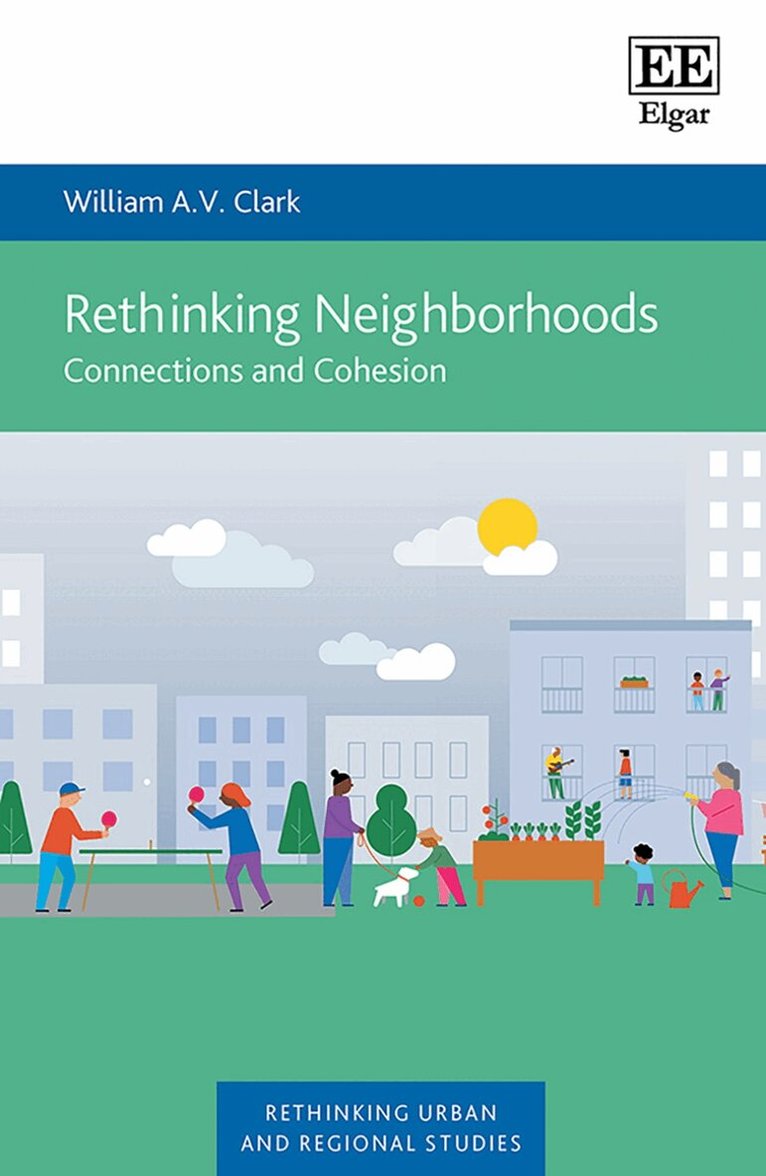
Although neighborhoods are sometimes perceived as just a backdrop to our lives, there is considerable evidence that they are central to our sense of wellbeing, and in the functioning of the city. Rethinking Neighborhoods is about these areas of geography: what we know about how neighborhoods function, why they matter and how we chose where to live.Emphasizing the importance of place, of connections, cohesion, and local attachment, William A.V. Clark argues that the relevance of the local is increasing, rather than decreasing, and examines how this informs our choices and their outcomes. Situating neighborhoods and their evolution in historical and societal context, he uses a range of international case studies to assess key issues such as residential and neighborhood search, the segregation inequality debate, the connections between neighborhoods and health, the role of planning in the localized city and the 20 minute community.Written by one of the leading researchers in the field, this book offers a thought-provoking read to those researching and studying society at the neighborhood scale in disciplines including city and regional planning and human geography as well as demography, sociology and public policy.
432 kr
Skickas inom 7-10 vardagar
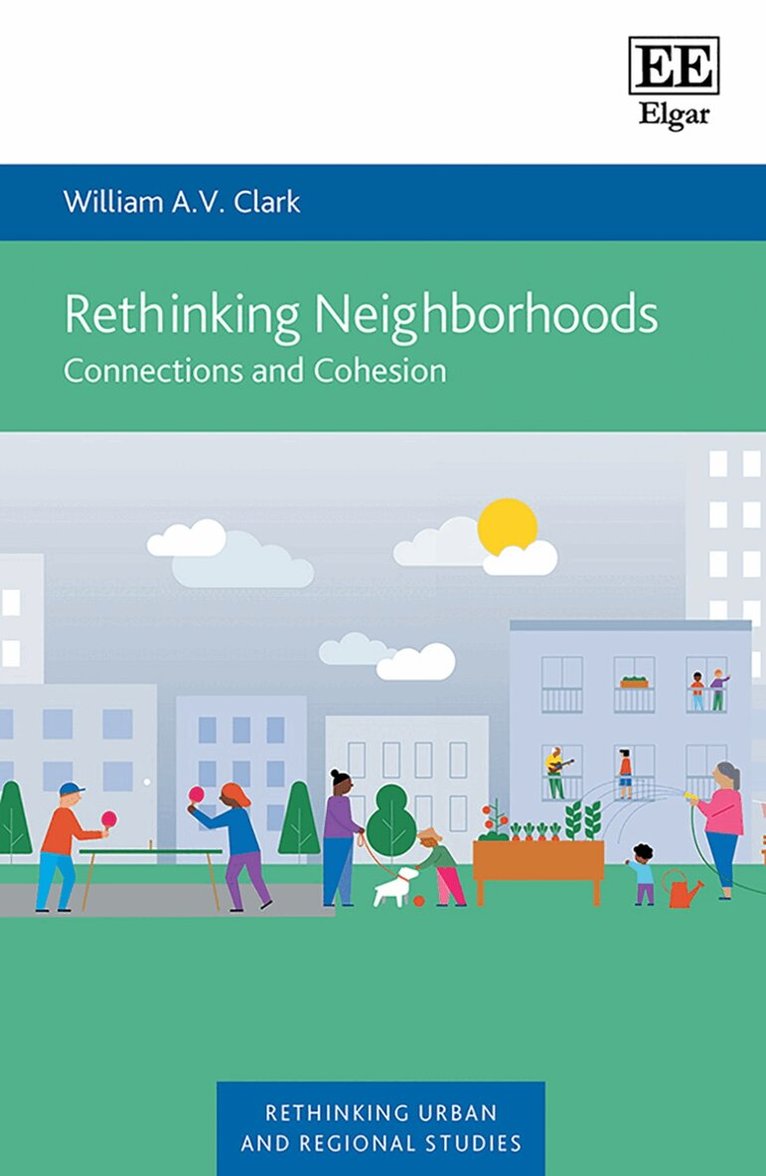
Although neighborhoods are sometimes perceived as just a backdrop to our lives, there is considerable evidence that they are central to our sense of wellbeing, and in the functioning of the city. Rethinking Neighborhoods is about these areas of geography: what we know about how neighborhoods function, why they matter and how we chose where to live.Emphasizing the importance of place, of connections, cohesion, and local attachment, William A.V. Clark argues that the relevance of the local is increasing, rather than decreasing, and examines how this informs our choices and their outcomes. Situating neighborhoods and their evolution in historical and societal context, he uses a range of international case studies to assess key issues such as residential and neighborhood search, the segregation inequality debate, the connections between neighborhoods and health, the role of planning in the localized city and the 20 minute community.Written by one of the leading researchers in the field, this book offers a thought-provoking read to those researching and studying society at the neighborhood scale in disciplines including city and regional planning and human geography as well as demography, sociology and public policy.
1 435 kr
Skickas inom 7-10 vardagar
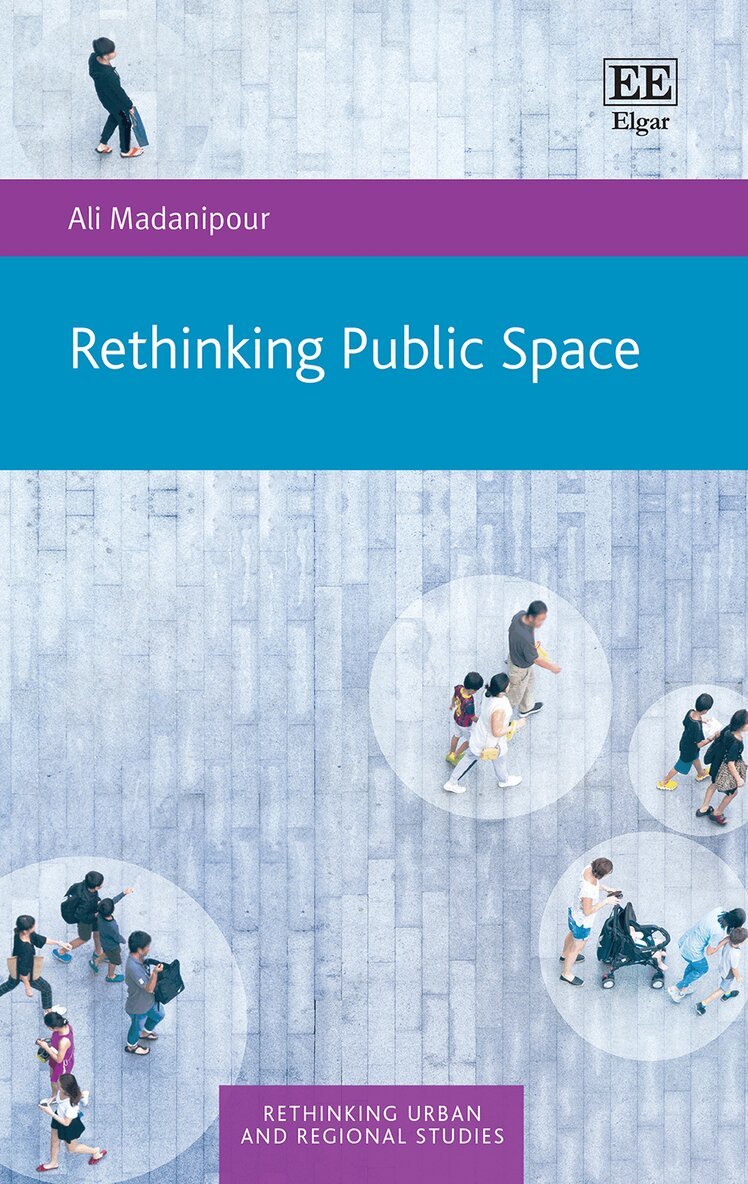
Taking a critical perspective, this book rethinks public space in the context of contemporary global health and economic crises, as well as technological, political and cultural change. In order to do so, Ali Madanipour brings together two often unrelated discourses: public space and social inclusion, interrogating the potential for public spaces to contribute to inclusive social practices.Organized in two parts, the book first highlights various common meanings and philosophical concepts of public space, examining them in their constitution and application. Madanipour runs these concepts past the test of social practice, through the economic, political and cultural dimensions of social exclusion and inclusion. Chapters further analyse public space in its different forms: physical, institutional and technological, offering a wide-ranging and thought-provoking take on the concept.Timely and innovative, this book will be an invigorating read for urban studies, planning and human geography scholars, particularly those focusing on public space, social inclusion and urban processes.
1 435 kr
Skickas inom 7-10 vardagar
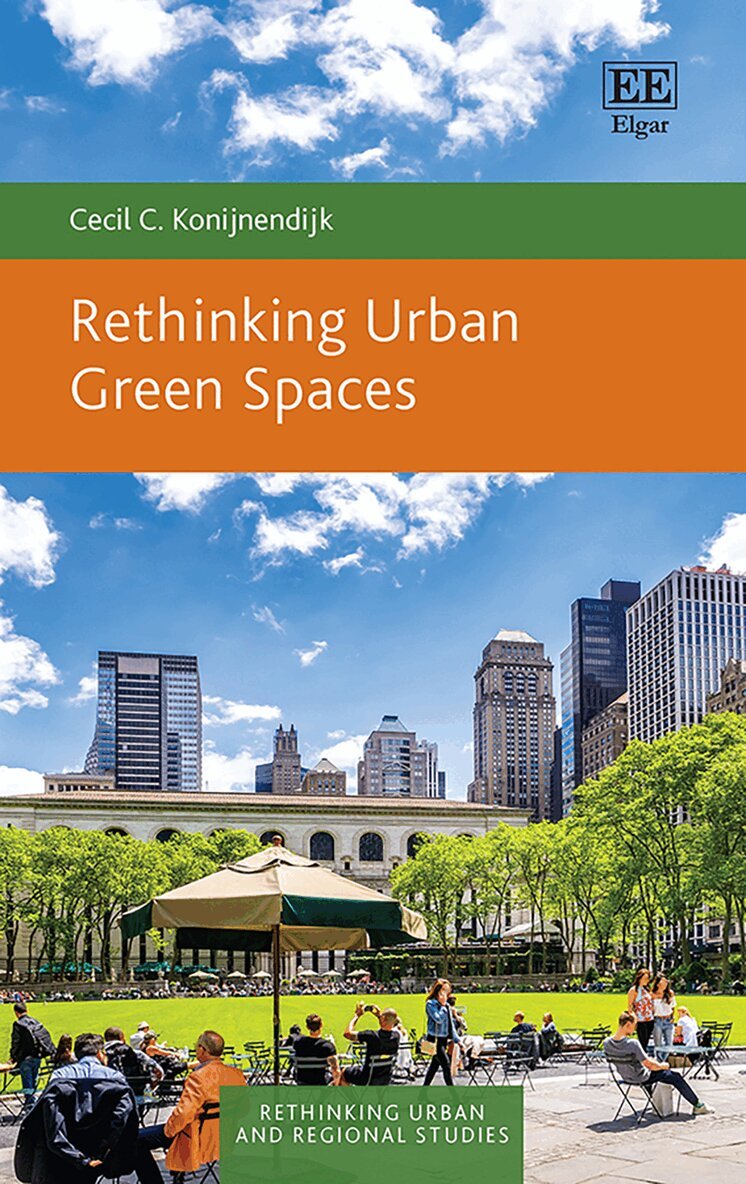
Proposing and demonstrating the ways in which we need to rethink urban green spaces as cities, societies and environments evolve, renowned scholar Cecil C. Konijnendijk explores urban green spaces as essential parts of cities. Chapters offer a comprehensive look at how their roles have changed over time and will continue to do so, moving from their conventional purpose as areas for recreation to become spaces contributing to climate adaptation, biodiversity conservation and economic development.This timely and innovative book argues that we need to rethink the ways in which we govern, design, plan and manage green spaces, as well as the funding of different kinds of green spaces and the narratives around what green spaces can and cannot do. Using a diverse range of case studies from across the globe, Konijnendijk offers practical suggestions for change in the future to make cities greener and healthier, and introduces new green space concepts such as urban groves and streetwoods.This is an invigorating read for students and scholars of urban planning, landscape architecture, urban ecology and urban studies. Urban green space planners, designers and managers will also find the wealth of cases and practical suggestions make this an insightful read.
1 435 kr
Skickas inom 7-10 vardagar
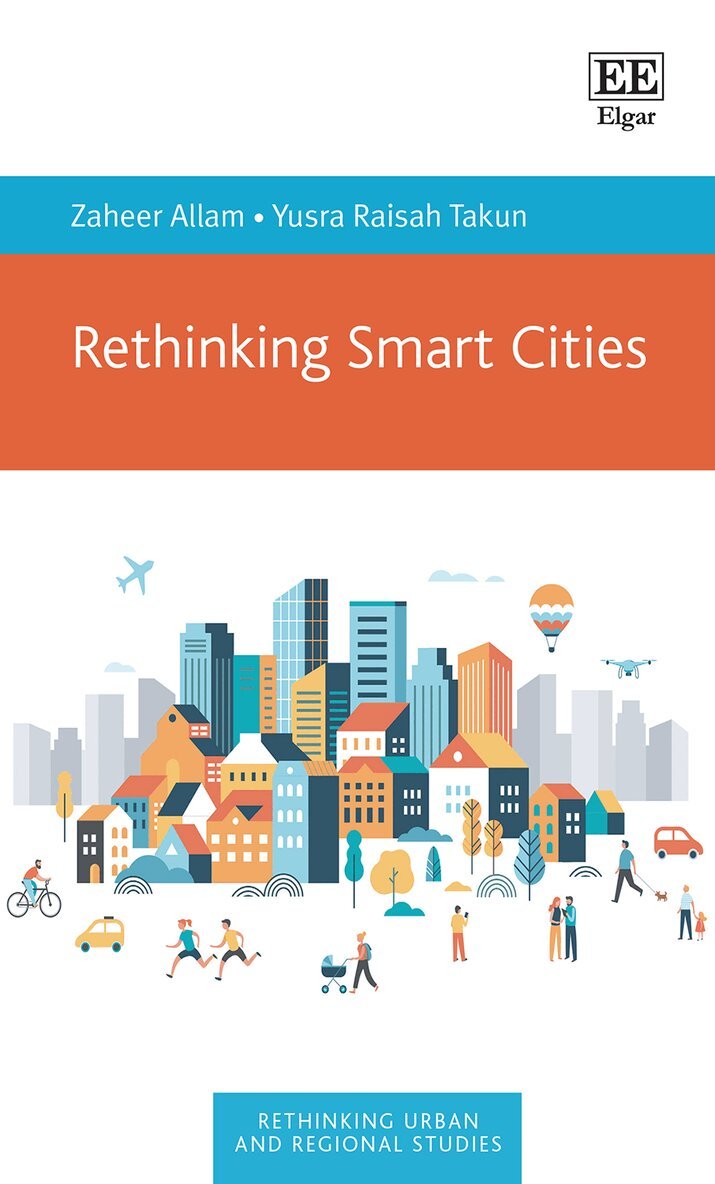
This innovative book explores the foundations of the smart city and, through a critique of its challenges and concerns, showcases how to redefine the concept for increased sustainability, liveability and resilience in urban areas. It undertakes a review of the smart city concept, providing a new perspective on how technology-based urban solutions must be centred around human dimensions to render more liveable urban fabrics.Chapters highlight how existing digital infrastructures can be coupled with emerging ones, so that they can provide increased efficiency and performance, with an ultimate objective of rendering safer, more sustainable, resilient and inclusive cities, aligning with the needs of the SDGs. The book also covers emerging technologies and concepts, such as 6G and the ’15-minute city’, underlining how these can develop within smart city frameworks.This is an invigorating look into the concept of the smart city and how it can be improved and rethought, making it useful for urban studies and human geography academics and researchers. It also offers helpful insights for policy makers and planners on how to increase the quality of life in modern cities.