Routledge Explorations in Sustainability and Governance - Böcker
Visar alla böcker i serien Routledge Explorations in Sustainability and Governance. Handla med fri frakt och snabb leverans.
7 produkter
7 produkter
2 113 kr
Skickas inom 10-15 vardagar
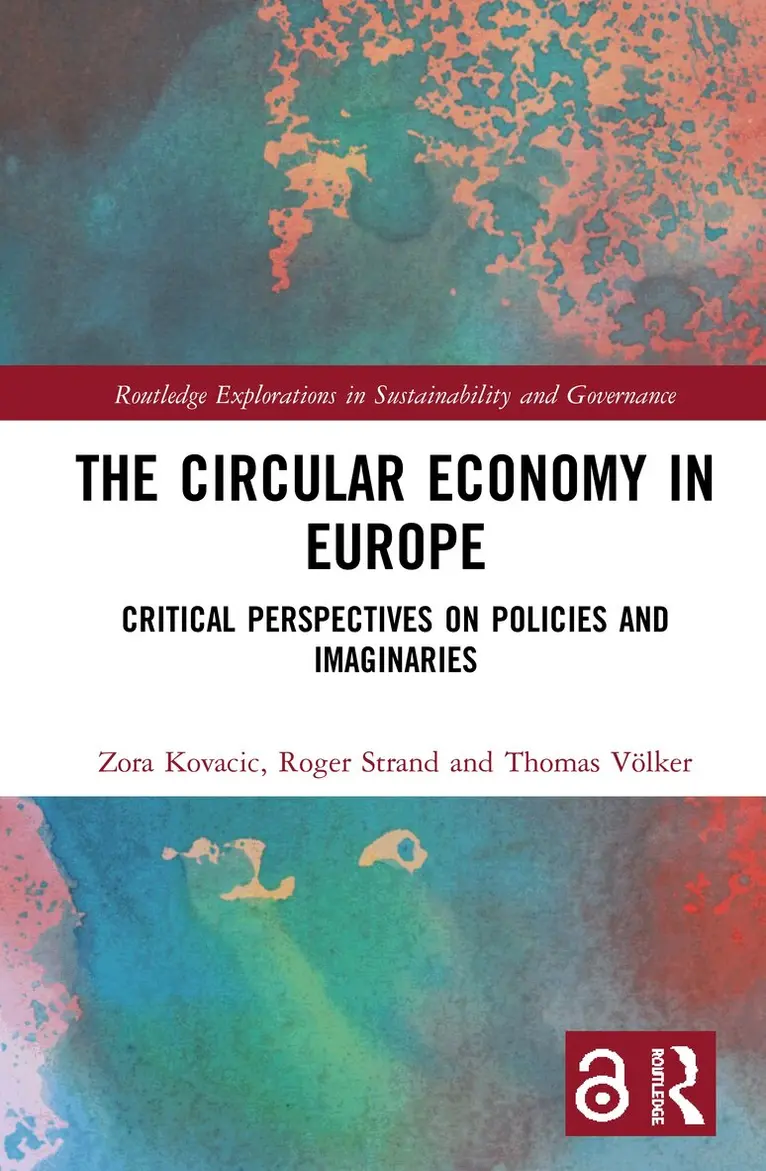
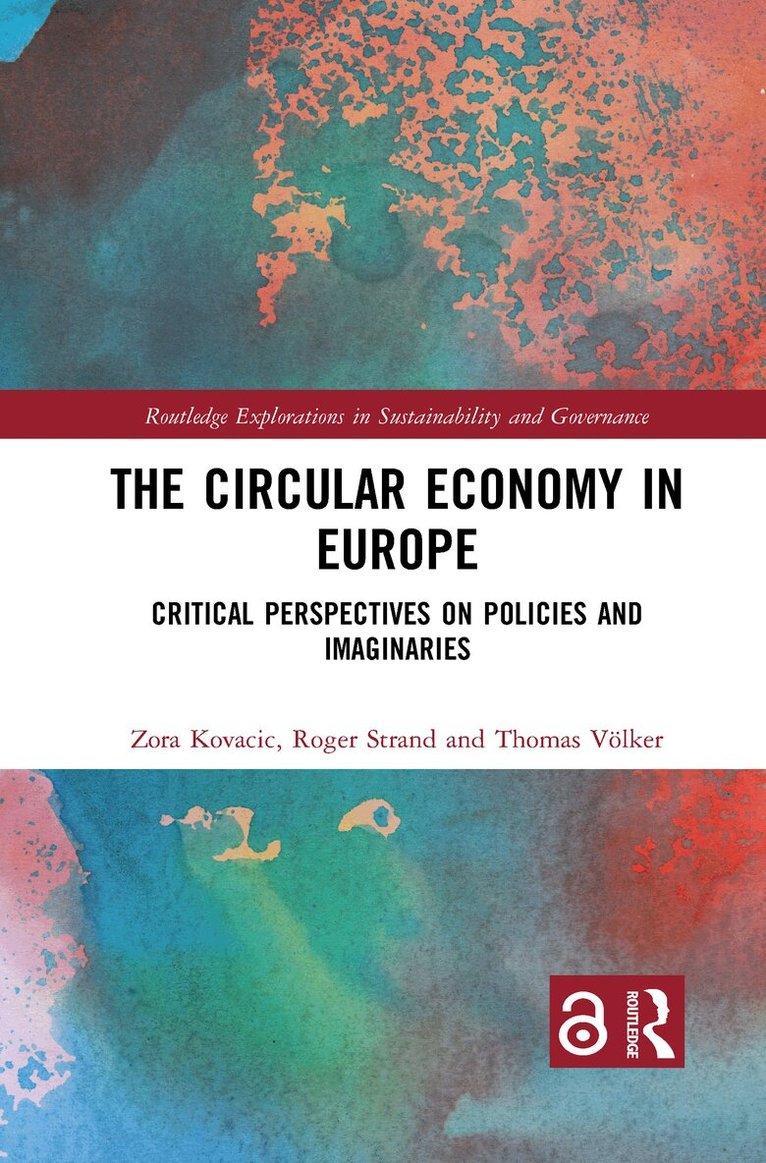
The Circular Economy in Europe presents an overview and a critical discussion on how circularity is conceived, imagined, and enacted in current EU policy-making. In 2013, the idea of a circular economy entered the stage of European policy-making in the efforts to reconcile environmental and economic policy objectives. In 2019 the European Commission declared in a press release that the Circular Economy Action Plan has been delivered. The level of circularity in the European economy, however, has remained the same.Bringing together perspectives from social sciences, environmental economics and policy analysis, The Circular Economy in Europe provides a critical analysis of policies and promises of the next panacea for growth and sustainability. The authors provide a theoretical and empirical basis to discuss how contemporary societies conceive their need to re-organise production and consumption and explores the messy assemblage of institutions, actors, waste streams, biophysical flows, policy objectives, scientific disciplines, values, expectations, promises and aspirations involved.This book is essential reading for all those interested in understanding how ideas about the circular economy emerged historically, how they gained traction and are used in policy processes, and what the practical challenges in implementing this policy are.
646 kr
Skickas inom 10-15 vardagar
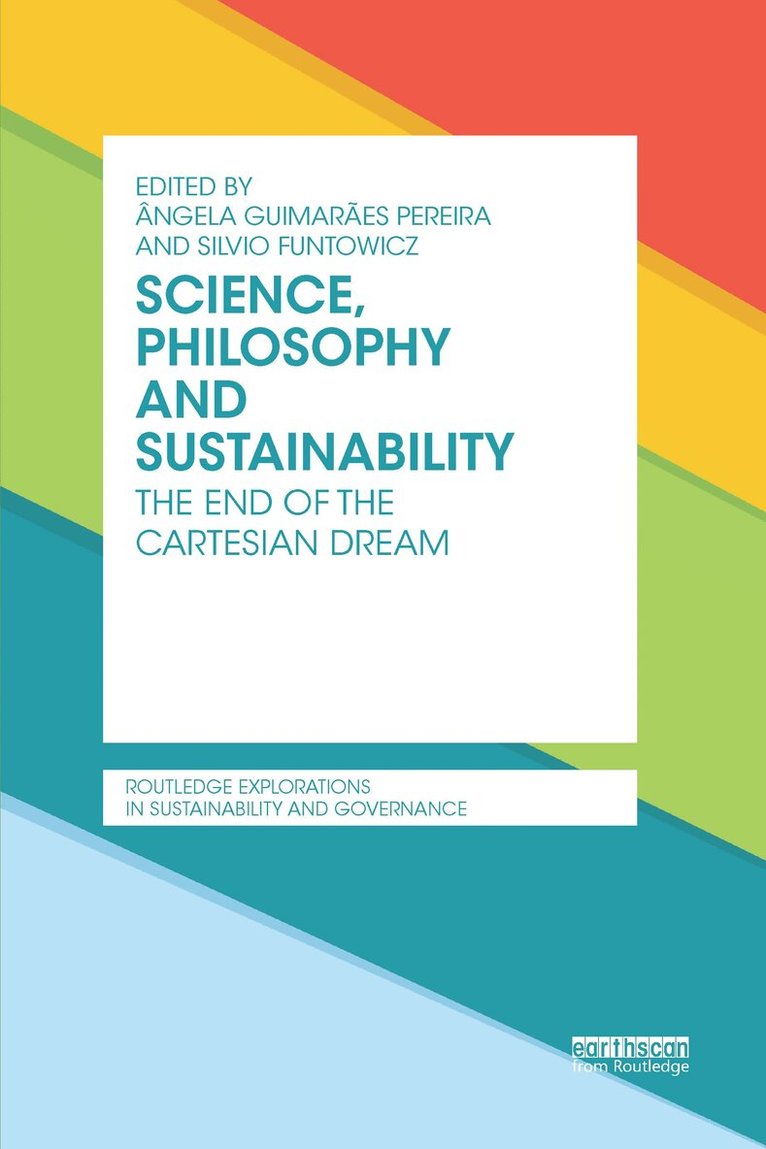
For science to remain a legitimate and trustworthy source of knowledge, society will have to engage in the collective processes of knowledge co-production, which not only includes science, but also other types of knowledge. This process of change has to include a new commitment to knowledge creation and transmission and its role in a plural society. This book proposes to consider new ways in which science can be used to sustain our planet and enrich our lives. It helps to release and reactivate social responsibility within contemporary science and technology. It reviews critically relevant cases of contemporary scientific practice within the Cartesian paradigm, relabelled as 'innovation research', promoted as essential for the progress and well-being of humanity, and characterised by high capital investment, centralised control of funding and quality, exclusive expertise, and a reductionism that is philosophical as well as methodological.This is an accessible and relevant book for scholars in Science and Technology Studies, History and Philosophy of Science, and Science, Engineering and Technology Ethics. Providing an array of concrete examples, it supports scientists, engineers and technical experts, as well as policy-makers and other non-technical professionals working with science and technology to re-direct their approach to global problems, in a more integrative, self-reflective and humble direction.
Resource Accounting for Sustainability Assessment
The Nexus between Energy, Food, Water and Land Use
Inbunden, Engelska, 2014
2 181 kr
Skickas inom 10-15 vardagar
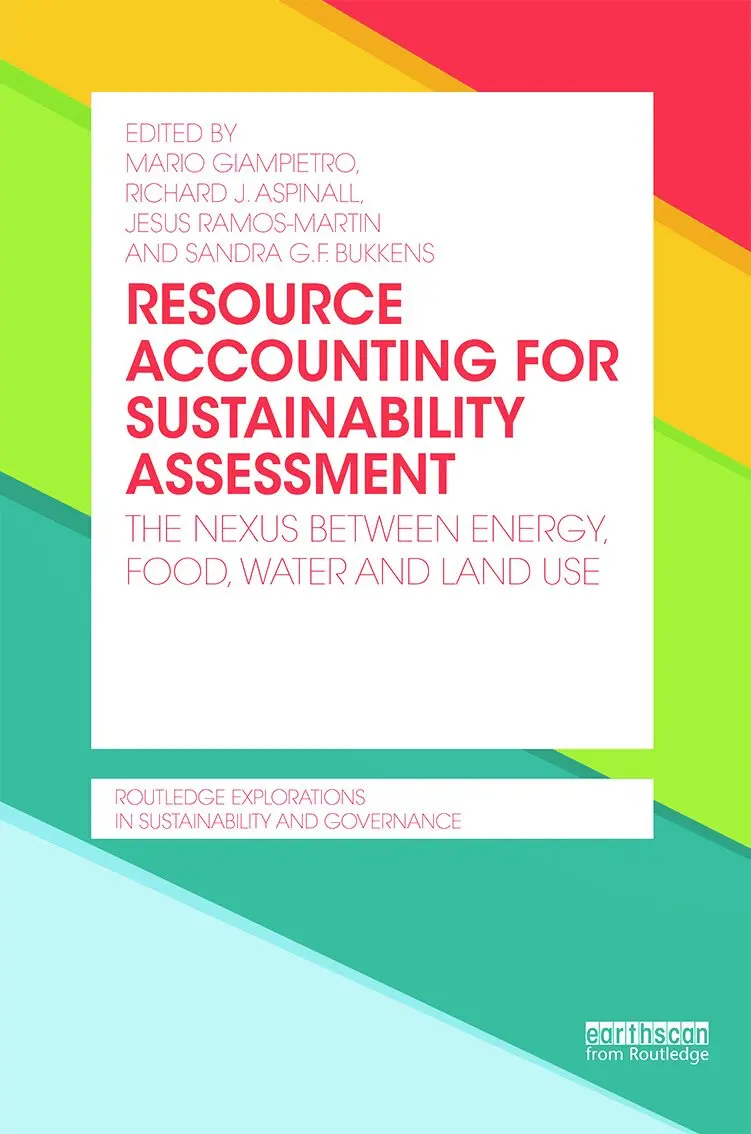
The demands placed on land, water, energy and other natural resources are exacerbated as the world population continues to increase together with the expectations of economic growth. This, combined with concerns over environmental change, presents a set of scientific, policy and management issues that are critical for sustainability.Resource Accounting for Sustainability Assessment: The nexus between energy, food, water and land use offers an approach for multi-scale, integrated assessment of this nexus. It presents a comprehensive and original method of resource accounting for integrated sustainability assessments. The approach is illustrated with three detailed case studies: the islands of Mauritius, the Indian state of Punjab, and the energy economy of South Africa. The relationships between flows of goods, services and materials in these case studies offer valuable insights. The book provides a much needed quality control on the information used in deliberative processes about policy and planning activities.This innovative book will be of interest to researchers, students and practitioners in the fields of sustainability science, international development, industrial ecology, sustainable resource management, geography and ecological economics.
618 kr
Skickas inom 10-15 vardagar
The Circular Economy in Europe presents an overview and a critical discussion on how circularity is conceived, imagined, and enacted in current EU policy-making. In 2013, the idea of a circular economy entered the stage of European policy-making in the efforts to reconcile environmental and economic policy objectives. In 2019 the European Commission declared in a press release that the Circular Economy Action Plan has been delivered. The level of circularity in the European economy, however, has remained the same.Bringing together perspectives from social sciences, environmental economics and policy analysis, The Circular Economy in Europe provides a critical analysis of policies and promises of the next panacea for growth and sustainability. The authors provide a theoretical and empirical basis to discuss how contemporary societies conceive their need to re-organise production and consumption and explores the messy assemblage of institutions, actors, waste streams, biophysical flows, policy objectives, scientific disciplines, values, expectations, promises and aspirations involved.This book is essential reading for all those interested in understanding how ideas about the circular economy emerged historically, how they gained traction and are used in policy processes, and what the practical challenges in implementing this policy are.
2 113 kr
Skickas inom 10-15 vardagar
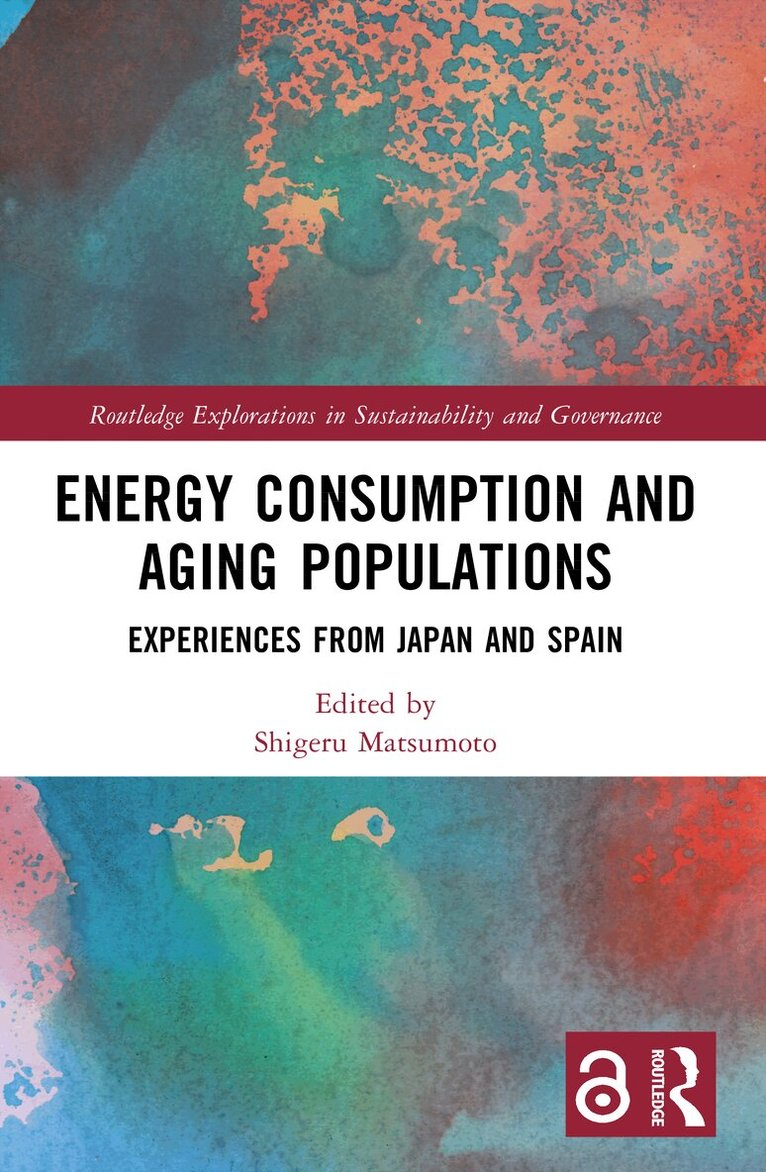
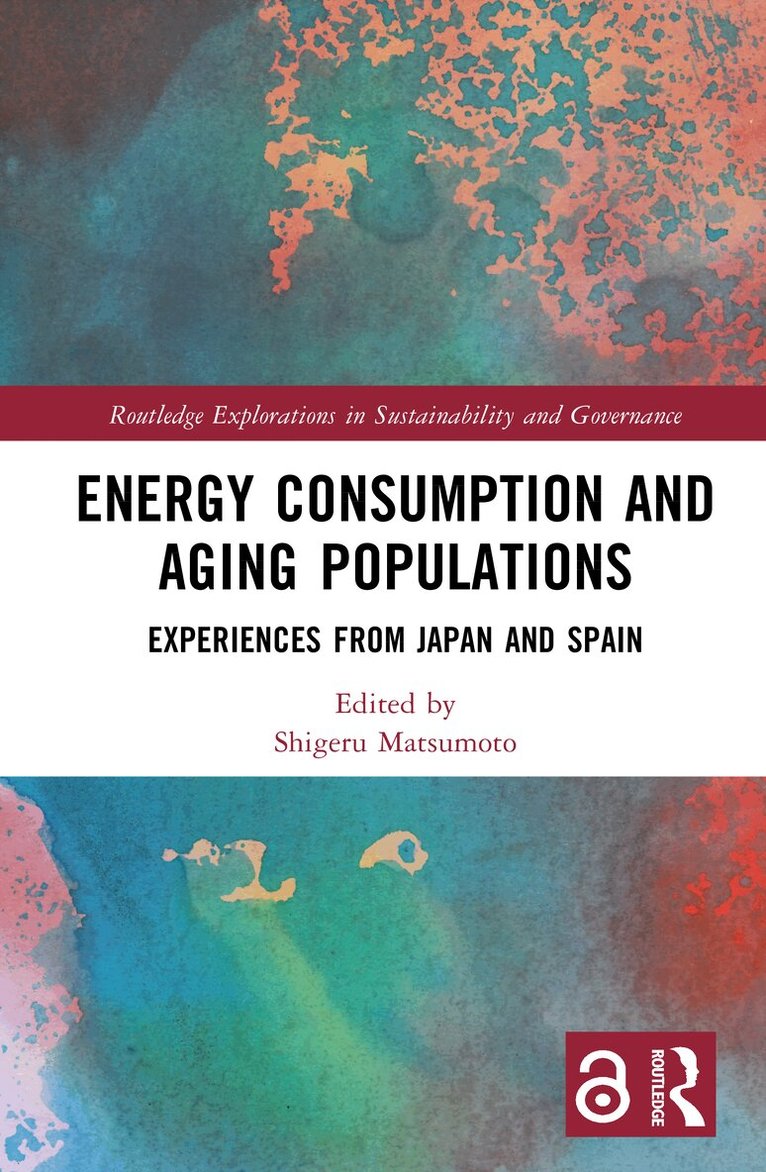
This book explores the impact of population aging on energy use patterns in society from both a theoretical and an empirical angle, with a specific focus on Japan and Spain.Many developed countries are currently experiencing both population aging and population decline, while the demand for social services, such as health care and public transportation, is expected to increase. This book expands upon these well-known socioeconomic challenges and explores the less well-known and more complex relationship between population aging, time allocation to social practices, and energy resource consumption. In the face of energy supply scarcity and climate change concerns, the impact of population aging on energy consumption is of paramount importance. By focusing on the effects of changing time allocation patterns on social practices, the book shows that the impact of population aging on energy consumption will affect not just only affect the residential sector but also other socio-economic sectors of society. Using data from Japan and Spain – currently among the fastest- aging countries in the world – the volume shows that the challenges of an aging society are far more complex and worrying than previously anticipated. If an aging society is an inevitable future, we need to prepare for the challenges that lie ahead.Written by researchers in the fields of demography, economics, environmental engineering, geography, physics, and transportation engineering, this book will compel academics and policy makers to reflect on these problems and act.The Open Access version of this book, available at http://www.taylorfrancis.com, has been made available under a Creative Commons Attribution-No Derivatives 4.0 International (CC BY-ND) 4.0 license.
Resource Accounting for Sustainability Assessment
The Nexus between Energy, Food, Water and Land Use
Häftad, Engelska, 2015
673 kr
Skickas inom 10-15 vardagar
The demands placed on land, water, energy and other natural resources are exacerbated as the world population continues to increase together with the expectations of economic growth. This, combined with concerns over environmental change, presents a set of scientific, policy and management issues that are critical for sustainability.Resource Accounting for Sustainability Assessment: The nexus between energy, food, water and land use offers an approach for multi-scale, integrated assessment of this nexus. It presents a comprehensive and original method of resource accounting for integrated sustainability assessments. The approach is illustrated with three detailed case studies: the islands of Mauritius, the Indian state of Punjab, and the energy economy of South Africa. The relationships between flows of goods, services and materials in these case studies offer valuable insights. The book provides a much needed quality control on the information used in deliberative processes about policy and planning activities.This innovative book will be of interest to researchers, students and practitioners in the fields of sustainability science, international development, industrial ecology, sustainable resource management, geography and ecological economics.
2 317 kr
Skickas inom 10-15 vardagar
For science to remain a legitimate and trustworthy source of knowledge, society will have to engage in the collective processes of knowledge co-production, which not only includes science, but also other types of knowledge. This process of change has to include a new commitment to knowledge creation and transmission and its role in a plural society. This book proposes to consider new ways in which science can be used to sustain our planet and enrich our lives. It helps to release and reactivate social responsibility within contemporary science and technology. It reviews critically relevant cases of contemporary scientific practice within the Cartesian paradigm, relabelled as 'innovation research', promoted as essential for the progress and well-being of humanity, and characterised by high capital investment, centralised control of funding and quality, exclusive expertise, and a reductionism that is philosophical as well as methodological.This is an accessible and relevant book for scholars in Science and Technology Studies, History and Philosophy of Science, and Science, Engineering and Technology Ethics. Providing an array of concrete examples, it supports scientists, engineers and technical experts, as well as policy-makers and other non-technical professionals working with science and technology to re-direct their approach to global problems, in a more integrative, self-reflective and humble direction.