Routledge Focus on Egyptology - Böcker
Visar alla böcker i serien Routledge Focus on Egyptology. Handla med fri frakt och snabb leverans.
4 produkter
4 produkter
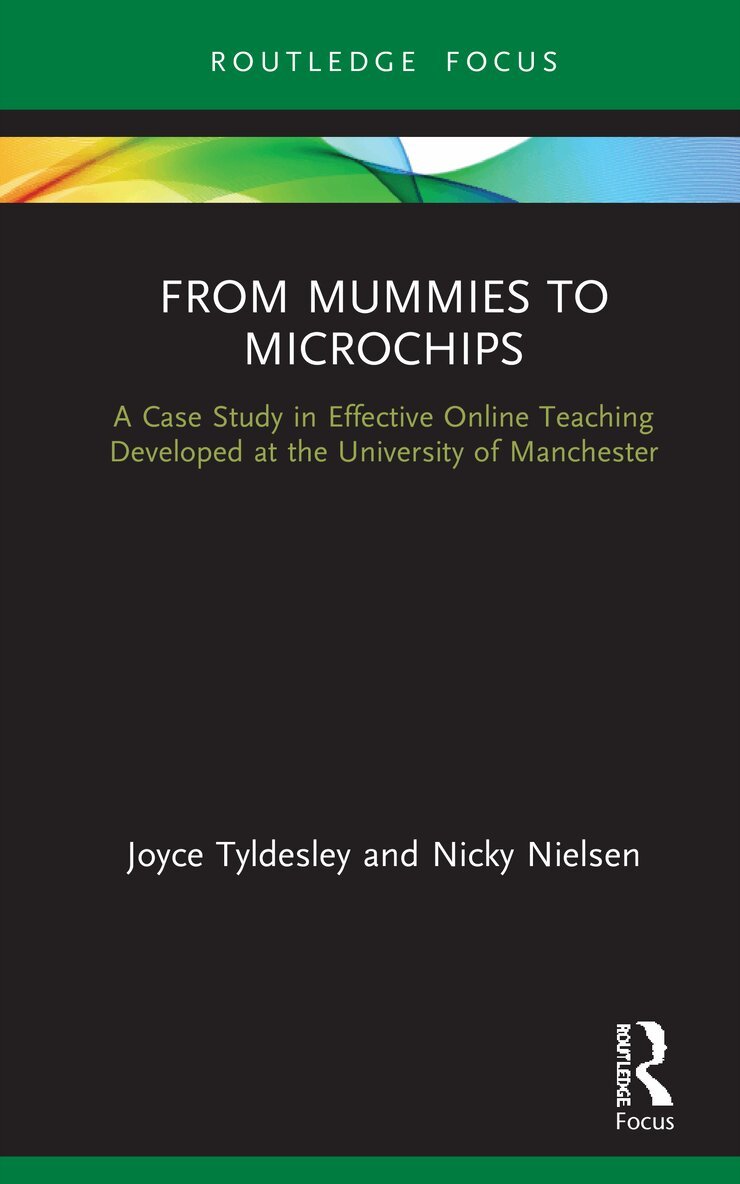
From Mummies to Microchips
A Case-Study in Effective Online Teaching Developed at the University of Manchester
Inbunden, Engelska, 2020
772 kr
Skickas inom 10-15 vardagar
This volume offers a detailed case study of the internationally acclaimed online programmes in Egyptology at the University of Manchester, UK. It distils over a decade of online teaching experience and student feedback, providing guidance for instructors developing their own online offerings.Today, many universities are actively encouraging their teaching staff towards the development of:• online programmes (programmes to be taught entirely online) and/or• online units (units to be incorporated into “blended” programmes taught partially online and partially face-to-face).Unfortunately, the staff tasked with the development of online learning rarely have access to the expertise that they need to help them utilise their teaching skills to their full potential. Technical assistance may be provided by the university e-learning department, but pedagogical and practical help – the support of colleagues with many years’ experience teaching online – is lacking.Written by experts, the book provides an invaluable guide for those wishing – or being compelled – to establish their own online courses within the humanities.
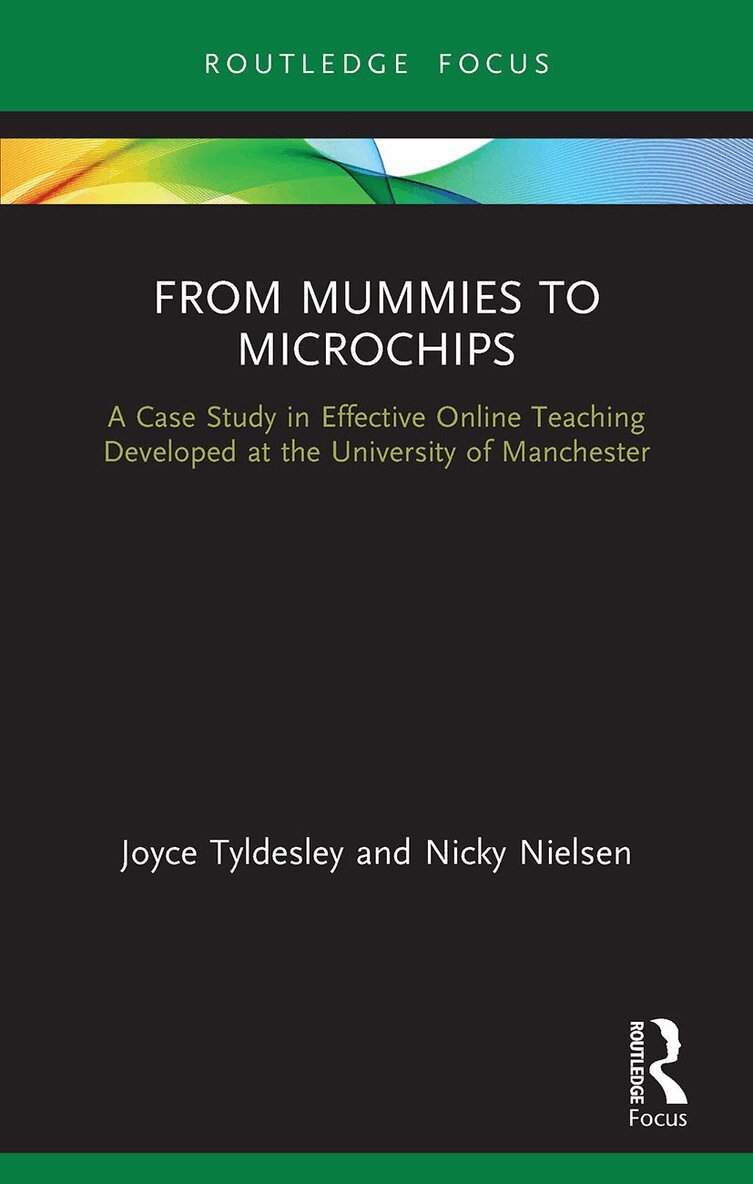
From Mummies to Microchips
A Case-Study in Effective Online Teaching Developed at the University of Manchester
Häftad, Engelska, 2022
355 kr
Skickas inom 10-15 vardagar
This volume offers a detailed case study of the internationally acclaimed online programmes in Egyptology at the University of Manchester, UK. It distils over a decade of online teaching experience and student feedback, providing guidance for instructors developing their own online offerings.Today, many universities are actively encouraging their teaching staff towards the development of:• online programmes (programmes to be taught entirely online) and/or• online units (units to be incorporated into “blended” programmes taught partially online and partially face-to-face).Unfortunately, the staff tasked with the development of online learning rarely have access to the expertise that they need to help them utilise their teaching skills to their full potential. Technical assistance may be provided by the university e-learning department, but pedagogical and practical help – the support of colleagues with many years’ experience teaching online – is lacking.Written by experts, the book provides an invaluable guide for those wishing – or being compelled – to establish their own online courses within the humanities.
815 kr
Skickas inom 10-15 vardagar
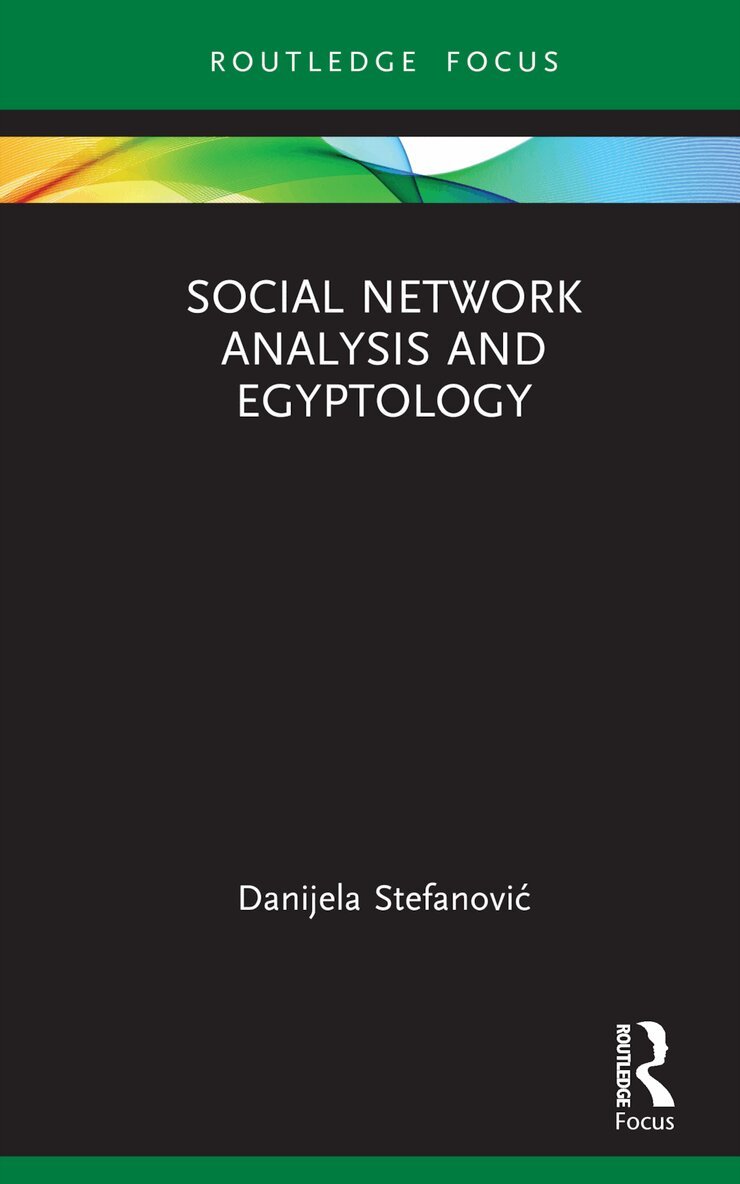
This book addresses Social Network Analysis (SNA) as a methodological approach in the field of Egyptology, exploring its possibilities, limitations, and applications within the discipline.Social Network Analysis is a sociological, graph theory-based approach used to investigate social structures created by patterns of relationships (ties or links) between actors (nodes), which has been utilised by scholars in other areas of ancient history. The book first provides readers with basic information on the theoretical background of methods applied in SNA, as well as network theory and Actor-Network Theory (ANT) more generally. It discusses the history of SNA specifically within the discipline of Egyptology, evaluating the advantages and limitations of this approach when applied to different types of datasets, such as written sources and material records. The author then explores a case study, examining the potential of network modelling on datasets from the Abydos votive zone during the Middle Kingdom period (c. 2040-1750 BC). The book highlights how SNA and network theory can be useful supplementary tools alongside more traditional research approaches in Egyptology for a more comprehensive understanding of social relations and interconnections in ancient contexts.Social Network Analysis and Egyptology is suitable for students and scholars working on Egyptology who are interested in SNA methodology, as well as those working on Classical and Ancient Near Eastern archaeology and history. It also appeals to those interested in network research and theory more broadly. Colour versions of images in this book can be found in the Support Material: www.routledge.com/9781032599632.
341 kr
Skickas inom 10-15 vardagar
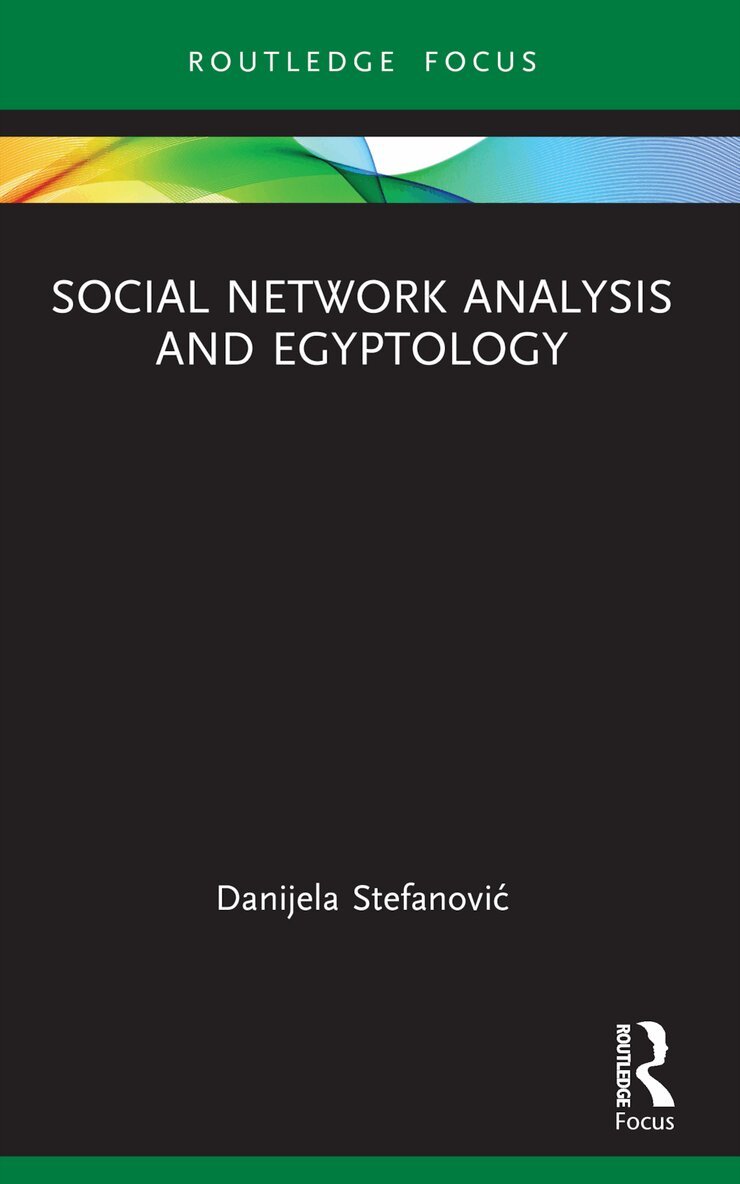
This book addresses Social Network Analysis (SNA) as a methodological approach in the field of Egyptology, exploring its possibilities, limitations, and applications within the discipline.Social Network Analysis is a sociological, graph theory-based approach used to investigate social structures created by patterns of relationships (ties or links) between actors (nodes), which has been utilised by scholars in other areas of ancient history. The book first provides readers with basic information on the theoretical background of methods applied in SNA, as well as network theory and Actor-Network Theory (ANT) more generally. It discusses the history of SNA specifically within the discipline of Egyptology, evaluating the advantages and limitations of this approach when applied to different types of datasets, such as written sources and material records. The author then explores a case study, examining the potential of network modelling on datasets from the Abydos votive zone during the Middle Kingdom period (c. 2040-1750 BC). The book highlights how SNA and network theory can be useful supplementary tools alongside more traditional research approaches in Egyptology for a more comprehensive understanding of social relations and interconnections in ancient contexts.Social Network Analysis and Egyptology is suitable for students and scholars working on Egyptology who are interested in SNA methodology, as well as those working on Classical and Ancient Near Eastern archaeology and history. It also appeals to those interested in network research and theory more broadly. Colour versions of images in this book can be found in the Support Material: www.routledge.com/9781032599632.