Routledge Research in the Ethics of Tourism Series – serie
Visar alla böcker i serien Routledge Research in the Ethics of Tourism Series. Handla med fri frakt och snabb leverans.
11 produkter
11 produkter
618 kr
Skickas inom 10-15 vardagar
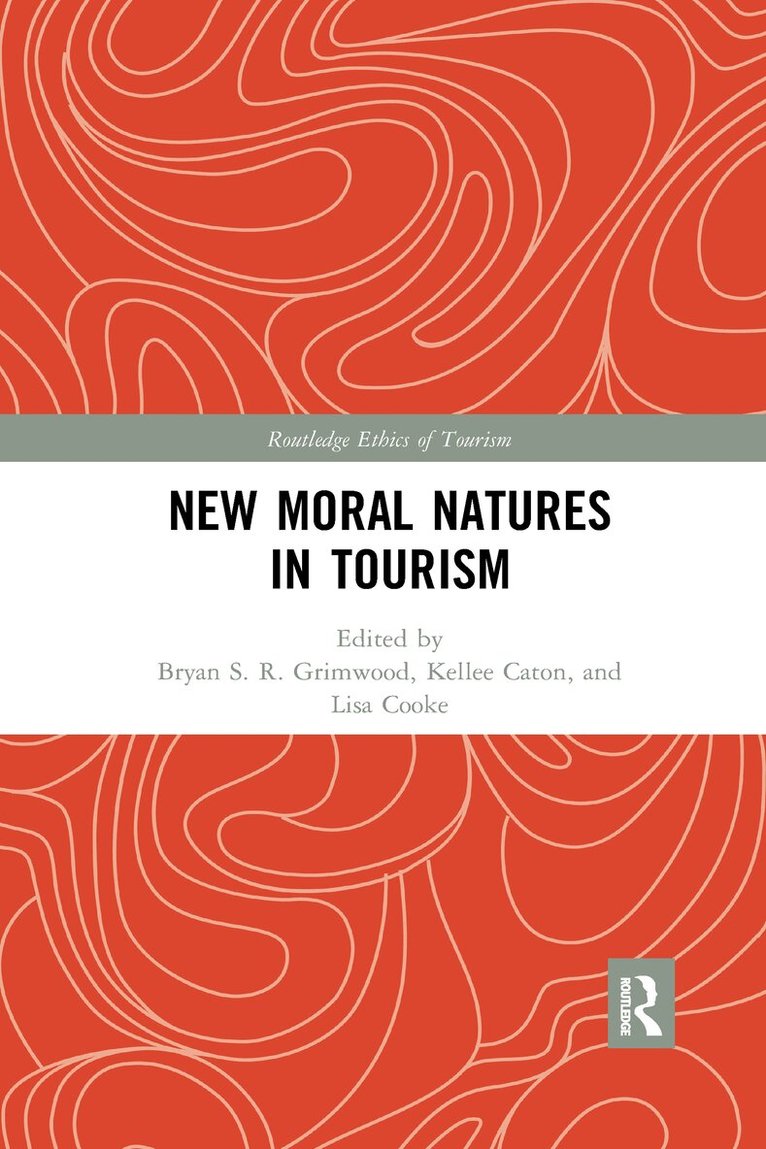
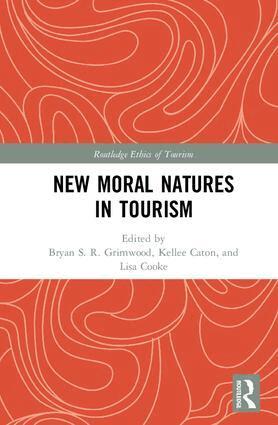
How do we understand human-nature relationships in tourism, or determine the consequences of these relationships to be "good," "bad," "right," "wrong," "fair," or "just"? What theoretical and philosophical perspectives can usefully orient us in the production and consumption of tourism towards living and enacting the "good life" with the more-than-human world? This book addresses such questions by investigating relationships between nature and morality in tourism contexts. Recognizing that morality, much like nature, is embedded in histories and landscapes of power, the book engages with diverse theoretical and philosophical perspectives to critically review, appraise, and advance dialogue on the moral dimensions of natures. Contributing authors explore the very foundations of how we make sense of nature in tourism and leisure contexts—and how we might make sense of it differently. The book will be essential reading for researchers, students, and practitioners grappling with questions about the moral values, frameworks, or practices best suited to mobilizing tourism natures. What will the future of tourism hold in terms of sustainability, justice, resilience, health, and well-being?
618 kr
Skickas inom 10-15 vardagar
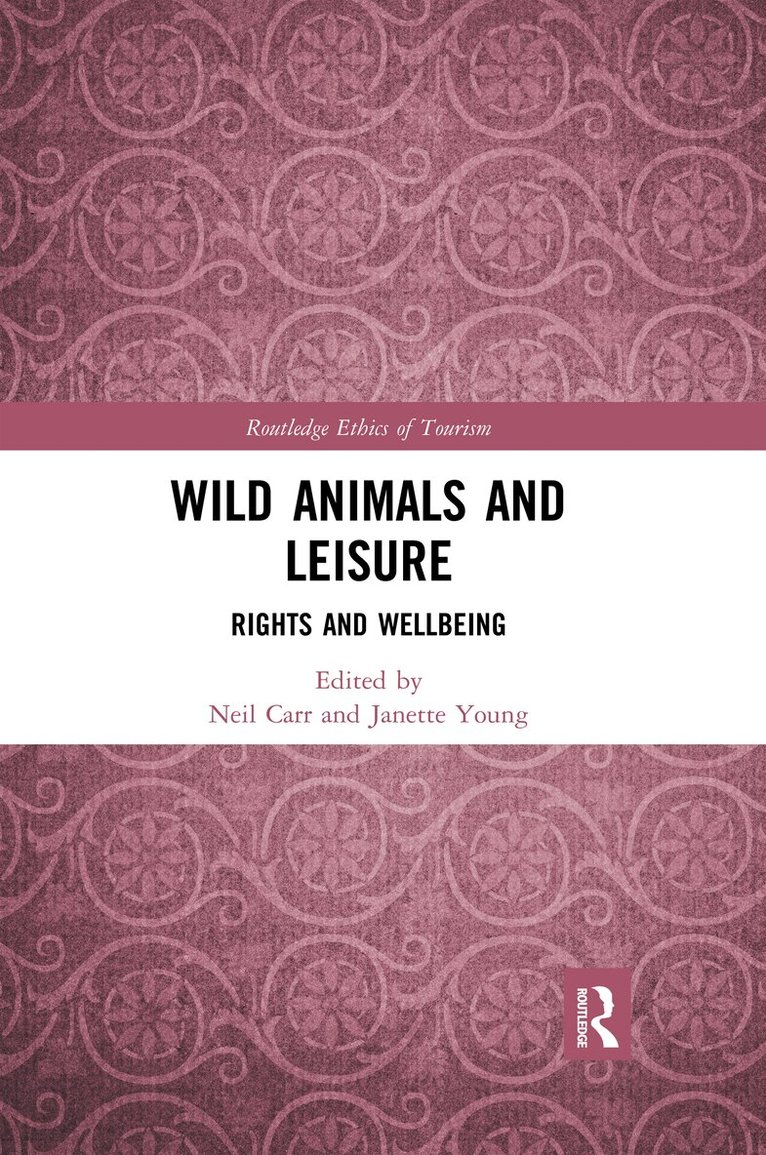
Wild animals form an integral component of the human leisure experience. They are a significant part of the leisure industry and are economically valuable entities. However, as sentient beings, animals also have rights and welfare needs, and, like humans, may also have their own leisure desires and requirements. This collection provides an in-depth analysis of the rights and welfare of humans and wild animals as the two relate to one another within the sphere of leisure studies. It examines a wide array of animals, such as wolves, elephants, dolphins and apes, in a diverse range of leisure settings in international locations, from captive wild animals in zoos, hunting, swimming with dolphins and animals used as educators and for tourist entertainment. This book provides a forum for future considerations of wild animals and leisure and a voice for animal welfarist agendas that seek to improve the conditions under which wild animals interact with and are engaged with by humans.
618 kr
Skickas inom 10-15 vardagar
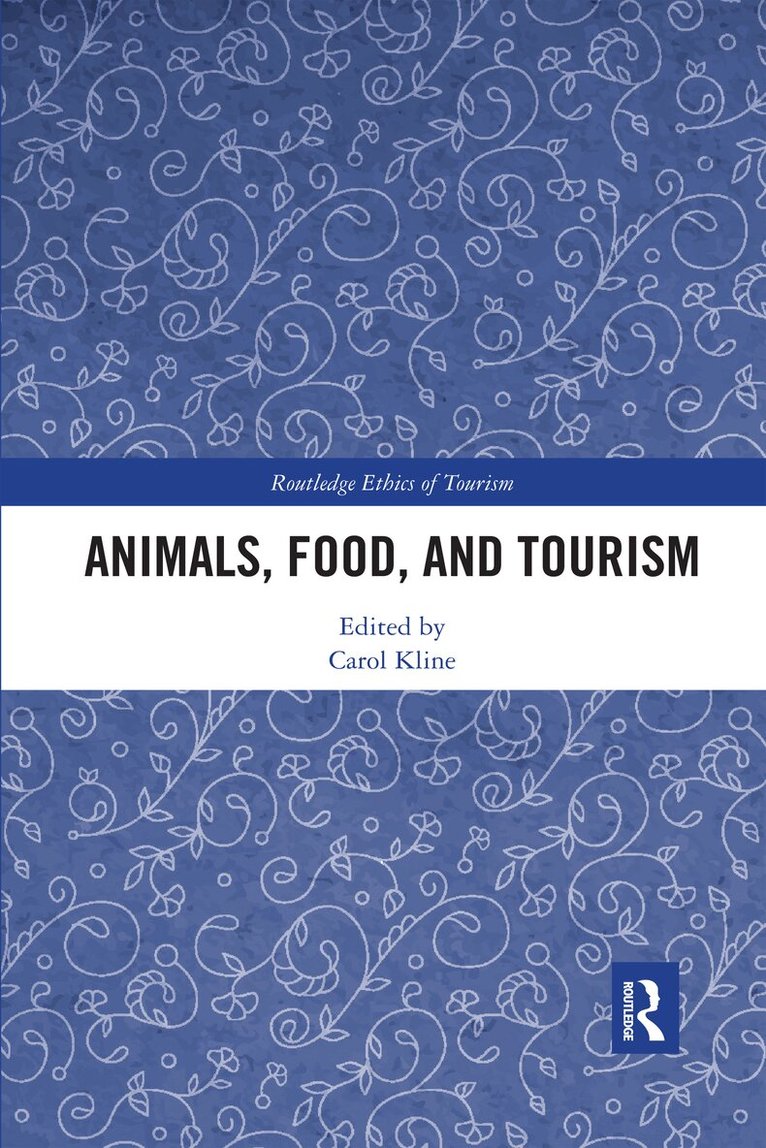
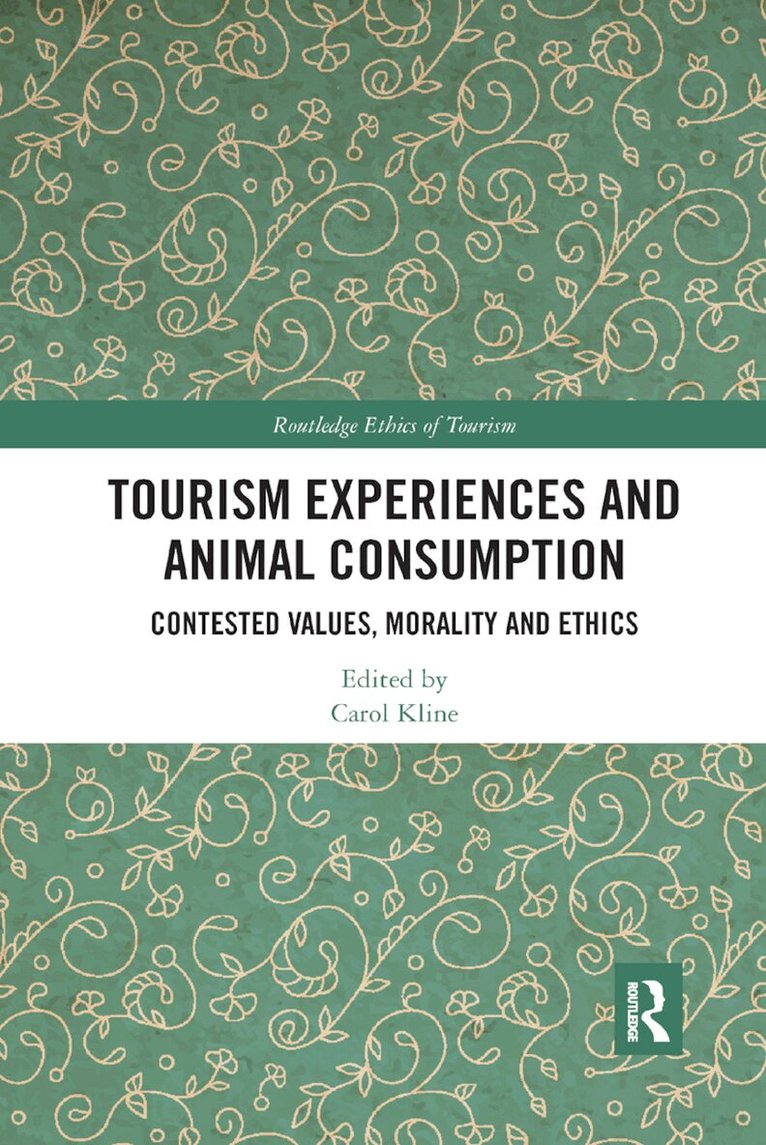
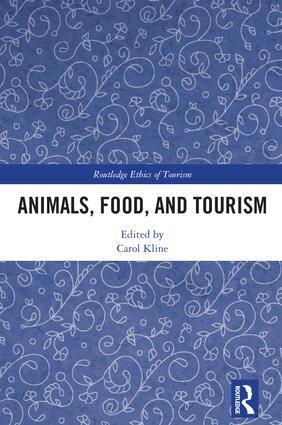
Food is routinely given attention in tourism research as a motivator of travel. Regardless of whether tourists travel with a primary motivation for experiencing local food, eating is required during their trip. This book encompasses an interdisciplinary discussion of animals as a source of food within the context of tourism. Themes include the raising, harvesting, and processing of farm animals for food; considerations in marketing animals as food; and the link between consuming animals and current environmental concerns. Ethical issues are addressed in social, economic, environmental, and political terms.The chapters are grounded in ethics-related theories and frameworks including critical theory, ecofeminism, gustatory ethics, environmental ethics, ethics within a political economy context, cultural relativism, market construction paradigm, ethical resistance, and the Global Sustainable Tourism Criteria. Several chapters explore contradicting and paradoxical ethical perspectives, whether those contradictions exist between government and private sector, between tourism and other industries, or whether they lie within ourselves.Like the authors in Tourism Experiences & Animal Consumption: Contested Values, Morality, & Ethics, the authors in this book wrestle with a range of issues such as animal sentience, the environmental consequences of animals as food, viewing animals solely as a extractive resource for human will, as well as the artificial cultural distortion of animals as food for tourism marketing purposes. This book will appeal to tourism academics and graduate students as a reference for their own research or as supplementary material for courses focused on ethics within tourism.
618 kr
Skickas inom 10-15 vardagar
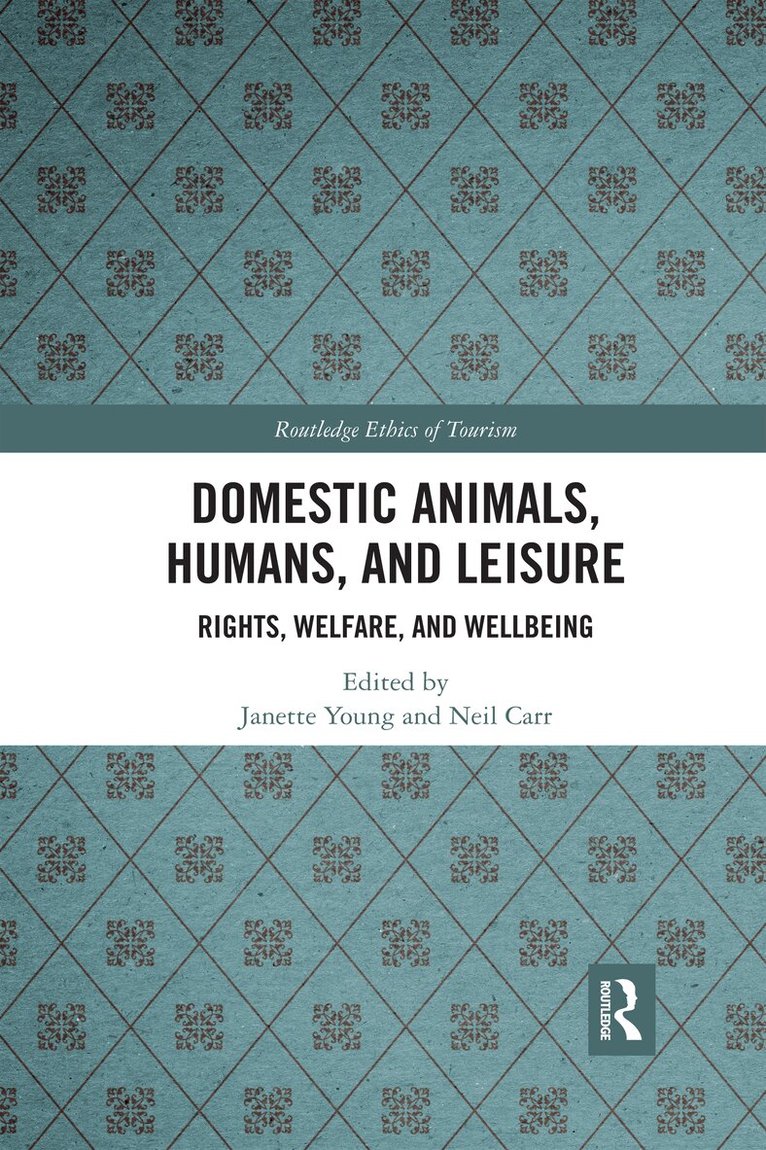
Domestic animals are an integral component of human leisure experience and can enhance the physical, social, and mental wellbeing of humans. The interplay of human and animal experiences of justice, wellbeing, rights, and roles within leisure is the central theme of this book. Research explores the position of domesticated animals in human leisure experiences, in a wide array of leisure settings. Chapters question whether domestic animals may have a desire for leisure that is different from human leisure, whether animals have and wish to fulfil needs for meaningful leisure or non-leisure, and whether human leisure needs and desires may coincide or contradict wellbeing interests of animals. This book provides a venue for the dissemination and exploration of research, which champions the welfare and rights of these animals to have their needs and interests in leisure recognised. It moves the debate about animals in leisure beyond the current limits which have seen research mainly confined to the exotic ‘other’ rather than more mundane, everyday domestic animals. This book will be of interest to individuals in the fields of tourism ethics, zoology, animal behaviour, and leisure studies.
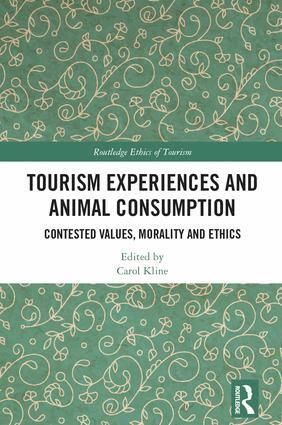
Tourism Experiences and Animal Consumption
Contested Values, Morality and Ethics
Häftad, Engelska, 2019
618 kr
Skickas inom 10-15 vardagar
This book provides an interdisciplinary discussion of animals as a source of food within the context of tourism. It focuses on a range of ethical issues associated with the production and consumption of animal foods, highlighting the different ways in which animals are valued and utilised within different cultural and economic contexts. This book brings together food studies of animals with tourism and ethics, forming an important contribution to the wider conversation of human-animal studies.
2 113 kr
Skickas inom 10-15 vardagar
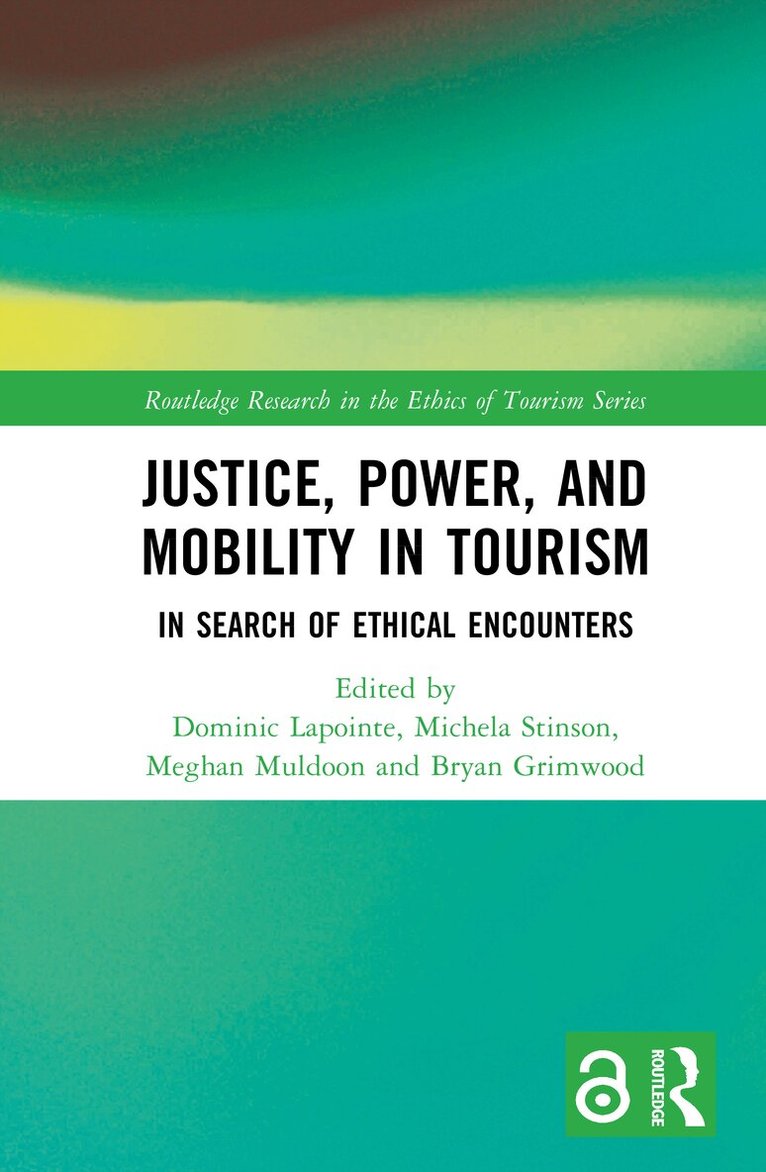
This book offers a critical and justice-oriented examination of tourism’s complex impacts, revealing how it shapes and is shaped by economic, social, gender, environmental, animal, and racial (in)justices. It explores pathways toward more equitable and transformative practices for communities and environments.The book examines a mosaic of international research on issues of justice and power in tourism. Offering a critical and justice-oriented perspective, it seeks to develop a deep and critical understanding of not only how tourism interacts with injustices but also how it perpetuates various forms of (in)justice, beyond the purely economic- and marketing-driven view of tourism. Anchored in the critical tourism studies, the book is building on a diversity of perspectives and a rich array of theoretical and disciplinary frameworks to challenge conventional point of view on power dynamics and subsequent (in)justice issues associated with tourism. With illustrative case studies from different parts of the world, it leads the readers to build reflexivity and critical engagement for thoughtful research, theories, and practices in tourism.This book is aimed at graduate studies students and professors interested in a critically oriented, justice-based understanding of tourism as a global phenomenon. It will also offer a varied perspective on the complexity of tourism and its multidisciplinary weaving with geographies, societies, and philosophies to all tourism scholars.
2 113 kr
Skickas inom 10-15 vardagar
Domestic animals are an integral component of human leisure experience and can enhance the physical, social, and mental wellbeing of humans. The interplay of human and animal experiences of justice, wellbeing, rights, and roles within leisure is the central theme of this book. Research explores the position of domesticated animals in human leisure experiences, in a wide array of leisure settings. Chapters question whether domestic animals may have a desire for leisure that is different from human leisure, whether animals have and wish to fulfil needs for meaningful leisure or non-leisure, and whether human leisure needs and desires may coincide or contradict wellbeing interests of animals. This book provides a venue for the dissemination and exploration of research, which champions the welfare and rights of these animals to have their needs and interests in leisure recognised. It moves the debate about animals in leisure beyond the current limits which have seen research mainly confined to the exotic ‘other’ rather than more mundane, everyday domestic animals. This book will be of interest to individuals in the fields of tourism ethics, zoology, animal behaviour, and leisure studies.
2 113 kr
Skickas inom 10-15 vardagar
Wild animals form an integral component of the human leisure experience. They are a significant part of the leisure industry and are economically valuable entities. However, as sentient beings, animals also have rights and welfare needs, and, like humans, may also have their own leisure desires and requirements. This collection provides an in-depth analysis of the rights and welfare of humans and wild animals as the two relate to one another within the sphere of leisure studies. It examines a wide array of animals, such as wolves, elephants, dolphins and apes, in a diverse range of leisure settings in international locations, from captive wild animals in zoos, hunting, swimming with dolphins and animals used as educators and for tourist entertainment. This book provides a forum for future considerations of wild animals and leisure and a voice for animal welfarist agendas that seek to improve the conditions under which wild animals interact with and are engaged with by humans.
2 113 kr
Skickas inom 10-15 vardagar
Food is routinely given attention in tourism research as a motivator of travel. Regardless of whether tourists travel with a primary motivation for experiencing local food, eating is required during their trip. This book encompasses an interdisciplinary discussion of animals as a source of food within the context of tourism. Themes include the raising, harvesting, and processing of farm animals for food; considerations in marketing animals as food; and the link between consuming animals and current environmental concerns. Ethical issues are addressed in social, economic, environmental, and political terms.The chapters are grounded in ethics-related theories and frameworks including critical theory, ecofeminism, gustatory ethics, environmental ethics, ethics within a political economy context, cultural relativism, market construction paradigm, ethical resistance, and the Global Sustainable Tourism Criteria. Several chapters explore contradicting and paradoxical ethical perspectives, whether those contradictions exist between government and private sector, between tourism and other industries, or whether they lie within ourselves.Like the authors in Tourism Experiences & Animal Consumption: Contested Values, Morality, & Ethics, the authors in this book wrestle with a range of issues such as animal sentience, the environmental consequences of animals as food, viewing animals solely as a extractive resource for human will, as well as the artificial cultural distortion of animals as food for tourism marketing purposes. This book will appeal to tourism academics and graduate students as a reference for their own research or as supplementary material for courses focused on ethics within tourism.
Tourism Experiences and Animal Consumption
Contested Values, Morality and Ethics
Inbunden, Engelska, 2018
2 113 kr
Skickas inom 10-15 vardagar
This book provides an interdisciplinary discussion of animals as a source of food within the context of tourism. It focuses on a range of ethical issues associated with the production and consumption of animal foods, highlighting the different ways in which animals are valued and utilised within different cultural and economic contexts. This book brings together food studies of animals with tourism and ethics, forming an important contribution to the wider conversation of human-animal studies.
2 113 kr
Skickas inom 10-15 vardagar
How do we understand human-nature relationships in tourism, or determine the consequences of these relationships to be "good," "bad," "right," "wrong," "fair," or "just"? What theoretical and philosophical perspectives can usefully orient us in the production and consumption of tourism towards living and enacting the "good life" with the more-than-human world? This book addresses such questions by investigating relationships between nature and morality in tourism contexts. Recognizing that morality, much like nature, is embedded in histories and landscapes of power, the book engages with diverse theoretical and philosophical perspectives to critically review, appraise, and advance dialogue on the moral dimensions of natures. Contributing authors explore the very foundations of how we make sense of nature in tourism and leisure contexts—and how we might make sense of it differently. The book will be essential reading for researchers, students, and practitioners grappling with questions about the moral values, frameworks, or practices best suited to mobilizing tourism natures. What will the future of tourism hold in terms of sustainability, justice, resilience, health, and well-being?