Routledge Studies in Bioenergy – serie
Visar alla böcker i serien Routledge Studies in Bioenergy. Handla med fri frakt och snabb leverans.
19 produkter
19 produkter
Häftad, Engelska, 2019
693 kr
Skickas inom 10-15 vardagar
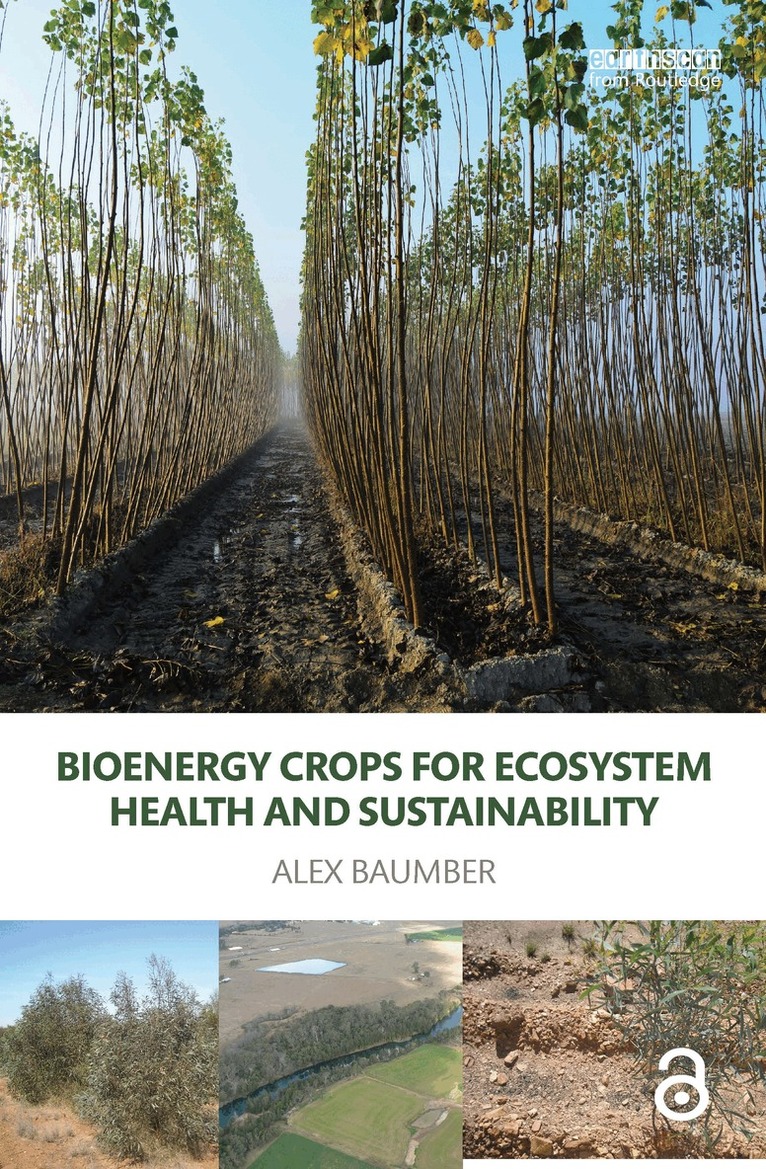
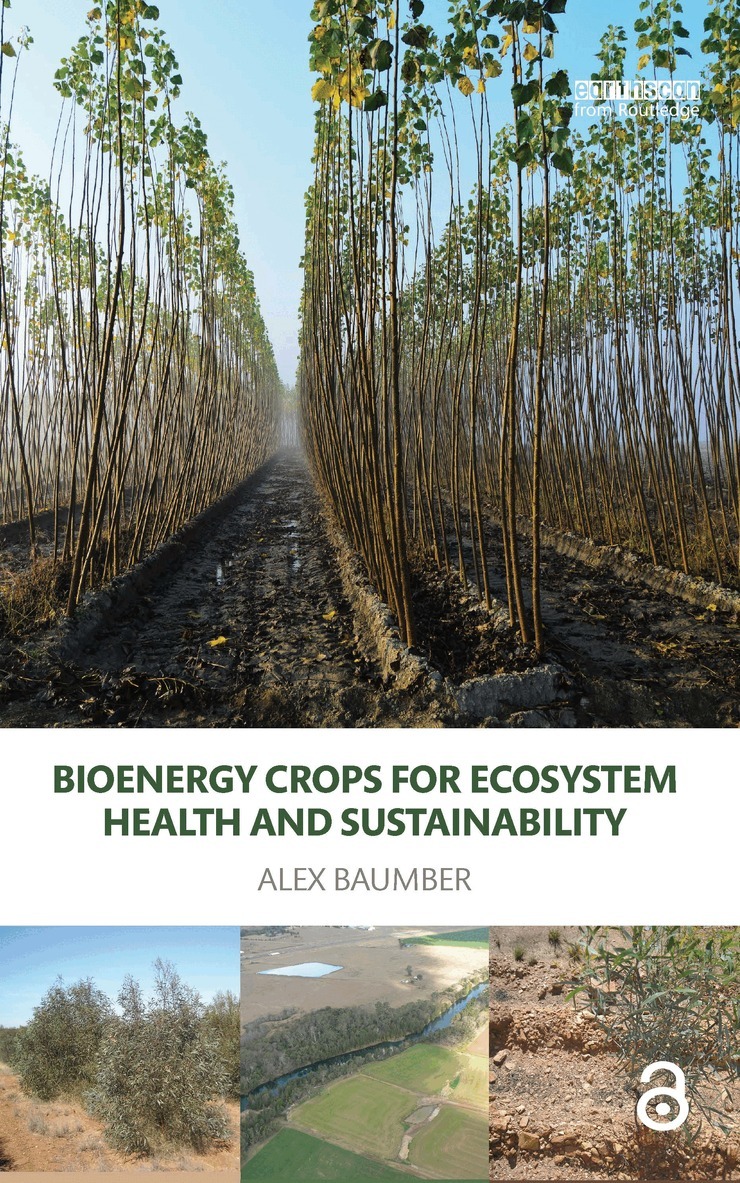
The growing of crops for bioenergy has been subject to much recent criticism, as taking away land which could be used for food production or biodiversity conservation. This book challenges some commonly-held ideas about biofuels, bioenergy and energy cropping, particularly that energy crops pose an inherent threat to ecosystems, which must be mitigated. The book recognises that certain energy crops (e.g. oil palm for biodiesel) have generated sustainability concerns, but also asks the question "is there a better way?" of using energy crops to strategically enhance ecosystem functions. It draws on numerous case studies, including where energy crops have had negative outcomes as well as well as cases where energy crops have produced benefits for ecosystem health, such as soil and water protection from the cropping of willow and poplar in Europe and the use of mallee eucalypts to fight salinity in Western Australia. While exploring this central argument, the volume also provides a systematic overview of the socio-economic sustainability issues surrounding bioenergy.
Inbunden, Engelska, 2021
2 179 kr
Skickas inom 10-15 vardagar
This book enables readers to understand the theoretical aspects, key steps and scientific techniques with a detailed mechanism to produce biofuels from algae.Each chapter provides the latest developments and recent advancements starting from algal cultivation techniques to the production of value-added green fuels, chemicals and products with wide applications. The volume brings together a broad range of international and interdisciplinary experts, including chemical and biological engineers, biotechnologists, process engineers, environmentalists, pharmacists and nutritionists, to one platform to explore the beneficial aspects and challenges for an algal-based biorefinery. Chapters address cutting-edge issues surrounding algal cultivation, including genetic modification of algal strains, design and optimization of photobioreactors and open-pond systems, algal oil extraction techniques and algal-derived fuel products (biodiesel, bio-gasoline, jet fuels and bio-oil). Finally, the book considers the potential environmental impacts for establishing a sustainable algal biorefinery through lifecycle analysis, techno-economic assessment and supply chain management. This book will be an important resource for students, academics and professionals interested in algal cultivation, biofuels and agricultural engineering, and renewable energy and sustainable development more broadly.
Häftad, Engelska, 2023
637 kr
Skickas inom 10-15 vardagar
This book enables readers to understand the theoretical aspects, key steps and scientific techniques with a detailed mechanism to produce biofuels from algae.Each chapter provides the latest developments and recent advancements starting from algal cultivation techniques to the production of value-added green fuels, chemicals and products with wide applications. The volume brings together a broad range of international and interdisciplinary experts, including chemical and biological engineers, biotechnologists, process engineers, environmentalists, pharmacists and nutritionists, to one platform to explore the beneficial aspects and challenges for an algal-based biorefinery. Chapters address cutting-edge issues surrounding algal cultivation, including genetic modification of algal strains, design and optimization of photobioreactors and open-pond systems, algal oil extraction techniques and algal-derived fuel products (biodiesel, bio-gasoline, jet fuels and bio-oil). Finally, the book considers the potential environmental impacts for establishing a sustainable algal biorefinery through lifecycle analysis, techno-economic assessment and supply chain management. This book will be an important resource for students, academics and professionals interested in algal cultivation, biofuels and agricultural engineering, and renewable energy and sustainable development more broadly.
Häftad, Engelska, 2020
637 kr
Skickas inom 10-15 vardagar
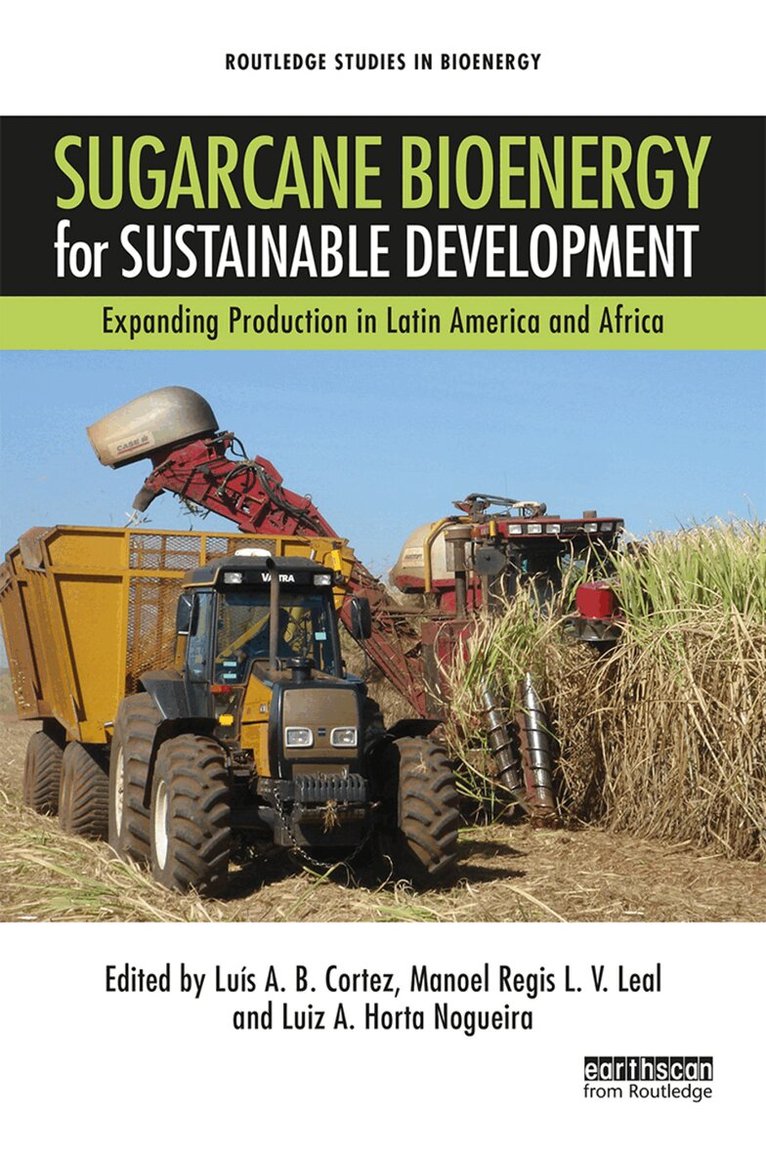
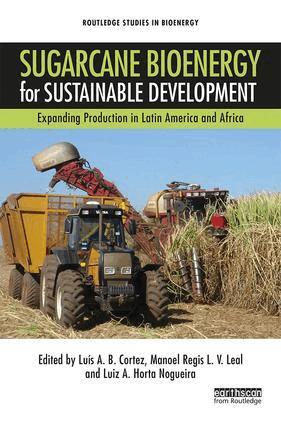
In recent years, there has been a rapid expansion of the growing of crops for use in bioenergy production rather than for food. This has been particularly the case for sugarcane in Latin America and Africa. This book examines the further potential in the context of the food versus fuel debate, and as a strategy for sustainable development.Detailed case studies of two countries, Colombia and Mozambique, are presented. These address the key issues such as the balance between food security and energy security, rural and land development policies, and feasibility and production models for expanding bioenergy. The authors then assess these issues in the context of broader sustainable development strategies, including implications for economics, employment generation, and the environment. The book will be of great interest to researchers and professionals in energy and agricultural development.
Häftad, Engelska, 2021
483 kr
Skickas inom 10-15 vardagar
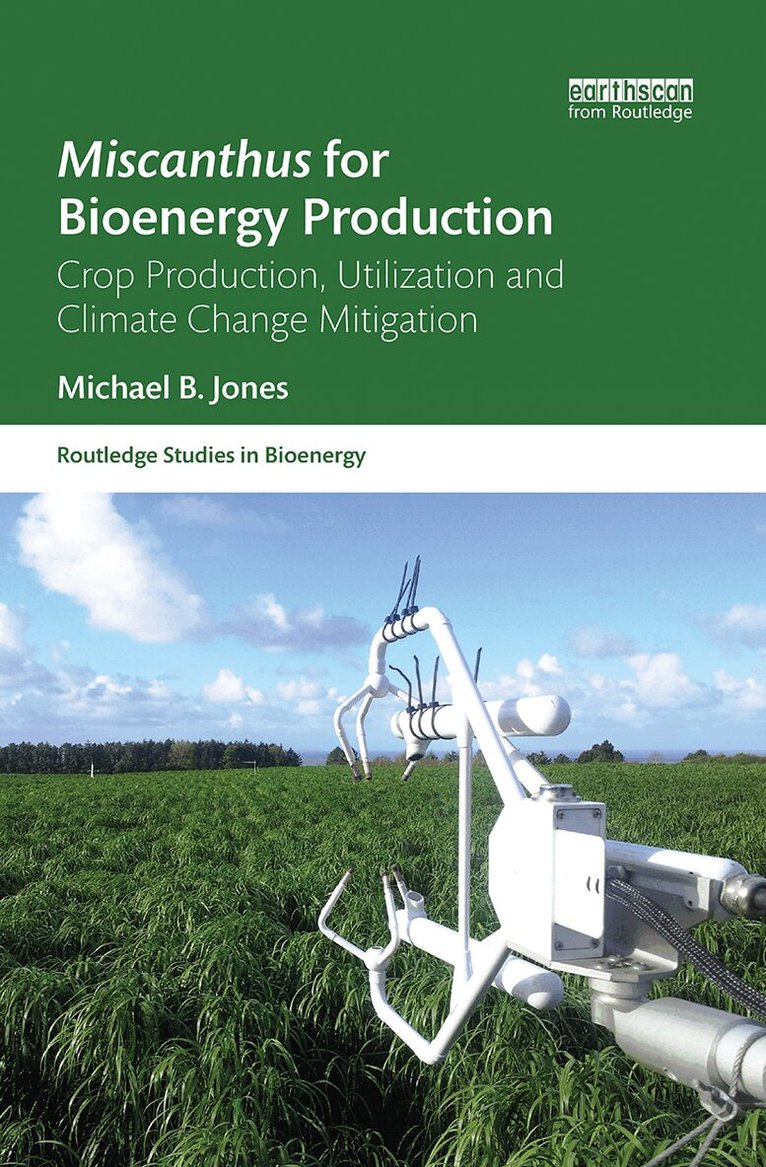
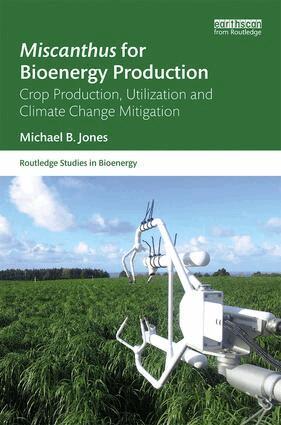
Miscanthus has been enthusiastically promoted as a second generation biomass crop, and this book provides a comprehensive review of this knowledge. Miscanthus, also known as elephant grass, is a high yielding grass crop that grows over three metres tall, resembles bamboo and produces a crop every year without the need for replanting or fertiliser application . The rapid growth, low mineral content, and high biomass yield of Miscanthus increasingly make it a favourite choice as a biofuel, outperforming switchgrass and other alternatives. There is over 20 years of research evidence to support its promotion as a second generation biomass crop. The author reviews many field measurements of yields as well as the physiology of the crop, and why it is so productive while at the same time requiring low inputs to grow it. It also shows how as a key biofuel crop it can contribute to mitigating climate change and how uptake of the adoption of Miscanthus production can be promoted, particularly in Europe and North America. The book will be key reading for students taking courses in the areas of Environmental Science and Engineering, Climate Change Impacts, Renewable Energy and Energy Conservation. It will also be of interest to researchers of second generation biomass crops, and policy developers working in biofuel production and utilization.
Inbunden, Engelska, 2013
2 249 kr
Skickas inom 10-15 vardagar
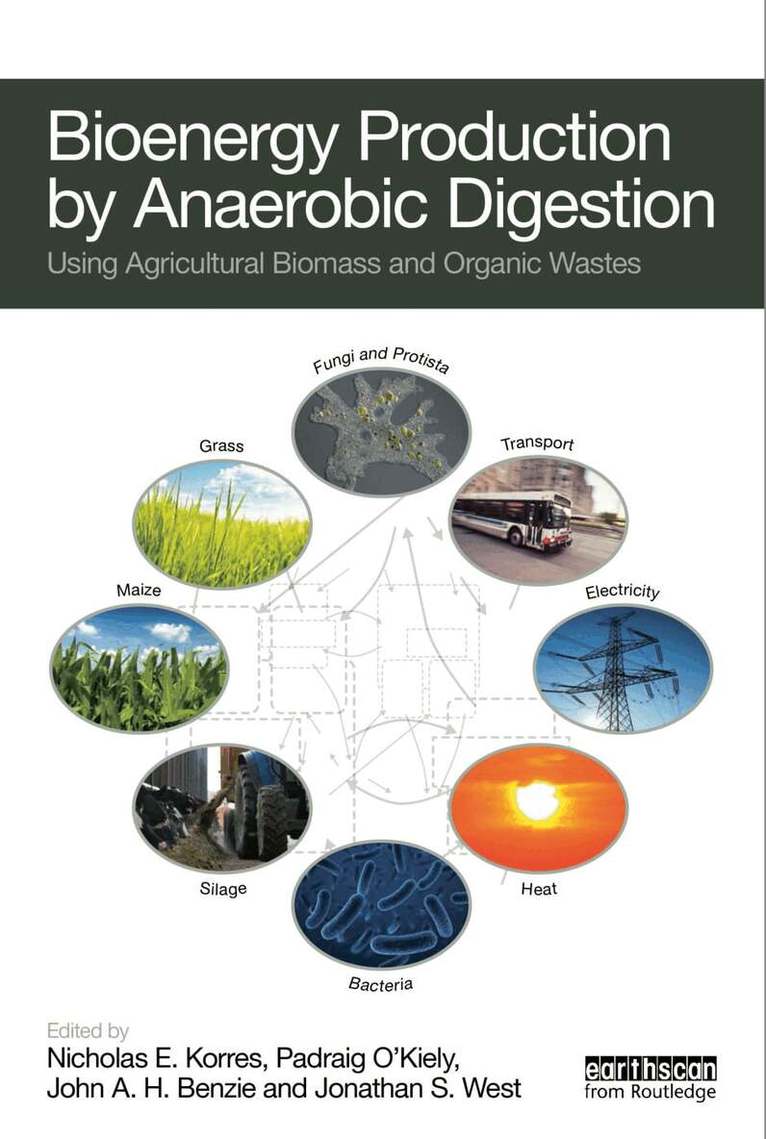
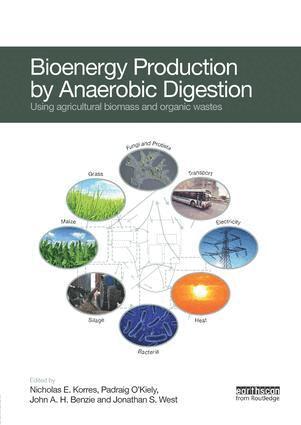
Interest in anaerobic digestion (AD), the process of energy production through the production of biogas, has increased rapidly in recent years. Agricultural and other organic waste are important substrates that can be treated by AD. This book is one of the first to provide a broad introduction to anaerobic digestion and its potential to turn agricultural crops or crop residues, animal and other organic waste, into biomethane. The substrates used can include any non-woody materials, including grass and maize silage, seaweeds, municipal and industrial wastes. These are all systematically reviewed in terms of their suitability from a biological, technical and economic perspective. In the past the technical competence and high capital investment required for industrial-scale anaerobic digesters has limited their uptake, but the authors show that recent advances have made smaller-scale systems more viable through a greater understanding of optimising bacterial metabolism and productivity. Broader issues such as life cycle assessment and energy policies to promote AD are also discussed.
Inbunden, Engelska, 2016
2 249 kr
Skickas inom 10-15 vardagar
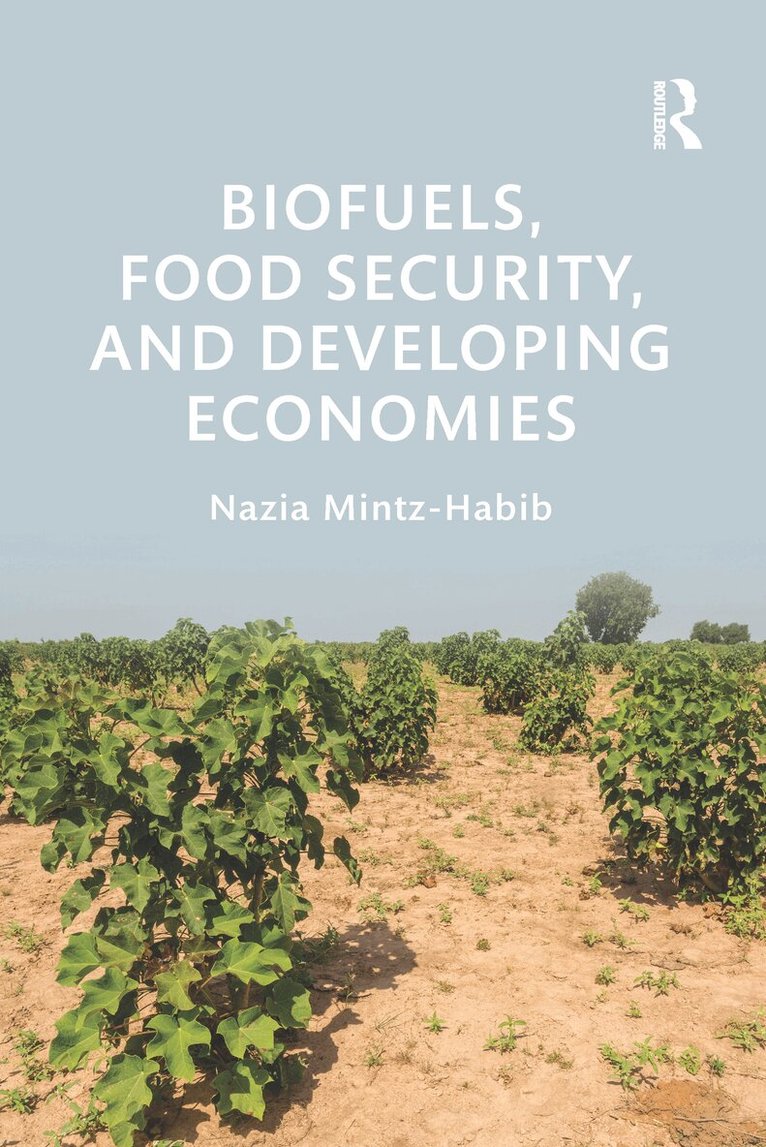
The last decade has witnessed major crises in both food and energy security across the world. One response to the challenges of climate change and energy supply has been the development of crops to be used for biofuels. But, as this book shows, this can divert agricultural land from food production to energy crops, thus affecting food security, particularly in less developed countries. The author analyses the extent to which biofuels feedstocks fit within the national food security strategy, agro-export orientation, and rural development plans and policies of developing economies. Two case studies, from Tanzania in East Africa and Borneo in Malaysia, are considered in detail, using the non-edible crop of jatropha as an example of how compromises can be reached to balance food and energy goals as well as export markets. The author develops a novel integrated approach, the Institutional Feasibility Study, as the basis of her analysis. She addresses key issues such as: how do global initiatives for green growth, energy security and sustainable development incorporate biofuels industry development? Does global biofuels trade present meaningful foreign and local investment opportunities for developing countries? To what extent does biofuels feedstock production help with poverty reduction and agricultural sector modernization? What role do the EU and the US commitments to biofuels blending targets play in the rapid industry development in developing countries? How does the biofuels industry fit within existing formal and informal institutional frameworks? Who are the winners and losers in the biofuels global value chain?
Inbunden, Engelska, 2015
2 809 kr
Skickas inom 10-15 vardagar
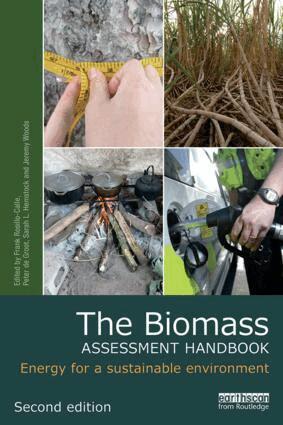
The increasing importance of biomass as a renewable energy source has led to an acute need for reliable and detailed information on its assessment, consumption and supply. Responding to this need, and overcoming the lack of standardised measurement and accounting procedures, this best-selling handbook provides the reader with the skills to understand the biomass resource base, the tools to assess the resource, and explores the pros and cons of exploitation. This new edition has been fully updated and revised with new chapters on sustainability methodologies. Topics covered include assessment methods for woody and herbaceous biomass, biomass supply and consumption, land use change, remote sensing techniques, food security, sustainability and certification as well as vital policy issues. The book includes international case studies on techniques from measuring tree volume to transporting biomass, which help to illustrate step-by-step methods. Technical appendices offer a glossary of terms, energy units and other valuable resource data.
Häftad, Engelska, 2015
1 016 kr
Skickas inom 10-15 vardagar
The increasing importance of biomass as a renewable energy source has led to an acute need for reliable and detailed information on its assessment, consumption and supply. Responding to this need, and overcoming the lack of standardised measurement and accounting procedures, this best-selling handbook provides the reader with the skills to understand the biomass resource base, the tools to assess the resource, and explores the pros and cons of exploitation. This new edition has been fully updated and revised with new chapters on sustainability methodologies. Topics covered include assessment methods for woody and herbaceous biomass, biomass supply and consumption, land use change, remote sensing techniques, food security, sustainability and certification as well as vital policy issues. The book includes international case studies on techniques from measuring tree volume to transporting biomass, which help to illustrate step-by-step methods. Technical appendices offer a glossary of terms, energy units and other valuable resource data.
Inbunden, Engelska, 2019
1 969 kr
Skickas inom 10-15 vardagar
Miscanthus has been enthusiastically promoted as a second generation biomass crop, and this book provides a comprehensive review of this knowledge. Miscanthus, also known as elephant grass, is a high yielding grass crop that grows over three metres tall, resembles bamboo and produces a crop every year without the need for replanting or fertiliser application . The rapid growth, low mineral content, and high biomass yield of Miscanthus increasingly make it a favourite choice as a biofuel, outperforming switchgrass and other alternatives. There is over 20 years of research evidence to support its promotion as a second generation biomass crop. The author reviews many field measurements of yields as well as the physiology of the crop, and why it is so productive while at the same time requiring low inputs to grow it. It also shows how as a key biofuel crop it can contribute to mitigating climate change and how uptake of the adoption of Miscanthus production can be promoted, particularly in Europe and North America. The book will be key reading for students taking courses in the areas of Environmental Science and Engineering, Climate Change Impacts, Renewable Energy and Energy Conservation. It will also be of interest to researchers of second generation biomass crops, and policy developers working in biofuel production and utilization.
Häftad, Engelska, 2017
693 kr
Skickas inom 10-15 vardagar
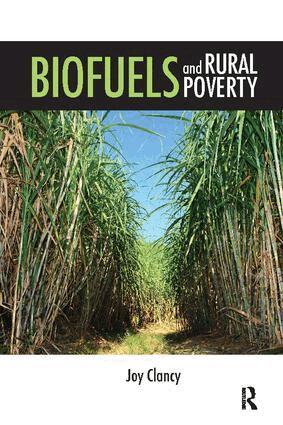
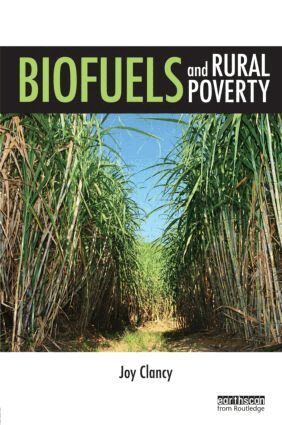
Biofuels and Rural Poverty makes an original contribution to the current controversial global debate on biofuels, in particular the consequences that large-scale production of transport fuel substitutes can have on rural areas, principally in developing countries but also in some poor rural areas of developed countries. Three key concerns are examined from a North-South perspective: ecological issues (related to land use and biodiversity), pro-poor policies (related to food and land security, gender and income generation) and equity of benefits within the global value chain. Can biofuels be pro-poor? Can smallholder farmers be equitably integrated in the biofuels global supply chain? Is the biofuels production chain detrimental to biodiversity? Most other books available on biofuels take a technical approach and are aimed at addressing energy security or climate change issues. This title focuses on the socio-economic impacts on rural people's livelihoods, offering a unique perspective on the potential role of biofuels in reducing rural poverty.
Inbunden, Engelska, 2018
2 179 kr
Skickas inom 10-15 vardagar
In recent years, there has been a rapid expansion of the growing of crops for use in bioenergy production rather than for food. This has been particularly the case for sugarcane in Latin America and Africa. This book examines the further potential in the context of the food versus fuel debate, and as a strategy for sustainable development.Detailed case studies of two countries, Colombia and Mozambique, are presented. These address the key issues such as the balance between food security and energy security, rural and land development policies, and feasibility and production models for expanding bioenergy. The authors then assess these issues in the context of broader sustainable development strategies, including implications for economics, employment generation, and the environment. The book will be of great interest to researchers and professionals in energy and agricultural development.
Häftad, Engelska, 2018
693 kr
Skickas inom 10-15 vardagar
Interest in anaerobic digestion (AD), the process of energy production through the production of biogas, has increased rapidly in recent years. Agricultural and other organic waste are important substrates that can be treated by AD. This book is one of the first to provide a broad introduction to anaerobic digestion and its potential to turn agricultural crops or crop residues, animal and other organic waste, into biomethane. The substrates used can include any non-woody materials, including grass and maize silage, seaweeds, municipal and industrial wastes. These are all systematically reviewed in terms of their suitability from a biological, technical and economic perspective. In the past the technical competence and high capital investment required for industrial-scale anaerobic digesters has limited their uptake, but the authors show that recent advances have made smaller-scale systems more viable through a greater understanding of optimising bacterial metabolism and productivity. Broader issues such as life cycle assessment and energy policies to promote AD are also discussed.
Häftad, Engelska, 2018
693 kr
Skickas inom 10-15 vardagar
The last decade has witnessed major crises in both food and energy security across the world. One response to the challenges of climate change and energy supply has been the development of crops to be used for biofuels. But, as this book shows, this can divert agricultural land from food production to energy crops, thus affecting food security, particularly in less developed countries. The author analyses the extent to which biofuels feedstocks fit within the national food security strategy, agro-export orientation, and rural development plans and policies of developing economies. Two case studies, from Tanzania in East Africa and Borneo in Malaysia, are considered in detail, using the non-edible crop of jatropha as an example of how compromises can be reached to balance food and energy goals as well as export markets. The author develops a novel integrated approach, the Institutional Feasibility Study, as the basis of her analysis. She addresses key issues such as: how do global initiatives for green growth, energy security and sustainable development incorporate biofuels industry development? Does global biofuels trade present meaningful foreign and local investment opportunities for developing countries? To what extent does biofuels feedstock production help with poverty reduction and agricultural sector modernization? What role do the EU and the US commitments to biofuels blending targets play in the rapid industry development in developing countries? How does the biofuels industry fit within existing formal and informal institutional frameworks? Who are the winners and losers in the biofuels global value chain?
Inbunden, Engelska, 2016
2 249 kr
Skickas inom 10-15 vardagar
The growing of crops for bioenergy has been subject to much recent criticism, as taking away land which could be used for food production or biodiversity conservation. This book challenges some commonly-held ideas about biofuels, bioenergy and energy cropping, particularly that energy crops pose an inherent threat to ecosystems, which must be mitigated. The book recognises that certain energy crops (e.g. oil palm for biodiesel) have generated sustainability concerns, but also asks the question "is there a better way?" of using energy crops to strategically enhance ecosystem functions. It draws on numerous case studies, including where energy crops have had negative outcomes as well as well as cases where energy crops have produced benefits for ecosystem health, such as soil and water protection from the cropping of willow and poplar in Europe and the use of mallee eucalypts to fight salinity in Western Australia. While exploring this central argument, the volume also provides a systematic overview of the socio-economic sustainability issues surrounding bioenergy.
Häftad, Engelska, 2015
848 kr
Skickas inom 10-15 vardagar
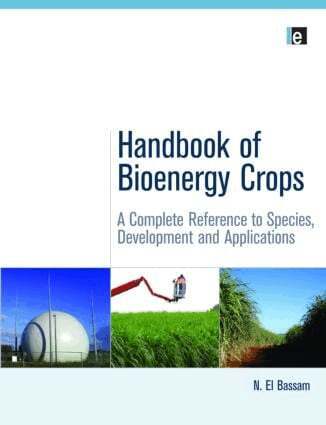
Biomass currently accounts for about fifteen per cent of global primary energy consumption and is playing an increasingly important role in the face of climate change, energy and food security concerns. Handbook of Bioenergy Crops is a unique reference and guide, with extensive coverage of more than eighty of the main bioenergy crop species. For each it gives a brief description, outlines the ecological requirements, methods of propagation, crop management, rotation and production, harvesting, handling and storage, processing and utilization, then finishes with selected references. This is accompanied by detailed guides to biomass accumulation, harvesting, transportation and storage, as well as conversion technologies for biofuels and an examination of the environmental impact and economic and social dimensions, including prospects for renewable energy. This is an indispensable resource for all those involved in biomass production, utilization and research.
Inbunden, Engelska, 2012
2 179 kr
Skickas inom 10-15 vardagar
Biofuels and Rural Poverty makes an original contribution to the current controversial global debate on biofuels, in particular the consequences that large-scale production of transport fuel substitutes can have on rural areas, principally in developing countries but also in some poor rural areas of developed countries. Three key concerns are examined from a North-South perspective: ecological issues (related to land use and biodiversity), pro-poor policies (related to food and land security, gender and income generation) and equity of benefits within the global value chain. Can biofuels be pro-poor? Can smallholder farmers be equitably integrated in the biofuels global supply chain? Is the biofuels production chain detrimental to biodiversity? Most other books available on biofuels take a technical approach and are aimed at addressing energy security or climate change issues. This title focuses on the socio-economic impacts on rural people's livelihoods, offering a unique perspective on the potential role of biofuels in reducing rural poverty.
Inbunden, Engelska, 2010
3 860 kr
Skickas inom 10-15 vardagar
Biomass currently accounts for about fifteen per cent of global primary energy consumption and is playing an increasingly important role in the face of climate change, energy and food security concerns. Handbook of Bioenergy Crops is a unique reference and guide, with extensive coverage of more than eighty of the main bioenergy crop species. For each it gives a brief description, outlines the ecological requirements, methods of propagation, crop management, rotation and production, harvesting, handling and storage, processing and utilization, then finishes with selected references. This is accompanied by detailed guides to biomass accumulation, harvesting, transportation and storage, as well as conversion technologies for biofuels and an examination of the environmental impact and economic and social dimensions, including prospects for renewable energy. This is an indispensable resource for all those involved in biomass production, utilization and research.
Inbunden, Engelska, 2000
1 338 kr
Skickas inom 10-15 vardagar
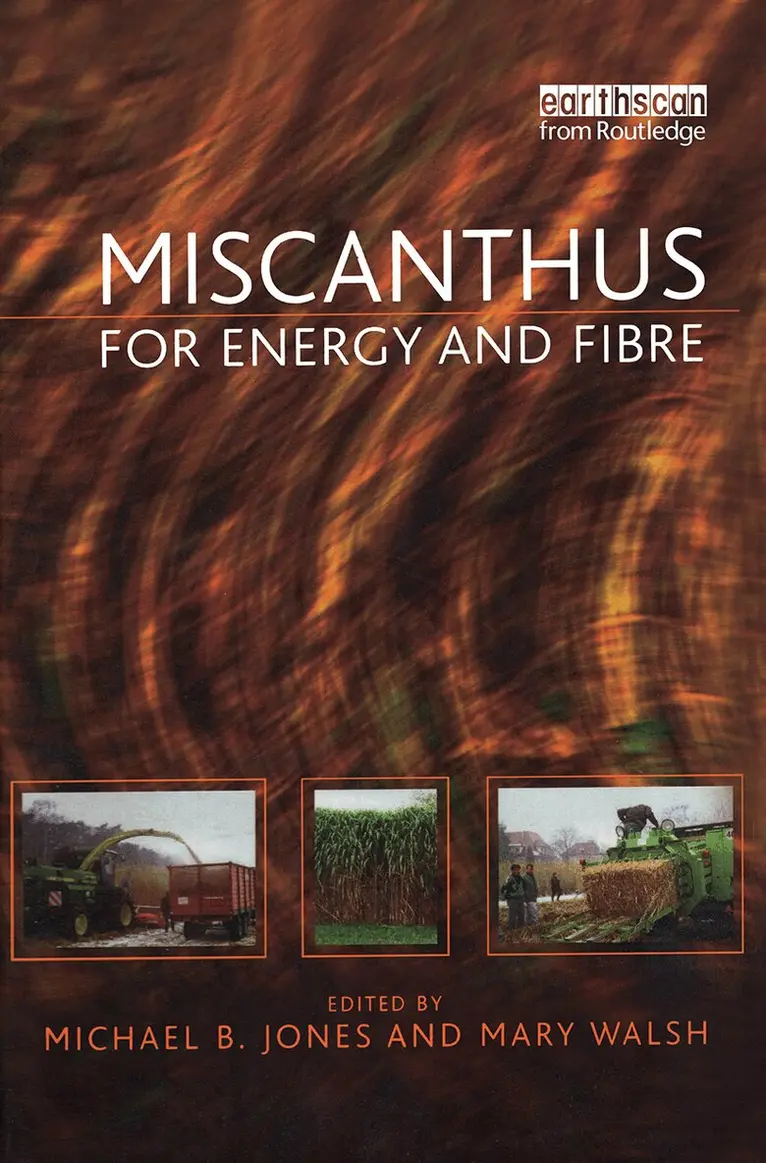
Miscanthus is a promising non-food crop yielding high quality lignocellulosic material which can be used in a number of ways, including energy and fibre production, thatching, and industrial use. This book encompasses the results and recommendations arising from extensive trials and experiments carried out by the leading European research organisations and institutions in the field. Much of the research was performed under the auspices of the Miscanthus Productivity Network, established under European Union's Directorate General for Agriculture (DG VI).This book presents expert guidance to growth conditions and breeding of Miscanthus, potential productivity and economics, environmental aspects, and harvesting, storage and utilisation. A guide to this increasingly important subject is long overdue and will be welcomed by all those involved in biomass production and renewable energies, or assessing the potential of Miscanthus as a non-food crop.