Routledge Studies in Contemporary Chinese Philosophy - Böcker
Visar alla böcker i serien Routledge Studies in Contemporary Chinese Philosophy. Handla med fri frakt och snabb leverans.
20 produkter
20 produkter
2 113 kr
Skickas inom 10-15 vardagar
Li Zehou is widely regarded as one of China’s most influential contemporary thinkers. He has produced influential theories of the development of Chinese thought and the place of aesthetics in Chinese ethics and value theory. This book is the first English-language translation of Li Zehou’s work on classical Chinese thought. It includes chapters on the classical Chinese thinkers, including Confucius, Mozi, Laozi, Sunzi, Xunzi and Zhuangzi, and also on later eras and thinkers such as Dong Zhongshu in the Han Dynasty and the Song-Ming Neo-Confucians.The essays in this book not only discuss these historical figures and their ideas, but also consider their historical significance, and how key themes from these early schools reappeared in and shaped later periods and thinkers. Taken together, they highlight the breadth of Li Zehou’s scholarship and his syncretic approach—his explanations of prominent thinkers and key periods in Chinese intellectual history blend ideas from both the Chinese and Western canons, while also drawing on contemporary thinkers in both traditions. The book also includes an introduction written by the translator that helpfully explains the significance of Li Zehou’s work and its prospects for fostering cross-cultural dialogue with Western philosophy.A History of Chinese Classical Thought will be of interest to advanced students and scholars interested in Chinese philosophy, comparative philosophy, and Chinese intellectual and social history.
659 kr
Skickas inom 10-15 vardagar
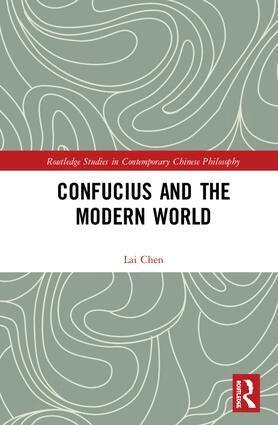
This book represents the cutting edge of theoretical works on Confucianism. Starting from Confucianism’s comeback in modern China and ending with the proposal of the new philosophical concept of “multiple universality” in the face of the world culture, the author conducts an in-depth analysis and discussion of many facets of the relationship between Confucianism, Confucian traditions and the modern world culture. It has a focused theme and a strong sense of contemporaneity, and responds to the current challenges confronting Confucianism from the perspective of modern culture. The chapters not only elucidate the Confucian position in the face of challenges of global ethics, dialogues on human rights, and ecological civilization, but also provide a modern interpretation of classical Confucian ideas on education, politics and ritual politics as well as an analysis of the development of modern Confucianism. All in all, this work is a comprehensive exposition of the Confucian values and their modern implications.
2 317 kr
Skickas inom 10-15 vardagar
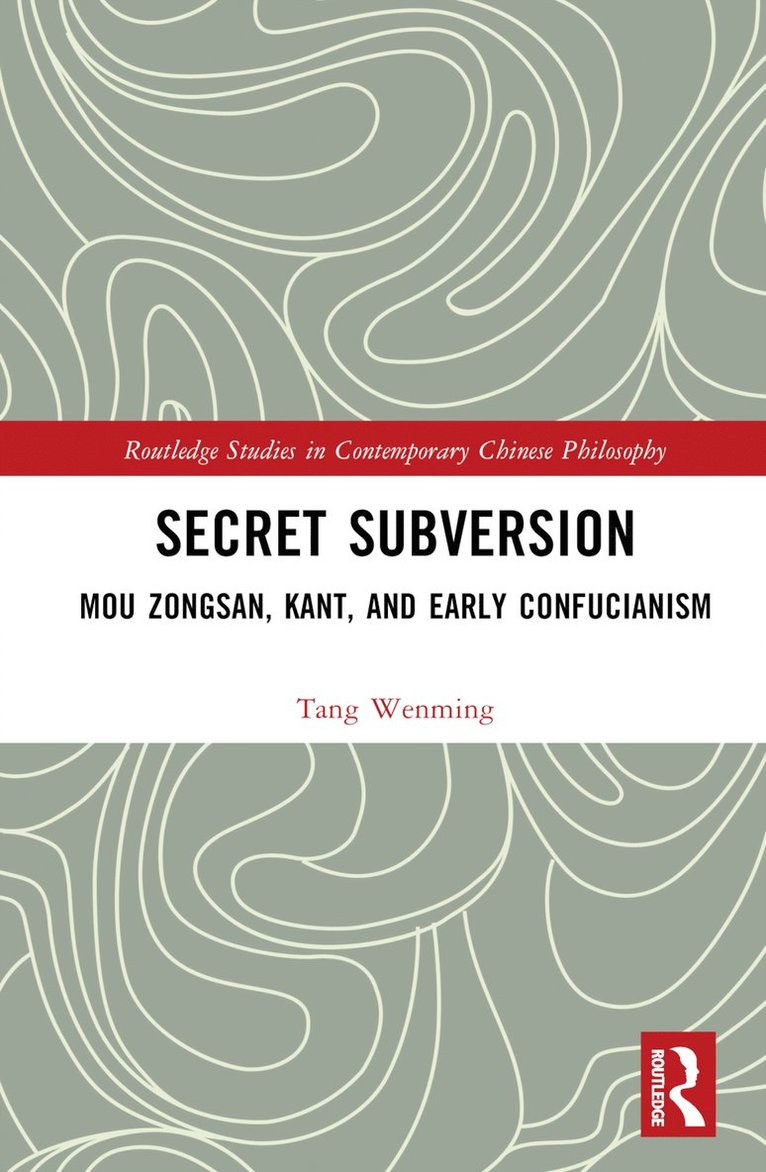
Mou Zongsan (1909–1995), one of the representatives of Modern Confucianism, belongs to the most important Chinese philosophers of the twentieth century. From a more traditional Confucian perspective, this book makes a critical analysis on Mou’s "moral metaphysics," mainly his thoughts about Confucian ethos.The author observes that Mou simplifies Confucian ethos rooted in various and specific environments, making them equal to modern ethics, which is a subversion of the ethical order of life advocated by traditional Confucianism. The author believes, also, that Mou has twisted Confucian ethos systematically by introducing Kant’s concept of autonomy into the interpretation of Confucian thoughts. Scholars and students in Chinese philosophy, especially those in Confucian studies, will be attracted by this book. Also, it will appeal to readers interested in comparative philosophy.
2 113 kr
Skickas inom 10-15 vardagar
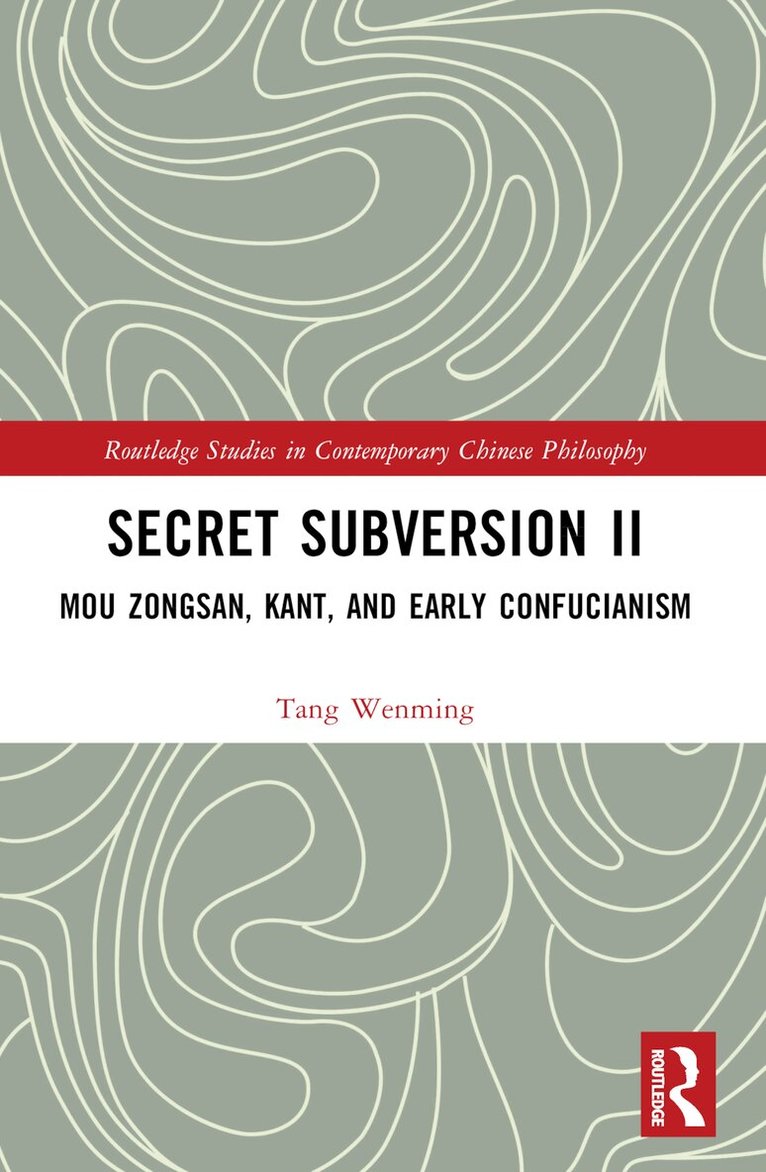
This title critically examines Mou Zongsan’s philosophical system of moral metaphysics on the level of metaphysics and history philosophy, which combines Confucianism and Kantianism philosophy. Mou Zongsan (1909–1995) is one of the representatives of Modern Confucianism and an important Chinese philosopher of the twentieth century. The two-volume set looks into the problems in the moral metaphysics by Mou and his systematic subversion of Confucianism on three levels: ethics, metaphysics and historical philosophy. In this second volume the author critiques Mou’s philosophical development of Confucianism on the latter two levels. The first part analyzes Mou’s view on conscience as ontology and his interpretation of the heavenly principles in Confucianism, arguing that his theory in fact abolishes Confucian cosmology based on modern scientific concepts and speaks for modern humanity. The second part focuses on Mou’s remolding of historical philosophy based on the concept of freedom of Kant, Hegel, and modern Western philosophy, then assesses his ideological distortions of historical and political concepts in the Confucian tradition.The title will appeal to scholars, students and philosophers interested in Chinese philosophy, Confucian ethics, Neo-Confucianism, and Comparative Philosophy.
2 113 kr
Skickas inom 10-15 vardagar
In China, political philosophy is still a comparatively new academic discipline. While there is no such phrase as “political philosophy” in ancient Chinese texts, there are elements within them that could be considered part of that field. Central questions of Chinese ancient political philosophy include the legitimacy of the source of political power, the foundation of moral rationality for the use of political power, and the purpose of political activities. This book explores the ideas of rights, the foundations of law, transference of power, democracy and other topics as debated in ancient times. Focusing on important political thinkers in Chinese history, such as Kongzi, Laozi, Xu Fuguan, Liang Qichao, and Li Dazhao, the book explains characteristics that are particular to China, such as the system of abdication, the general will of the people, and the society of Great Harmony. While making comparisons between Chinese and Western political philosophy, the book also discusses how to establish a Chinese modern state and how to promote Chinese culture today so that it can influence more and more people around the world. The book will be a valuable reference for scholars of Chinese philosophy, political philosophy, and Chinese culture.
632 kr
Skickas inom 10-15 vardagar
In China, political philosophy is still a comparatively new academic discipline. While there is no such phrase as “political philosophy” in ancient Chinese texts, there are elements within them that could be considered part of that field. Central questions of Chinese ancient political philosophy include the legitimacy of the source of political power, the foundation of moral rationality for the use of political power, and the purpose of political activities. This book explores the ideas of rights, the foundations of law, transference of power, democracy and other topics as debated in ancient times. Focusing on important political thinkers in Chinese history, such as Kongzi, Laozi, Xu Fuguan, Liang Qichao, and Li Dazhao, the book explains characteristics that are particular to China, such as the system of abdication, the general will of the people, and the society of Great Harmony. While making comparisons between Chinese and Western political philosophy, the book also discusses how to establish a Chinese modern state and how to promote Chinese culture today so that it can influence more and more people around the world. The book will be a valuable reference for scholars of Chinese philosophy, political philosophy, and Chinese culture.
632 kr
Skickas inom 10-15 vardagar
Li Zehou is widely regarded as one of China’s most influential contemporary thinkers. He has produced influential theories of the development of Chinese thought and the place of aesthetics in Chinese ethics and value theory. This book is the first English-language translation of Li Zehou’s work on classical Chinese thought. It includes chapters on the classical Chinese thinkers, including Confucius, Mozi, Laozi, Sunzi, Xunzi and Zhuangzi, and also on later eras and thinkers such as Dong Zhongshu in the Han Dynasty and the Song-Ming Neo-Confucians.The essays in this book not only discuss these historical figures and their ideas, but also consider their historical significance, and how key themes from these early schools reappeared in and shaped later periods and thinkers. Taken together, they highlight the breadth of Li Zehou’s scholarship and his syncretic approach—his explanations of prominent thinkers and key periods in Chinese intellectual history blend ideas from both the Chinese and Western canons, while also drawing on contemporary thinkers in both traditions. The book also includes an introduction written by the translator that helpfully explains the significance of Li Zehou’s work and its prospects for fostering cross-cultural dialogue with Western philosophy.A History of Chinese Classical Thought will be of interest to advanced students and scholars interested in Chinese philosophy, comparative philosophy, and Chinese intellectual and social history.
2 113 kr
Skickas inom 10-15 vardagar
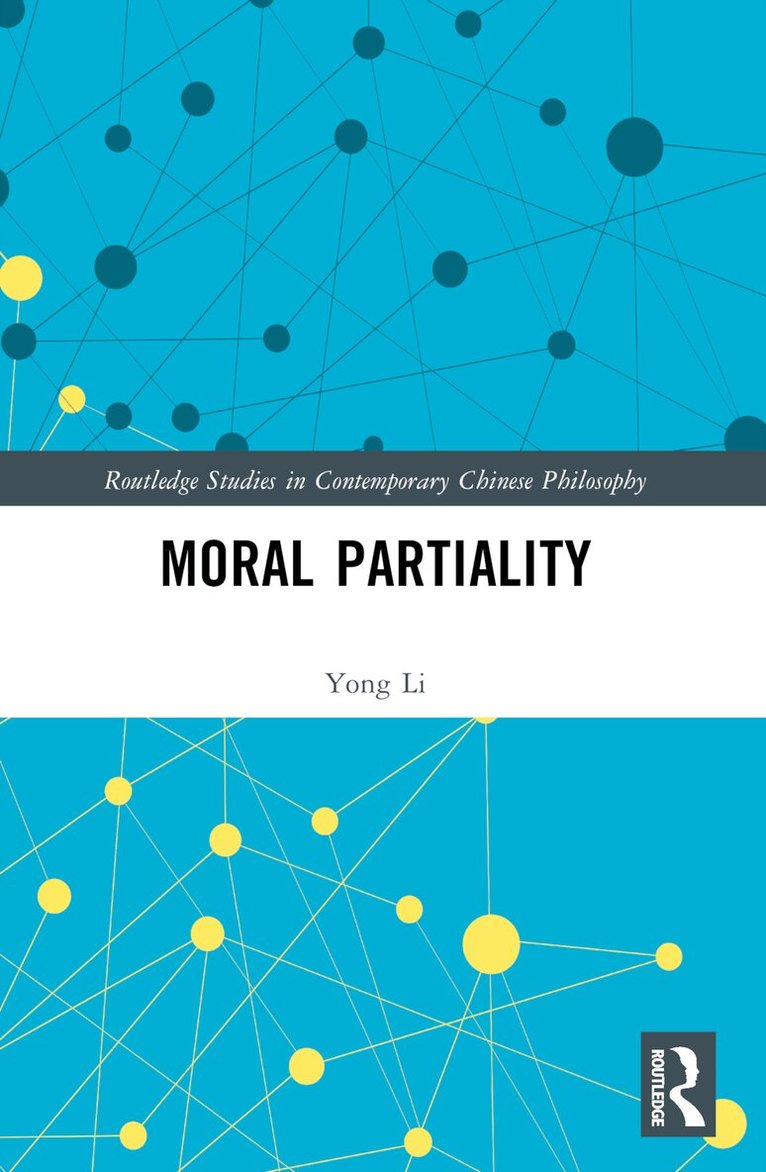
Situated within the framework of Confucian family-oriented ethics, this book explores the issue of familial partiality and specifically discusses whether it is morally praiseworthy to love one’s family partially.In reviewing the tension between familial partiality and egalitarian impartiality from different perspectives while also drawing on binary metrics to understand the issue – that is, the weak and strong sense of familial partiality in Confucian moral theory – the author carefully discusses the efficacy of three major arguments to justify moral partiality. It is concluded that the tree argument fails to justify moral partiality in Confucianism, the evolutionary argument only justifies moral partiality in the weak sense that we should devote more resources to our family, and the care argument fails to justify moral partiality in the strong sense that family takes priority in any case even at the expense of the principle of justice. Seeking to address the quandary, the author advances an alternative argument based on Thomas Aquinas’ theory of love to interpret Confucian view of partial relationships, holding that partial treatment is assumed in partial relationships.The title will appeal to scholars and students interested in Confucianism, Chinese philosophy, moral philosophy, and comparative philosophy.
578 kr
Skickas inom 10-15 vardagar
Situated within the framework of Confucian family-oriented ethics, this book explores the issue of familial partiality and specifically discusses whether it is morally praiseworthy to love one’s family partially.In reviewing the tension between familial partiality and egalitarian impartiality from different perspectives while also drawing on binary metrics to understand the issue – that is, the weak and strong sense of familial partiality in Confucian moral theory – the author carefully discusses the efficacy of three major arguments to justify moral partiality. It is concluded that the tree argument fails to justify moral partiality in Confucianism, the evolutionary argument only justifies moral partiality in the weak sense that we should devote more resources to our family, and the care argument fails to justify moral partiality in the strong sense that family takes priority in any case even at the expense of the principle of justice. Seeking to address the quandary, the author advances an alternative argument based on Thomas Aquinas’ theory of love to interpret Confucian view of partial relationships, holding that partial treatment is assumed in partial relationships.The title will appeal to scholars and students interested in Confucianism, Chinese philosophy, moral philosophy, and comparative philosophy.
5 215 kr
Skickas inom 10-15 vardagar
Mou Zongsan (1909–1995) is one of the representatives of Modern Confucianism and an important Chinese philosopher of the twentieth century. This two-volume set critically examines the philosophical system of moral metaphysics proposed by Mou, which combines Confucianism and Kantianism philosophy. The author looks into the problems in the moral metaphysics by Mou and his systematic subversion of Confucianism on three levels: ethics, metaphysics and historical philosophy. The first volume discusses Mou’s distortion of traditional Confucian ethos on the ethical level by introducing Kantian moral concept and misappropriating Kant’s concept of autonomy. In the second volume the author critiques Mou’s philosophical development of Confucianism in terms of conscience as ontology and historical philosophy respectively, which draws on ideas of Kant and Hegel while deviating from the classical context and tradition of Confucian thoughts.The set will appeal to scholars, students and philosophers interested in Chinese philosophy, Confucian ethics, Neo-Confucianism and Comparative Philosophy.
1 194 kr
Skickas inom 10-15 vardagar
Mou Zongsan (1909–1995) is one of the representatives of Modern Confucianism and an important Chinese philosopher of the twentieth century. This two-volume set critically examines the philosophical system of moral metaphysics proposed by Mou, which combines Confucianism and Kantianism philosophy. The author looks into the problems in the moral metaphysics by Mou and his systematic subversion of Confucianism on three levels: ethics, metaphysics and historical philosophy. The first volume discusses Mou’s distortion of traditional Confucian ethos on the ethical level by introducing Kantian moral concept and misappropriating Kant’s concept of autonomy. In the second volume the author critiques Mou’s philosophical development of Confucianism in terms of conscience as ontology and historical philosophy respectively, which draws on ideas of Kant and Hegel while deviating from the classical context and tradition of Confucian thoughts.The set will appeal to scholars, students and philosophers interested in Chinese philosophy, Confucian ethics, Neo-Confucianism and Comparative Philosophy.
578 kr
Skickas inom 10-15 vardagar
This title critically examines Mou Zongsan’s philosophical system of moral metaphysics on the level of metaphysics and history philosophy, which combines Confucianism and Kantianism philosophy. Mou Zongsan (1909–1995) is one of the representatives of Modern Confucianism and an important Chinese philosopher of the twentieth century. The two-volume set looks into the problems in the moral metaphysics by Mou and his systematic subversion of Confucianism on three levels: ethics, metaphysics and historical philosophy. In this second volume the author critiques Mou’s philosophical development of Confucianism on the latter two levels. The first part analyzes Mou’s view on conscience as ontology and his interpretation of the heavenly principles in Confucianism, arguing that his theory in fact abolishes Confucian cosmology based on modern scientific concepts and speaks for modern humanity. The second part focuses on Mou’s remolding of historical philosophy based on the concept of freedom of Kant, Hegel, and modern Western philosophy, then assesses his ideological distortions of historical and political concepts in the Confucian tradition.The title will appeal to scholars, students and philosophers interested in Chinese philosophy, Confucian ethics, Neo-Confucianism, and Comparative Philosophy.
632 kr
Skickas inom 10-15 vardagar
Mou Zongsan (1909–1995), one of the representatives of Modern Confucianism, belongs to the most important Chinese philosophers of the twentieth century. From a more traditional Confucian perspective, this book makes a critical analysis on Mou’s "moral metaphysics," mainly his thoughts about Confucian ethos.The author observes that Mou simplifies Confucian ethos rooted in various and specific environments, making them equal to modern ethics, which is a subversion of the ethical order of life advocated by traditional Confucianism. The author believes, also, that Mou has twisted Confucian ethos systematically by introducing Kant’s concept of autonomy into the interpretation of Confucian thoughts. Scholars and students in Chinese philosophy, especially those in Confucian studies, will be attracted by this book. Also, it will appeal to readers interested in comparative philosophy.
2 113 kr
Skickas inom 10-15 vardagar
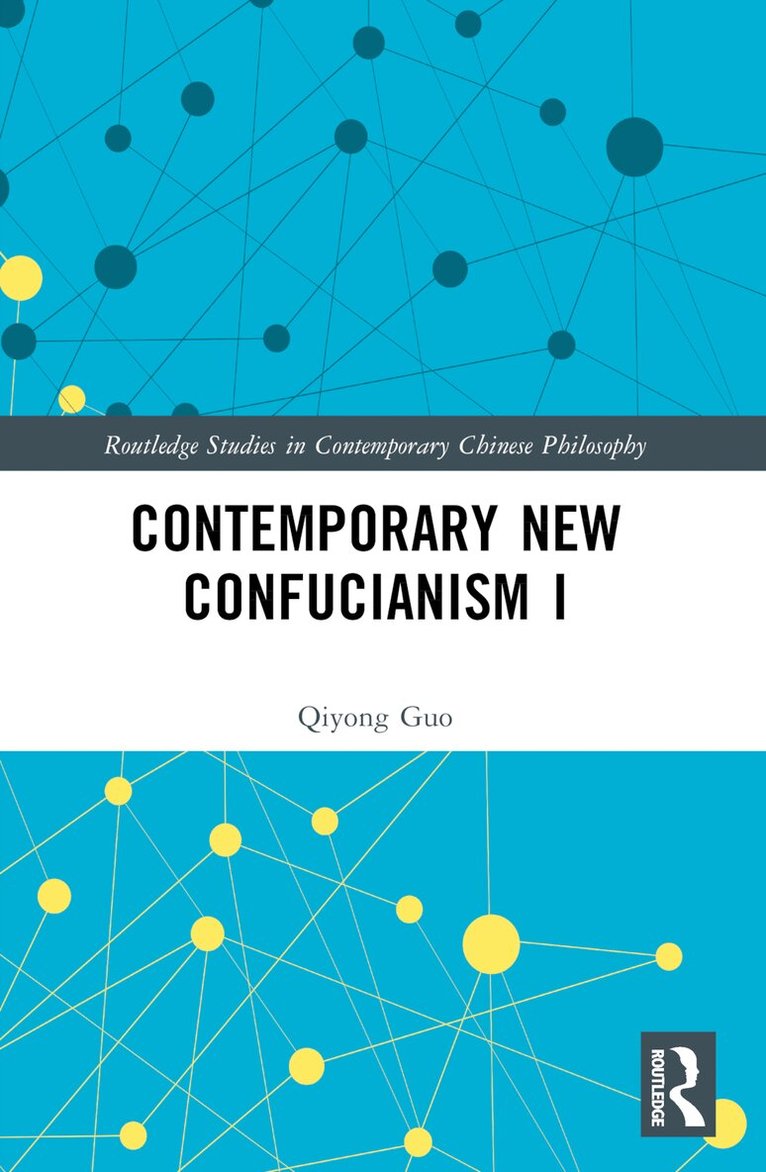
As the first volume of a two-volume seminal work on contemporary New Confucianism in China, this book charts the development of this intellectual trend and examines four leading thinkers of this intellectual movement in the 20th century.Contemporary New Confucianism refers to the Confucianism or Confucian thought that has emerged in China since the 1920s and that seeks to revive Confucian spirituality in a changing society. This volume first analyzes the cultural context, logical approach, major themes, and problems of New Confucianism before delving into the four leading figures, namely Liang Shumin, Xiong Shili, Ma Yifu, and Qian Mu. The chapter on Liang Shumin analyzes his concept of will, his arguments on Confucian moral ideals, and his theory of culture. It then discusses Xiong Shili's contribution to the philosophical metaphysics of New Confucianism. The following chapter on Ma Yifu examines his theory of the mind, nature, and the six arts. The final chapter on Qian Mu presents his views on nationality, history, and the Chinese classics.This title will appeal to scholars and students of modern and contemporary Confucianism, intellectual history, philosophy and thought of contemporary China, and comparative philosophy.
2 113 kr
Skickas inom 10-15 vardagar
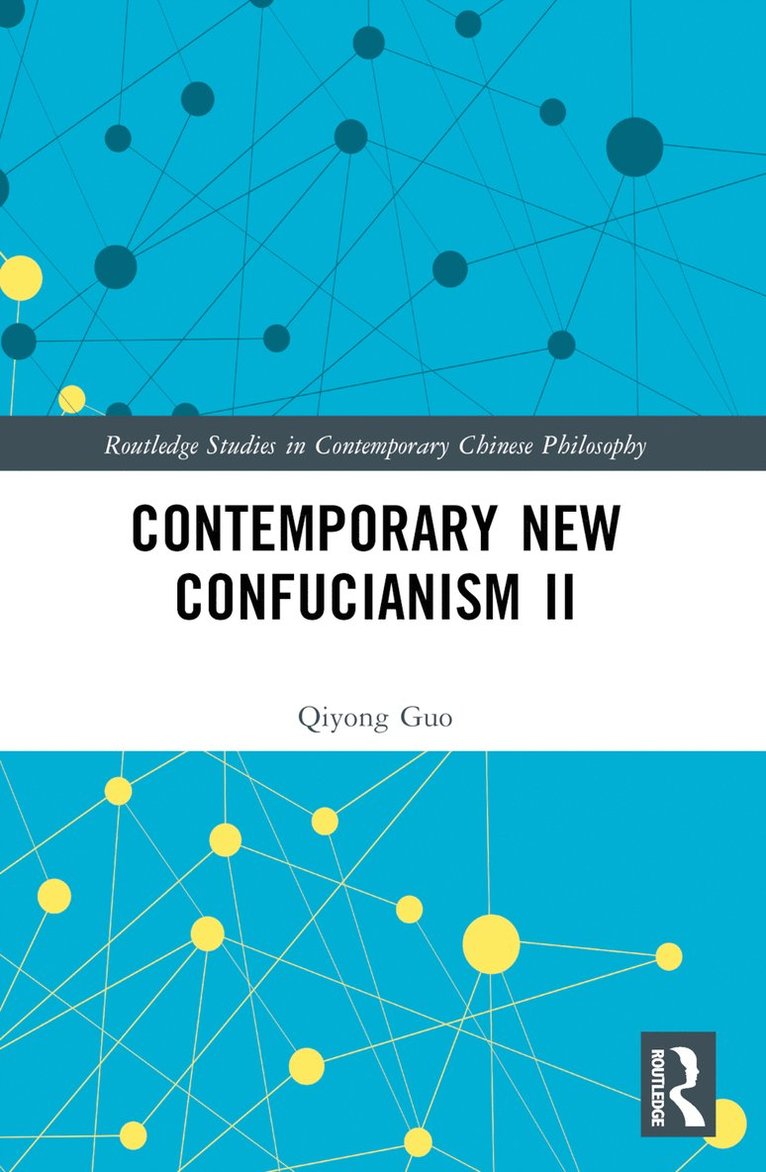
As the second volume of a two-volume seminal work on contemporary New Confucianism in China, this book focuses on six leading thinkers of this intellectual movement in the 20th century.Contemporary New Confucianism refers to the Confucianism or Confucian thought that has emerged in China since the 1920s, which aims to revive the spirituality of Confucianism in a changing society. This volume introduces the philosophical thought of Zhang Junmai, Feng Youlan, He Lin, Fang Dongmei, Tang Junyi, and Mou Zongsan, including Zhang's political philosophy and comparative philosophy, Feng's transformation of Chinese philosophy, He's idea of culture and "spirit-only idealism," Fang's comparative philosophy, Tang's idea of moral self and theory of human spiritual realms, and Mou's new ontology for Confucianism. It analyzes their divergences and the contemporary relevance of their thought in terms of revisiting and transforming traditional Chinese philosophy and reconciling Chinese and Western traditions.This title will appeal to scholars and students of modern and contemporary Confucianism, intellectual history, philosophy and thought of contemporary China, and comparative philosophy.
4 975 kr
Skickas inom 10-15 vardagar
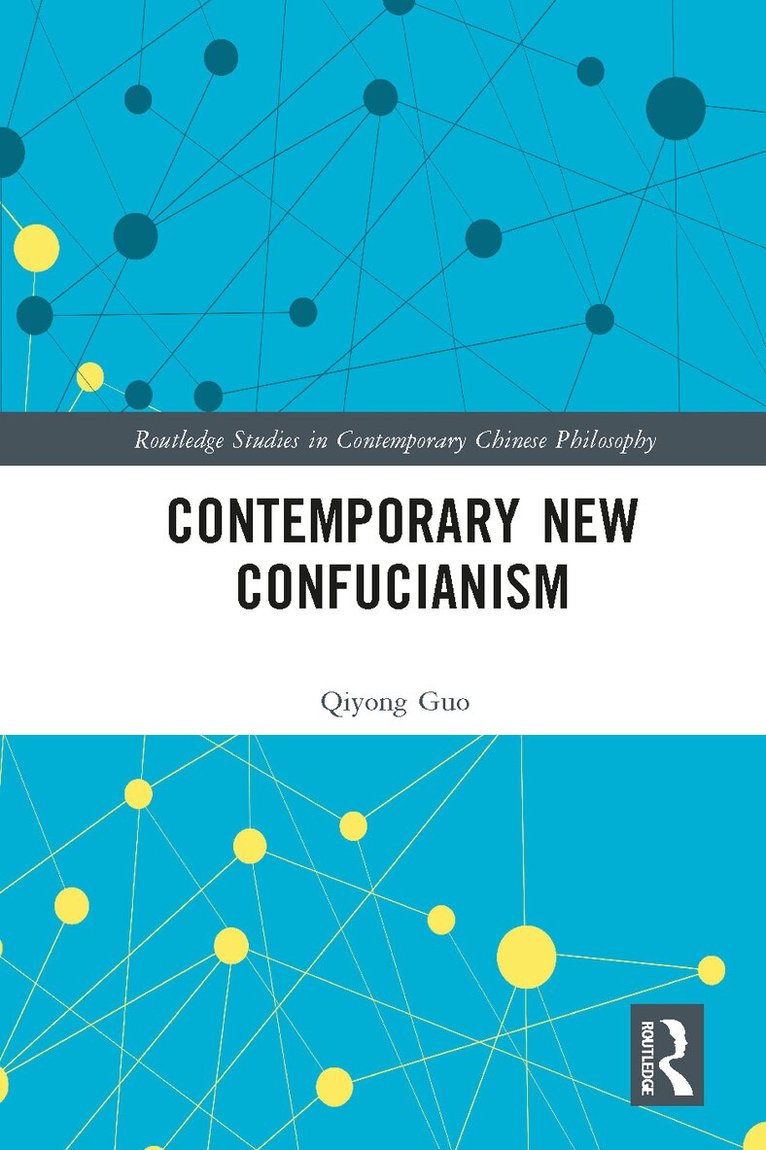
This two-volume set is a seminal work on contemporary New Confucianism in China, focusing on ten leading thinkers of this intellectual movement in the 20th century, discussing their divergences in thought and contemporary relevance.Contemporary New Confucianism refers to the Confucianism or Confucian thought that has emerged in China since the 1920s, which aims to revive the spirituality of Confucianism in a changing society. The first volume reviews the development of this intellectual trend and analyzes the cultural context, logical approach, major themes, and problems of New Confucianism before delving into individual thinkers. It then examines and compares the philosophical thoughts of four key figures of contemporary New Confucianism, including Liang Shumin, Xiong Shili, Ma Yifu, Qian Mu. The second volume focuses on six other representative philosophers of New Confucianism, including Zhang Junmai, Feng Youlan, He Lin, Fang Dongmei, Tang Junyi, and Mou Zongsan.This set will appeal to scholars and students of modern and contemporary Confucianism, intellectual history, philosophy and thought of contemporary China, and comparative philosophy.
523 kr
Skickas inom 10-15 vardagar
As the first volume of a two-volume seminal work on contemporary New Confucianism in China, this book charts the development of this intellectual trend and examines four leading thinkers of this intellectual movement in the 20th century.Contemporary New Confucianism refers to the Confucianism or Confucian thought that has emerged in China since the 1920s and that seeks to revive Confucian spirituality in a changing society. This volume first analyzes the cultural context, logical approach, major themes, and problems of New Confucianism before delving into the four leading figures, namely Liang Shumin, Xiong Shili, Ma Yifu, and Qian Mu. The chapter on Liang Shumin analyzes his concept of will, his arguments on Confucian moral ideals, and his theory of culture. It then discusses Xiong Shili's contribution to the philosophical metaphysics of New Confucianism. The following chapter on Ma Yifu examines his theory of the mind, nature, and the six arts. The final chapter on Qian Mu presents his views on nationality, history, and the Chinese classics.This title will appeal to scholars and students of modern and contemporary Confucianism, intellectual history, philosophy and thought of contemporary China, and comparative philosophy.
523 kr
Skickas inom 10-15 vardagar
As the second volume of a two-volume seminal work on contemporary New Confucianism in China, this book focuses on six leading thinkers of this intellectual movement in the 20th century.Contemporary New Confucianism refers to the Confucianism or Confucian thought that has emerged in China since the 1920s, which aims to revive the spirituality of Confucianism in a changing society. This volume introduces the philosophical thought of Zhang Junmai, Feng Youlan, He Lin, Fang Dongmei, Tang Junyi, and Mou Zongsan, including Zhang's political philosophy and comparative philosophy, Feng's transformation of Chinese philosophy, He's idea of culture and "spirit-only idealism," Fang's comparative philosophy, Tang's idea of moral self and theory of human spiritual realms, and Mou's new ontology for Confucianism. It analyzes their divergences and the contemporary relevance of their thought in terms of revisiting and transforming traditional Chinese philosophy and reconciling Chinese and Western traditions.This title will appeal to scholars and students of modern and contemporary Confucianism, intellectual history, philosophy and thought of contemporary China, and comparative philosophy.
1 226 kr
Skickas inom 10-15 vardagar
This two-volume set is a seminal work on contemporary New Confucianism in China, focusing on ten leading thinkers of this intellectual movement in the 20th century, discussing their divergences in thought and contemporary relevance.Contemporary New Confucianism refers to the Confucianism or Confucian thought that has emerged in China since the 1920s, which aims to revive the spirituality of Confucianism in a changing society. The first volume reviews the development of this intellectual trend and analyzes the cultural context, logical approach, major themes, and problems of New Confucianism before delving into individual thinkers. It then examines and compares the philosophical thoughts of four key figures of contemporary New Confucianism, including Liang Shumin, Xiong Shili, Ma Yifu, Qian Mu. The second volume focuses on six other representative philosophers of New Confucianism, including Zhang Junmai, Feng Youlan, He Lin, Fang Dongmei, Tang Junyi, and Mou Zongsan.This set will appeal to scholars and students of modern and contemporary Confucianism, intellectual history, philosophy and thought of contemporary China, and comparative philosophy.
2 249 kr
Skickas inom 10-15 vardagar
This book represents the cutting edge of theoretical works on Confucianism. Starting from Confucianism’s comeback in modern China and ending with the proposal of the new philosophical concept of “multiple universality” in the face of the world culture, the author conducts an in-depth analysis and discussion of many facets of the relationship between Confucianism, Confucian traditions and the modern world culture. It has a focused theme and a strong sense of contemporaneity, and responds to the current challenges confronting Confucianism from the perspective of modern culture. The chapters not only elucidate the Confucian position in the face of challenges of global ethics, dialogues on human rights, and ecological civilization, but also provide a modern interpretation of classical Confucian ideas on education, politics and ritual politics as well as an analysis of the development of modern Confucianism. All in all, this work is a comprehensive exposition of the Confucian values and their modern implications.