Routledge Studies in Global Land and Resource Grabbing – serie
Visar alla böcker i serien Routledge Studies in Global Land and Resource Grabbing. Handla med fri frakt och snabb leverans.
14 produkter
14 produkter
Inbunden, Engelska, 2021
2 179 kr
Skickas inom 10-15 vardagar
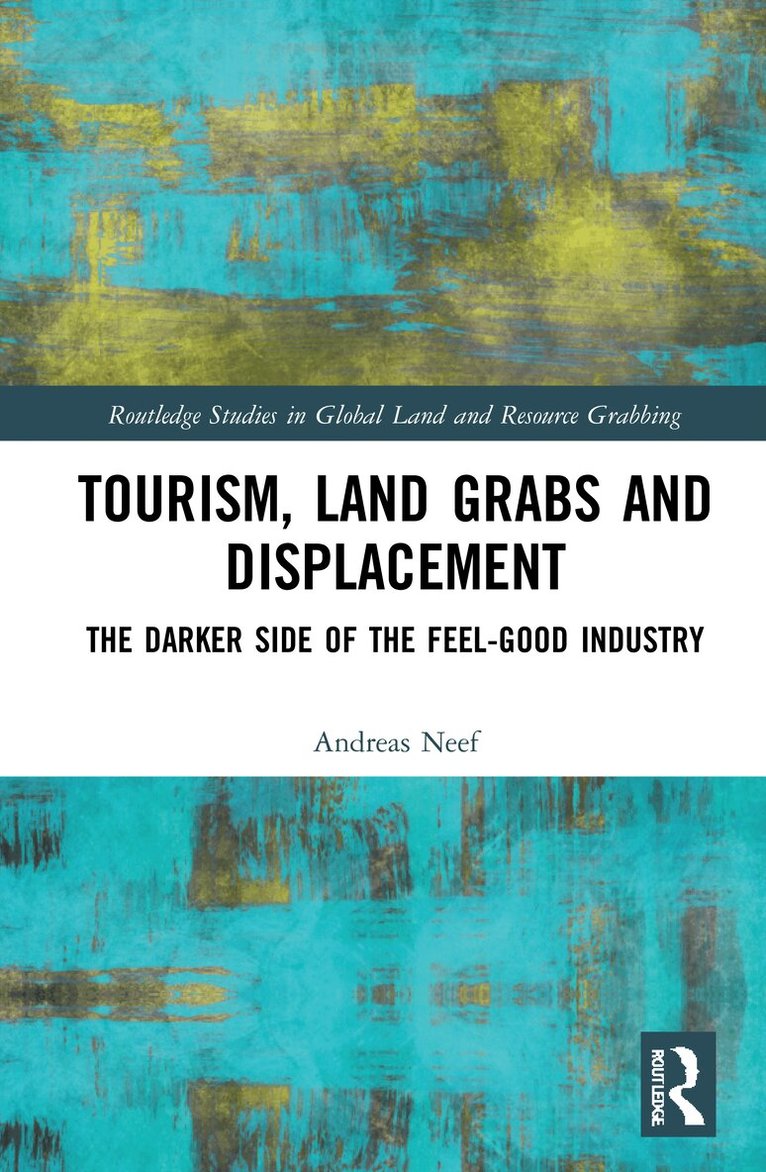
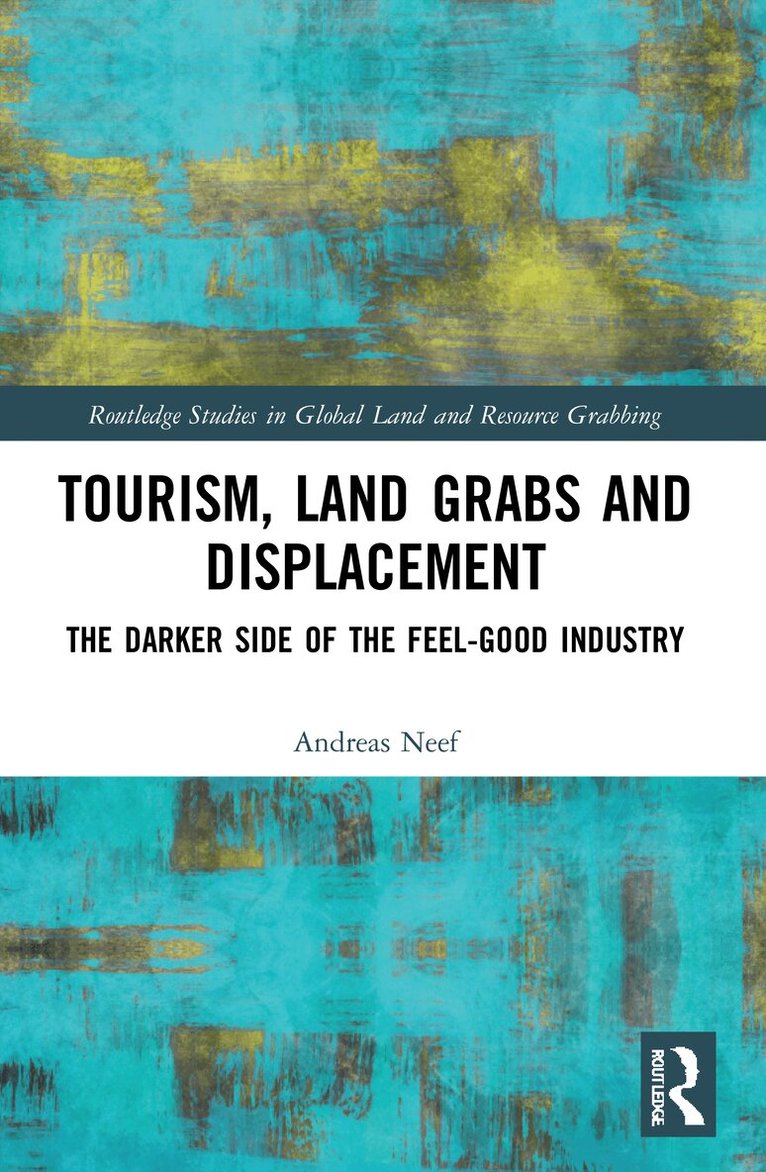
This book examines the global scope of tourism-related grabbing of land and other natural resources. Tourism is often presented as a peaceful and benevolent sector that brings people from different cultural backgrounds together and contributes to employment, poverty alleviation, and global sustainable development. This book sheds light on the lesser known and much darker side of tourism as it unfolds in the Global South. While there is no doubt that tourism has been an engine of economic growth for many so-called developing countries, this has often come at the cost of widespread dispossession and displacement of Indigenous and non-indigenous communities. In many countries of the Global South, tourism development is increasingly prioritised by governments, businesses, international financial institutions and donors over the legitimate land and resource rights of local people. This book examines the actors, drivers, mechanisms, discourses and impacts of tourism-related land grabbing and displacement, drawing on more than thirty case studies from Latin America and the Caribbean, sub-Saharan Africa, South and Southeast Asia, the Middle East and the Southwest Pacific. The book provides solid grounds for an informed debate on how different actors are responsible for the adverse impacts of tourism on land rights infringements, what forms of resistance have been deployed against tourism-related land grabs and displacement, and how those who have violated local land and resource rights can be held accountable.Tourism, Land Grabs and Displacement will be essential reading for students and scholars of land and resource grabbing, tourism studies, development studies and sustainable development more broadly, as well as policymakers and practitioners working in those fields.
Inbunden, Engelska, 2020
2 179 kr
Skickas inom 10-15 vardagar
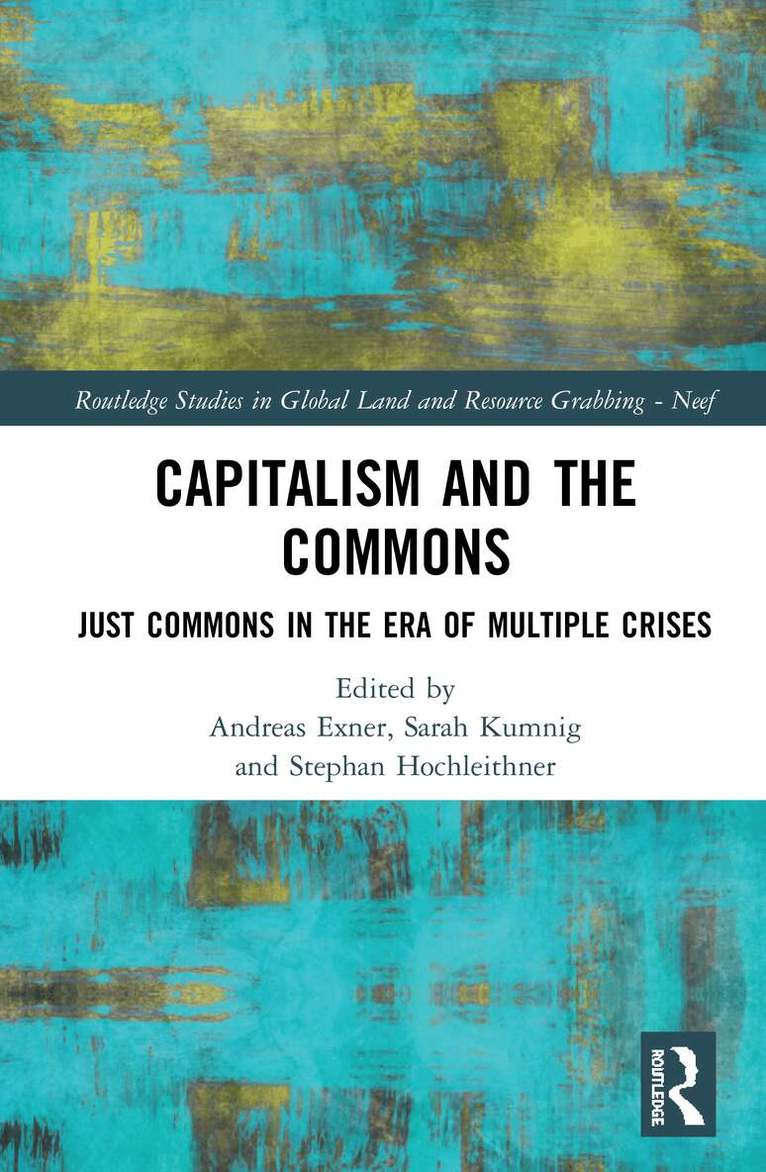
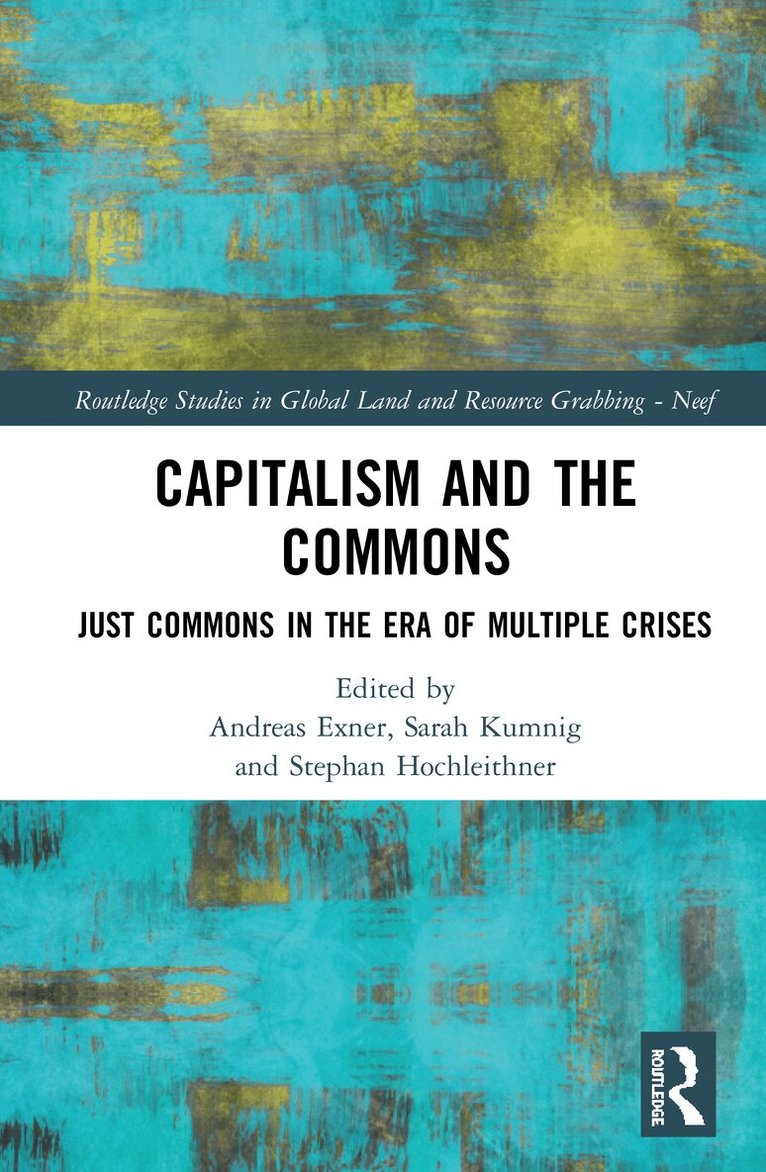
Capitalism and the Commons focuses on the political and social perspectives that commons offer, how they are appropriated or suppressed by capital and state, and how social initiatives and movements contest these dynamics or build their struggles on commoning.The volume comprises theoretical and empirical approaches that engage with three main themes: conceptualizing the commons, analyzing practices of commoning, and exploring commons politics. In their contributions, the authors focus on the development of anti-capitalist commons and explore the issue of practice and politics through case studies from Colombia, the Democratic Republic of Congo, South Africa, and Africa more broadly, Austria, Germany and South Korea, ranging from peri-urban and rural agriculture to urban commons and how they manifest in the Global South as well as in the Global North. The book engages with different discourses on the commons in regard to their relevance for social change and thereby reinvigorates the political meaning of the commons. It provides an original and important approach to the topic in terms of conceptualization, detailing diverse empirical realities, and analyzing potential perspectives. In so doing, the book transcends narrow disciplinary boundaries and expands the focus to the global.Providing a fresh perspective on the commons as a decisive component of alternatives, this title will be relevant to scholars and students of resource management, social movements, and sustainable development more broadly.
Inbunden, Engelska, 2020
2 179 kr
Skickas inom 10-15 vardagar
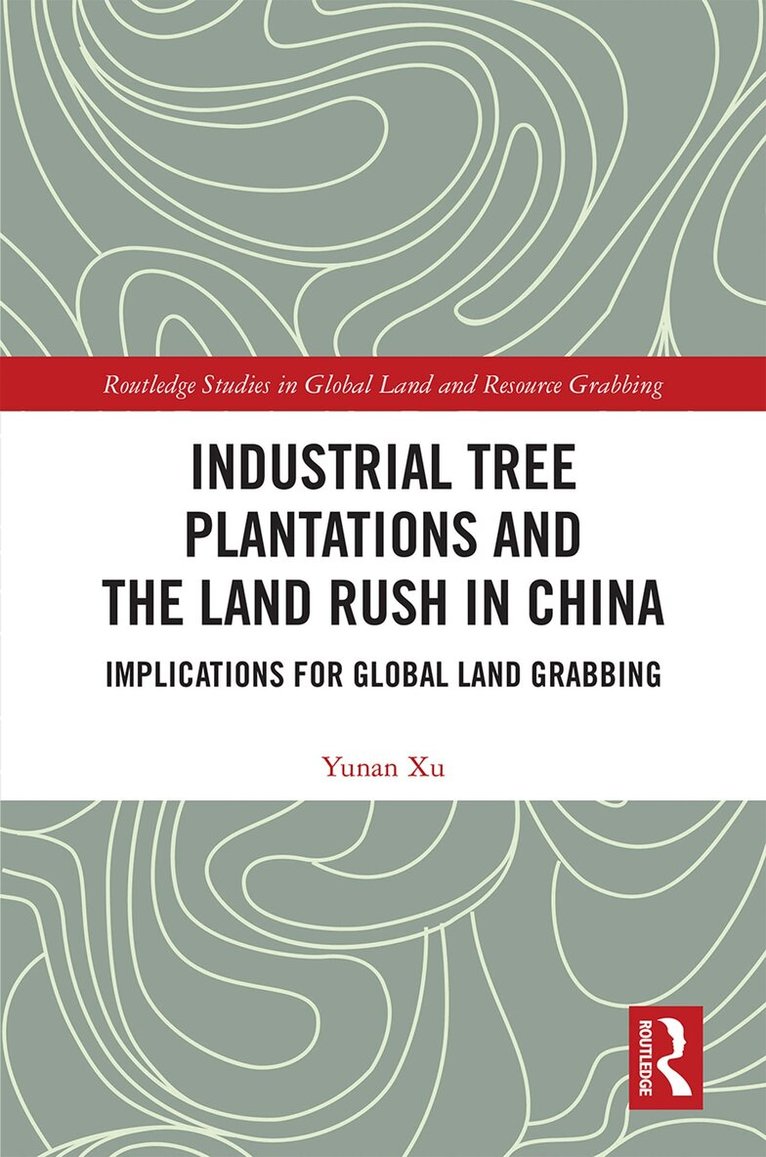
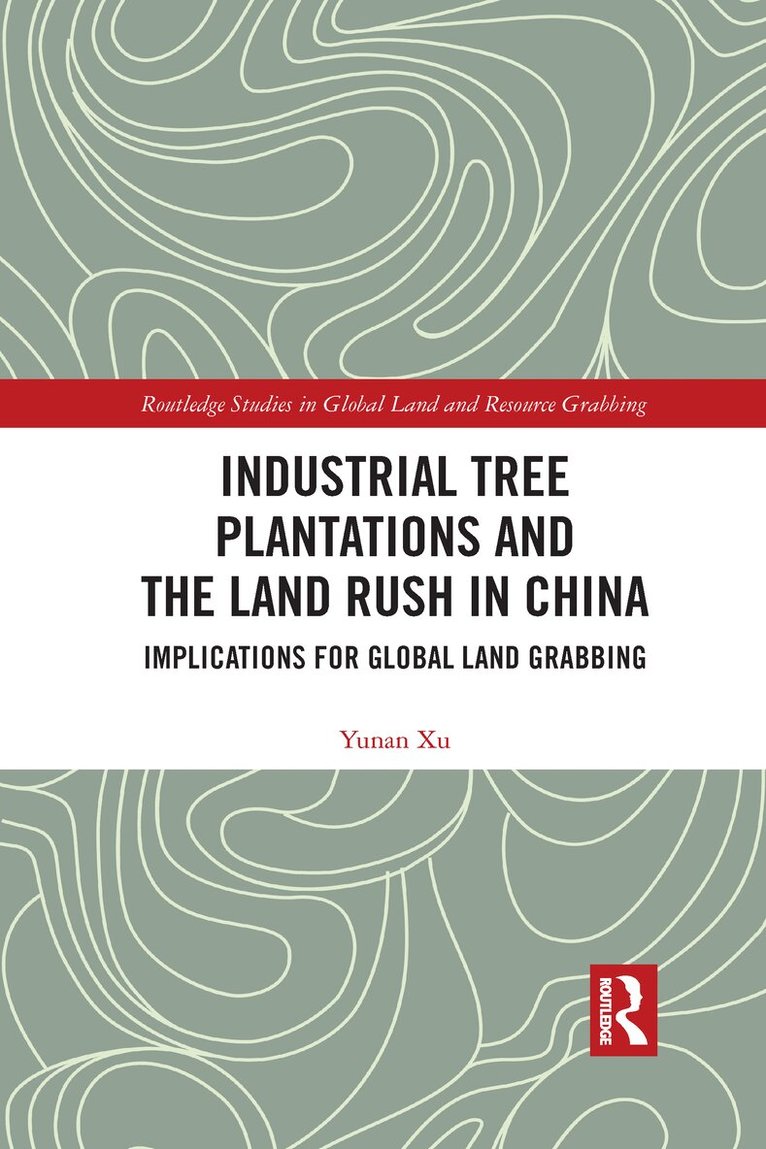
This book analyses the political and economic causes, mechanisms and impacts of the industrial tree plantation boom in China. In the past two decades, the industrial tree plantation sector has been expanding rapidly in China, especially in Guangxi Province. Based on extensive primary data, this book concentrates on the political economy of the sector’s expansion with a focus on the recent and dramatic agrarian transformation involving the land-labour nexus, the impact on villagers’ livelihoods, the role of the state, and political reactions from below. The book questions the stereotypical portrayal of local communities as the excluded villager. Instead, it demonstrates that this is a much more complex issue with varying levels of passive and active forms of inclusion and exclusion within local communities. While most literature focuses on crop booms for food and biofuel production the industrial plantation sector has largely been overlooked, despite it being one of the biggest sectors in the current rush for land. Filling this lacuna, this book also reveals that while China has traditionally been painted as a major land grabber and consumer of crop booms it is also a destination of foreign investment. In doing so the book highlights how large-scale foreign land deals can also take place in traditional ‘grabber’ countries like China which feeds into the wider debates about global land politics and resource grabbing. This book will be of great interest to students and scholars of land grabbing, rural development and agrarian transformations, as well as Chinese development.
Inbunden, Engelska, 2021
2 179 kr
Skickas inom 10-15 vardagar
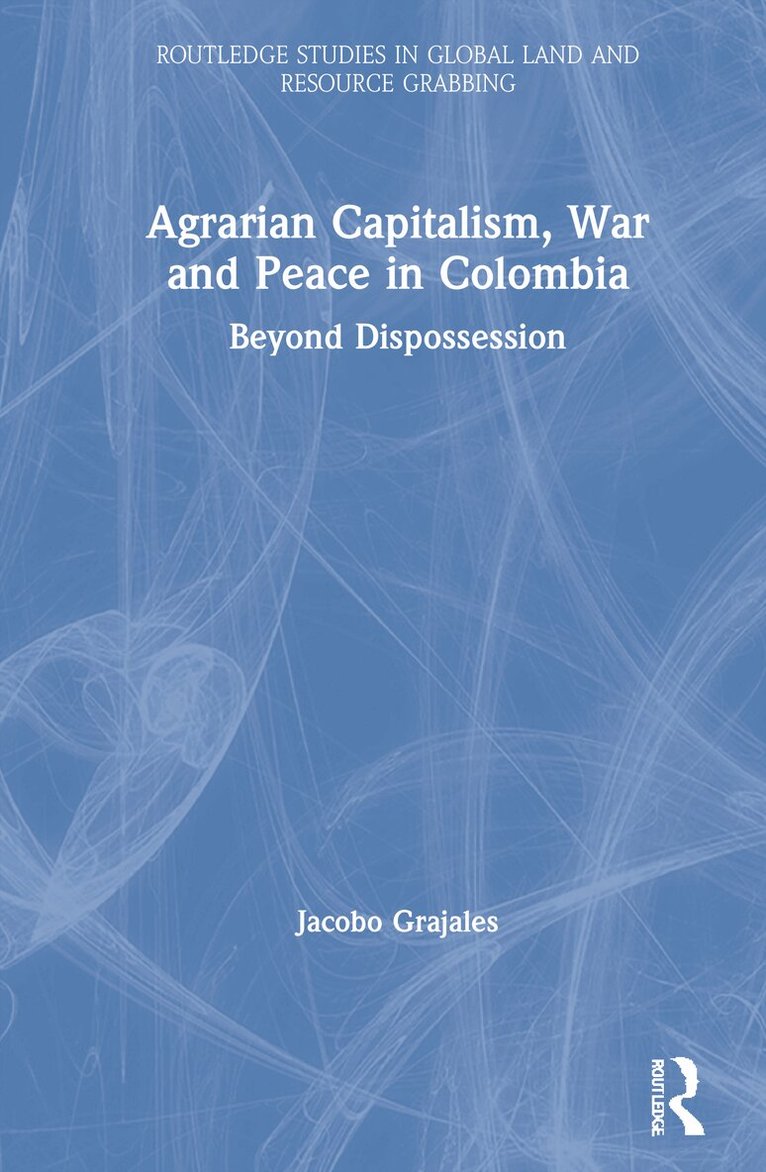
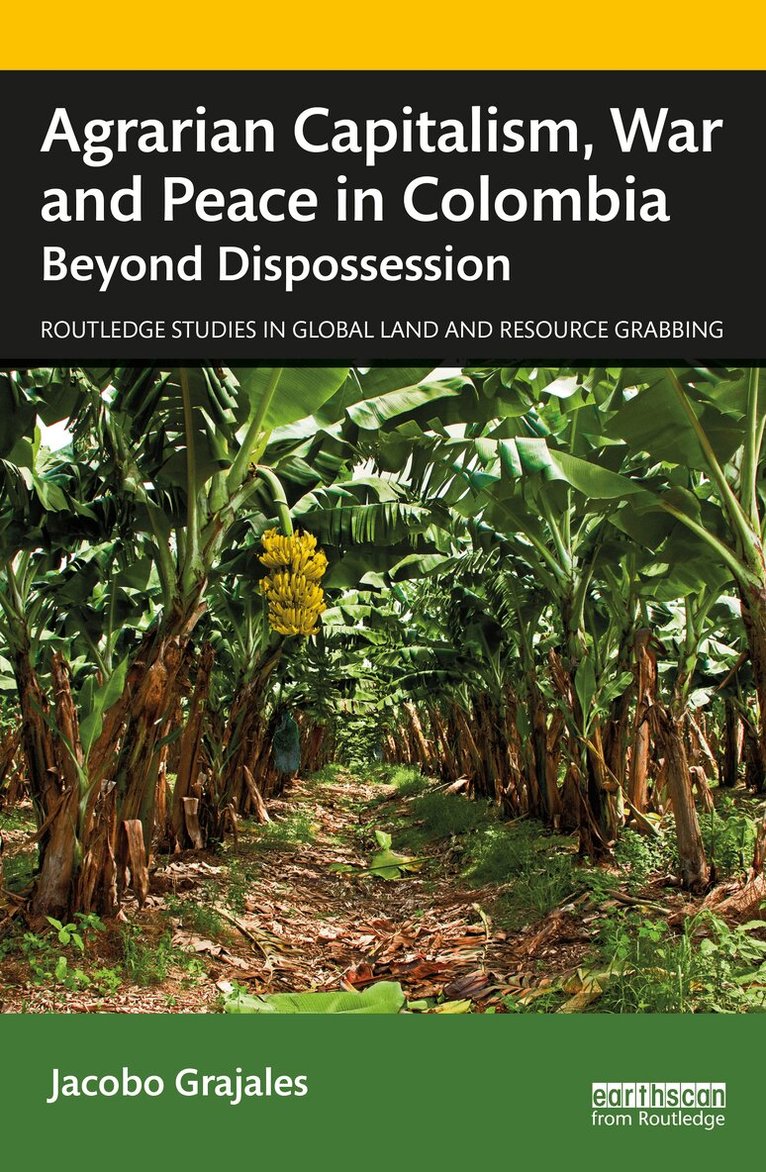
Based on extensive research conducted in Colombia since 2009, this book addresses the connection between land grabbing and agrarian capitalism, as well as the unfulfilled promises of peace and justice. While land remains a key resource at the core of many contemporary civil wars, the impact of high-intensity armed violence on the formation of agrarian capitalism is seldom discussed. Drawing on nearly 200 interviews, archival research, and geographical data, this book examines land grabbing and the role of violence in capital with a particular focus on one key actor in the Colombian civil war: paramilitary militias. This book demonstrates how the intricate ties between armed conflict and economy formation are obscured by the widespread belief that violence is a radical form of action, breaking with the normal course of society and disconnected from the legal economy. Under this view, dispossession is perceived as diametrically opposed to capitalist accumulation. This belief is enormously influential in precisely those bureaucratic agencies that are in charge of peacebuilding, both domestically and internationally. However, this narrow view of the relationship between armed violence and capitalism belies the close ties between plunder and lawful profit, and obscures the continuity between violent dispossession and the free market. By the same token, it legitimizes post-war inequality in the name of capitalist development. The book concludes by arguing that the promotion of radical democracy in the government of land and rural development emerges as the only reasonable path for pacifying a violent polity.The book is essential reading for students, scholars, and development aid practitioners interested in land and resource grabbing, agrarian capitalism, civil wars, and conflict resolution.
Häftad, Engelska, 2021
567 kr
Skickas inom 10-15 vardagar
Based on extensive research conducted in Colombia since 2009, this book addresses the connection between land grabbing and agrarian capitalism, as well as the unfulfilled promises of peace and justice. While land remains a key resource at the core of many contemporary civil wars, the impact of high-intensity armed violence on the formation of agrarian capitalism is seldom discussed. Drawing on nearly 200 interviews, archival research, and geographical data, this book examines land grabbing and the role of violence in capital with a particular focus on one key actor in the Colombian civil war: paramilitary militias. This book demonstrates how the intricate ties between armed conflict and economy formation are obscured by the widespread belief that violence is a radical form of action, breaking with the normal course of society and disconnected from the legal economy. Under this view, dispossession is perceived as diametrically opposed to capitalist accumulation. This belief is enormously influential in precisely those bureaucratic agencies that are in charge of peacebuilding, both domestically and internationally. However, this narrow view of the relationship between armed violence and capitalism belies the close ties between plunder and lawful profit, and obscures the continuity between violent dispossession and the free market. By the same token, it legitimizes post-war inequality in the name of capitalist development. The book concludes by arguing that the promotion of radical democracy in the government of land and rural development emerges as the only reasonable path for pacifying a violent polity.The book is essential reading for students, scholars, and development aid practitioners interested in land and resource grabbing, agrarian capitalism, civil wars, and conflict resolution.
Häftad, Engelska, 2022
637 kr
Skickas inom 10-15 vardagar
Capitalism and the Commons focuses on the political and social perspectives that commons offer, how they are appropriated or suppressed by capital and state, and how social initiatives and movements contest these dynamics or build their struggles on commoning.The volume comprises theoretical and empirical approaches that engage with three main themes: conceptualizing the commons, analyzing practices of commoning, and exploring commons politics. In their contributions, the authors focus on the development of anti-capitalist commons and explore the issue of practice and politics through case studies from Colombia, the Democratic Republic of Congo, South Africa, and Africa more broadly, Austria, Germany and South Korea, ranging from peri-urban and rural agriculture to urban commons and how they manifest in the Global South as well as in the Global North. The book engages with different discourses on the commons in regard to their relevance for social change and thereby reinvigorates the political meaning of the commons. It provides an original and important approach to the topic in terms of conceptualization, detailing diverse empirical realities, and analyzing potential perspectives. In so doing, the book transcends narrow disciplinary boundaries and expands the focus to the global.Providing a fresh perspective on the commons as a decisive component of alternatives, this title will be relevant to scholars and students of resource management, social movements, and sustainable development more broadly.
Häftad, Engelska, 2023
637 kr
Skickas inom 10-15 vardagar
This book examines the global scope of tourism-related grabbing of land and other natural resources. Tourism is often presented as a peaceful and benevolent sector that brings people from different cultural backgrounds together and contributes to employment, poverty alleviation, and global sustainable development. This book sheds light on the lesser known and much darker side of tourism as it unfolds in the Global South. While there is no doubt that tourism has been an engine of economic growth for many so-called developing countries, this has often come at the cost of widespread dispossession and displacement of Indigenous and non-indigenous communities. In many countries of the Global South, tourism development is increasingly prioritised by governments, businesses, international financial institutions and donors over the legitimate land and resource rights of local people. This book examines the actors, drivers, mechanisms, discourses and impacts of tourism-related land grabbing and displacement, drawing on more than thirty case studies from Latin America and the Caribbean, sub-Saharan Africa, South and Southeast Asia, the Middle East and the Southwest Pacific. The book provides solid grounds for an informed debate on how different actors are responsible for the adverse impacts of tourism on land rights infringements, what forms of resistance have been deployed against tourism-related land grabs and displacement, and how those who have violated local land and resource rights can be held accountable.Tourism, Land Grabs and Displacement will be essential reading for students and scholars of land and resource grabbing, tourism studies, development studies and sustainable development more broadly, as well as policymakers and practitioners working in those fields.
Inbunden, Engelska, 2022
2 179 kr
Skickas inom 10-15 vardagar
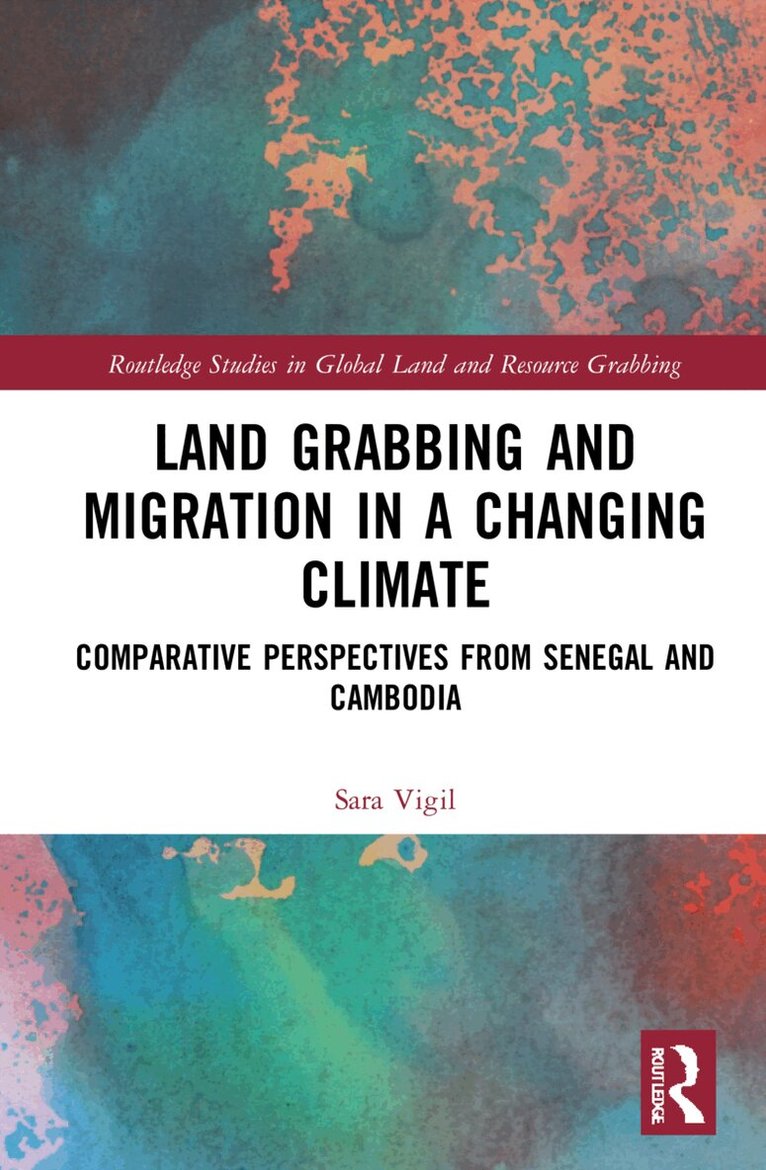
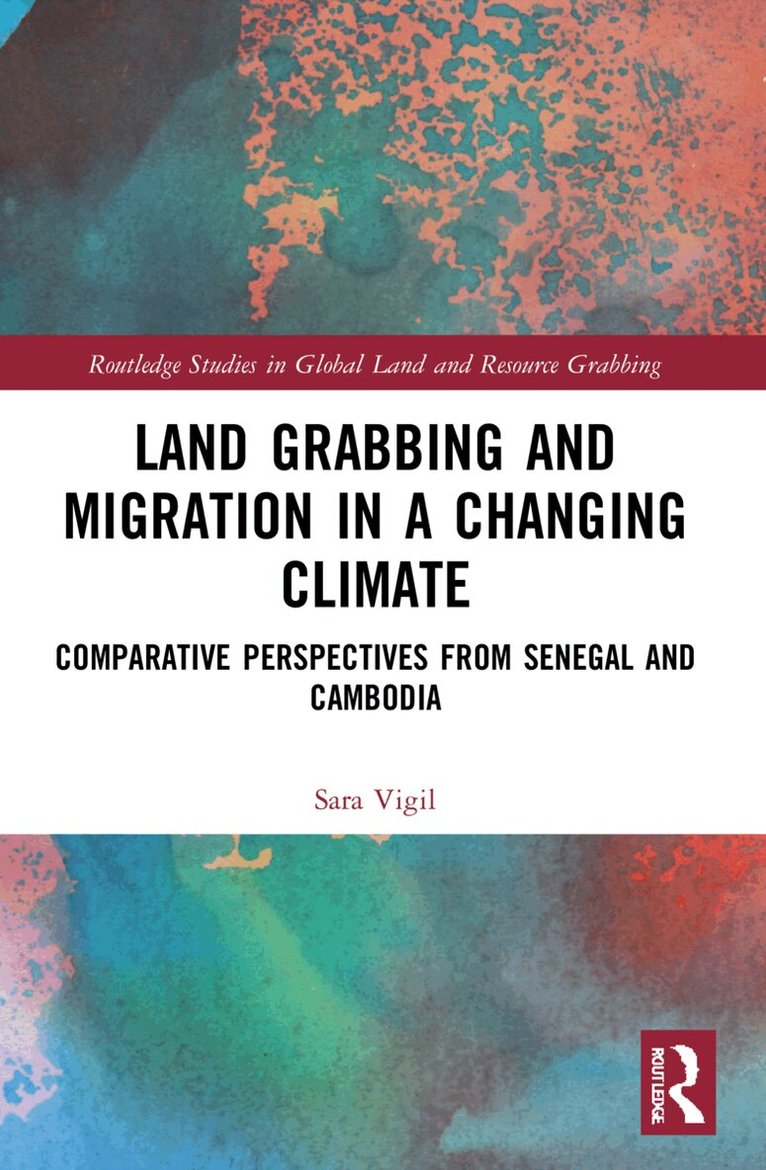
This book provides a theoretical and empirical examination of the links between environmental change, land grabbing, and migration, drawing on research conducted in Senegal and Cambodia.While the impacts of environmental change on migration and of environmental discourses on land grabs have received increased attention, the role of both environmental and migration narratives in shaping migration by modifying access to natural resources has remained under-explored. Using a variegated geopolitical ecology framework and a comparative global ethnographic approach, this book analyses the power of mainstream adaptation and security frameworks and how they impact the lives of marginalised and vulnerable communities in Senegal and Cambodia. Findings across the cases show how environmental and migration narratives, linked to adaptation and security discourses, have been deployed advertently or inadvertently to justify land capture, leading to interventions that often increase, rather than alleviate, the very pressures that they intend to address. The interrelations between these issues are inherent to the tensions that exist, in different contexts and at different times, between capital accumulation and political legitimation. The findings of the book point to the urgency for researchers and policymakers to address the structural causes, and not the symptoms, of both environmental destruction and forced migration. It shows how acting upon environmental change, land grabs, and migration in isolated or binary manners can increase, rather than alleviate, pressures on those most socio-environmentally vulnerable.This book will be of interest to students, scholars, and practitioners working on the topics of land and resource grabbing and environmental change and migration. The book will also be of interest to those analysing political ecology transitions in Africa and Asia, as well as to those interested in novel theoretical and methodological frameworks.
Häftad, Engelska, 2023
637 kr
Skickas inom 10-15 vardagar
This book provides a theoretical and empirical examination of the links between environmental change, land grabbing, and migration, drawing on research conducted in Senegal and Cambodia.While the impacts of environmental change on migration and of environmental discourses on land grabs have received increased attention, the role of both environmental and migration narratives in shaping migration by modifying access to natural resources has remained under-explored. Using a variegated geopolitical ecology framework and a comparative global ethnographic approach, this book analyses the power of mainstream adaptation and security frameworks and how they impact the lives of marginalised and vulnerable communities in Senegal and Cambodia. Findings across the cases show how environmental and migration narratives, linked to adaptation and security discourses, have been deployed advertently or inadvertently to justify land capture, leading to interventions that often increase, rather than alleviate, the very pressures that they intend to address. The interrelations between these issues are inherent to the tensions that exist, in different contexts and at different times, between capital accumulation and political legitimation. The findings of the book point to the urgency for researchers and policymakers to address the structural causes, and not the symptoms, of both environmental destruction and forced migration. It shows how acting upon environmental change, land grabs, and migration in isolated or binary manners can increase, rather than alleviate, pressures on those most socio-environmentally vulnerable.This book will be of interest to students, scholars, and practitioners working on the topics of land and resource grabbing and environmental change and migration. The book will also be of interest to those analysing political ecology transitions in Africa and Asia, as well as to those interested in novel theoretical and methodological frameworks.
Inbunden, Engelska, 2022
777 kr
Skickas inom 10-15 vardagar
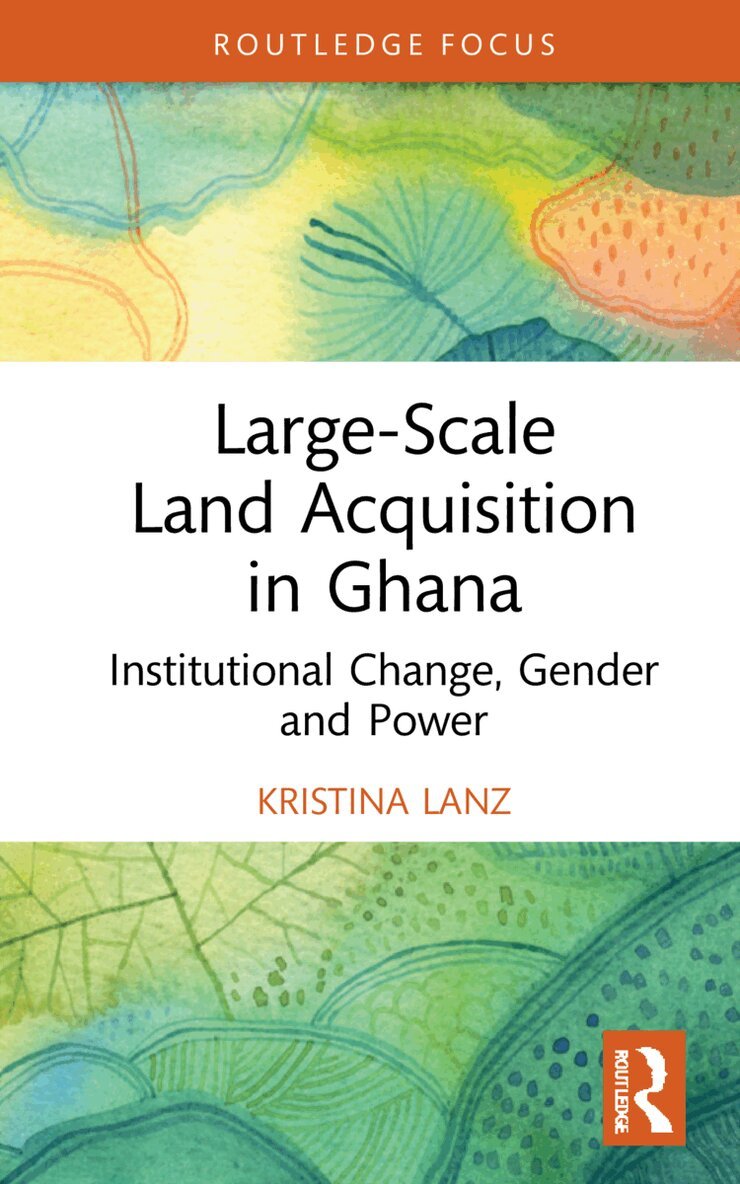
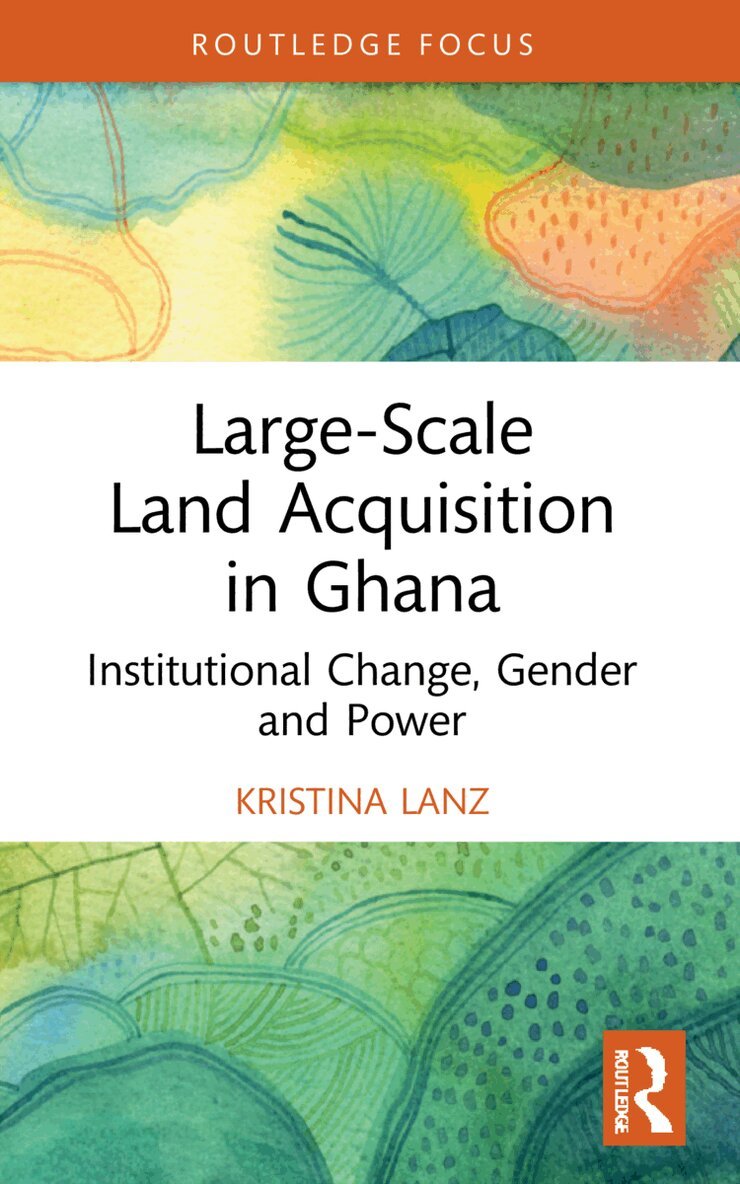
This book examines a large-scale land acquisition project for rice production in Ghana’s Volta Region, which has been purported by some to be a social and ecological showcase of a company entering a "community–private partnership" with affected communities.Celebrated by national and international media, the project has received substantial amounts of funding from various donor organisations and claims to empower women through its much-lauded outgrower project. Although discourses of "development", "sustainability" and "women’s empowerment" are used by the investment company, the state and the customary authorities to legitimise the large-scale land acquisition, this book highlights how the deal benefits mainly the powerful elite, including elite women, and generally increases the depreciation of those already most marginalised, such as poor female-headed households and settler communities that were dependent on resources from the commons now enclosed and transformed into a rice farm. The author adopts a New Institutionalist perspective in social anthropology in order to analyse how this land acquisition has been implemented in a plural institutional context and how different actors use different rules and regulations and associated legitimating discourses to increase their bargaining power and to pursue their own interests in a changing legal context. In addition, this perspective shows how benefits and losses are distributed along different intersecting axes of power, such as class, gender, clan membership and age. By focusing on power, gender and legitimisation strategies in the context of institutional change caused by the large-scale land acquisition, this book fills a gap in the literature on large-scale land acquisitions while contributing to the development of a theoretical perspective on institutional change, power relations and ideological legitimisation.This book will be of great interest to students and scholars of land and resource grabbing, agricultural development and agribusiness, land management and development studies more broadly.
Häftad, Engelska, 2024
310 kr
Skickas inom 10-15 vardagar
This book examines a large-scale land acquisition project for rice production in Ghana’s Volta Region, which has been purported by some to be a social and ecological showcase of a company entering a "community–private partnership" with affected communities.Celebrated by national and international media, the project has received substantial amounts of funding from various donor organisations and claims to empower women through its much-lauded outgrower project. Although discourses of "development", "sustainability" and "women’s empowerment" are used by the investment company, the state and the customary authorities to legitimise the large-scale land acquisition, this book highlights how the deal benefits mainly the powerful elite, including elite women, and generally increases the depreciation of those already most marginalised, such as poor female-headed households and settler communities that were dependent on resources from the commons now enclosed and transformed into a rice farm. The author adopts a New Institutionalist perspective in social anthropology in order to analyse how this land acquisition has been implemented in a plural institutional context and how different actors use different rules and regulations and associated legitimating discourses to increase their bargaining power and to pursue their own interests in a changing legal context. In addition, this perspective shows how benefits and losses are distributed along different intersecting axes of power, such as class, gender, clan membership and age. By focusing on power, gender and legitimisation strategies in the context of institutional change caused by the large-scale land acquisition, this book fills a gap in the literature on large-scale land acquisitions while contributing to the development of a theoretical perspective on institutional change, power relations and ideological legitimisation.This book will be of great interest to students and scholars of land and resource grabbing, agricultural development and agribusiness, land management and development studies more broadly.
Häftad, Engelska, 2021
637 kr
Skickas inom 10-15 vardagar
This book analyses the political and economic causes, mechanisms and impacts of the industrial tree plantation boom in China. In the past two decades, the industrial tree plantation sector has been expanding rapidly in China, especially in Guangxi Province. Based on extensive primary data, this book concentrates on the political economy of the sector’s expansion with a focus on the recent and dramatic agrarian transformation involving the land-labour nexus, the impact on villagers’ livelihoods, the role of the state, and political reactions from below. The book questions the stereotypical portrayal of local communities as the excluded villager. Instead, it demonstrates that this is a much more complex issue with varying levels of passive and active forms of inclusion and exclusion within local communities. While most literature focuses on crop booms for food and biofuel production the industrial plantation sector has largely been overlooked, despite it being one of the biggest sectors in the current rush for land. Filling this lacuna, this book also reveals that while China has traditionally been painted as a major land grabber and consumer of crop booms it is also a destination of foreign investment. In doing so the book highlights how large-scale foreign land deals can also take place in traditional ‘grabber’ countries like China which feeds into the wider debates about global land politics and resource grabbing. This book will be of great interest to students and scholars of land grabbing, rural development and agrarian transformations, as well as Chinese development.
Inbunden, Engelska, 2024
2 038 kr
Skickas inom 10-15 vardagar
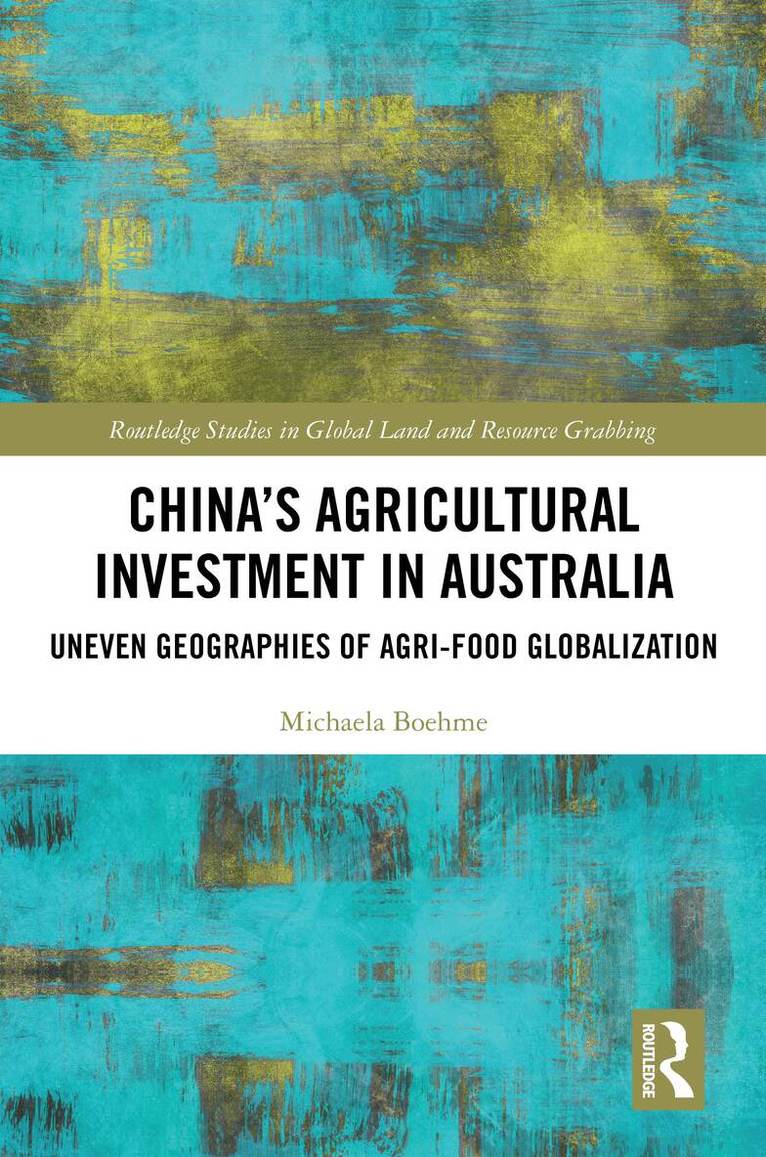
This book critically examines the driving forces, discourses, and conflicts surrounding Chinese investments in overseas farmland, with a specific focus on Australia.With growing amounts of finance channeled into the purchase of overseas food and farming assets, China has become a frontrunner in the global land rush. Unlike much of the existing literature that focuses on emerging economies such as Brazil or Africa, this book examines Chinese farmland purchases in the developed country context of Australia. Based on four years of extensive field work in Australia and China, it traces the encounters and interactions between investors, regulators, deal brokers, farmers, and eaters that shape the ways in which individual Chinese investment projects materialize in the Australian countryside. In contrast to conventional wisdom portraying China’s overseas land rush as a state-led strategy to feed the Chinese population, this book reveals that Chinese investments in Australian farmland have been propelled by the intersecting interests of international finance and business elites looking to cash in on booming Chinese demand for high-quality, Western food products. This book provides a unique transnational perspective on China’s overseas farmland purchases and shows how Chinese farmland investments produce uneven geographies of agri-food globalization that cut across national borders. Through the lens of China’s agri-engagement in Australia, this book advances our theoretical understanding of the new types of power relations and dynamics shaping an increasingly multi-polar agri-food system.This book will be useful to students and scholars of agri-food studies, Chinese studies and globalization with an interest in the global land rush and the shifting contours of the global agri-food system.
Häftad, Engelska, 2026
651 kr
Skickas inom 10-15 vardagar
This book critically examines the driving forces, discourses, and conflicts surrounding Chinese investments in overseas farmland, with a specific focus on Australia.With growing amounts of finance channeled into the purchase of overseas food and farming assets, China has become a frontrunner in the global land rush. Unlike much of the existing literature that focuses on emerging economies such as Brazil or Africa, this book examines Chinese farmland purchases in the developed country context of Australia. Based on four years of extensive field work in Australia and China, it traces the encounters and interactions between investors, regulators, deal brokers, farmers, and eaters that shape the ways in which individual Chinese investment projects materialize in the Australian countryside. In contrast to conventional wisdom portraying China’s overseas land rush as a state-led strategy to feed the Chinese population, this book reveals that Chinese investments in Australian farmland have been propelled by the intersecting interests of international finance and business elites looking to cash in on booming Chinese demand for high-quality, Western food products. This book provides a unique transnational perspective on China’s overseas farmland purchases and shows how Chinese farmland investments produce uneven geographies of agri-food globalization that cut across national borders. Through the lens of China’s agri-engagement in Australia, this book advances our theoretical understanding of the new types of power relations and dynamics shaping an increasingly multi-polar agri-food system.This book will be useful to students and scholars of agri-food studies, Chinese studies and globalization with an interest in the global land rush and the shifting contours of the global agri-food system.