Routledge Studies in Public Economics and Finance – serie
Visar alla böcker i serien Routledge Studies in Public Economics and Finance. Handla med fri frakt och snabb leverans.
13 produkter
13 produkter
Inbunden, Engelska, 2024
1 864 kr
Skickas inom 10-15 vardagar
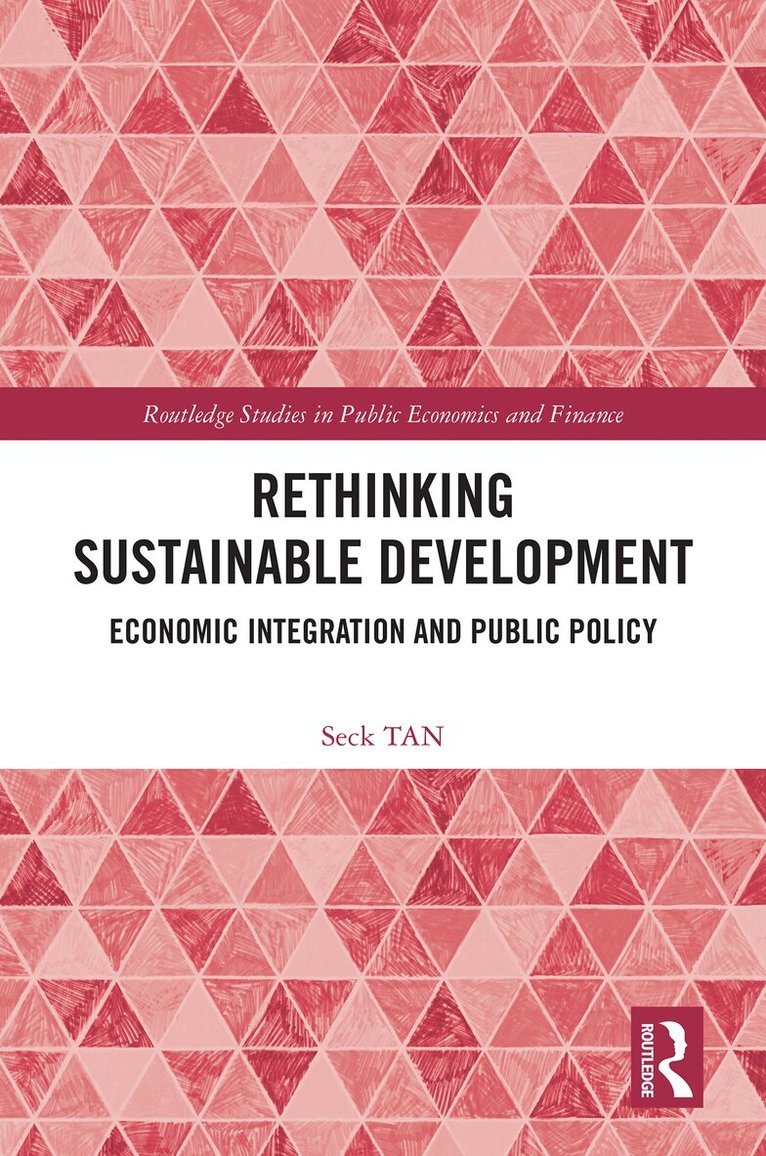
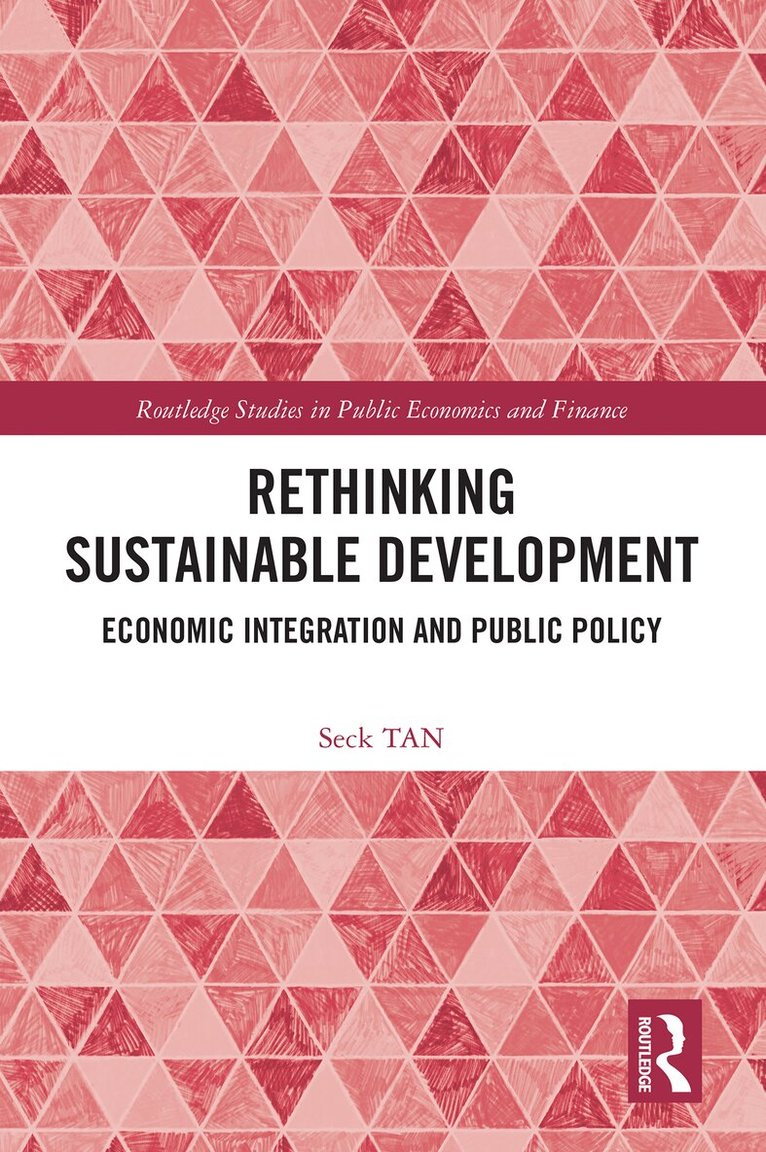
This book demonstrates falsified economic performance of global economies when the environment is not recognised as a capital, and when the ecosystem is overlooked towards sustainable development.Seck begins with an analysis of standard macroeconomic framework and policy practice. He argues, with reference to environmental accounting literature, that environmental capital must form an integral component of economic measurement. This paves the way for an alternative environmental-macroeconomics framework for policy analysis that promotes sustainable development. The book demonstrates how environmental capital can be measured with reference to select OECD countries and provides a methodology for analysing how macroeconomic goals are related to a steady-state economy. Seck then concludes with a summary of the conflict between current economic growth and ecosystem preservation, and outlines possible policy improvements and directions for research.Rethinking Sustainable Development is an invaluable reference for policymakers as well as researchers and students of environmental economics, sustainable development, and macroeconomics.
Häftad, Engelska, 2022
626 kr
Skickas inom 10-15 vardagar
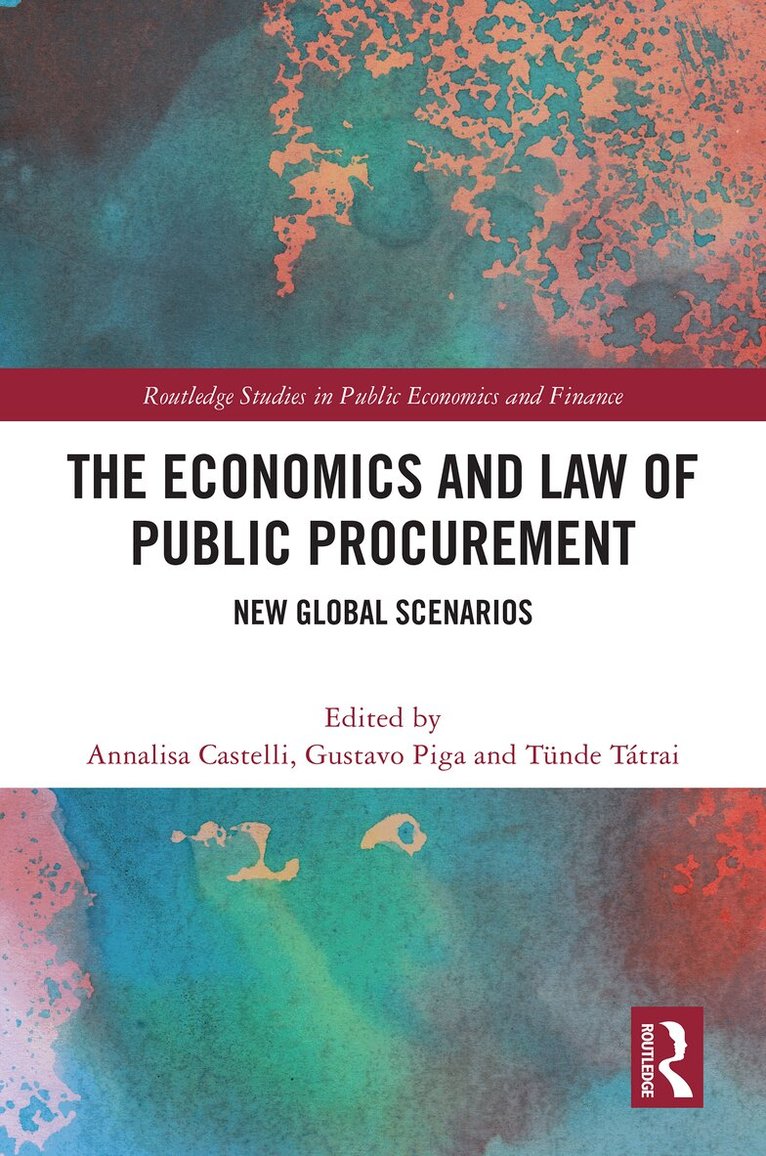
Public procurement affects a substantial share of world trade flows, amounting to 1000 billion euros per year. In the EU, the public purchase of works, goods and services has been estimated to account on average for 16 percent of GDP. The novelty of this book is that it focuses on the new European Union Directives approved in 2014 by the EU Parliament.The book consists of original contributions related to four specific themes of interest to the procurers’ day-to-day role in modern public purchasing organizations – both economists and lawyers – allowing for relevant exchanges of views and “real time” interaction. The four sections which characterize the book are Life-cycle Costing in Public Procurement; Calculating Costs and Savings of Public Procurement; Corruption and Probity in Public Procurement and Public Procurement and International Trade Agreements: CETA, TTIP and beyond. These themes have been chosen for their current relevance in relation to the new European Public Procurement Directives and beyond. The original format features, as is the case with the first three volumes, an introductory exchange between leading academics and practitioners, from differing disciplines. It offers a series of sequential interactions between economists, lawyers and technical experts who supplement one another, so as to enrich the liveliness of the debate and improve the mutual understanding between the various professions. This essential guide will be of interest to policymakers, academics, students and researchers, as well as practitioners working in the field of EU public procurement.
Inbunden, Engelska, 2020
1 968 kr
Skickas inom 10-15 vardagar
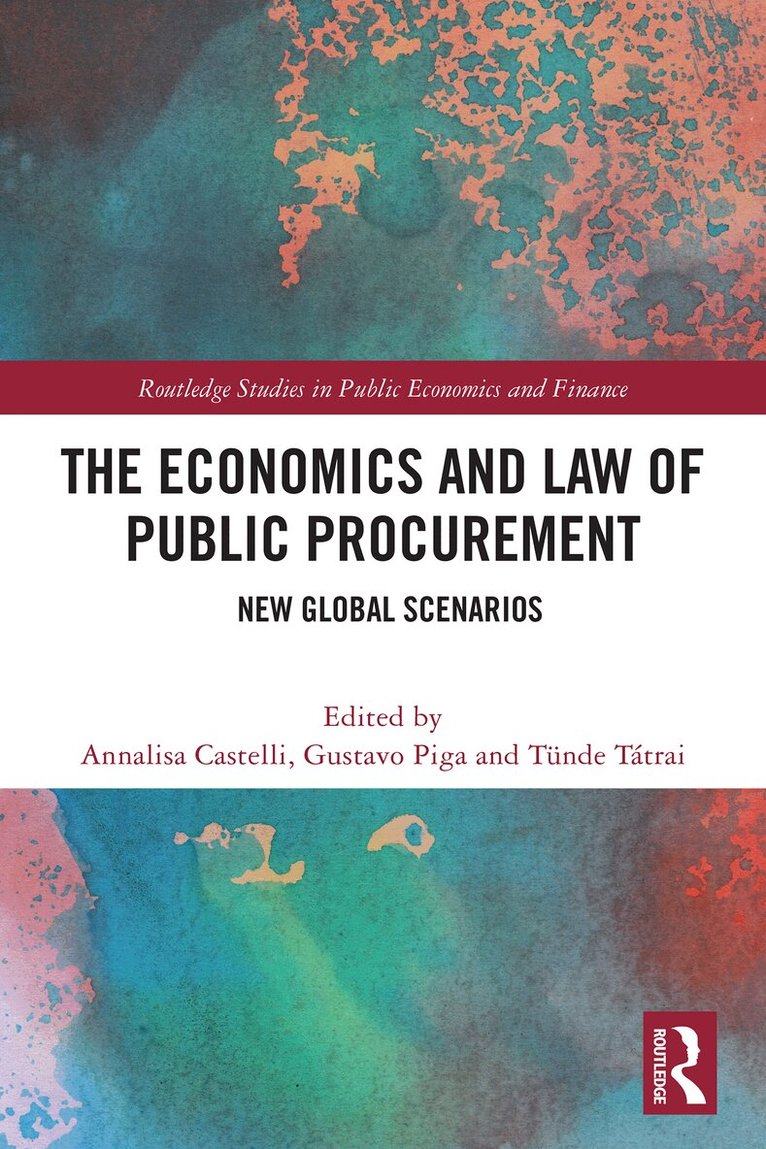
Public procurement affects a substantial share of world trade flows, amounting to 1000 billion euros per year. In the EU, the public purchase of works, goods and services has been estimated to account on average for 16 percent of GDP. The novelty of this book is that it focuses on the new European Union Directives approved in 2014 by the EU Parliament.The book consists of original contributions related to four specific themes of interest to the procurers’ day-to-day role in modern public purchasing organizations – both economists and lawyers – allowing for relevant exchanges of views and “real time” interaction. The four sections which characterize the book are Life-cycle Costing in Public Procurement; Calculating Costs and Savings of Public Procurement; Corruption and Probity in Public Procurement and Public Procurement and International Trade Agreements: CETA, TTIP and beyond. These themes have been chosen for their current relevance in relation to the new European Public Procurement Directives and beyond. The original format features, as is the case with the first three volumes, an introductory exchange between leading academics and practitioners, from differing disciplines. It offers a series of sequential interactions between economists, lawyers and technical experts who supplement one another, so as to enrich the liveliness of the debate and improve the mutual understanding between the various professions. This essential guide will be of interest to policymakers, academics, students and researchers, as well as practitioners working in the field of EU public procurement.
Inbunden, Engelska, 2022
2 203 kr
Skickas inom 10-15 vardagar
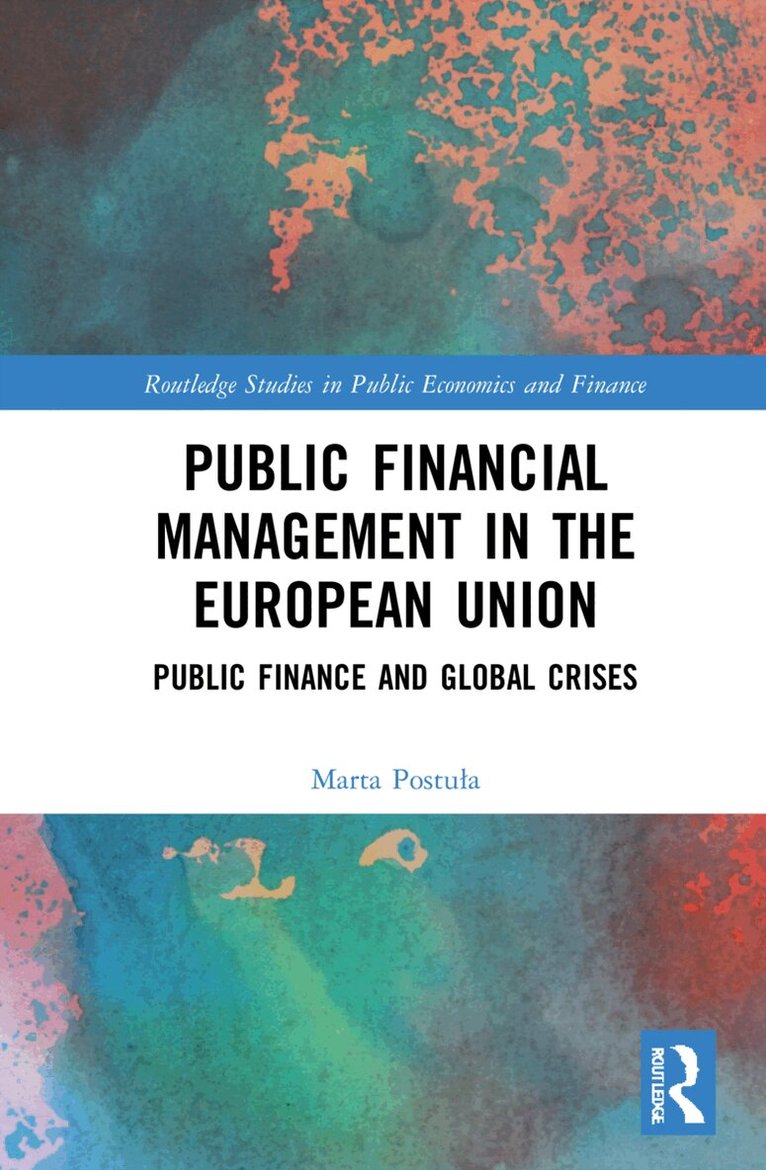
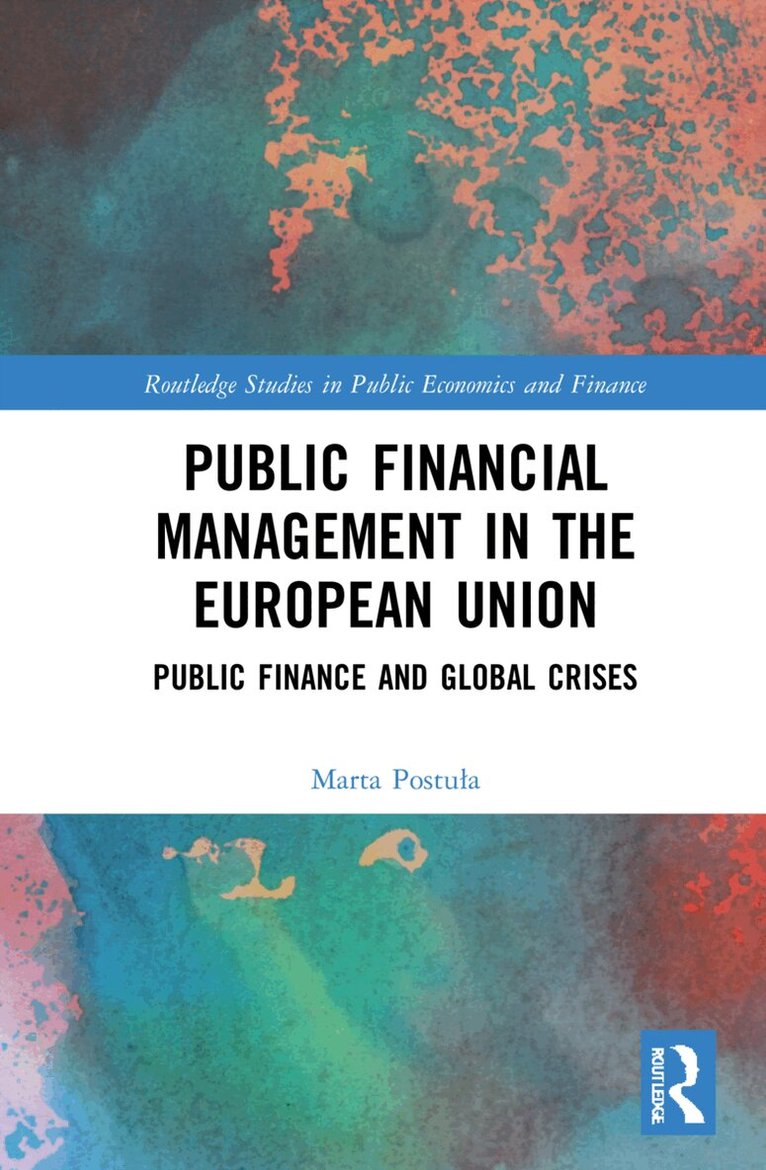
This book reveals how to create efficient institutions and coordinate policy on a transnational scale to ensure that European Union integration can best meet social needs. It offers a combined technocratic and humanist perspective on the discussion of public financial management. The state, as part of its public policy, should seek to preserve our social and environmental values, yet there are mounting imbalances in society which point to the growing role of the state in minimising them. Under such circumstances, it is worth reflecting on how new challenges could require updated, more complex formulas, to deal with crises in current times and for social and economic policy making by states and the European Union generally, which would ensure their compatibility with the world financial markets. The work offers an in-depth and unique performance analysis of European Union institutions compared to the national entities of EU Member States. It contributes to the ongoing debate on global public goods and the processes involved in managing their provision. Further, it discusses public finance management instruments, indicating their historical evolution in practice and their effectiveness measured with the Human Development Index. The author presents a proposal of how to manage global, European and national public goods across three areas: environmental protection, transnational infrastructure projects and social policy. The book analyses public financial management instruments used during the recent pandemic, making a distinction between regular and emergency instruments and assessing their effectiveness in specific economic situations. This will be of interest to researchers and students of economics and finance, as well as decision makers and practitioners from governments, international organisations and specific non-governmental organisations concerned with issues of public finance management.
Häftad, Engelska, 2024
645 kr
Skickas inom 10-15 vardagar
This book reveals how to create efficient institutions and coordinate policy on a transnational scale to ensure that European Union integration can best meet social needs. It offers a combined technocratic and humanist perspective on the discussion of public financial management. The state, as part of its public policy, should seek to preserve our social and environmental values, yet there are mounting imbalances in society which point to the growing role of the state in minimising them. Under such circumstances, it is worth reflecting on how new challenges could require updated, more complex formulas, to deal with crises in current times and for social and economic policy making by states and the European Union generally, which would ensure their compatibility with the world financial markets. The work offers an in-depth and unique performance analysis of European Union institutions compared to the national entities of EU Member States. It contributes to the ongoing debate on global public goods and the processes involved in managing their provision. Further, it discusses public finance management instruments, indicating their historical evolution in practice and their effectiveness measured with the Human Development Index. The author presents a proposal of how to manage global, European and national public goods across three areas: environmental protection, transnational infrastructure projects and social policy. The book analyses public financial management instruments used during the recent pandemic, making a distinction between regular and emergency instruments and assessing their effectiveness in specific economic situations. This will be of interest to researchers and students of economics and finance, as well as decision makers and practitioners from governments, international organisations and specific non-governmental organisations concerned with issues of public finance management.
Inbunden, Engelska, 2022
2 139 kr
Skickas inom 10-15 vardagar
The fourth industrial revolution, characterized by digitization, artificial intelligence and augmented reality, and megatrends such as globalization, urbanization, demographic changes, and the knowledge-based economy, will trigger a series of profound technological, economic, social and environmental changes that will permanently and irreversibly change the role of the state in meeting social needs. Industry 4.0 will also change the type, nature, and scope of public goods and how they are produced, financed, delivered, and consumed. This book redefines the current paradigm of public goods. It proposes a model of production and distribution of public goods that acknowledges the participation of entities from the public, private, and nonprofit sectors. The authors argue that these entities would participate in the production, financing, distribution, and consumption of such goods. From a theoretical point of view, such an inclusive approach involving the expansion of the classical state – market dichotomy with new entities, including citizens themselves, leads to a new conceptualization and approach towards public goods. The model assumes shared responsibility, subsidiarity, and paternalistic libertarianism, and it allows the state to create new entities of an educational or fiscal nature, while remaining the regulator of public services and distribution. Additionally, the book analyzes changes regarding the perception of public goods, in the era of the fourth industrial revolution, across selected sectors such as healthcare and pension systems, education, local public goods, and public utility services. The book is primarily addressed to researchers, scholars, and students across social and technical sciences, and it will also be a useful guide for central and local administration bodies responsible for public policy. Chapters 4, 5 and 6 of this book are available for free in PDF format as Open Access from the individual product page at www.routledge.com. They have been made available under a Creative Commons Attribution-Non Commercial-No Derivatives 4.0 license.
Häftad, Engelska, 2024
645 kr
Skickas inom 10-15 vardagar
The fourth industrial revolution, characterized by digitization, artificial intelligence and augmented reality, and megatrends such as globalization, urbanization, demographic changes, and the knowledge-based economy, will trigger a series of profound technological, economic, social and environmental changes that will permanently and irreversibly change the role of the state in meeting social needs. Industry 4.0 will also change the type, nature, and scope of public goods and how they are produced, financed, delivered, and consumed. This book redefines the current paradigm of public goods. It proposes a model of production and distribution of public goods that acknowledges the participation of entities from the public, private, and nonprofit sectors. The authors argue that these entities would participate in the production, financing, distribution, and consumption of such goods. From a theoretical point of view, such an inclusive approach involving the expansion of the classical state – market dichotomy with new entities, including citizens themselves, leads to a new conceptualization and approach towards public goods. The model assumes shared responsibility, subsidiarity, and paternalistic libertarianism, and it allows the state to create new entities of an educational or fiscal nature, while remaining the regulator of public services and distribution. Additionally, the book analyzes changes regarding the perception of public goods, in the era of the fourth industrial revolution, across selected sectors such as healthcare and pension systems, education, local public goods, and public utility services. The book is primarily addressed to researchers, scholars, and students across social and technical sciences, and it will also be a useful guide for central and local administration bodies responsible for public policy. Chapters 4, 5 and 6 of this book are available for free in PDF format as Open Access from the individual product page at www.routledge.com. They have been made available under a Creative Commons Attribution-Non Commercial-No Derivatives 4.0 license.
Inbunden, Engelska, 2023
2 061 kr
Skickas inom 10-15 vardagar
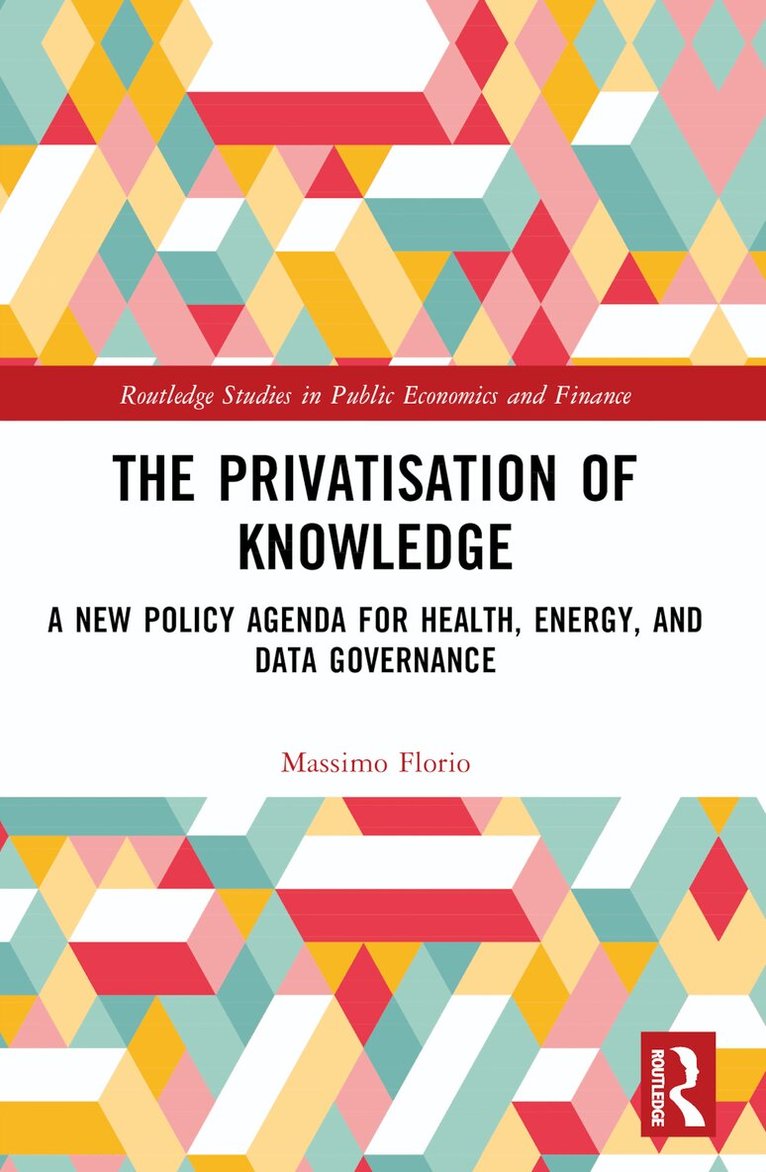
This book deals with the emergence of intellectual monopolies. It explores different ways of producing knowledge, thus showing alternatives to the current dominant paradigm which is based on turning knowledge produced collectively into intangible assets, owned by a few leading corporations. It discusses a paradox: knowledge creation by government-sponsored research infrastructures (RI) or by non-profit institutions, including universities, is increasingly appearing in the form of "open science" - ideas and data are widely available in the public domain. However, such knowledge is privatised downstream by new oligopolies. These oligopolies, such as the Tech Giants, are protected by legislation on intellectual property rights that restricts further access to knowledge. This process contributes to increasing social inequality. The book suggests alternative policy options to counteract this process: the design of new players with a public mission and a coalition of governments as patient investors for the long-term benefit not just of the citizens of one jurisdiction but for creating global public goods. Proposals are presented for launching European R&D infrastructures related to three major long-term challenges: health risks, climate change and Big Data governance. These knowledge-intensive enterprises should offer innovation as a public good, for example in new biomedical fields underinvested by private firms, disruptive ‘green’ technologies, digital platforms based on transparent users’ ownership of data. Offering a balanced combination of theories and practical applications including interesting case studies, the book will appeal to students, scholars and researchers of public economics and governance. It will also find an audience among policymakers, practitioners and government officials.
Häftad, Engelska, 2024
588 kr
Skickas inom 10-15 vardagar
This book deals with the emergence of intellectual monopolies. It explores different ways of producing knowledge, thus showing alternatives to the current dominant paradigm which is based on turning knowledge produced collectively into intangible assets, owned by a few leading corporations. It discusses a paradox: knowledge creation by government-sponsored research infrastructures (RI) or by non-profit institutions, including universities, is increasingly appearing in the form of "open science" - ideas and data are widely available in the public domain. However, such knowledge is privatised downstream by new oligopolies. These oligopolies, such as the Tech Giants, are protected by legislation on intellectual property rights that restricts further access to knowledge. This process contributes to increasing social inequality. The book suggests alternative policy options to counteract this process: the design of new players with a public mission and a coalition of governments as patient investors for the long-term benefit not just of the citizens of one jurisdiction but for creating global public goods. Proposals are presented for launching European R&D infrastructures related to three major long-term challenges: health risks, climate change and Big Data governance. These knowledge-intensive enterprises should offer innovation as a public good, for example in new biomedical fields underinvested by private firms, disruptive ‘green’ technologies, digital platforms based on transparent users’ ownership of data. Offering a balanced combination of theories and practical applications including interesting case studies, the book will appeal to students, scholars and researchers of public economics and governance. It will also find an audience among policymakers, practitioners and government officials.
Inbunden, Engelska, 2024
1 841 kr
Skickas inom 10-15 vardagar
Public procurement makes up a significant part of national economies: 10–25% of gross domestic product (GDP), depending on the country. Appropriate laws and regulations are an essential tool to direct the action of procurers towards the public good and avoid corruption and misallocation of resources, while at the same time sustaining progress and social goals. The original approach of this book combines juridical, economic, and technical expertise to find common terrain and a common language in order to debate the specific issues that affect public administrations across the world that need advancing and modernizing. The book features contributions across four specific themes of interest to the procurer’s day-to-day job in modern public purchasing organizations: preferences and political economy in public procurement, climate change, defence procurement, and human rights in public procurement. The aim is to let the new emerging trade-offs between competition and sustainability emerge, highlighting at the same time the possible synergies between the relevant policy objectives. The book takes into account sectoral specificities, reinforced by recent global events such as wars, natural disasters, and populism. The unique format features in each section an interdisciplinary debate between two experts across different disciplines who deliberate and engage one another so as to improve the mutual understanding across disciplines, followed by two additional contributions. This book will be of interest to scholars, researchers, and policymakers worldwide.
Häftad, Engelska, 2026
612 kr
Kommande
Public procurement makes up a significant part of national economies: 10–25% of gross domestic product (GDP), depending on the country. Appropriate laws and regulations are an essential tool to direct the action of procurers towards the public good and avoid corruption and misallocation of resources, while at the same time sustaining progress and social goals. The original approach of this book combines juridical, economic, and technical expertise to find common terrain and a common language in order to debate the specific issues that affect public administrations across the world that need advancing and modernizing. The book features contributions across four specific themes of interest to the procurer’s day-to-day job in modern public purchasing organizations: preferences and political economy in public procurement, climate change, defence procurement, and human rights in public procurement. The aim is to let the new emerging trade-offs between competition and sustainability emerge, highlighting at the same time the possible synergies between the relevant policy objectives. The book takes into account sectoral specificities, reinforced by recent global events such as wars, natural disasters, and populism. The unique format features in each section an interdisciplinary debate between two experts across different disciplines who deliberate and engage one another so as to improve the mutual understanding across disciplines, followed by two additional contributions. This book will be of interest to scholars, researchers, and policymakers worldwide.
Häftad, Engelska, 2025
640 kr
Skickas inom 10-15 vardagar
This book demonstrates falsified economic performance of global economies when the environment is not recognised as a capital, and when the ecosystem is overlooked towards sustainable development.Seck begins with an analysis of standard macroeconomic framework and policy practice. He argues, with reference to environmental accounting literature, that environmental capital must form an integral component of economic measurement. This paves the way for an alternative environmental-macroeconomics framework for policy analysis that promotes sustainable development. The book demonstrates how environmental capital can be measured with reference to select OECD countries and provides a methodology for analysing how macroeconomic goals are related to a steady-state economy. Seck then concludes with a summary of the conflict between current economic growth and ecosystem preservation, and outlines possible policy improvements and directions for research.Rethinking Sustainable Development is an invaluable reference for policymakers as well as researchers and students of environmental economics, sustainable development, and macroeconomics.
Inbunden, Engelska, 2026
2 139 kr
Skickas inom 10-15 vardagar
The emergence of blockchain technologies has unlocked a myriad of possibilities for reshaping governance systems, from the grassroots level of micro-governance to the broader scope of national and transnational governance. In an era marked by persistent governance challenges, there is a profound desire for governance that is optimal, inclusive, participatory, and efficient across various scales of analysis, all of which might be improved by the adoption of distributed ledger technology. However, the adoption of blockchain for governance purposes, particularly in public governance, lags behind other applications such as cryptocurrencies and decentralized finance. What impedes this adoption? Are existing governance systems deemed sufficient by key stakeholders? Is inertia or cost hindering the transformation through blockchain innovations? Or has the potential of blockchain in public governance been overstated?This book aims to address these questions comprehensively by leveraging the expertise of interdisciplinary scholars who undertake a holistic examination of the role, potential, and limitations of blockchain technologies in public governance. Through conceptual frameworks, real-world case studies, and forward-looking insights, the book navigates towards more optimal outcomes, soliciting stakeholder inputs and refining concepts along the way. By presenting diverse perspectives from various disciplinary angles, including public administration, public policy, computer science, economics, philosophy, and innovation governance, the book offers valuable insights for a wide-ranging audience of scholars and practitioners alike.