Routledge Studies in Resilience - Böcker
Visar alla böcker i serien Routledge Studies in Resilience. Handla med fri frakt och snabb leverans.
9 produkter
9 produkter
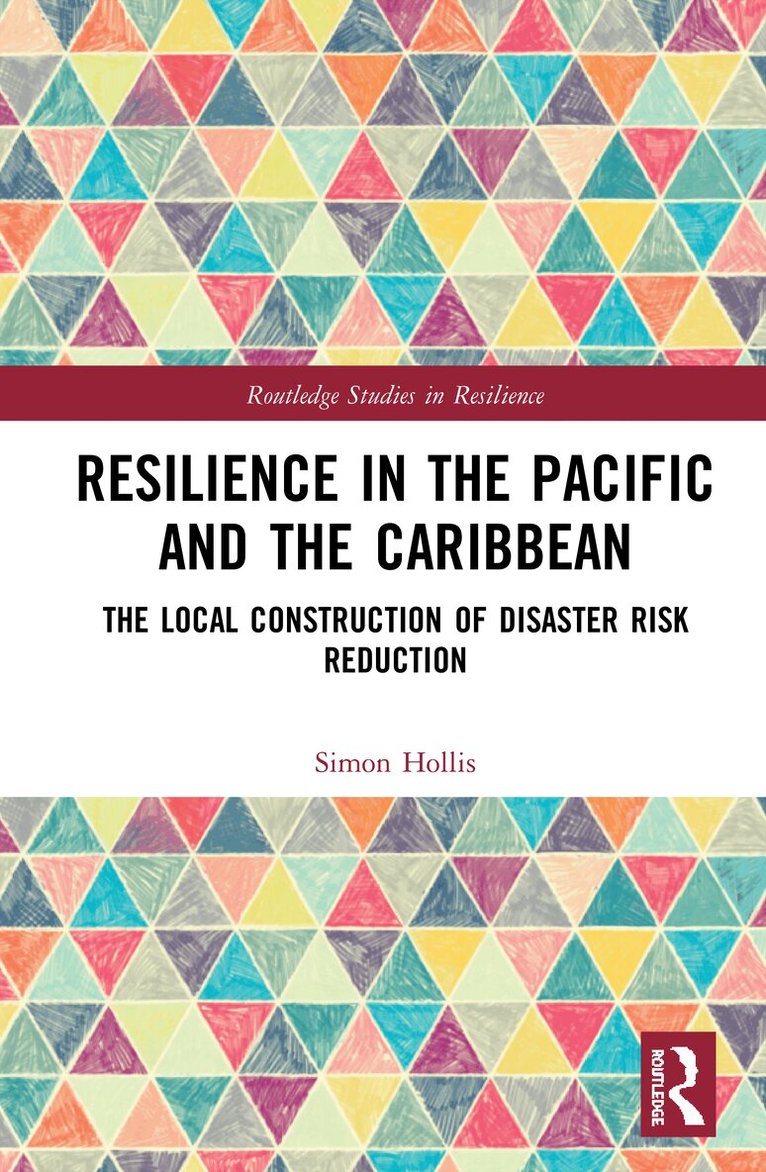
Resilience in the Pacific and the Caribbean
The Local Construction of Disaster Risk Reduction
Inbunden, Engelska, 2020
2 103 kr
Skickas inom 10-15 vardagar
This book critically examines the global diffusion and local reception of resilience through the implementation of Disaster Risk Reduction (DRR) programmes in Pacific and Caribbean island states.Global efforts to strengthen local disaster resilience capacities have become a staple of international development activity in recent decades, yet the successful implementation of DRR projects designed to strengthen local resilience remains elusive. While there are pockets of success, a gap remains between global expectations and local realities. Through a critical realist study of global and local worldviews of resilience in the Pacific and Caribbean islands, this book argues that the global advocacy of DRR remains inadequate because of a failure to prioritise a person-orientated ethics in its conceptualization of disaster resilience. This regional comparison provides a valuable lens to understand the underlying social structures that makes resilience possible and the extent to which local governments, communities and persons interpret and modify their behaviour on risk when faced with the global message on resilience.This book will be of much interest to students of resilience, risk management, development studies, and area studies.
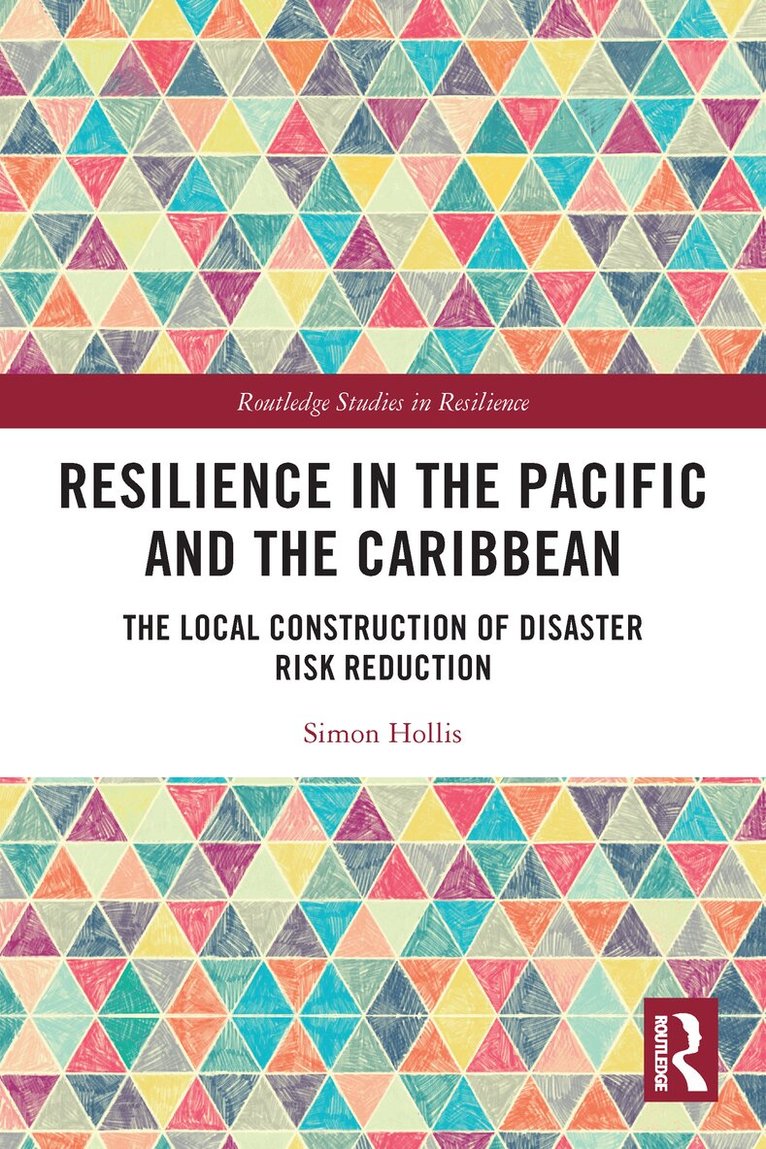
Resilience in the Pacific and the Caribbean
The Local Construction of Disaster Risk Reduction
Häftad, Engelska, 2022
616 kr
Skickas inom 10-15 vardagar
This book critically examines the global diffusion and local reception of resilience through the implementation of Disaster Risk Reduction (DRR) programmes in Pacific and Caribbean island states.Global efforts to strengthen local disaster resilience capacities have become a staple of international development activity in recent decades, yet the successful implementation of DRR projects designed to strengthen local resilience remains elusive. While there are pockets of success, a gap remains between global expectations and local realities. Through a critical realist study of global and local worldviews of resilience in the Pacific and Caribbean islands, this book argues that the global advocacy of DRR remains inadequate because of a failure to prioritise a person-orientated ethics in its conceptualization of disaster resilience. This regional comparison provides a valuable lens to understand the underlying social structures that makes resilience possible and the extent to which local governments, communities and persons interpret and modify their behaviour on risk when faced with the global message on resilience.This book will be of much interest to students of resilience, risk management, development studies, and area studies.
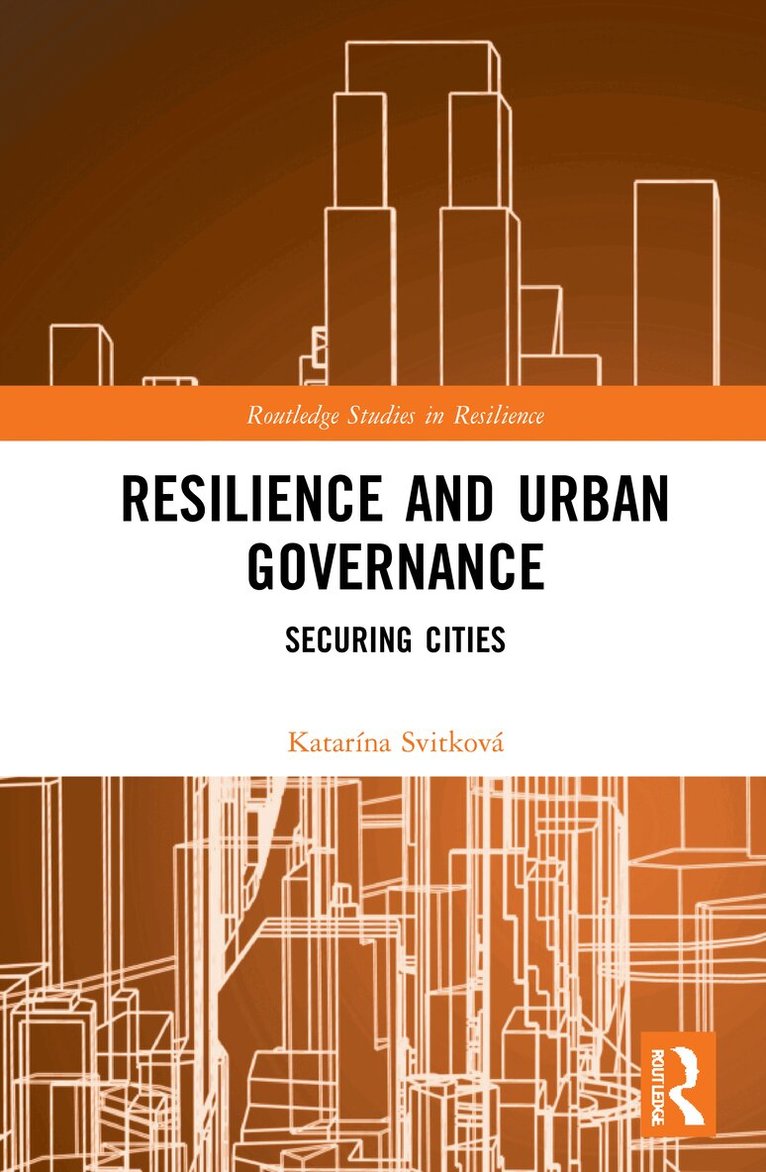
2 103 kr
Skickas inom 10-15 vardagar
This book challenges the concept of ‘urban resilience’ by exploring its impact and limitations in three cities.Resilience has become a buzzword in science, industry, and policy, and this volume offers a fresh perspective on urban resilience as a regulatory and constitutive principle of governance in cities. Cities constitute an extremely relevant playground for resilience, as they are exposed to various disruptions, from natural disasters and pandemics to political conflicts and terrorism. This book traces the evolution of urban resilience, from international development organizations to local governments and communities. It explores how this concept was adopted and mobilized by different actors for different purposes, and analyses the resulting resilience momentum in Barcelona, San Francisco, and Santiago. The book outlines the extent to which resilience has become a universal policy tool and a desired end-state, despite its clearly problematic definition. It also contributes to the discussion about contemporary governance, safety and security in times when their very nature and feasibility are being questioned.This book will be of much interest to students of resilience studies, urban studies, development studies, human geography and international relations.
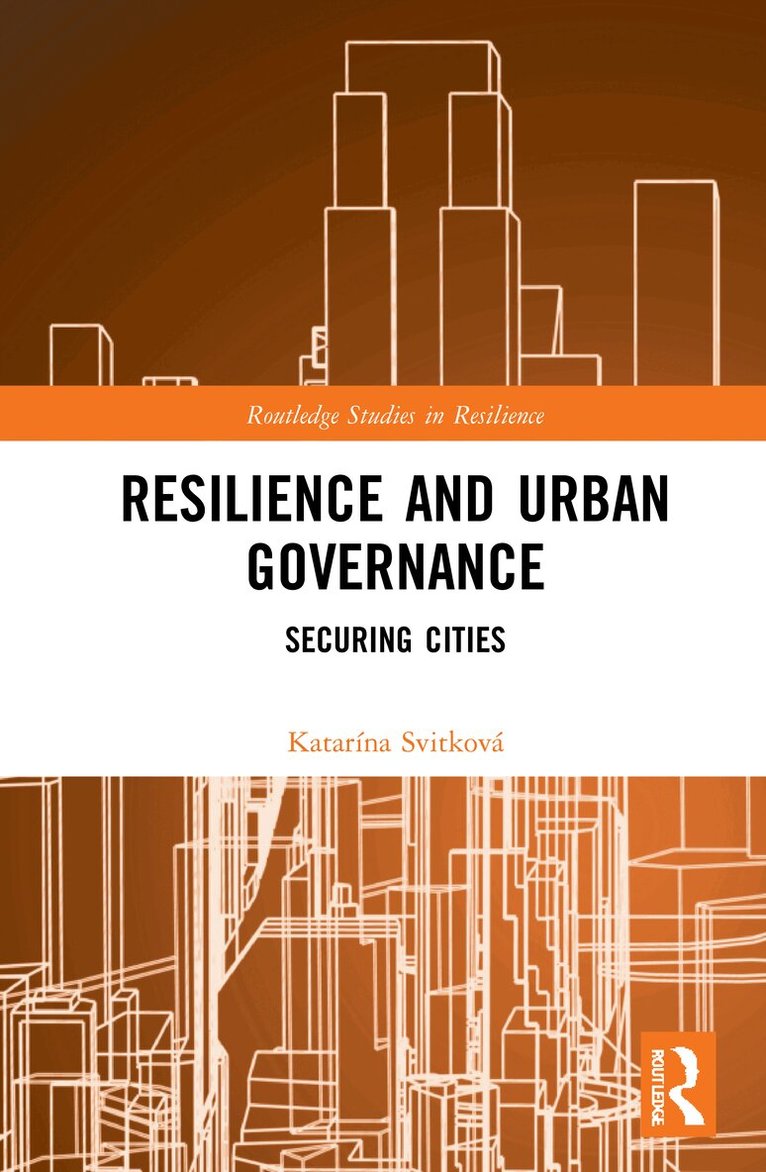
561 kr
Skickas inom 10-15 vardagar
This book challenges the concept of ‘urban resilience’ by exploring its impact and limitations in three cities.Resilience has become a buzzword in science, industry, and policy, and this volume offers a fresh perspective on urban resilience as a regulatory and constitutive principle of governance in cities. Cities constitute an extremely relevant playground for resilience, as they are exposed to various disruptions, from natural disasters and pandemics to political conflicts and terrorism. This book traces the evolution of urban resilience, from international development organizations to local governments and communities. It explores how this concept was adopted and mobilized by different actors for different purposes, and analyses the resulting resilience momentum in Barcelona, San Francisco, and Santiago. The book outlines the extent to which resilience has become a universal policy tool and a desired end-state, despite its clearly problematic definition. It also contributes to the discussion about contemporary governance, safety and security in times when their very nature and feasibility are being questioned.This book will be of much interest to students of resilience studies, urban studies, development studies, human geography and international relations.
1 900 kr
Skickas inom 10-15 vardagar
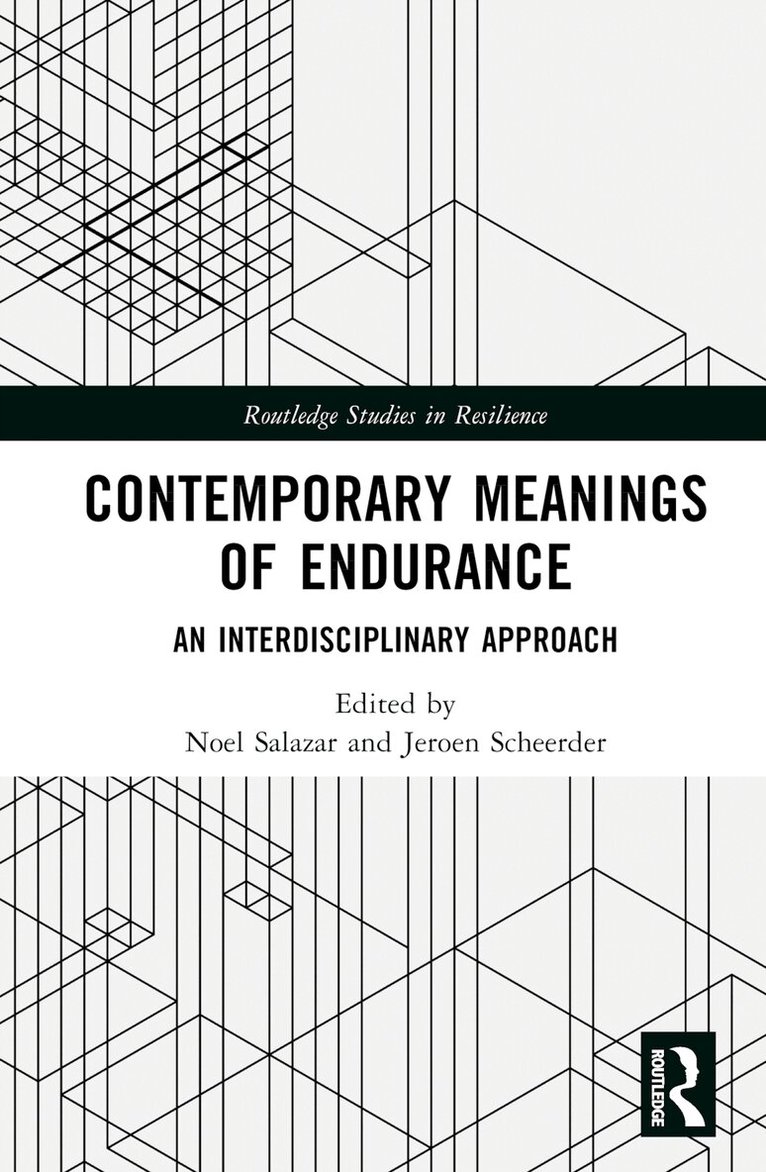
This book critically analyses the concept of endurance from different theoretical, conceptual, methodological, and empirical perspectives. The first part of the book takes a closer look at endurance, by examining how it relates to concepts such as resilience, perseverance, and perdurance. By analysing how these concepts overlap but differ, we reach a better understanding of what constitutes endurance. Furthermore, endurance is reconfigured as a as a mundane aspect of everyday life. The latter part of the book focuses on embodied experiences of endurance, more specifically on endurance running, walking, and (physical) performances. The different contributions focus on the meanings, values, and attributes that people ascribe to endurance in various socio-cultural contexts. The book uncovers practices, environments, and discourses in which endurance is applied and manifested, from drought-affected communities in rural Australia to professional endurance runners in Ethiopia as well as migrants in Greece and performance acts in domestic spaces in the United Kingdom and beyond. This book will be of interest to scholars of movement sciences, sports studies, mobilities, leisure studies, and resilience studies.
610 kr
Skickas inom 10-15 vardagar
This book critically analyses the concept of endurance from different theoretical, conceptual, methodological, and empirical perspectives. The first part of the book takes a closer look at endurance, by examining how it relates to concepts such as resilience, perseverance, and perdurance. By analysing how these concepts overlap but differ, we reach a better understanding of what constitutes endurance. Furthermore, endurance is reconfigured as a as a mundane aspect of everyday life. The latter part of the book focuses on embodied experiences of endurance, more specifically on endurance running, walking, and (physical) performances. The different contributions focus on the meanings, values, and attributes that people ascribe to endurance in various socio-cultural contexts. The book uncovers practices, environments, and discourses in which endurance is applied and manifested, from drought-affected communities in rural Australia to professional endurance runners in Ethiopia as well as migrants in Greece and performance acts in domestic spaces in the United Kingdom and beyond. This book will be of interest to scholars of movement sciences, sports studies, mobilities, leisure studies, and resilience studies.
751 kr
Skickas inom 10-15 vardagar
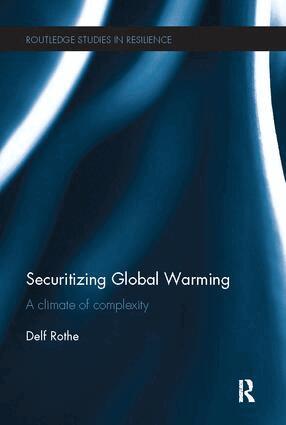
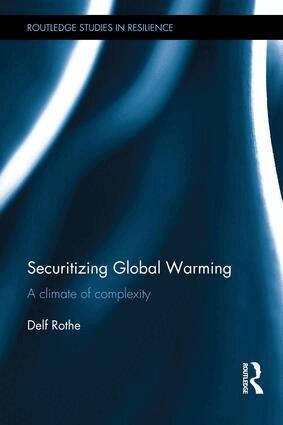
This book explores the reasons for a recent securitization of climate change, and reveals how the understanding of climate change as a security threat fuels resilience as a contemporary political paradigm. Since 2007, political and public discourse has portrayed climate change in terms of international or national security. This increasing attention to the security implications of climate change is puzzling, however, given the fact that linkages between climate change and conflict or violence are heavily disputed in the empirical literature. This book explains this trend of a securitization of global warming and discusses its political implications. It traces the actor coalition that promoted the idea of climate change as a security issue and reveals the symbols, narratives and storylines that make up this discourse. Drawing on three detailed case studies at the international level of the United Nations, the regional level of the Euro-Mediterranean and the national level of the UK, the book reveals how climate change is turned into a non-linear and unpredictable threat. The resulting complexity discourse prevents the adoption of any exceptional measures and instead presents resilience as the only way to cope with the climate threat. This book shows that we can only grasp the complexity of the securitization process and its implications in the climate change case by comparing it at different political levels over a longer period. By developing a securitization framework the book makes an important contribution to the ongoing debate on security and resilience in critical security studies. This book will be of much interest to students of critical security studies, resilience, environmental studies, global governance and IR in general.
2 036 kr
Skickas inom 10-15 vardagar
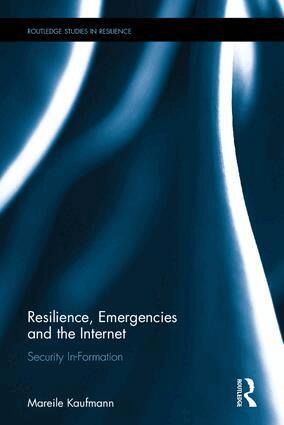
This book traces how resilience is conceptually grounded in an understanding of the world as interconnected, complex and emergent. In an interconnected world, we are exposed to radical uncertainties, which require new modes of handling them. Security no longer means the promise of protection, but it is redefined as resilience - as security in-formation. Information and the Internet not only play a key role for our understanding of security in highly connected societies, but also for resilience as a new program of tackling emergencies. Social media, cyber-exercises, the collection of digital data and new developments in Internet policy shape resilience as a new form of security governance. Through case studies in these four areas this book documents and critically discusses the relationship between resilience, the Internet and security governance. It takes the reader on a journey from the rise of complexity narratives in the context of security policy to a discussion of the Internet’s influence on resilience practices, and ends with a theory of resilience and the relational. The book shows how the Internet nourishes narratives of connectivity, complexity and emergency in political discourses, and how it brings about new resilience practices.This book will be of much interest to students of resilience studies, Critical Security Studies, Internet-politics, and International Relations in general.
2 171 kr
Skickas inom 10-15 vardagar
This book explores the reasons for a recent securitization of climate change, and reveals how the understanding of climate change as a security threat fuels resilience as a contemporary political paradigm. Since 2007, political and public discourse has portrayed climate change in terms of international or national security. This increasing attention to the security implications of climate change is puzzling, however, given the fact that linkages between climate change and conflict or violence are heavily disputed in the empirical literature. This book explains this trend of a securitization of global warming and discusses its political implications. It traces the actor coalition that promoted the idea of climate change as a security issue and reveals the symbols, narratives and storylines that make up this discourse. Drawing on three detailed case studies at the international level of the United Nations, the regional level of the Euro-Mediterranean and the national level of the UK, the book reveals how climate change is turned into a non-linear and unpredictable threat. The resulting complexity discourse prevents the adoption of any exceptional measures and instead presents resilience as the only way to cope with the climate threat. This book shows that we can only grasp the complexity of the securitization process and its implications in the climate change case by comparing it at different political levels over a longer period. By developing a securitization framework the book makes an important contribution to the ongoing debate on security and resilience in critical security studies. This book will be of much interest to students of critical security studies, resilience, environmental studies, global governance and IR in general.