Science 101 - Böcker
Visar alla böcker i serien Science 101. Handla med fri frakt och snabb leverans.
9 produkter
9 produkter
675 kr
Skickas inom 10-15 vardagar
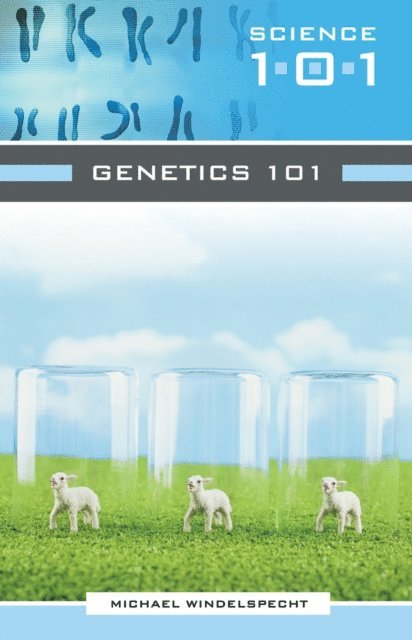
What should the average person know about science? Because science is so central to life in the 21st century, science educators and other leaders of the scientific community believe that it is essential that everyone understand the basic concepts of the most vital and far-reaching disciplines. Genetics 101 does exactly that. This accessible volume provides readers - whether students new to the field or just interested members of the lay public - with the essential ideas of genetics using a minimum of jargon and mathematics. Concepts are introduced in a progressive order so that more complicated ideas build on simpler ones, and each is discussed in small, bite-sized segments so that they can be more easily understood.Genetics 101 provides readers of all levels a brief introduction for understanding a science that is so essential to the advancement of science today. It covers: Genetics as a science, The applications of genetics, including developmental genetics and behavioral genetics, Genetics counseling, and other ways in which genetics impacts our lives. The future of the science of genetics, including genetically modified organisms, cloning, and transgenicsA glossary and sources for further research complete this handy resource.
675 kr
Skickas inom 10-15 vardagar
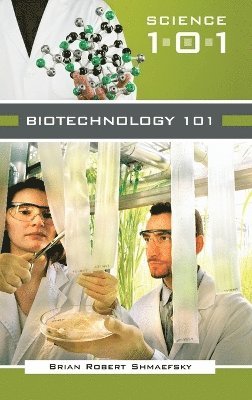
What should the average person know about science? Because science is so central to life in the 21st century, science educators and other leaders of the scientific community believe that it is essential that everyone understand the basic concepts of the most vital and far-reaching disciplines. Biotechnology 101 does exactly that. This accessible volume provides readers - whether students new to the field or just interested members of the lay public - with the essential ideas of biotechnology using a minimum of jargon and mathematics. Concepts are introduced in a progressive order so that more complicated ideas build on simpler ones, and each is discussed in small, bite-sized segments so that they can be more easily understood.This short volume will enable students and lay people to understand the basics of one of the most important scientific fields of endeavor for the future.
675 kr
Skickas inom 10-15 vardagar
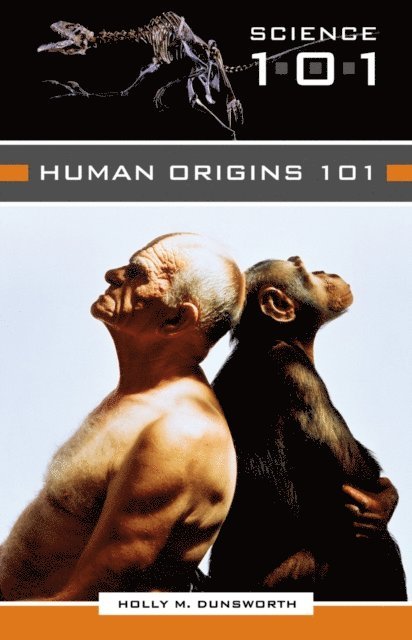
What should the average person know about science? Because science is so central to life in the 21st century, science educators and other leaders of the scientific community believe that it is essential that everyone understand the basic concepts of the most vital and far-reaching disciplines. Human Origins 101 does exactly that. This accessible volume provides readers - whether students new to the field or just interested members of the lay public - with the essential ideas of the origins of humans using a minimum of jargon and mathematics. Concepts are introduced in a progressive order so that more complicated ideas build on simpler ones, and each is discussed in small, bite-sized segments so that they can be more easily understood.Human Origins 101 enables students and the general public to understand the basic concepts underlying our knowledge of our evolution as a species. This small volume covers:; A brief history of paleoanthropology, and the discovery of human's place in nature; Evolution and the Origin of Life; Clues to human origins from genetics; The fossil and archaeological records; The distinctive traits that makes us human; The diversity of modern humansWith a bibliography, glossary, and discussion of hoaxes, fringe theories, and hot-button issues, Human Origins 101 provides the perfect starting point for anyone wishing to understand how scientists know how humans evolved.
675 kr
Skickas inom 10-15 vardagar
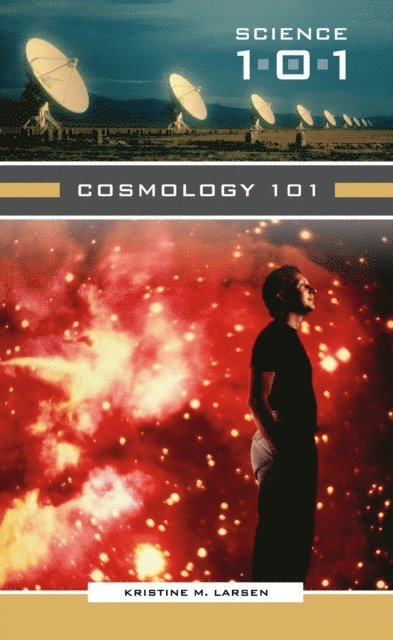
What should the average person know about science? Because science is so central to life in the 21st century, science educators and other leaders of the scientific community believe that it is essential that everyone understand the basic concepts of the most vital and far-reaching disciplines. Cosmology 101 does exactly that. This accessible volume provides readers - whether students new to the field or just interested members of the lay public - with the essential ideas of evolution using a minimum of jargon and mathematics. Concepts are introduced in a progressive order so that more complicated ideas build on simpler ones, and each is discussed in small, bite-sized segments so that they can be more easily understood.This volume in the Science 101 series provides readers with a solid understanding of how scientist know what they know about the universe.
875 kr
Skickas inom 10-15 vardagar
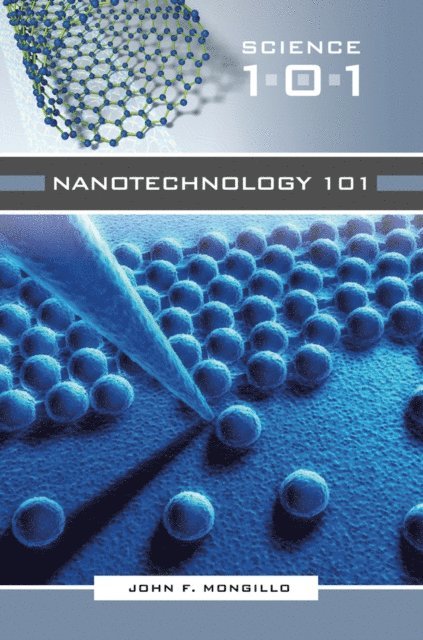
What should the average person know about science? Because science is so central to life in the 21st century, science educators and other leaders of the scientific community believe that it is essential that everyone understand the basic concepts of the most vital and far-reaching disciplines. Nanotechnology 101 does exactly that. This accessible volume provides readers — whether students new to the field or just interested members of the lay public — with the essential ideas of the new science of nanotechnology using a minimum of jargon and mathematics. Concepts are introduced in a progressive order so that more complicted ideas build on simpler ones, and each is discussed in small, bite-sized segments so that they can be more easily understood.Nanotechnology 101 provides contemporary topics about the infusion of nanotechnology in the areas of the environment, food safety, medicine and healthcare, consumer goods, agriculture, homeland security, and energy supply. With a bibliography, sidebars, and interviews with leading figures in the field, Nanotechnology 101 provides the perfect starting point for anyone wishing to understand this burgeoning science.
675 kr
Skickas inom 10-15 vardagar
What should the average person know about science? Because science is so central to life in the 21st century, science educators and other leaders of the scientific community believe that it is essential that everyone understand the basic concepts of the most vital and far-reaching disciplines. Biodiversity 101 does exactly that. This accessible volume provides readers—whether students new to the field or just interested members of the lay public—with the essential ideas of the origins of humans using a minimum of jargon and mathematics. Concepts are introduced in a progressive order so that more complicated ideas build on simpler ones, and each is discussed in small, bite-sized segments so that they can be more easily understood.
675 kr
Skickas inom 10-15 vardagar
The accelerating pace of global warming is provoking anxiety that the Earth is reaching an ominous threshold, a point of no return. Within a decade or two, various feedbacks may take greenhouse warming past any human ability to contain or reverse it. Carbon-dioxide levels in the atmosphere are rising rapidly, fed by increasing fossil-fuel use world-wide, melting permafrost, slash-and-burn agriculture in Indonesia and Brazil, increasing wildfires, as well as rapid industrialization using dirty coal in China and India. Global warming may well become the most urgent problem the world faces during the 21st Century . Natural variations are no longer the major contribution (or forcing) in Earth's climate. Human contributions became the major factor about 1950.This book has been prepared as a reference for high-school students, but it also will be useful for anyone who wants a compact, plain-spoken basic guide to the science of global warming. Global Warming 101 begins with an examination of basic issues, followed by important controversies in the field. The book then describes scientific issues related to melting ice, rising seas, and effects on plants and animals, as well as human health. Global Warming 101 concludes with consideration of possible solutions. Global Warming 101 combines a survey of the science of global warming with reporting from around the world, from sinking Pacific islands and thawing Arctic permafrost, which indicate that significant global warming already has begun.
695 kr
Skickas inom 10-15 vardagar
How much has human history been influenced by the earth and its processes? This volume in the Science 101 series describes how both slow changes and rapid, violent, ones have impacted the development of civilizations throughout history. Slow changes include variations in climate, progressive development of types of tools and sources of energy, and changes in the types of food that people consume. Violent changes include volcanic eruptions such as the one at Toba 75,000 years ago, which may have caused diversification of people into different races, and the eruption of Santorini in 1640 BC, which may have destroyed Minoan civilization. Other disasters are Hurricane Katrina in 2005 and the tsunami in the Indian Ocean in 2004.Earth Science and Human History 101 describes basic principles of geology and shows how the earth affected history and is affecting present events. The volume has four sections: Processes in the atmosphere, oceans, and riversPlate tectonicsThe conflict between the evidence for evolution during the long history of the earth and the beliefs of creationistsResources and the environmentThe volume includes a glossary, numerous illustrations, and a bibliography of works useful for further research.
365 kr
Skickas inom 10-15 vardagar
How much has human history been influenced by the earth and its processes? This volume in the Science 101 series describes how both slow changes and rapid, violent, ones have impacted the development of civilizations throughout history. Slow changes include variations in climate, progressive development of types of tools and sources of energy, and changes in the types of food that people consume. Violent changes include volcanic eruptions such as the one at Toba 75,000 years ago, which may have caused diversification of people into different races, and the eruption of Santorini in 1640 BC, which may have destroyed Minoan civilization. Other disasters are Hurricane Katrina in 2005 and the tsunami in the Indian Ocean in 2004.Earth Science and Human History 101 describes basic principles of geology and shows how the earth affected history and is affecting present events. The volume has four sections: Processes in the atmosphere, oceans, and riversPlate tectonicsThe conflict between the evidence for evolution during the long history of the earth and the beliefs of creationistsResources and the environmentThe volume includes a glossary, numerous illustrations, and a bibliography of works useful for further research.