Security and the Environment – serie
Visar alla böcker i serien Security and the Environment. Handla med fri frakt och snabb leverans.
5 produkter
5 produkter
E-bok
PDF, Engelska, 2010803 kr
Läs direkt efter köp
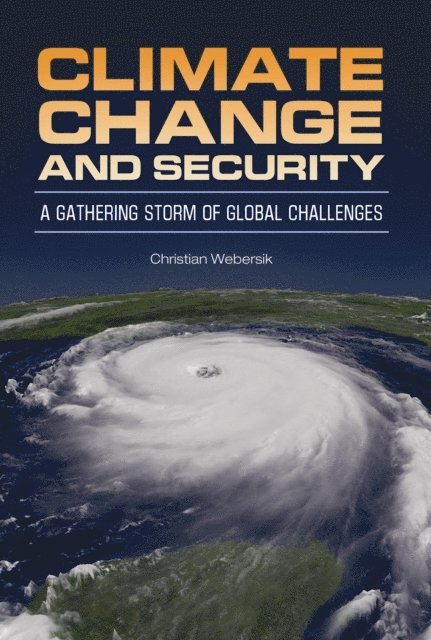
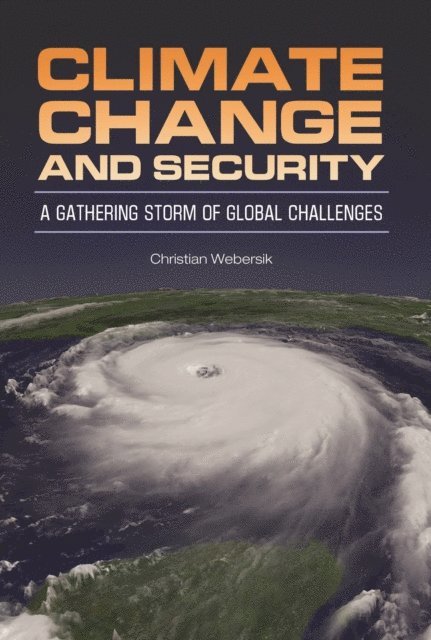
Human-induced climate change is causing resource scarcities, natural disasters, and mass migrations, which in turn destabilize national, international, and human security structures and multiply the human inputs to climate change.Alarms about the expanding role of climate change as a force multiplier of existing threats to national, international, and human security structures studies are being raised at all levels of governance and intelligence—national (including the U.S. Senate, the Director of National Intelligence, the Central Intelligence Agency, and the Pentagon), transnational (including the European Union and the United Nations), and private (such as the Central News Agency and the American Security Project). Climate Change and Security: A Gathering Storm of Global Challenges focuses on the three major feedback effects of human-induced climate change on human and international security—resource scarcity, natural disasters, and sea-level rise. Decreasing per capita availability of renewable resources due to such regional effects of climate change as drought and desertification leads to intensified competition for these resources and may result in armed violence—especially when compounded by conditions of rapid population growth, tribalism, and sectarianism, as in Darfur and Somalia. The increase in the frequency and intensity of meteorological disasters associated with global warming weakens already debilitated tropical societies and makes them still more vulnerable to political instability, as in Haiti. Sea-level rise will lead to disruptive mass migrations of climate refugees as dense littoral populations are forced to abandon low-lying coastal regions, as in Bangladesh.
Inbunden, Engelska, 2009
627 kr
Skickas inom 10-15 vardagar
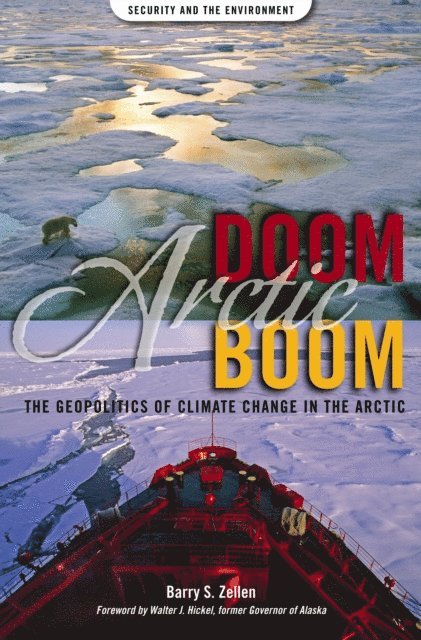
An expert examination of the way climate change is transforming the Arctic environmentally, economically, and geopolitically, and how the challenges of that transformation should be met.A growing number of scientists estimate that there will be no summer ice in the Arctic by as soon as 2013. Are we approaching the "End of the Arctic?" as journalist Ed Struzik asked in 1992, or fully entering the "Age of the Arctic," as Arctic expert Oran Young predicted in 1986? Arctic Doom, Arctic Boom: The Geopolitics of Climate Change in the Arctic looks at the uncertainty at the top of the world as the shrinking of the polar ice cap opens up new sea lanes and the vast hydrocarbon riches of the Arctic seafloor to commercial development and creates environmental disasters for Arctic biota and indigenous peoples. Arctic Doom, Arctic Boom explores the geopolitics of the Arctic from a historical as well as a contemporary perspective, showing how the warming of the Earth is transforming our very conception of the Arctic. In addition to addressing economic and environmental issues, the book also considers the vital strategic role of the region in our nation's defenses.
E-bok
PDF, Engelska, 2009657 kr
Läs direkt efter köp
An expert examination of the way climate change is transforming the Arctic environmentally, economically, and geopolitically, and how the challenges of that transformation should be met.A growing number of scientists estimate that there will be no summer ice in the Arctic by as soon as 2013. Are we approaching the "End of the Arctic?" as journalist Ed Struzik asked in 1992, or fully entering the "Age of the Arctic," as Arctic expert Oran Young predicted in 1986? Arctic Doom, Arctic Boom: The Geopolitics of Climate Change in the Arctic looks at the uncertainty at the top of the world as the shrinking of the polar ice cap opens up new sea lanes and the vast hydrocarbon riches of the Arctic seafloor to commercial development and creates environmental disasters for Arctic biota and indigenous peoples. Arctic Doom, Arctic Boom explores the geopolitics of the Arctic from a historical as well as a contemporary perspective, showing how the warming of the Earth is transforming our very conception of the Arctic. In addition to addressing economic and environmental issues, the book also considers the vital strategic role of the region in our nation''s defenses.
E-bok
Engelska, 2009657 kr
Läs direkt efter köp
An expert examination of the way climate change is transforming the Arctic environmentally, economically, and geopolitically, and how the challenges of that transformation should be met.A growing number of scientists estimate that there will be no summer ice in the Arctic by as soon as 2013. Are we approaching the "End of the Arctic?" as journalist Ed Struzik asked in 1992, or fully entering the "Age of the Arctic," as Arctic expert Oran Young predicted in 1986? Arctic Doom, Arctic Boom: The Geopolitics of Climate Change in the Arctic looks at the uncertainty at the top of the world as the shrinking of the polar ice cap opens up new sea lanes and the vast hydrocarbon riches of the Arctic seafloor to commercial development and creates environmental disasters for Arctic biota and indigenous peoples. Arctic Doom, Arctic Boom explores the geopolitics of the Arctic from a historical as well as a contemporary perspective, showing how the warming of the Earth is transforming our very conception of the Arctic. In addition to addressing economic and environmental issues, the book also considers the vital strategic role of the region in our nation''s defenses.
E-bok
Engelska, 2010803 kr
Läs direkt efter köp
Human-induced climate change is causing resource scarcities, natural disasters, and mass migrations, which in turn destabilize national, international, and human security structures and multiply the human inputs to climate change.Alarms about the expanding role of climate change as a force multiplier of existing threats to national, international, and human security structures studies are being raised at all levels of governance and intelligence—national (including the U.S. Senate, the Director of National Intelligence, the Central Intelligence Agency, and the Pentagon), transnational (including the European Union and the United Nations), and private (such as the Central News Agency and the American Security Project). Climate Change and Security: A Gathering Storm of Global Challenges focuses on the three major feedback effects of human-induced climate change on human and international security—resource scarcity, natural disasters, and sea-level rise. Decreasing per capita availability of renewable resources due to such regional effects of climate change as drought and desertification leads to intensified competition for these resources and may result in armed violence—especially when compounded by conditions of rapid population growth, tribalism, and sectarianism, as in Darfur and Somalia. The increase in the frequency and intensity of meteorological disasters associated with global warming weakens already debilitated tropical societies and makes them still more vulnerable to political instability, as in Haiti. Sea-level rise will lead to disruptive mass migrations of climate refugees as dense littoral populations are forced to abandon low-lying coastal regions, as in Bangladesh.