Sightlines - Böcker
Visar alla böcker i serien Sightlines. Handla med fri frakt och snabb leverans.
8 produkter
8 produkter
2 225 kr
Skickas inom 10-15 vardagar
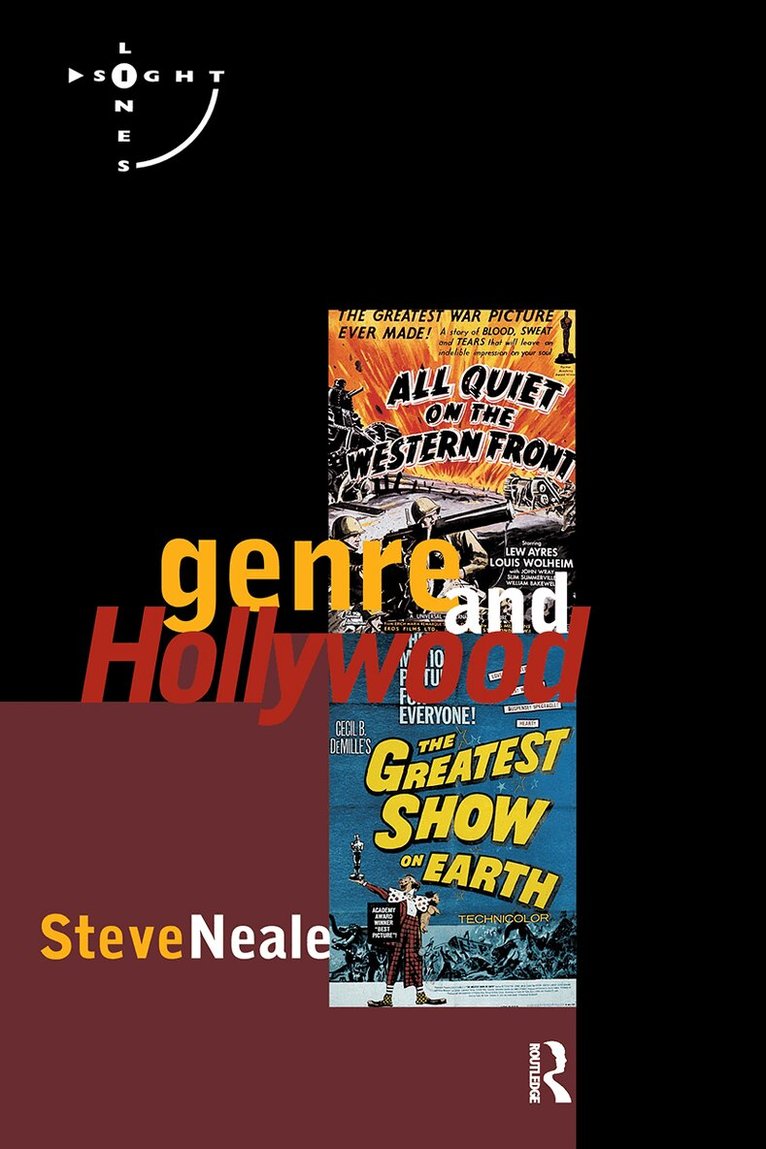
Genre and Hollywood provides a comprehensive introduction to the study of genre. In this important new book, Steve Neale discusses all the major concepts, theories and accounts of Hollywood and genre, as well as the key genres which theorists have written about, from horror to the Western. He also puts forward new arguments about the importance of genre in understanding Hollywood cinema.Neale takes issue with much genre criticism and genre theory, which has provided only a partial and misleading account of Hollywood's output. He calls for broader and more flexible conceptions of genre and genres, for more attention to be paid to the discourses and practices of Hollywood itself, for the nature and range of Hollywood's films to be looked at in more detail, and for any assessment of the social and cultural significance of Hollywood's genres to take account of industrial factors.In detailed, revisionist accounts of two major genres - film noir and melodrama - Neale argues that genre remains an important and productive means of thinking about both New and old Hollywood, its history, its audiences and its films.
580 kr
Skickas inom 10-15 vardagar
Genre and Hollywood provides a comprehensive introduction to the study of genre. In this important new book, Steve Neale discusses all the major concepts, theories and accounts of Hollywood and genre, as well as the key genres which theorists have written about, from horror to the Western. He also puts forward new arguments about the importance of genre in understanding Hollywood cinema.Neale takes issue with much genre criticism and genre theory, which has provided only a partial and misleading account of Hollywood's output. He calls for broader and more flexible conceptions of genre and genres, for more attention to be paid to the discourses and practices of Hollywood itself, for the nature and range of Hollywood's films to be looked at in more detail, and for any assessment of the social and cultural significance of Hollywood's genres to take account of industrial factors.In detailed, revisionist accounts of two major genres - film noir and melodrama - Neale argues that genre remains an important and productive means of thinking about both New and old Hollywood, its history, its audiences and its films.
580 kr
Skickas inom 10-15 vardagar
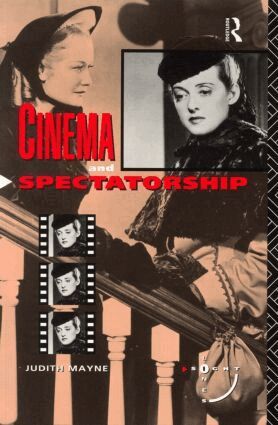
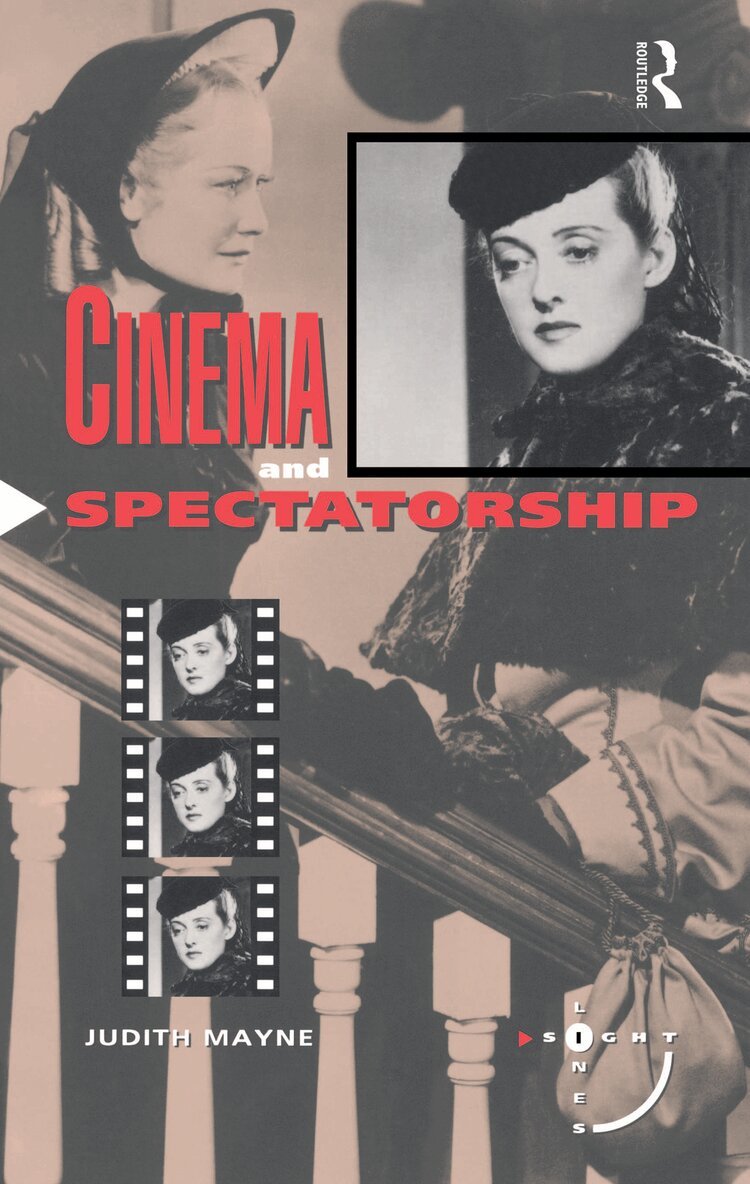
Cinema and Spectatorship is the first book to focus entirely on the history and role of the spectator in contemporary film studies. While 1970s film theory insisted on a distinction betweeen the cinematic subject and film-goers, Judith Mayne suggests that a very real friction between "subjects" and "viewers" is in fact central to the study of spectatorship.In the book's first section Mayne examines three theoretical models of spectatorship: the perceptual, the institutional and the historical, while the second section focuses on case studies which crystallize many of the issues already discussed, concentrating on textual analysis, the `disrupting genre', `star-gazing' and finally the audience itself. Case studies incude the place of the spectator in the textual analysis of individual films such as The Picture of Dorian Gray; the construction of Bette Davis' star persona; fantasies of race and film viewing in Field of Dreams and Ghost; and gay and lesbian audiences as "critical" audiences. The book provides a very thorough and accessible overview of this complex, fragmented and often controversial area of film theory.
2 410 kr
Skickas inom 10-15 vardagar
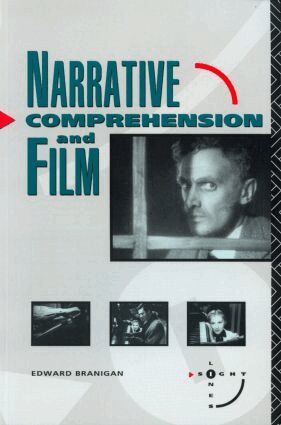
Narrative is one of the ways we organise and understnad the world. It is found everywhere: not only in films and books, but also in everday conversations and in the nonfictional discourses of journalists, historians, educators, psychologists, attorneys and many others.Edward Branigan presents a telling exploration of the basic concepts of narrative theory and its relation to film - and literary - analysis, bringing together theories from linguistics and cognitive science, and applying them to the screen. Individual analyses of classical narratives form the basis of a complex study of every aspect of filmic fiction exploring, for example, subjectivity in Lady in the Lake, multiplicity in Letter from and Unknown Woman, post-modernism and documentary in Sans Soleil.
628 kr
Skickas inom 10-15 vardagar
Narrative is one of the ways we organise and understnad the world. It is found everywhere: not only in films and books, but also in everday conversations and in the nonfictional discourses of journalists, historians, educators, psychologists, attorneys and many others.Edward Branigan presents a telling exploration of the basic concepts of narrative theory and its relation to film - and literary - analysis, bringing together theories from linguistics and cognitive science, and applying them to the screen. Individual analyses of classical narratives form the basis of a complex study of every aspect of filmic fiction exploring, for example, subjectivity in Lady in the Lake, multiplicity in Letter from and Unknown Woman, post-modernism and documentary in Sans Soleil.
2 096 kr
Skickas inom 10-15 vardagar
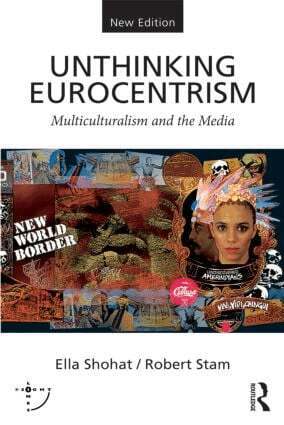
Unthinking Eurocentrism, a seminal and award-winning work in postcolonial studies first published in 1994, explored Eurocentrism as an interlocking network of buried premises, embedded narratives, and submerged tropes that constituted a broadly shared epistemology. Within a transdisciplinary study, the authors argued that the debates about Eurocentrism and post/coloniality must be considered within a broad historical sweep that goes at least as far back as the various 1492s – the Inquisition, the Expulsion of Jews and Muslims, the Conquest of the Americas, and the Transatlantic slave trade – a process which culminates in the post-War attempts to radically decolonize global culture. Ranging over multiple geographies, the book deprovincialized media/cultural studies through a "polycentric" approach, while analysing in depth such issues as postcolonial hybridity, antinomies of Enlightenment, the tropes of empire, gender and rescue fantasies, the racial politics of casting, and the limitations of "positive image" analysis. The substantial new afterword in this 20th anniversary new edition brings these issues into the present by charting recent transformations of the intellectual debates, as terms such as the "transnational," the "commons," "indigeneity," and the "Red Atlantic" have come to the fore. The afterword also explores some cinematic trends such as "indigenous media" and "postcolonial adaptations" that have gained strength over the past two decades, along with others, such as Nollywood, that have emerged with startling force. Winner of the Katherine Kovacs Singer Best Film Book Award, the book has been translated in full or in its entirety into diverse languages from Spanish to Farsi. This expanded edition of a ground-breaking text proposes analytical grids relevant to a wide variety of fields including postcolonial studies, literary studies, anthropology, media studies, cultural studies, and critical race studies.
627 kr
Skickas inom 10-15 vardagar
Unthinking Eurocentrism, a seminal and award-winning work in postcolonial studies first published in 1994, explored Eurocentrism as an interlocking network of buried premises, embedded narratives, and submerged tropes that constituted a broadly shared epistemology. Within a transdisciplinary study, the authors argued that the debates about Eurocentrism and post/coloniality must be considered within a broad historical sweep that goes at least as far back as the various 1492s – the Inquisition, the Expulsion of Jews and Muslims, the Conquest of the Americas, and the Transatlantic slave trade – a process which culminates in the post-War attempts to radically decolonize global culture. Ranging over multiple geographies, the book deprovincialized media/cultural studies through a "polycentric" approach, while analysing in depth such issues as postcolonial hybridity, antinomies of Enlightenment, the tropes of empire, gender and rescue fantasies, the racial politics of casting, and the limitations of "positive image" analysis. The substantial new afterword in this 20th anniversary new edition brings these issues into the present by charting recent transformations of the intellectual debates, as terms such as the "transnational," the "commons," "indigeneity," and the "Red Atlantic" have come to the fore. The afterword also explores some cinematic trends such as "indigenous media" and "postcolonial adaptations" that have gained strength over the past two decades, along with others, such as Nollywood, that have emerged with startling force. Winner of the Katherine Kovacs Singer Best Film Book Award, the book has been translated in full or in its entirety into diverse languages from Spanish to Farsi. This expanded edition of a ground-breaking text proposes analytical grids relevant to a wide variety of fields including postcolonial studies, literary studies, anthropology, media studies, cultural studies, and critical race studies.
2 225 kr
Skickas inom 10-15 vardagar
Cinema and Spectatorship is the first book to focus entirely on the history and role of the spectator in contemporary film studies. While 1970s film theory insisted on a distinction betweeen the cinematic subject and film-goers, Judith Mayne suggests that a very real friction between "subjects" and "viewers" is in fact central to the study of spectatorship.In the book's first section Mayne examines three theoretical models of spectatorship: the perceptual, the institutional and the historical, while the second section focuses on case studies which crystallize many of the issues already discussed, concentrating on textual analysis, the `disrupting genre', `star-gazing' and finally the audience itself. Case studies incude the place of the spectator in the textual analysis of individual films such as The Picture of Dorian Gray; the construction of Bette Davis' star persona; fantasies of race and film viewing in Field of Dreams and Ghost; and gay and lesbian audiences as "critical" audiences. The book provides a very thorough and accessible overview of this complex, fragmented and often controversial area of film theory.