S.M.A.R.T. Environments - Böcker
Visar alla böcker i serien S.M.A.R.T. Environments. Handla med fri frakt och snabb leverans.
6 produkter
6 produkter
1 422 kr
Skickas inom 10-15 vardagar
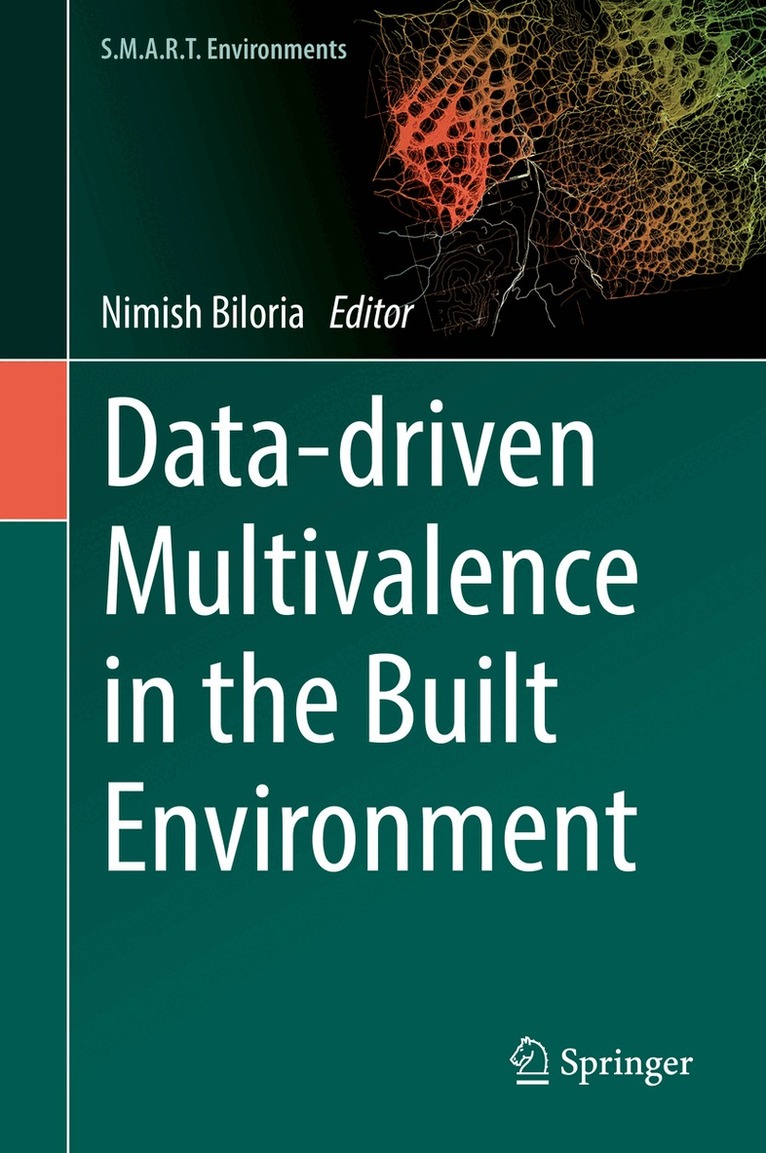
Urban health and wellbeing, urban mobility and infrastructure, smart manufacturing, Interaction Design, Urban Design & Planning as well as Data Science, asprominent symbiotic domains constituting the Built Environment are represented in this first book in the S.M.A.R.T.
987 kr
Skickas inom 10-15 vardagar
Urban health and wellbeing, urban mobility and infrastructure, smart manufacturing, Interaction Design, Urban Design & Planning as well as Data Science, asprominent symbiotic domains constituting the Built Environment are represented in this first book in the S.M.A.R.T.
1 516 kr
Skickas inom 10-15 vardagar
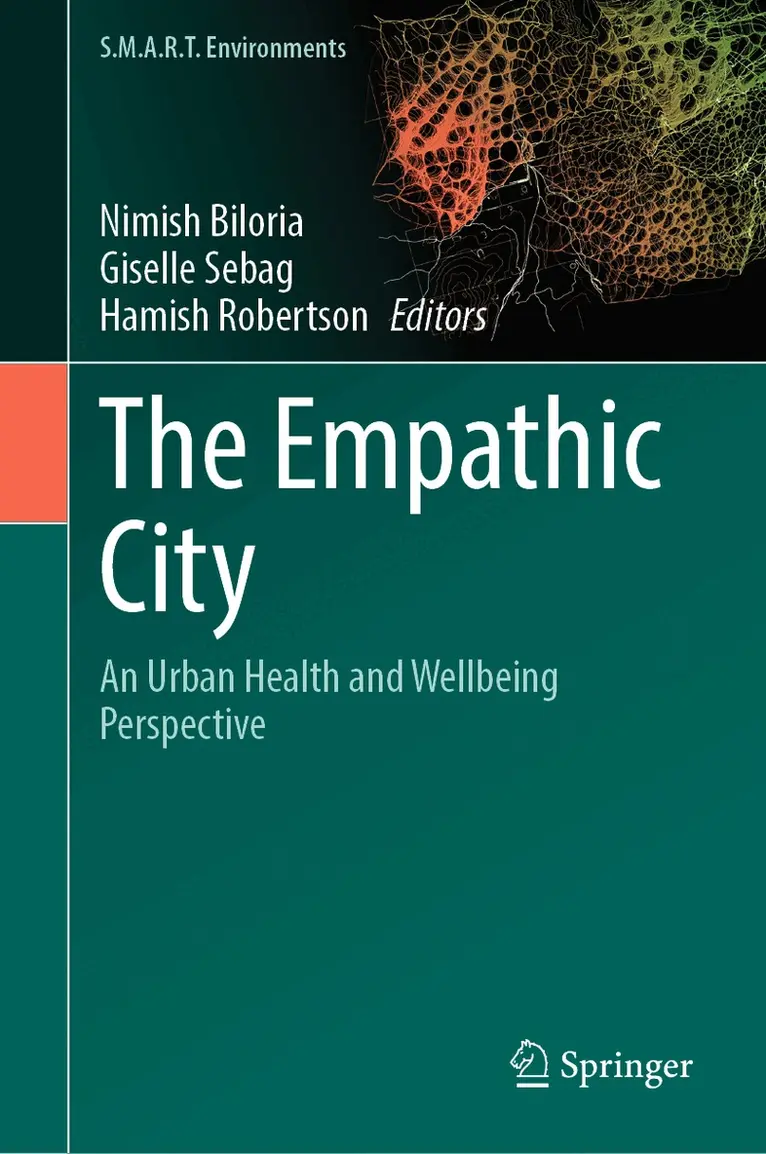
The book also differs from a typical conference proceeding or a non-peer reviewed book since the book’s highly theme specific approach is curated by a scientific peer review committee to carefully maintain diversity of contributions to the book.
1 516 kr
Skickas inom 10-15 vardagar
The book also differs from a typical conference proceeding or a non-peer reviewed book since the book’s highly theme specific approach is curated by a scientific peer review committee to carefully maintain diversity of contributions to the book.
1 840 kr
Skickas inom 10-15 vardagar
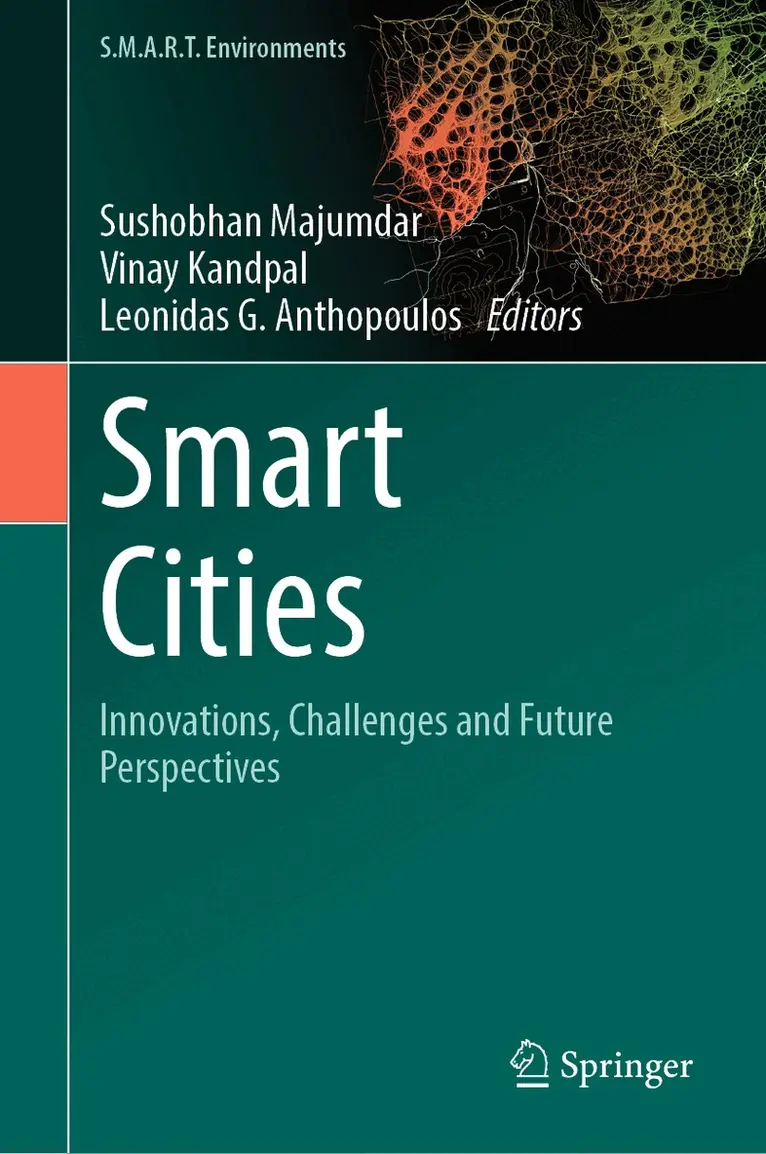
This book aims to integrate new technologies and adaptation tools into the process of smart city planning. It also emphasizes the value and importance of modern technologies such as IoT and data science as a smart technology for the formation of a smart city. The authors believe that various technologies in a smart city will reduce all the problems for the sustainable growth and future prospects of the city.The first section of this book discusses the innovation of new technologies (AI, data science, block chain, etc.) that has flourished in recent decades which will make the city smarter. This section also describes that block chain and IoT (Internet of Things) are two transformative technologies that can greatly impact smart cities by enhancing security, improving transparency, and enabling efficient management of resources.The second section of the book explains about the uses of AI tools and smart technologies (like waste management, public safety and security) for the development and management of smart cities. This chapter also describes AI-powered systems that are integrated into smart buildings to optimize energy usage, enhance occupant comfort, and improve building management. These systems can adjust lighting and HVAC settings based on occupancy, learn user preferences, and provide personalized energy efficiency recommendations.The third portion of the book investigates the recent challenges and barriers of smart city that have been faced by the smart cities in the recent decades. This section also describes various challenges and barriers for the implementation of IoT sensor, AI technologies, etc., for the formation of a smart city. The future prospects of a smart city are the main theme of the last chapter. In this section, an attempt has been made about the future vision and outlook of the smart city. This chapter also describes different approaches (like smart grid, societal smart city, smart city model, etc.) for the future planning and management of the city.
1 840 kr
Skickas inom 10-15 vardagar
This book aims to integrate new technologies and adaptation tools into the process of smart city planning. It also emphasizes the value and importance of modern technologies such as IoT and data science as a smart technology for the formation of a smart city. The authors believe that various technologies in a smart city will reduce all the problems for the sustainable growth and future prospects of the city.The first section of this book discusses the innovation of new technologies (AI, data science, block chain, etc.) that has flourished in recent decades which will make the city smarter. This section also describes that block chain and IoT (Internet of Things) are two transformative technologies that can greatly impact smart cities by enhancing security, improving transparency, and enabling efficient management of resources.The second section of the book explains about the uses of AI tools and smart technologies (like waste management, public safety and security) for the development and management of smart cities. This chapter also describes AI-powered systems that are integrated into smart buildings to optimize energy usage, enhance occupant comfort, and improve building management. These systems can adjust lighting and HVAC settings based on occupancy, learn user preferences, and provide personalized energy efficiency recommendations.The third portion of the book investigates the recent challenges and barriers of smart city that have been faced by the smart cities in the recent decades. This section also describes various challenges and barriers for the implementation of IoT sensor, AI technologies, etc., for the formation of a smart city. The future prospects of a smart city are the main theme of the last chapter. In this section, an attempt has been made about the future vision and outlook of the smart city. This chapter also describes different approaches (like smart grid, societal smart city, smart city model, etc.) for the future planning and management of the city.