South on Screen Series – serie
1 574 kr
Läs direkt efter köp
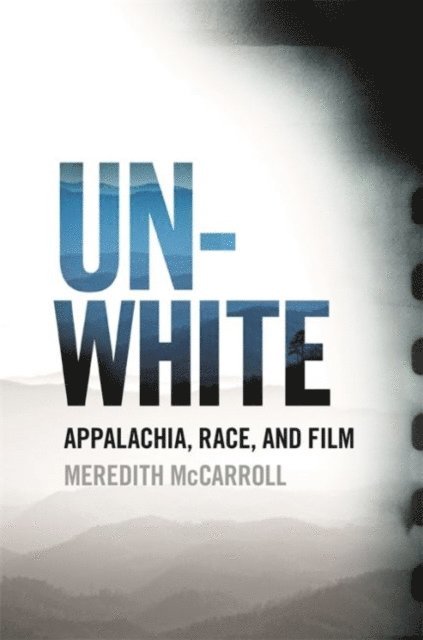
Appalachia resides in the American imagination at the intersections of race and class in a very particular way, in the tension between deep historic investments in seeing the region as “pure white stock” and as deeply impoverished and backward. Meredith McCarroll’s Unwhite analyzes the fraught location of Appalachians within the southern and American imaginaries, building on studies of race in literary and cinematic characterizations of the American South. Not only do we know what “rednecks” and “white trash” are, McCarroll argues, we rely on the continued use of such categories in fashioning our broader sense of self and other. Further, we continue to depend upon the existence of the region of Appalachia as a cultural construct. As a consequence, Appalachia has long been represented in the collective cultural history as the lowest, the poorest, the most ignorant, and the most laughable community. McCarroll complicates this understanding by asserting that white privilege remains intact while Appalachia is othered through reliance on recognizable nonwhite cinematic stereotypes.Unwhite demonstrates how typical characterizations of Appalachian people serve as foils to set off and define the “whiteness” of the non-Appalachian southerners. In this dynamic, Appalachian characters become the racial other. Analyzing the representation of the people of Appalachia in films such as Deliverance, Cold Mountain, Medium Cool, Norma Rae, Cape Fear, The Killing Season, and Winter’s Bone through the critical lens of race and specifically whiteness, McCarroll offers a reshaping of the understanding of the relationship between racial and regional identities.
1 876 kr
Läs direkt efter köp
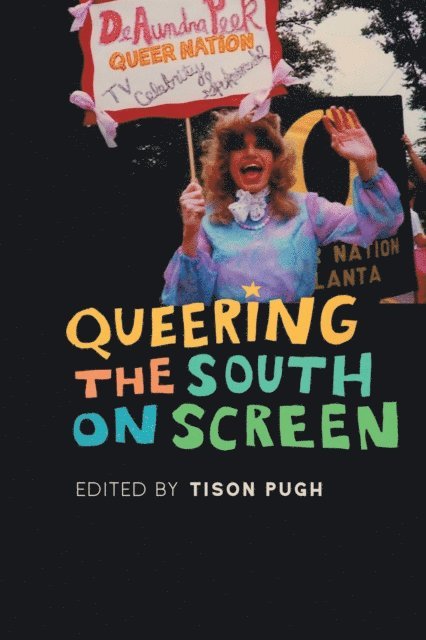
Within the realm of American culture and its construction of its citizenry, geography, and ideology, who are southerners and who are queers, and what is the South and what is queerness? Queering the South on Screen addresses these questions by examining the intersections of queerness, regionalism, and identity depicted in film, television, and other visual media about the South during the twentieth and twenty-first centuries.Southern queers on screen often reflect the fantasy of cultural stereotypes. Editor Tison Pugh contends that when southern queers appear in films and on television, and when southern queers watch these portrayals, the inherent contradictions of these cultural depictions reveal the fault lines of gender, geography, and desire. These underlying schisms point to the infinite, if infrequently portrayed, possibilities of actual queer southern life.Examining a range of materials, including gothic horror films and drag queens on public-access television, the contributors show that queer southerners have always expressed desires for distinctiveness in the making and consumption of visual media. Read together, the introduction and twelve chapters deconstruct premeditated labels of identity such as queer and southern. In doing so, they expose the reflexive nature of these labels to construct ideological fantasies of southerners regardless of the complexity of their lives.