Southern Legal Studies Series – serie
1 084 kr
Läs direkt efter köp
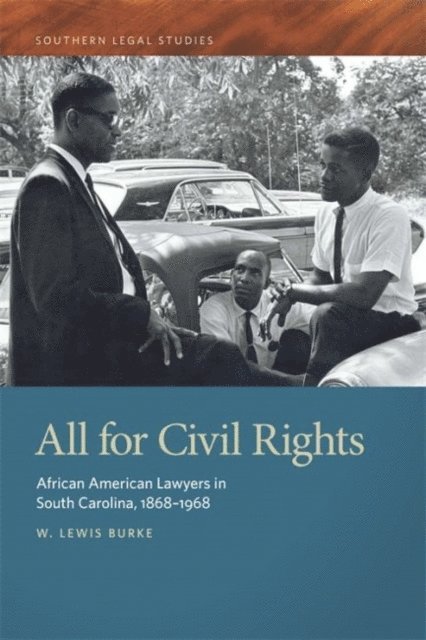
“The history of the black lawyer in South Carolina,” writes W. Lewis Burke, “is one of the most significant untold stories of the long and troubled struggle for equal rights in the state.” Beginning in Reconstruction and continuing to the modern civil rights era, 168 black lawyers were admitted to the South Carolina bar. All for Civil Rights is the first book-length study devoted to those lawyers’ struggles and achievements in the state that had the largest black population in the country, by percentage, until 1930—and that was a majority black state through 1920.Examining court processes, trials, and life stories of the lawyers, Burke offers a comprehensive analysis of black lawyers’ engagement with the legal system. Some of that study is set in the courts and legislative halls, for the South Carolina bar once had the highest percentage of black lawyers of any southern state, and South Carolina was one of only two states to ever have a black majority legislature. However, Burke also tells who these lawyers were (some were former slaves, while others had backgrounds in the church, the military, or journalism); where they came from (nonnatives came from as close as Georgia and as far away as Barbados); and how they were educated, largely through apprenticeship.Burke argues forcefully that from the earliest days after the Civil War to the heyday of the modern civil rights movement, the story of the black lawyer in South Carolina is the story of the civil rights lawyer in the Deep South. Although All for Civil Rights focuses specifically on South Carolinians, its argument about the legal shift in black personhood from the slave era to the 1960s resonates throughout the South.
1 224 kr
Läs direkt efter köp
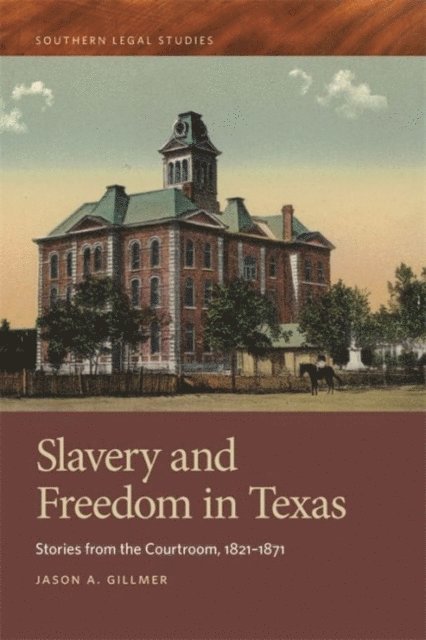
In these absorbing accounts of five court cases, Jason A. Gillmer offers intimate glimpses into Texas society in the time of slavery. Each story unfolds along boundaries—between men and women, slave and free, black and white, rich and poor, old and young—as rigid social orders are upset in ways that drive people into the courtroom.One case involves a settler in a rural county along the Colorado River, his thirty-year relationship with an enslaved woman, and the claims of their children as heirs. A case in East Texas arose after an owner refused to pay an overseer who had shot one of her slaves. Another case details how a free family of color carved out a life in the sparsely populated marshland of Southeast Texas, only to lose it all as waves of new settlers “civilized” the county. An enslaved woman in Galveston who was set free in her owner’s will—and who got an uncommon level of support from her attorneys—is the subject of another case. In a Central Texas community, as another case recounts, citizens forced a Choctaw native into court in an effort to gain freedom for his slave, a woman who easily “passed” as white.The cases considered here include Gaines v. Thomas, Clark v. Honey, Brady v. Price, and Webster v. Heard. All of them pitted communal attitudes and values against the exigencies of daily life in an often harsh place. Here are real people in their own words, as gathered from trial records, various legal documents, and many other sources. People of many colors, from diverse backgrounds, weave their way in and out of the narratives. We come to know what mattered most to them—and where those personal concerns stood before the law.