Specialty Topics in Pediatric Neuropsychology – serie
Visar alla böcker i serien Specialty Topics in Pediatric Neuropsychology. Handla med fri frakt och snabb leverans.
6 produkter
6 produkter
1 094 kr
Skickas inom 10-15 vardagar
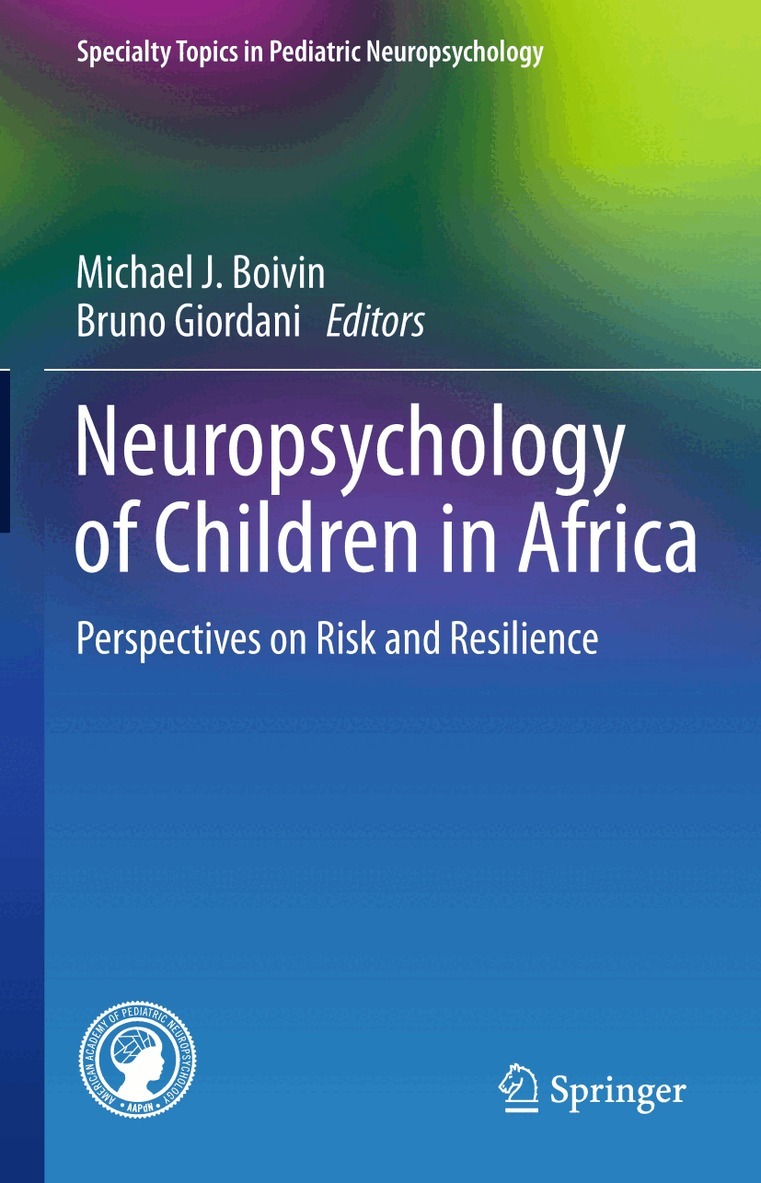
Increasingly, global humanitarian efforts are focusing on improving the lives of children. And among the developing world, the African nations are particularly affected by extreme weather conditions, devastating pandemics, and armed conflict. Neurocognitive science offers significant avenues toward bringing needed aid to the continent while creating a template for helping children worldwide. The studies in Neuropsychology of Children in Africa clearly illustrate how the brain develops and adjusts in the face of adversity. Contributors span assessment approaches and public health risk factors, and represent established topics and emerging lines of research, including biocultural constructs and genomic technologies. Together, these chapters argue for methodology that is culturally sensitive, scientifically rigorous, consistent, and sustainable. And although the focus is pediatric, the book takes a lifespan approach to prevention and intervention, modeling a universal framework for understanding neurocognitive development. Included in the coverage:Assessment of very young children in Africa in the context of HIV.Psychosocial aspects of malnutrition among African children.Assessment of neuropsychological outcomes in pediatric severe malaria.Neurodisability screening using the Ten Questions questionnaire.The neuropsychology of sickle cell disease in West African children.Computerized Cognitive Rehabilitation Therapy for African children. As a guide to current findings or a springboard for new studies, Neuropsychology of Children in Africa is a necessary reference for researchers, policymakers, and diverse professionals in global aid organizations, and across the discipline.
2 397 kr
Skickas inom 10-15 vardagar
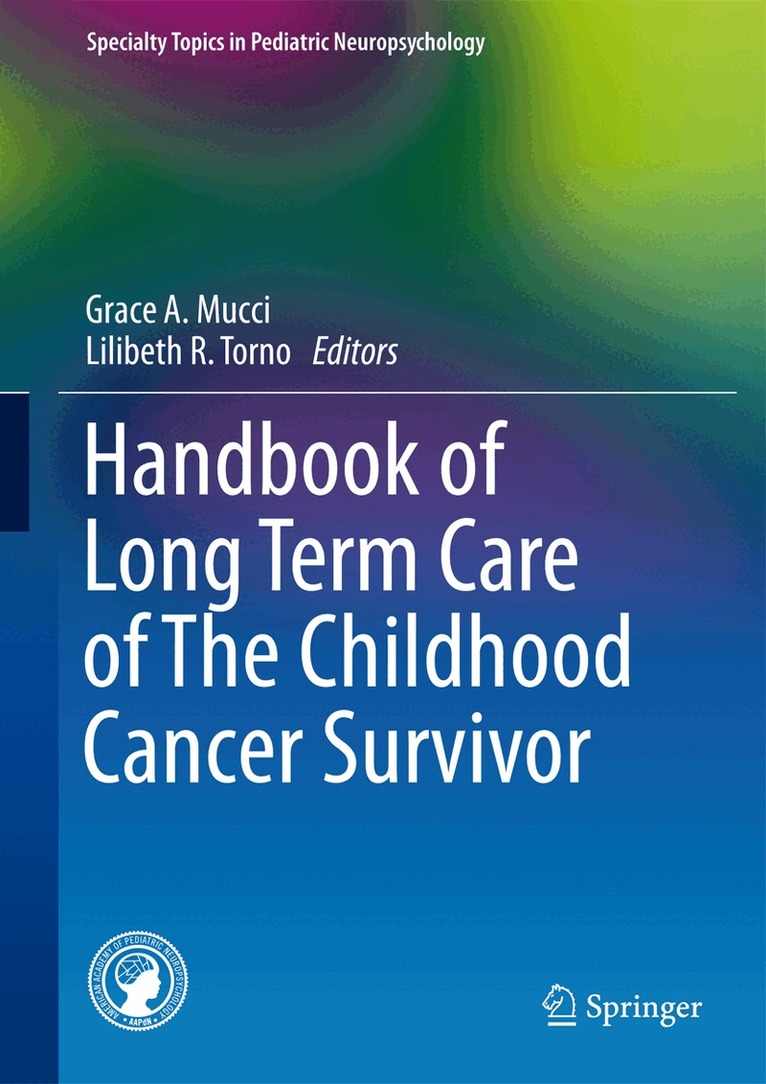
This authoritative reference examines in depth the myriad challenges facing pediatric cancer survivors and proposes a robust framework for structured follow-up of these patients through adulthood. Approaches to long-term follow-up include both established models of care and targeted models of lifelong surveillance of late effects by bodily systems and neurological outcomes. Sections devoted to quality of life and re-entry after treatment focus on key concerns such as health risk behaviors, school and career issues, psychological challenges, and care disparities. And a robust resources section adds extra usefulness to the expert coverage. Among the Handbook's topics:•Developmental considerations in the transition from child and adolescent to adult survivorship. •Long-term follow-up roadmaps by disease and treatment. •Neuropsychological effects of pediatric brain tumors and associated treatment. •Building resiliency in childhood cancer survivors: aclinician’s perspective. •School issues and educational strategies for survivors of childhood cancer. •Educating and preparing the childhood cancer survivor for long-term care: a curriculum model for cancer centers. A work of rare scope, scholarship, and clinical acumen, the Handbook of Long-Term Care of the Childhood Cancer Survivor is a rewarding, practice-building resource essential to a wide range of healing professionals, including primary care physicians, pediatricians, oncologists, nurses, psychologists, neuropsychologists, child psychologists, and licensed therapists.
2 397 kr
Skickas inom 10-15 vardagar
This authoritative reference examines in depth the myriad challenges facing pediatric cancer survivors and proposes a robust framework for structured follow-up of these patients through adulthood. Approaches to long-term follow-up include both established models of care and targeted models of lifelong surveillance of late effects by bodily systems and neurological outcomes. Sections devoted to quality of life and re-entry after treatment focus on key concerns such as health risk behaviors, school and career issues, psychological challenges, and care disparities. And a robust resources section adds extra usefulness to the expert coverage. Among the Handbook's topics:•Developmental considerations in the transition from child and adolescent to adult survivorship. •Long-term follow-up roadmaps by disease and treatment. •Neuropsychological effects of pediatric brain tumors and associated treatment. •Building resiliency in childhood cancer survivors: aclinician’s perspective. •School issues and educational strategies for survivors of childhood cancer. •Educating and preparing the childhood cancer survivor for long-term care: a curriculum model for cancer centers. A work of rare scope, scholarship, and clinical acumen, the Handbook of Long-Term Care of the Childhood Cancer Survivor is a rewarding, practice-building resource essential to a wide range of healing professionals, including primary care physicians, pediatricians, oncologists, nurses, psychologists, neuropsychologists, child psychologists, and licensed therapists.
1 094 kr
Skickas inom 10-15 vardagar
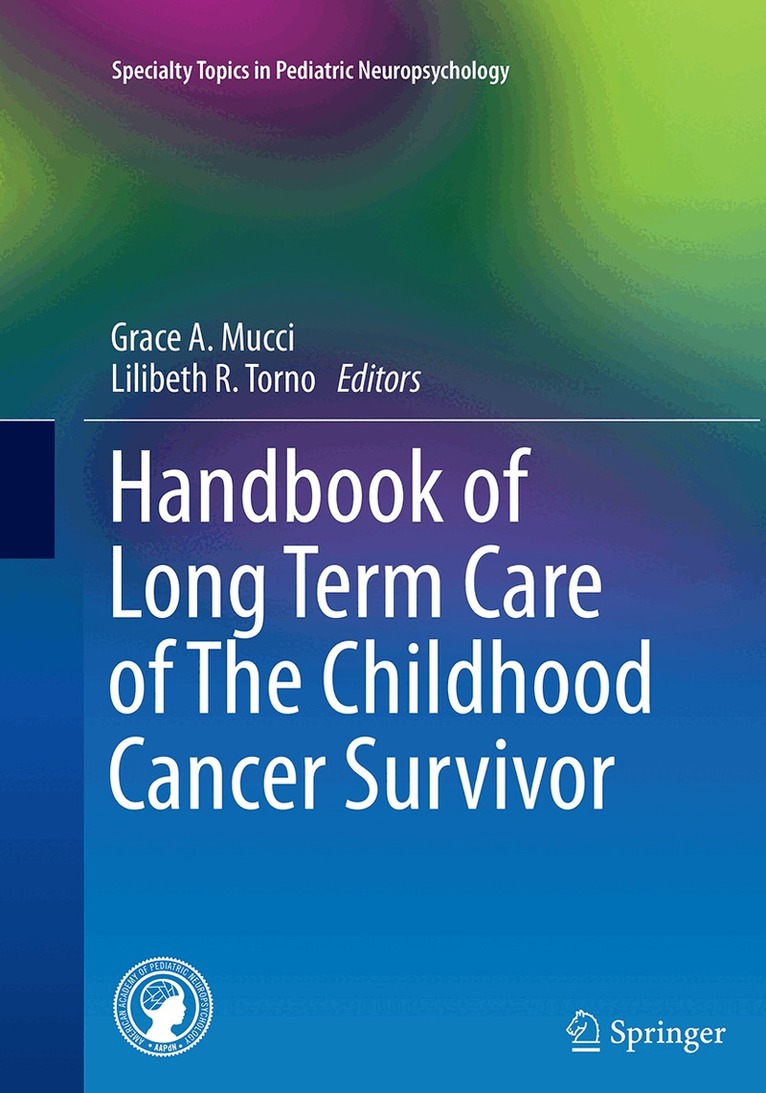
Increasingly, global humanitarian efforts are focusing on improving the lives of children. And among the developing world, the African nations are particularly affected by extreme weather conditions, devastating pandemics, and armed conflict. Neurocognitive science offers significant avenues toward bringing needed aid to the continent while creating a template for helping children worldwide. The studies in Neuropsychology of Children in Africa clearly illustrate how the brain develops and adjusts in the face of adversity. Contributors span assessment approaches and public health risk factors, and represent established topics and emerging lines of research, including biocultural constructs and genomic technologies. Together, these chapters argue for methodology that is culturally sensitive, scientifically rigorous, consistent, and sustainable. And although the focus is pediatric, the book takes a lifespan approach to prevention and intervention, modeling a universal framework for understanding neurocognitive development. Included in the coverage:Assessment of very young children in Africa in the context of HIV.Psychosocial aspects of malnutrition among African children.Assessment of neuropsychological outcomes in pediatric severe malaria.Neurodisability screening using the Ten Questions questionnaire.The neuropsychology of sickle cell disease in West African children.Computerized Cognitive Rehabilitation Therapy for African children. As a guide to current findings or a springboard for new studies, Neuropsychology of Children in Africa is a necessary reference for researchers, policymakers, and diverse professionals in global aid organizations, and across the discipline.
876 kr
Skickas inom 10-15 vardagar
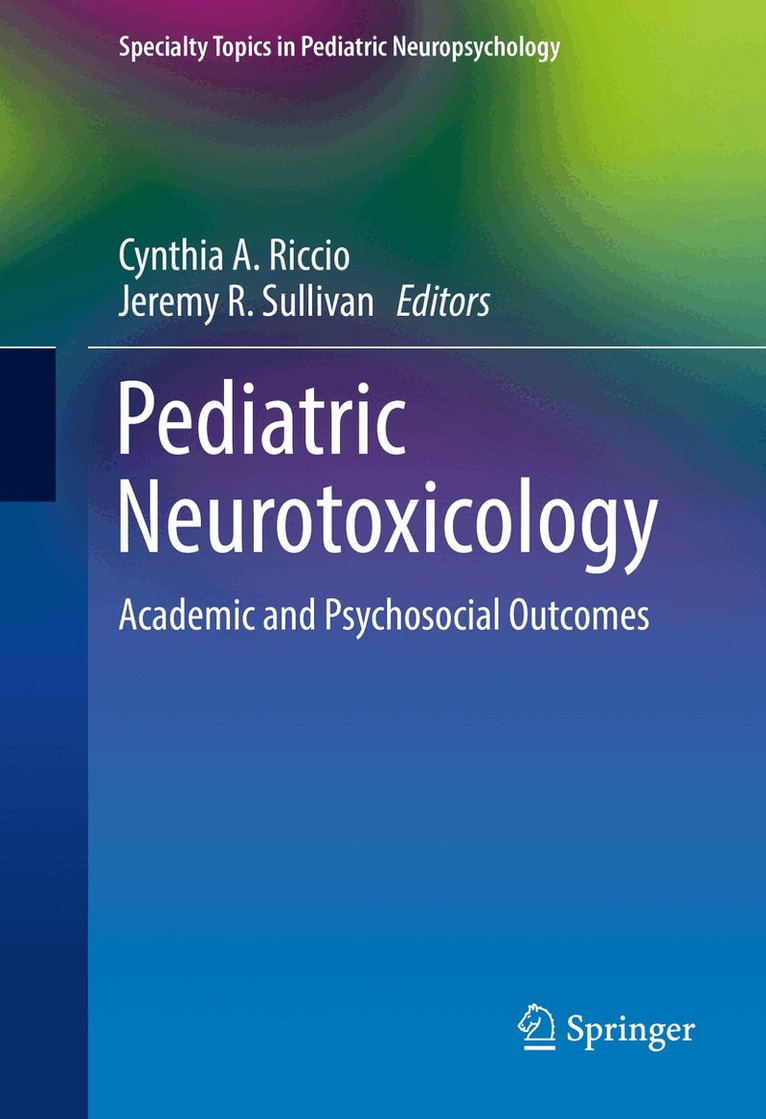
This book focuses on children and the impact of neurotoxins on the developing brain to guide the practice of psychologists working with children in clinical and school settings. Each chapter covers a distinct neurotoxin or group of neurotoxins, with particular emphasis on the impact of the neurotoxin exposure on the developing brain and long-term cognitive and psychosocial outcomes. This is more complex than studying neurotoxins with adults because of the rapid development occurring in the child's brain. Further, children are more susceptible than adults to the effects of neurotoxins due to their developmental status. Many of the effects discussed in this volume occur in utero, thus setting the stage for an altered developmental trajectory.
626 kr
Skickas inom 10-15 vardagar
This book focuses on children and the impact of neurotoxins on the developing brain to guide the practice of psychologists working with children in clinical and school settings.