Spirituality and Mental Health – serie
Visar alla böcker i serien Spirituality and Mental Health. Handla med fri frakt och snabb leverans.
12 produkter
12 produkter
Häftad, Engelska, 2017
220 kr
Skickas inom 11-20 vardagar
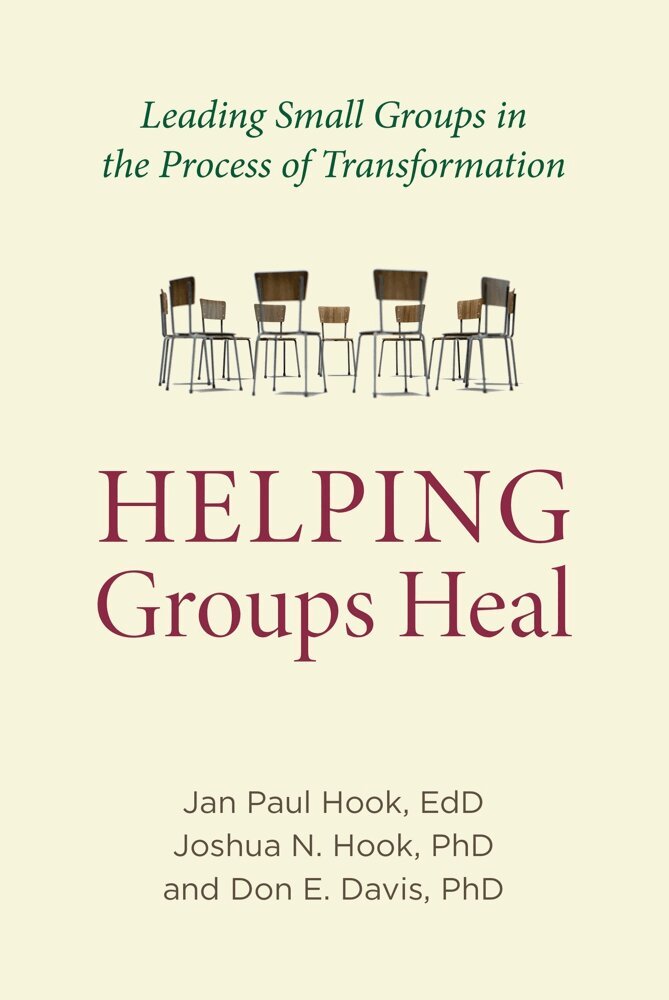
Life with others is messy. The bonds we form are often the source that drives us to helping professionals like therapists and pastors in the first place. And yet, it is from these relationships that our greatest moments of healing spring. Recognizing the value of relationships, pastors and therapists have been leading small therapeutic groups for years. Yet few leaders have a specific, easy-to-follow, and researched framework to structure their groups.Helping Groups Heal presents “The Healing Cycle,” a grace-based model that facilitates healing and growth in groups. It has been tested with a variety of settings, and can be adapted to nearly any small group, from sex addiction therapy to marriage therapy to Bible studies.The basic components of “The Healing Cycle” are grace, safety, vulnerability, truth, ownership, and confession. Helping Groups Heal guides the reader through these elements, offering case studies and practical advice from the voices of researchers and practitioners. Each chapter shows how “The Healing Cycle” moves its members to share their truth, own it, and make positive change in their lives. Each step of the process allows participants to move past surface issues and find depth in their understanding of their pain.Whether you have been leading small groups for years or are about to lead your first session, Helping Groups Heal is an accessible, easy-to-follow guide through “The Healing Cycle” that will give each group member what’s needed to grow, relate, and heal.
Häftad, Engelska, 2016
234 kr
Skickas inom 5-8 vardagar
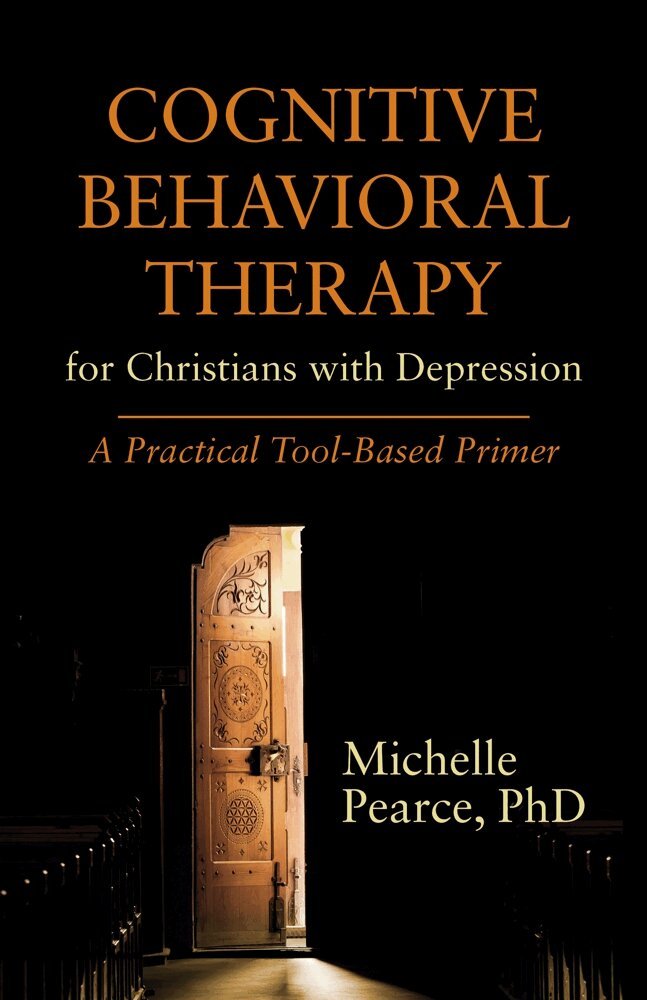
Does religion belong in psychotherapy? For anyone in the helping profession, whether as mental health professional or religious leader, this question is bound to arise. Many mental health professionals feel uncomfortable discussing religion. In contrast, many religious leaders feel uncomfortable referring their congregants to professionals who do not know their faith or intent to engage with it. And yet Michelle Pearce, PhD, assistant professor and clinical psychologist at the Center for Integrative Medicine at the University of Maryland, argues that if religion is essential to a client, religion will be a part of psychotherapy, whether it is discussed or not. Clients cannot check their values at the door more than the professionals who treat them. To Pearce, the question isn’t really, “does religion belong?” but rather, “how can mental health professionals help their religious clients engage with and use their faith as a healing resource in psychotherapy?” Cognitive Behavioral Therapy for Christian Clients with Depression is the answer to that question, as the book’s purpose is to educate mental health professionals and pastoral counselors about religion’s role in therapy, as well as equip them to discuss religious issues and use evidence-based, religiously-integrated tools with Christian clients experiencing depression. In this book, readers will find the following resources in an easy-to-use format: An overview of the scientific benefits of integrating clients’ religious beliefs and practices in psychotherapy An organizing therapeutic approach for doing Christian CBT Seven tools specific to Christian CBT to treat depression Suggested dialogue for therapists to introduce concepts and tools Skill-building activity worksheets for clients Clinical examples of Christian CBT and the seven tools in action Practitioners will learn the helpful (and sometimes not so beneficial) role a person’s Christian faith can play in psychotherapy. They will be equipped to discuss religious issues and use religiously-integrated tools in their work. At the same time, clergy will learn how Christianity can be integrated into an evidence-based secular mental health treatment for depression, which is sure to increase their comfort level for making referrals to mental health practitioners who provide this form of treatment. Cognitive Behavioral Therapy for Christian Clients with Depression is a practical guide for mental health professionals and pastoral counselors who want to learn how to use Christian-specific CBT tools to treat depression in their Christian clients.
Häftad, Engelska, 2020
241 kr
Skickas inom 5-8 vardagar
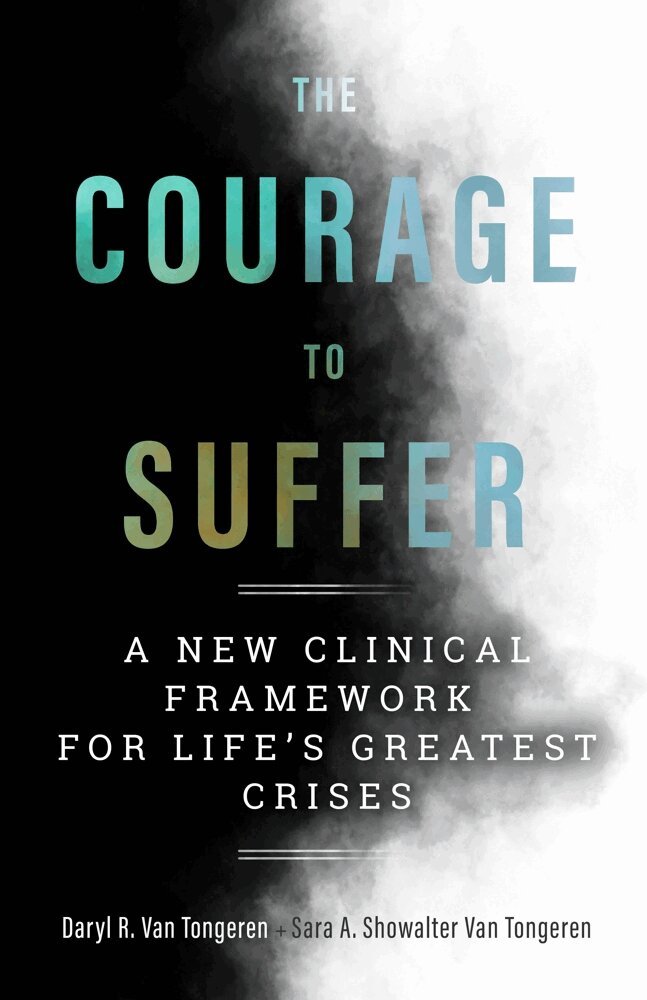
Suffering is an inescapable part of life. Some suffering is so profound, so violating, or so dogged that it fundamentally changes people in indelible ways. Many existing therapeutic approaches, from a medical model, treat suffering as mental illness and seek a curative solution. However, such approaches often fail to examine the deep questions that suffering elicits (e.g., existential themes of death, isolation, freedom, identity, and meaninglessness) and the far-reaching ways in which suffering affects the lived experience of each individual.In The Courage to Suffer, Daryl and Sara Van Tongeren introduce a new therapeutic framework that helps people flourish in the midst of suffering by cultivating meaning.Drawing from scientific research, clinical examples, existential and positive psychology, and their own personal stories of loss and sorrow, Daryl and Sara’s integrative model blends the rich depth of existential clinical approaches with the growth focus of strengths-based approaches.Through cutting edge-research and clinical case examples, they detail five “phases of suffering” and how to work with a client's existential concerns at each phase to develop meaning. They also discuss how current research suggests to build a flourishing life, especially for those who have endured, and are enduring, suffering.Daryl and Sara show how those afflicted with suffering, while acknowledging the reality of their pain, can still choose to live with hope.
Häftad, Engelska, 2019
241 kr
Skickas inom 5-8 vardagar
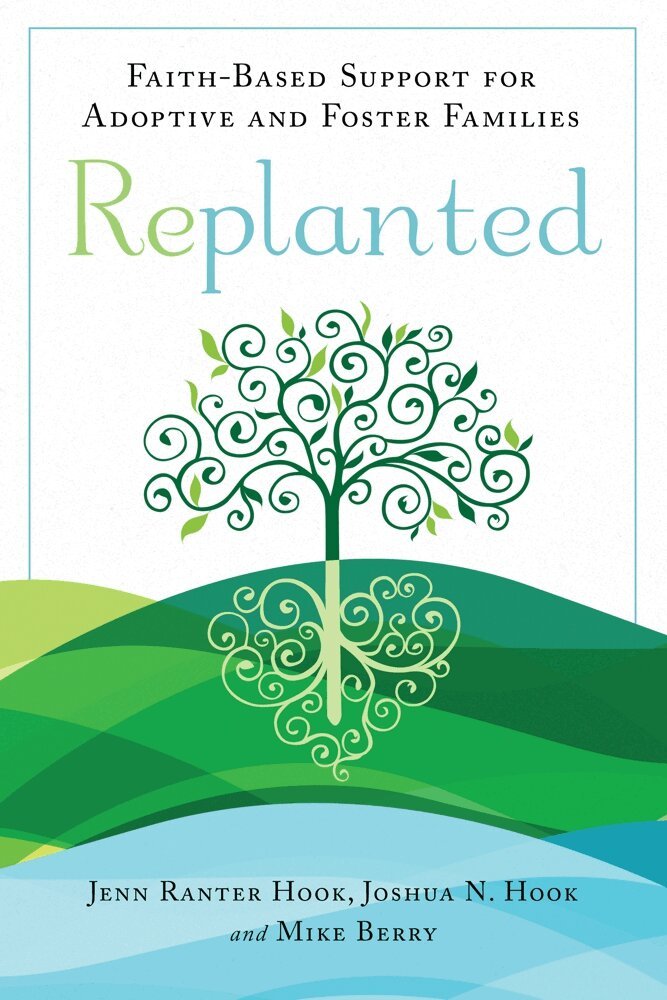
Many people embark on the journey of adoption and foster care but are unprepared for the challenges that await them along the way. Replanted takes an honest look at the joys and hardships that come with choosing this journey and provides a model of faith-based support made up of three parts to help families thrive: Soil, Sunlight, and Water. Soil, or emotional support, addresses the need for grace-filled settings where families can connect with other families who understand their experience. Sunlight, or informational support, focuses on obtaining helpful training to raise children who may have unique needs or challenges. Water, or tangible support, deals with concrete resources such as medical care, child care, and financial support. Throughout the book, the Replanted model is brought to life by stories and examples based on the clinical work and personal experiences of the authors. Their candid insight will serve families who are actively involved in adoption or foster care, as well as people who are eager to help support those families.Replanted affirms that with the right support system in place, parents can answer this sacred call not only with open hearts but also with their eyes wide open.
Häftad, Engelska, 2019
227 kr
Skickas inom 5-8 vardagar
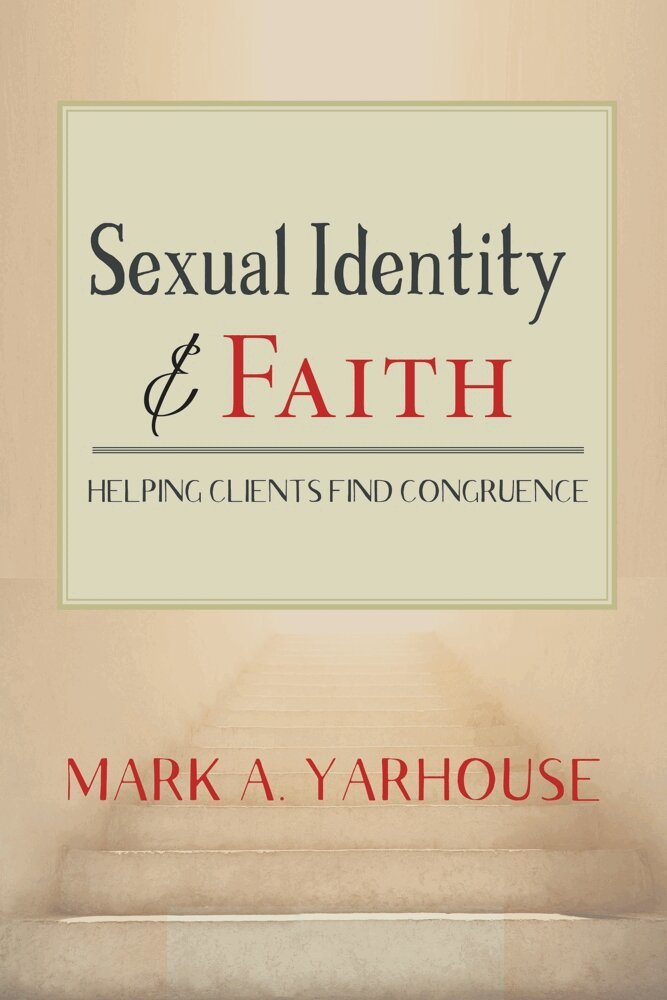
Christians who struggle with a conflict between their sexual and religious identities have few therapeutic options available to them. ‘Sexual orientation change efforts’ (SOCE) have rightly fallen out of favor and are no longer practiced by most clinicians. At the same time, the common approach of gay affirmative therapy (GAT) can at times present challenges and may not be a good fit when clients hold to conventional religious beliefs and values.An alternative to these methods is Sexual Identity Therapy (SIT)-an approach that aims to provide individuals with a safe therapeutic space to explore the tension between their sexuality and their faith. Working within the SIT framework, clients are able to resolve their inner conflict to their personal satisfaction and to freely choose a coherent identity that enables them to move forward in life.SIT has several stages, each designed to enable the client to make meaning out of his or her same-sex sexuality. At no point in the process is the client encouraged to choose one sexual identity over another. The ultimate goal of SIT is congruence. Congruence is achieved when a person freely adopts an identity and lives it out in ways that are in keeping with his or her beliefs and values. The SIT model is brought to life throughout the book with the help of case studies drawn from the author’s 20 years of experience.Written for both Christian and non-religious clinicians, Sexual Identity and Faith is an informed, respectful, and nuanced guide to help people navigate the difficult conflict between who they are sexually and what they believe religiously.
Häftad, Engelska, 2021
226 kr
Skickas inom 11-20 vardagar
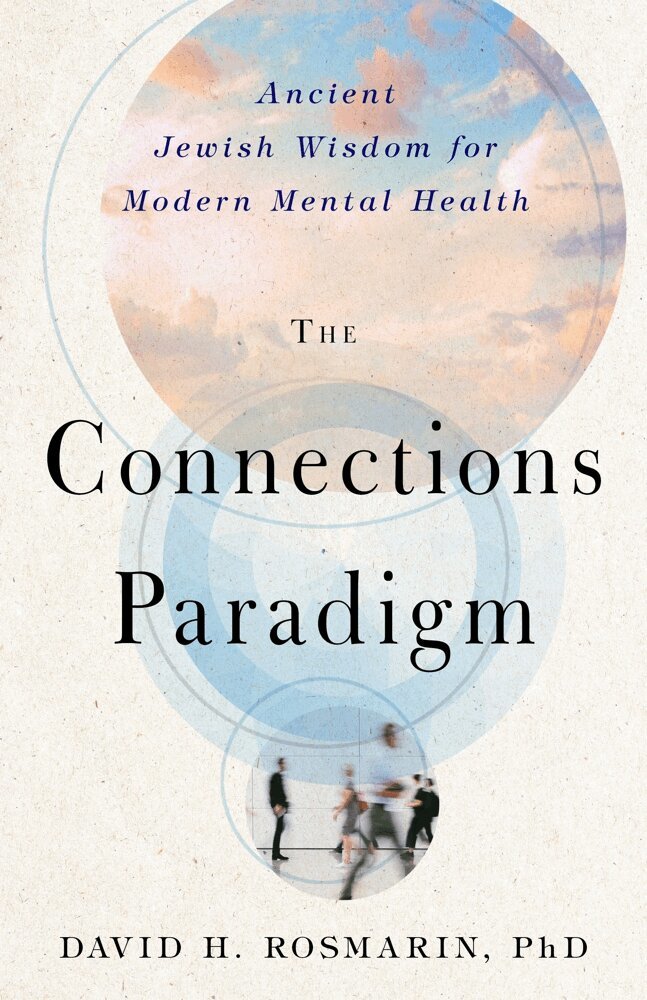
This book introduces an approach to mental health that dates back 3,000 years to an ancient body of Jewish spiritual wisdom. Known as the Connections Paradigm, the millennia-old method has been empirically shown to alleviate symptoms of stress, anxiety, and depression. After being passed down from generation to generation and tested in clinical settings with private clients, it is presented to a broad audience for the first time.The idea behind the paradigm is that at any given moment, human beings are either “connected” or “disconnected” across three key relationships. To be “connected” means to be in a loving, harmonious, and fulfilling relationship; to be “disconnected” means, of course, the opposite. The three relationships are those between our souls and our bodies, ourselves and others, and ourselves and God.These relationships are hierarchal; each depends on the one that precedes it. This means that we can only connect with God to the extent that we associate with others, and we cannot connect with others if we don’t connect with ourselves. The author, Dr. David H. Rosmarin, devotes a section to each relationship and describes techniques and practices to become a more connected individual. He also brings in compelling stories from his clinical practice to show the process in action.Whether you’re a clinician working with clients, or a person seeking the healing balm of wisdom; whether you’re a member of the Jewish faith, or a person open to new spiritual perspectives, you will find this book sensible, practical, and timely because, for all of us, connection leads to mental health.
Häftad, Engelska, 2019
278 kr
Skickas inom 3-6 vardagar
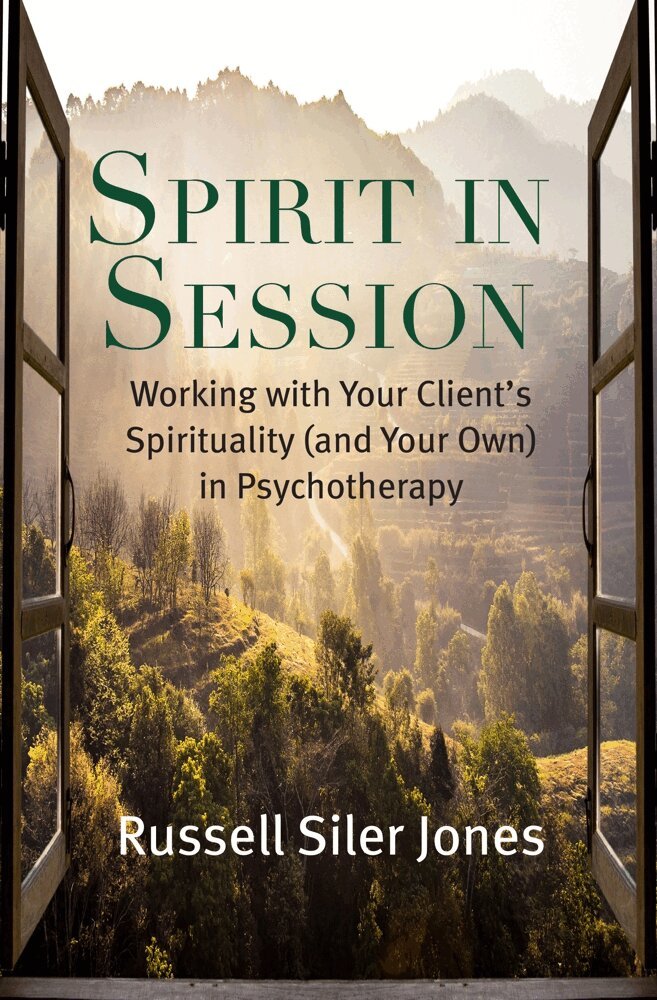
Spirituality is an important part of many clients’ lives. It can be a resource for stabilization, healing, and growth. It can also be the cause of struggle and even harm. More and more therapists-those who consider themselves spiritual and those who do not-recognize the value of addressing spirituality in therapy and increasing their skill for engaging it ethically and effectively.In this immensely practical book, Russell Siler Jones helps therapists feel more competent and confident about having spiritual conversations with clients. With a refreshing, down-to-earth style, he describes how to recognize the diverse explicit and implicit ways spirituality can appear in psychotherapy, how to assess the impact spirituality is having on clients, how to make interventions to maximize its healthy impact and lessen its unhealthy impact, and how therapists can draw upon their own spirituality in ethical and skillful ways. He includes extended case studies and clinical dialogue so readers can hear how spirituality becomes part of case conceptualization and what spiritual conversation actually sounds like in psychotherapy.Jones has been a therapist for nearly 30 years and has trained therapists in the use of spirituality for over a decade. He writes about a complex topic with an elegant simplicity and provides how-to advice in a way that encourages therapists to find their own way to apply it.Spirit in Session is a pragmatic guide that therapists will turn to again and again as they engage their clients in one of the most meaningful and consequential dimensions of human experience.
Inbunden, Engelska, 2020
354 kr
Skickas inom 5-8 vardagar
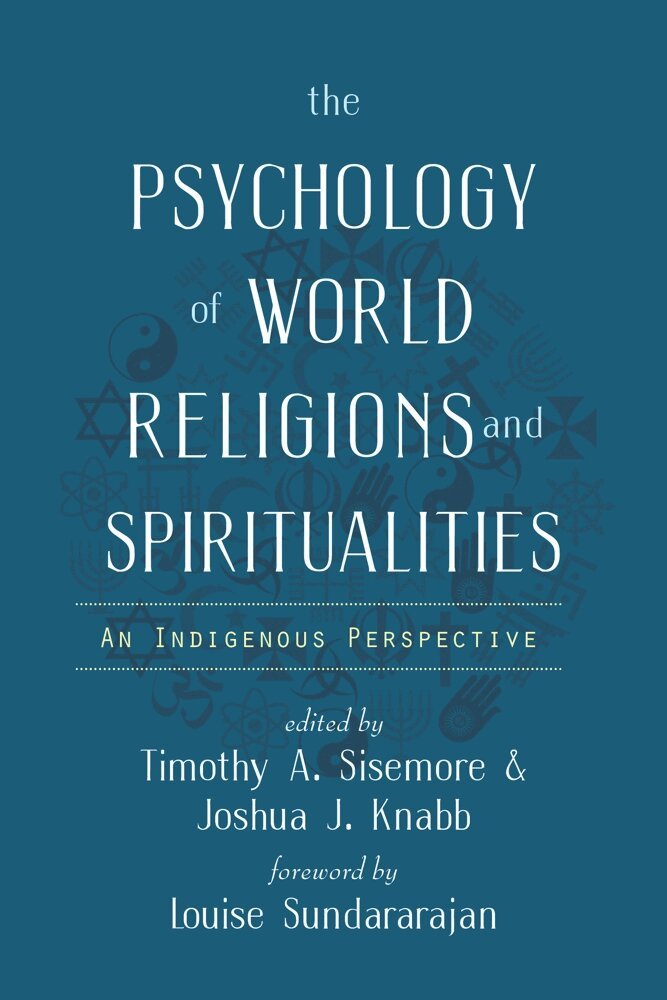
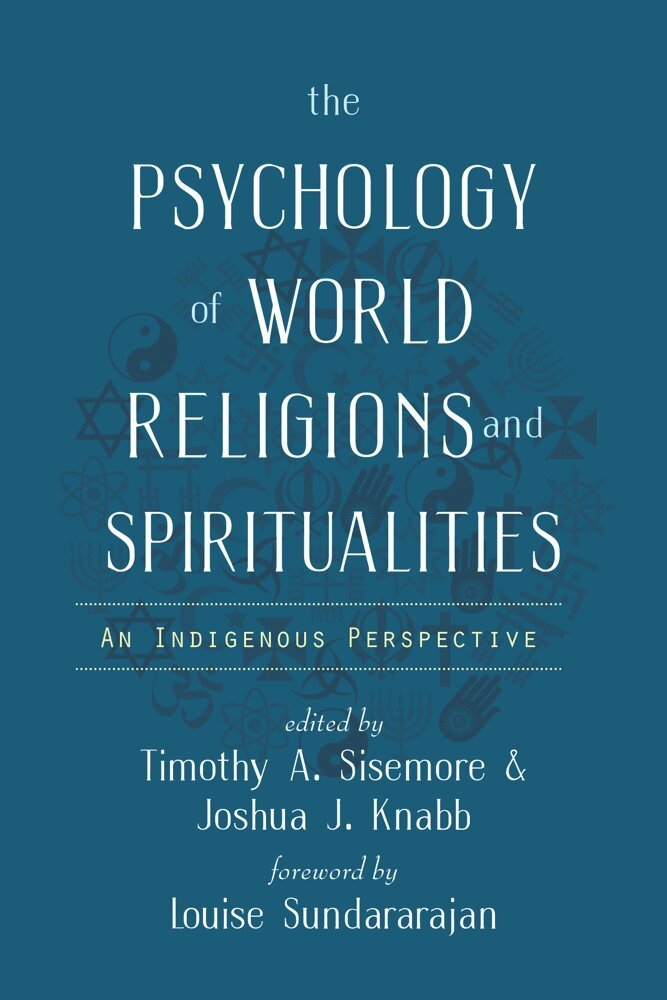
This compendium of introductory essays invites scholars and clinicians to better understand people of various faiths from around the world. It is intended to correct the tendency among scientists to study religious behavior without accounting for its human dimension. For example: a psychologist describes a religious ceremony in a certain community as a "sociological phenomenon." Such a technical description is likely to strike members of that community as an attempt by science to explain away their beliefs. This is counterproductive. In order to work effectively and empathetically with people of faith, psychologists should seek an intimate knowledge of how religion operates in the hearts and minds of living, breathing human beings. With this goal in mind, editors Timothy Sisemore and Joshua Knabb have made one of the world’s major religions the subject of a separate chapter. In addition, they have arranged for each chapter to be written by a psychologist who practices-or is culturally connected with-that religion. This marks the book’s unique contribution to the field: it is the product of people who have lived the world’s religions, not merely studied them. By taking such a respectful approach, the book promotes an appreciation for the ways that religious belief animates, inspires, and instructs its adherents. Moreover, the indigenous point-of-view of these essays will help scholars identify their own biases when researching religious groups, allowing them to produce more accurate and holistic analyses. Psychologists understand that religion and spirituality provide meaning and purpose to billions of people around the globe. But the actual experience of these beliefs eludes the grasp of the reductionistic methods of science. With this resource at their side, psychologists in academic and clinical settings will be equipped to understand religious experience from the bottom-up, and honor the beliefs and practices of the people they are trying to help.
Häftad, Engelska, 2021
214 kr
Skickas inom 5-8 vardagar
Research tells us that when most people suffer from a mental health crisis, the first person they turn to for help is not a physician, a psychiatrist, or a social worker, but a pastor, a priest, or a minister. In other words, a leader in their church. Unfortunately, many church leaders are not trained to recognize mental illness and don’t know when to refer someone to a mental health professional. The consequence-unintended yet tragic-is continued and unnecessary suffering.Madness and Grace is a comprehensive guide for church ministry to alleviate this situation. Written by Dr. Matthew Stanford, the book is carefully constructed to help build competency in detecting a wide spectrum of mental disorders, such as knowing when a person is contemplating suicide based on telltale patterns of speech. It also explodes common discriminatory myths that stigmatize people with mental illness, such as the myth that they are more prone to violence than others.Dr. Stanford has treated clients throughout his career who were afflicted with all manner of mental disorders. In Madness and Grace, he takes the full extent of his experience and makes it accessible and actionable for the lay reader. He begins by explaining what constitutes a mental illness and how these disorders are classified according to science. He next teaches how to notice the presence of a mental illness by listening carefully to phraseology, observing behavior, and asking discerning questions. He goes on to discuss methods of treatment, common religious concerns about mental health, and ways church communities can support people on the road to recovery.As a Christian, Dr. Stanford wants his fellow believers to know that acknowledging and seeking help for a mental illness is not a sign of weak faith. That’s why, in addition to sharing his medical expertise with church leaders, he commends pertinent biblical passages that underscore God’s concern for our mental wellbeing. These passages provide strength and comfort as complements to clinically-derived treatment and are essential to Dr. Stanford’s approach. “When working with those in severe psychological distress,” he writes, “compassion and grace are always the first line of pastoral care.”
Inbunden, Engelska, 2025
300 kr
Skickas inom 5-8 vardagar
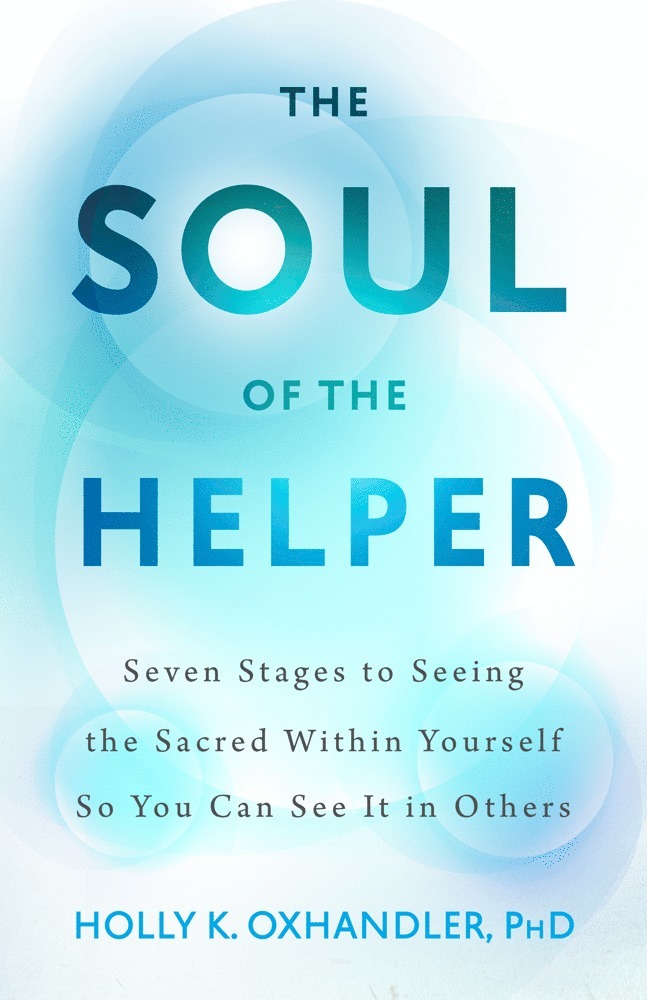
There are many kinds of helpers in our world, the caregivers among us. They are the social workers who serve the vulnerable, the nurses and doctors who treat the ill, the teachers who instruct the young, the first responders who rescue the imperiled, the faith leaders who comfort the congregation, the volunteers who support the community. And whether or not it is our professional calling, each of us is likely to serve as a caregiver at some point in our lives, as a parent raising a child, for instance, or as a loved one caring for an aging relative. These and many other efforts to serve are among the most noble pursuits we can imagine, but they come with a danger worth recognizing. In their devotion to the well-being of others, caregivers routinely put their own well-being last and can unintentionally burn themselves out physically, emotionally, and spiritually. Their self-neglect, paired alongside a deep desire to help others, has the potential to stir up feelings of anger and resentment, leading to a sense of guilt and shame. They often believe that if they were to grant themselves any rest or grace, they would be at risk of failing in their duty. In The Soul of the Helper, Dr. Holly Oxhandler shows caregivers and fellow helpers a more self-compassionate way to cope with their overwhelming responsibilities and to attend to their own needs, particularly when it comes to their mental health and spiritual journey. She invites them to pause and realize that if they let their personal resources run dry, they cannot possibly care for others as fully as they wish. In fact, their efforts are likely to cause more harm than good. With a background in spiritually-integrated mental health, Dr. Oxhandler teaches helpers a seven-step process to slow down and reconnect with the stillness within themselves. It is in this space of stillness that Oxhandler guides helpers to reconnect with the “sacred spark” within their soul. By allowing themselves to enter that stillness, caregivers will recognize that they, too, are worthy of care. And with that realization, they will see anew the sacred spark that dwells inside everyone else, especially within those they’re helping.As a social worker, researcher, and person of faith, Dr. Oxhandler writes in a warm and welcoming style, shares many relatable stories, and widens her scope to include believers of all faiths and spiritual traditions. Her book is for caregivers everywhere who sense the sacred spark within them saying, in effect: “Come to me, all you who are weary and burdened, and I will give you rest.”
Inbunden, Engelska, 2022
300 kr
Skickas inom 5-8 vardagar
This engaging collection presents thirty essays by Muslim chaplains reflecting on their experiences as spiritual caregivers. Through their first-hand accounts, they impart how they skillfully apply the mercy and compassion of the Prophet Muhammad to the people in their care. They also share how their faith informs their service, how they navigate the obstacles of a predominantly Christian profession, and how they administer to the spiritual needs of people of different faiths or of no faith at all.Working in a variety of settings-including hospitals, prisons, universities, and the armed forces-Muslim chaplains encounter unique challenges on a daily basis, requiring them to call upon the resources of their Islamic faith with wisdom and tenderness. The contributors to this volume explore these circumstances vividly and honestly. Their personal stories are instructive of how Islamic principles can be employed with spiritual insight to bring strength and comfort to the sick and suffering.
Häftad, Engelska, 2021
207 kr
Skickas inom 5-8 vardagar
This compendium of introductory essays invites scholars and clinicians to better understand people of various faiths from around the world. It is intended to correct the tendency among scientists to study religious behavior without accounting for its human dimension. For example: a psychologist describes a religious ceremony in a certain community as a "sociological phenomenon." Such a technical description is likely to strike members of that community as an attempt by science to explain away their beliefs. This is counterproductive. In order to work effectively and empathetically with people of faith, psychologists should seek an intimate knowledge of how religion operates in the hearts and minds of living, breathing human beings. With this goal in mind, editors Timothy Sisemore and Joshua Knabb have made one of the world’s major religions the subject of a separate chapter. In addition, they have arranged for each chapter to be written by a psychologist who practices-or is culturally connected with-that religion. This marks the book’s unique contribution to the field: it is the product of people who have lived the world’s religions, not merely studied them. By taking such a respectful approach, the book promotes an appreciation for the ways that religious belief animates, inspires, and instructs its adherents. Moreover, the indigenous point-of-view of these essays will help scholars identify their own biases when researching religious groups, allowing them to produce more accurate and holistic analyses. Psychologists understand that religion and spirituality provide meaning and purpose to billions of people around the globe. But the actual experience of these beliefs eludes the grasp of the reductionistic methods of science. With this resource at their side, psychologists in academic and clinical settings will be equipped to understand religious experience from the bottom-up, and honor the beliefs and practices of the people they are trying to help.