Springer Series in Social Work and Social Change – serie
Visar alla böcker i serien Springer Series in Social Work and Social Change. Handla med fri frakt och snabb leverans.
4 produkter
4 produkter
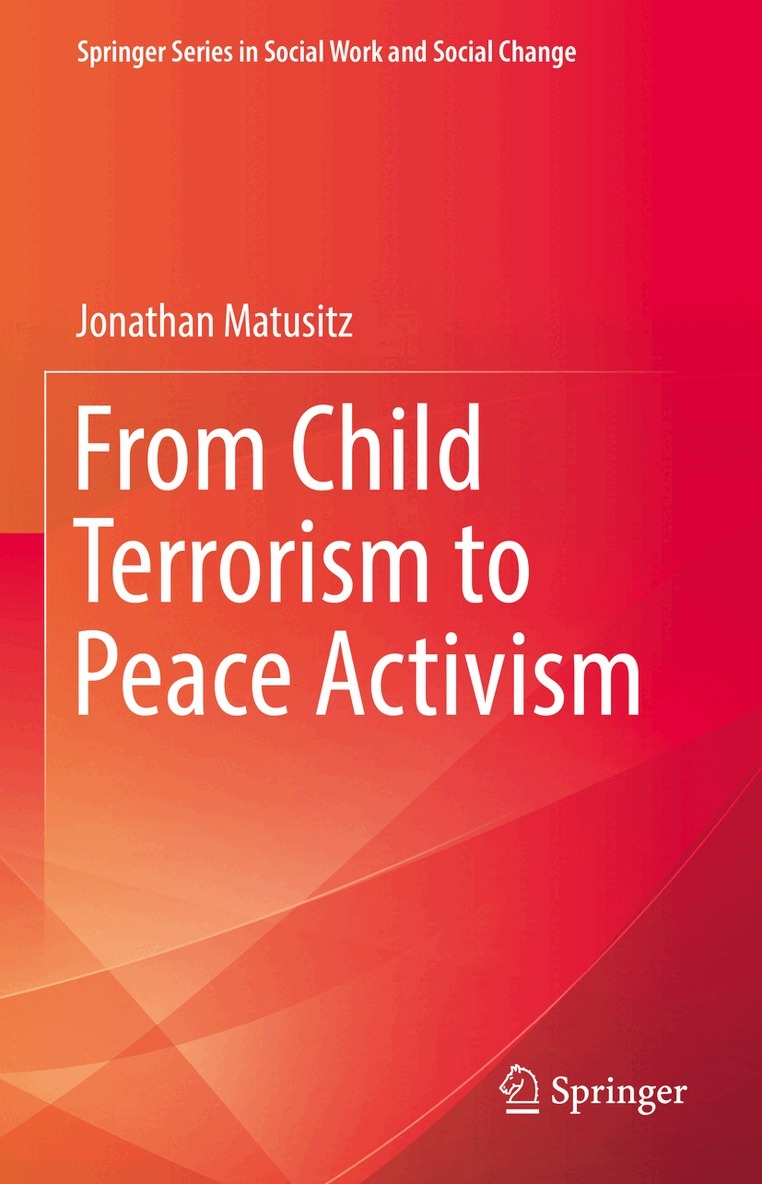
Inbunden, Engelska, 2022
1 060 kr
Skickas inom 10-15 vardagar
This book examines the reasons for which children join terrorist movements and how they eventually become peace activists fighting the very crimes that they once committed. The transformation of child terrorists into peace activists has received scant attention from academics and practitioners alike. Particular focus is placed on child jihadism, child terrorism in Africa and Latin America, child separatist terrorism, and White child supremacism. These five groups of child terrorists represent about 80% of the problem across the world. The text serves as a primer for anti-terrorism and peace activism for global social change. It includes original, applied research and features personal accounts from former child terrorists who became peace activists themselves. One of the nine chapters provides an in-depth thematic analysis of the lives of 24 subjects (from all five aforementioned groups). The analysis produced four main themes that encapsulate the time and effort that it takes to become a peace activist today: metamorphosis, terrorist behavior, disillusionment, and anti-terrorist behavior. The book ends with multiple solutions from the perspective of social work, including the reintegration of former child terrorists into society.From Child Terrorism to Peace Activism is a resource of deep and broad appeal. The text is essential reading for upper-level undergraduate and Master’s students in political science, military studies, international relations, international law, and peace and conflict studies. It can be pertinent reading for students and instructors in international social work contemplating social work-related solutions to rehabilitate former child terrorists and child soldiers into society through peace activism, anti-terrorist endeavors, and other socio-psychological methods that will produce social change. The text also would appeal to faculty and students in childhood studies with an interest in child terrorism, child development, and child trauma and resilience. Given the essentials, depth, and possibilities that the book offers, it is a useful resource for audiences within counterterrorism institutes, national security agencies, and academic think-tanks. Information on motives, strategies, radicalization processes, and recruitment methods used by terrorist organizations as well as their effects on various audiences will draw readers from law enforcement agencies and institutions.
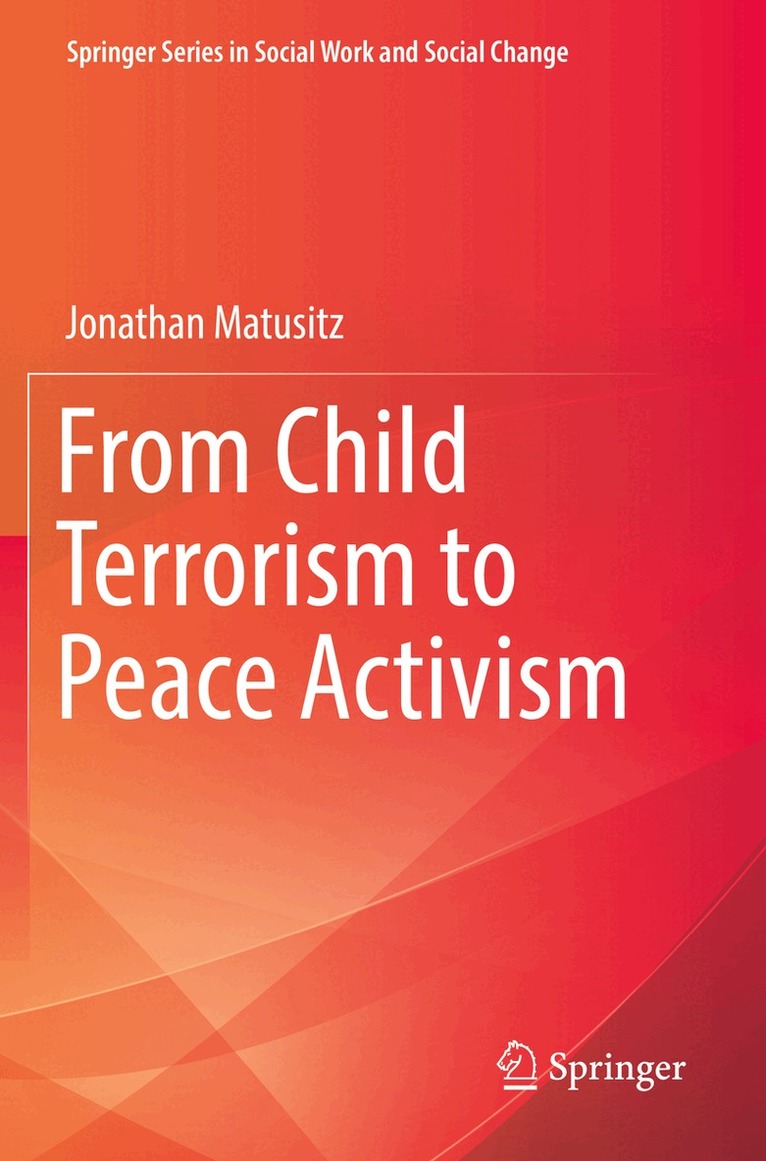
Häftad, Engelska, 2023
902 kr
Skickas inom 10-15 vardagar
This book examines the reasons for which children join terrorist movements and how they eventually become peace activists fighting the very crimes that they once committed. The transformation of child terrorists into peace activists has received scant attention from academics and practitioners alike. Particular focus is placed on child jihadism, child terrorism in Africa and Latin America, child separatist terrorism, and White child supremacism. These five groups of child terrorists represent about 80% of the problem across the world. The text serves as a primer for anti-terrorism and peace activism for global social change. It includes original, applied research and features personal accounts from former child terrorists who became peace activists themselves. One of the nine chapters provides an in-depth thematic analysis of the lives of 24 subjects (from all five aforementioned groups). The analysis produced four main themes that encapsulate the time and effort that it takes to become a peace activist today: metamorphosis, terrorist behavior, disillusionment, and anti-terrorist behavior. The book ends with multiple solutions from the perspective of social work, including the reintegration of former child terrorists into society.From Child Terrorism to Peace Activism is a resource of deep and broad appeal. The text is essential reading for upper-level undergraduate and Master’s students in political science, military studies, international relations, international law, and peace and conflict studies. It can be pertinent reading for students and instructors in international social work contemplating social work-related solutions to rehabilitate former child terrorists and child soldiers into society through peace activism, anti-terrorist endeavors, and other socio-psychological methods that will produce social change. The text also would appeal to faculty and students in childhood studies with an interest in child terrorism, child development, and child trauma and resilience. Given the essentials, depth, and possibilities that the book offers, it is a useful resource for audiences within counterterrorism institutes, national security agencies, and academic think-tanks. Information on motives, strategies, radicalization processes, and recruitment methods used by terrorist organizations as well as their effects on various audiences will draw readers from law enforcement agencies and institutions.
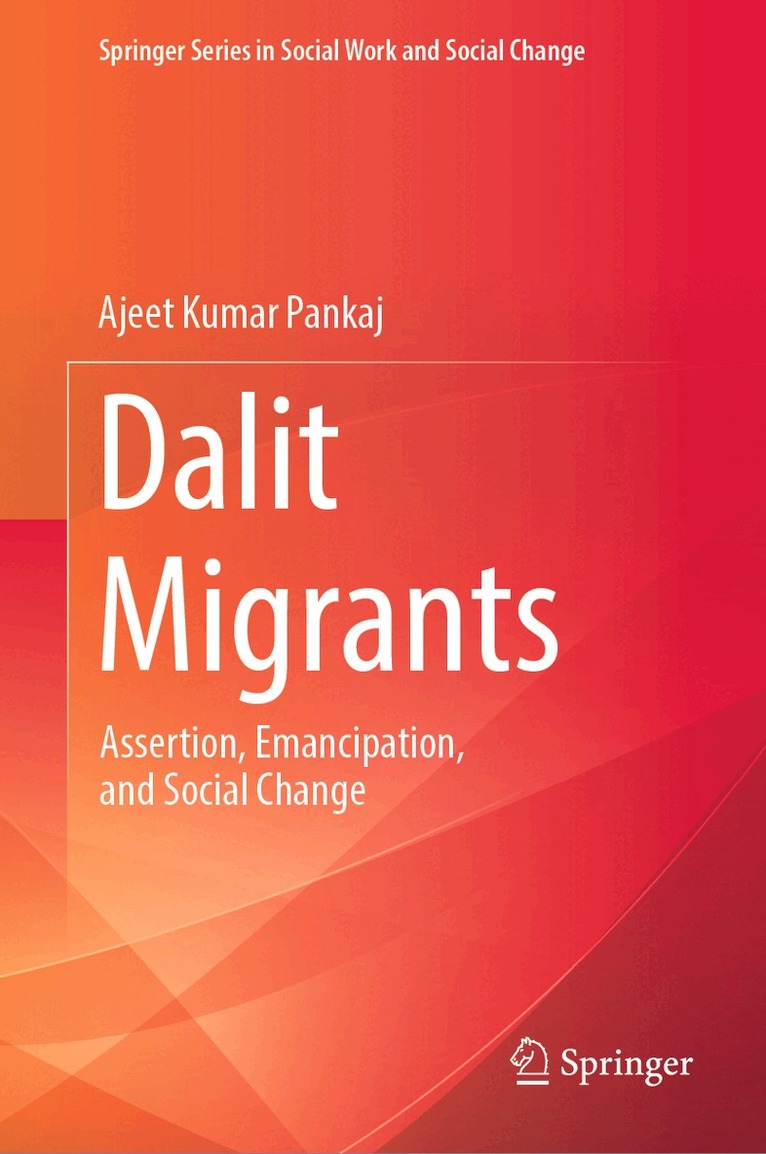
Inbunden, Engelska, 2023
1 201 kr
Skickas inom 10-15 vardagar
This book offers a detailed narrative of Dalit migrants' everyday experience in urban areas with regard to the availability and accessibility of welfare services and state institutions. It discusses caste, specifically the identity of integration for Dalit migrants and the social work profession to integrate a marginalized community. Further, the book also highlights social, political, cultural, and economic changes among Dalit migrants in cities.The book traces the trajectory of Dalit migrants and captures their mobility from rural to urban areas, which is a complex economic and social phenomenon. In consideration of this complexity, the author explores the process of migration in its finer details through a focus on lived experiences of Dalit migrants in cities. Dalits often migrate to cities in search of better employment and livelihood opportunities because their occupations are invariably associated with their caste in villages. This book investigates the role of caste-based identity in Dalit migrants’ emancipation and integration in cities. In addition, the book examines the role of caste in the exclusion of Dalit migrants in cities and explains the dynamic nature of the 'state' and Dalit migrants' assertion.Among the topics covered in the book's seven chapters:Mumbai/Bombay: Migration, Caste, and DalitsCaste and Migration: The City—A Site for ‘Inclusion’ and EmancipationEntitlement, Deprivation, and Basic Services: Everyday Experience of Dalit Migrants with the StateDalit Migrants: Assertion, Emancipation, and Social Change is intended for students, academicians, and researchers in social work, migration studies, labour studies, development studies, population science, and economics. Developmental professionals also will be keen to read the book.
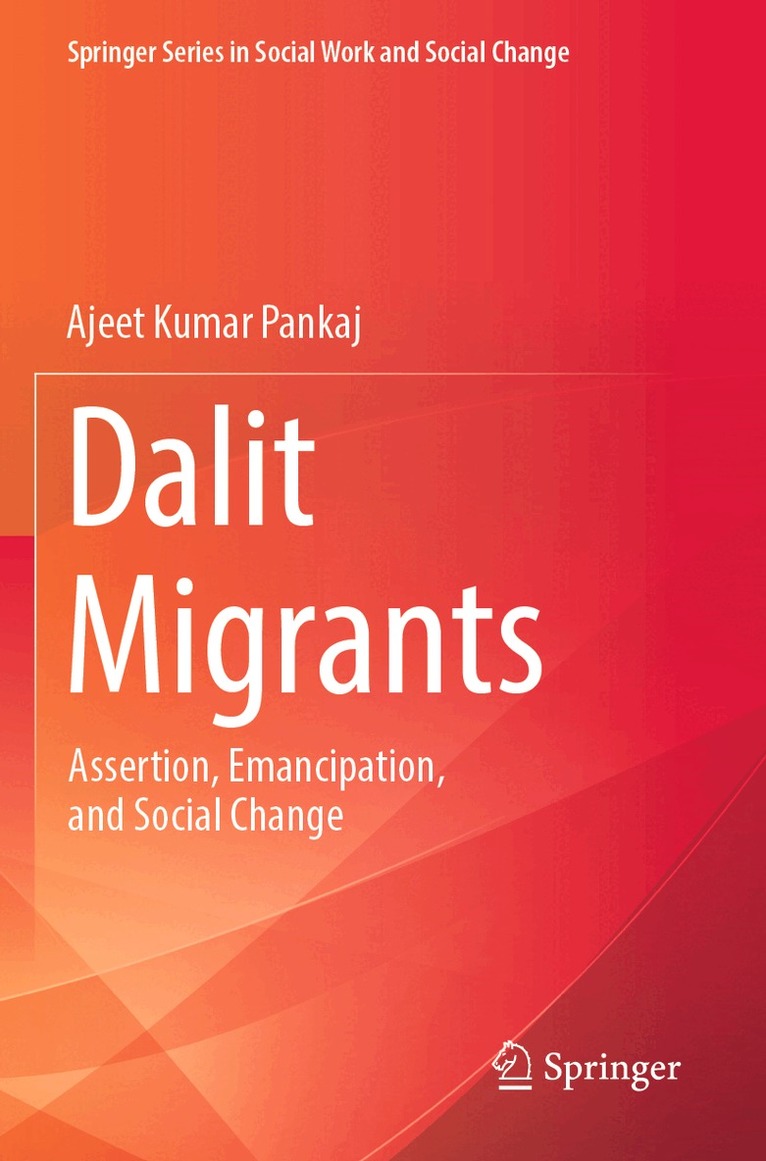
Häftad, Engelska, 2024
1 201 kr
Skickas inom 10-15 vardagar
This book offers a detailed narrative of Dalit migrants' everyday experience in urban areas with regard to the availability and accessibility of welfare services and state institutions. It discusses caste, specifically the identity of integration for Dalit migrants and the social work profession to integrate a marginalized community. Further, the book also highlights social, political, cultural, and economic changes among Dalit migrants in cities.The book traces the trajectory of Dalit migrants and captures their mobility from rural to urban areas, which is a complex economic and social phenomenon. In consideration of this complexity, the author explores the process of migration in its finer details through a focus on lived experiences of Dalit migrants in cities. Dalits often migrate to cities in search of better employment and livelihood opportunities because their occupations are invariably associated with their caste in villages. This book investigates the role of caste-based identity in Dalit migrants’ emancipation and integration in cities. In addition, the book examines the role of caste in the exclusion of Dalit migrants in cities and explains the dynamic nature of the 'state' and Dalit migrants' assertion.Among the topics covered in the book's seven chapters:Mumbai/Bombay: Migration, Caste, and DalitsCaste and Migration: The City—A Site for ‘Inclusion’ and EmancipationEntitlement, Deprivation, and Basic Services: Everyday Experience of Dalit Migrants with the StateDalit Migrants: Assertion, Emancipation, and Social Change is intended for students, academicians, and researchers in social work, migration studies, labour studies, development studies, population science, and economics. Developmental professionals also will be keen to read the book.