SpringerBriefs in Reproductive Biology - Böcker
Visar alla böcker i serien SpringerBriefs in Reproductive Biology. Handla med fri frakt och snabb leverans.
6 produkter
6 produkter
550 kr
Skickas inom 10-15 vardagar
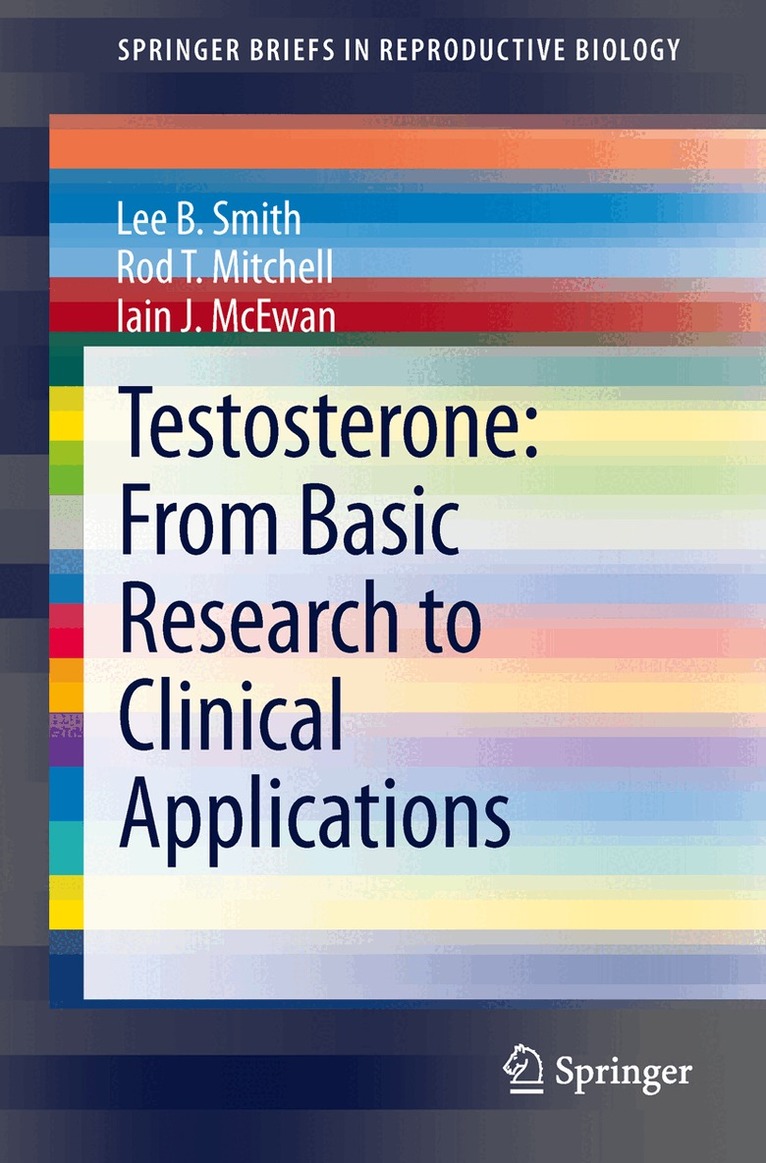
This volume provides a brief résumé of the history of testosterone research, from the early pioneers through to the most recent advances in the field. We discover how steroid hormones were first identified and how testosterone was shown to be essential for male development. Moving forward we explore how and where testosterone is produced, and how the body controls testosterone production. We then investigate the impact testosterone has on different body systems both during their development and function, and how perturbation of testosterone action is associated with disease. We complete our story with an exploration of the emerging roles of testosterone in clinical therapy, and the future potential for manipulation of the testosterone signaling system for human health benefit.
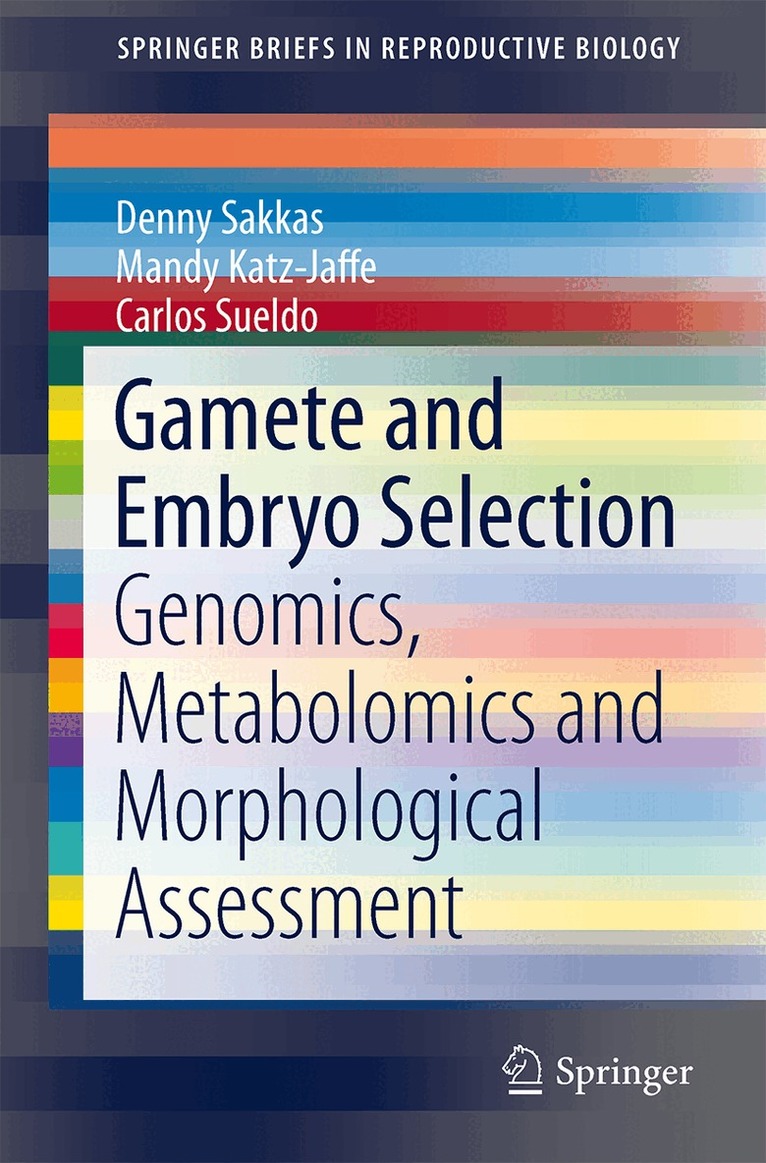
Gamete and Embryo Selection
Genomics, Metabolomics and Morphological Assessment
Häftad, Engelska, 2014
534 kr
Skickas inom 10-15 vardagar
This book provides the Assisted Reproduction Technologies (ART) community an update of the fast approaching novel technologies that may allow improved assessment of the reproductive potential of sperm, oocytes and embryos. The reader has access to concise updates on the rapidly developing diagnostic technologies (genomics, transcriptomics, proteomics and metabolomics) and morphological methods which may help us better assess the gametes and embryos. Methodologies are described which enable selection of the best gamete or embryo by invasive and non-invasive diagnostics, as well as the clinical validity of these techniques.
550 kr
Skickas inom 10-15 vardagar
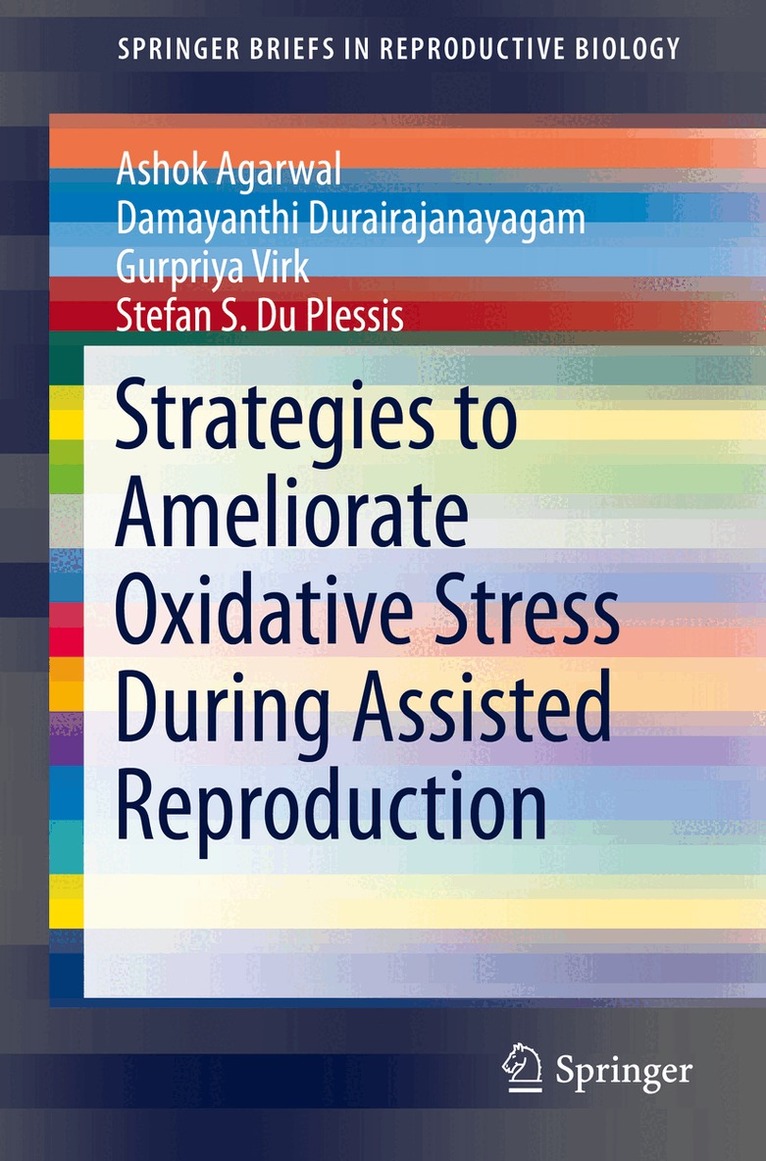
This book discusses the various antioxidants that are in use to overcome oxidative stress in an assisted reproduction setting. Antioxidant therapies may range from enzymatic and non-enzymatic antioxidants, either alone or in combination. While no one antioxidant regime has been identified as effective in improving fertilization and pregnancy rates, antioxidant supplementation has been shown to defend sperm cells from lipid peroxidation and oxidative damage to DNA, and thus improve pregnancy rates. The prevention of oxidative stress and its consequent damage is imperative to ensure a successful outcome of the in vitro fertilization procedure and embryo transfer. Strategies that could be employed to minimize or prevent the detrimental effects of OS during assisted reproduction include supplementation with various types of antioxidants.
605 kr
Skickas inom 10-15 vardagar
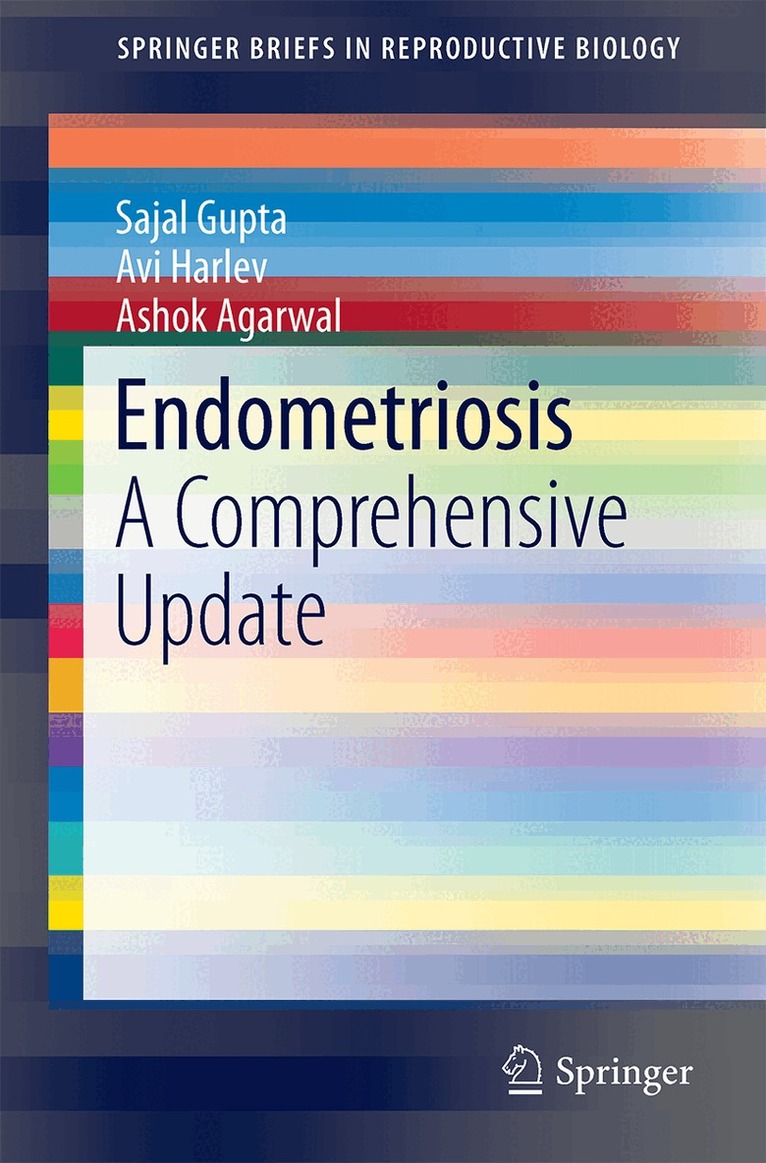
This SpringerBrief provides an update on endometriosis research -- from the underlying mechanisms, predisposing factors, role of environmental pollutants, treatment options, impact on quality of life, and biomarkers, to emerging treatment modalities in order to help clinicians to pursue a patient-centered approach in managing the disease. This book provides clinicians with a better insight into early diagnosis and management of endometriosis. It explores the possible identification of proteins in different types of endometriosis diseases and at different stages of the progression. This may aid in the discovery of potential biomarkers for non-invasive diagnosis of these diseases. The ability to identify a protein, common between women of different races, ages and in different regions of the world will hopefully contribute to improving women’s health worldwide.
550 kr
Skickas inom 10-15 vardagar
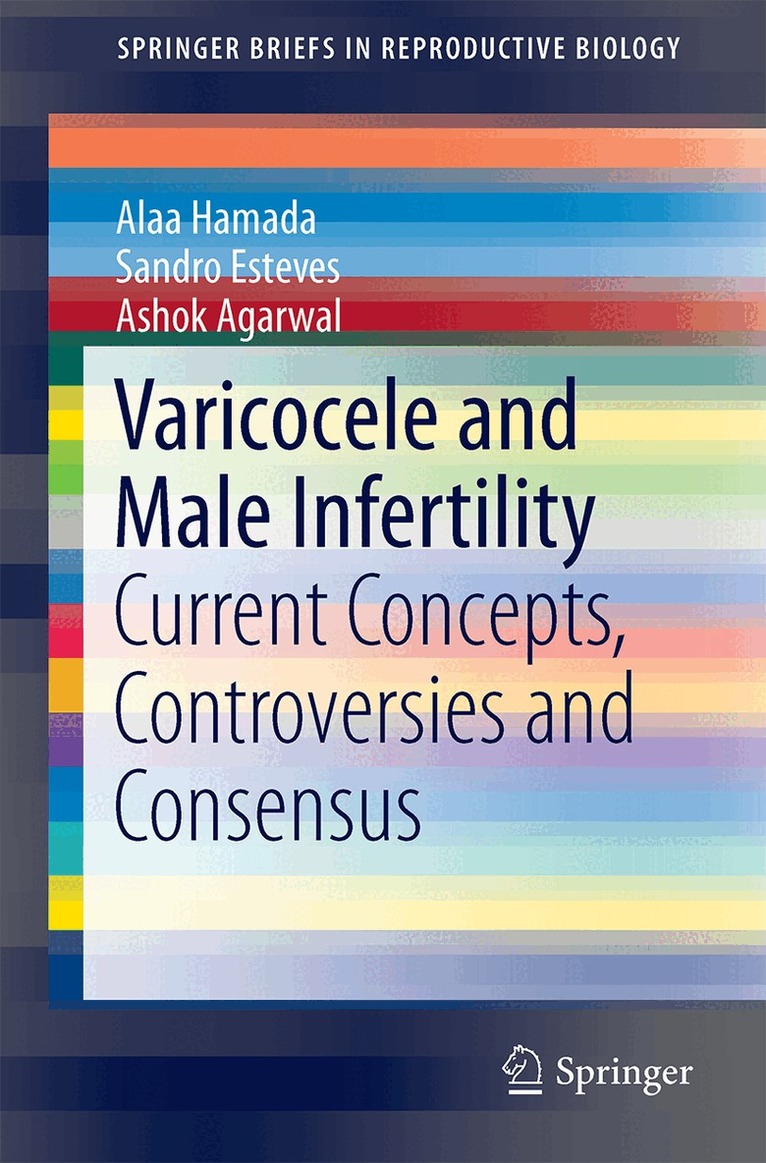
This SpringerBrief analyzes varicocele from a novel approach, and provides the reader with a comprehensive view of its scientific and clinical significance. The Brief covers all the important aspects of varicocele related to infertility, from epidemiology to assisted reproduction techniques, contemplating pathophysiology, semen analysis, specialized sperm function tests, and clinical management including all available treatment options form three distinct perspectives, i.e., current concepts, consensus and controversies. Each topic is addressed using the same template, offering the best information from all angles to readers. This SpringerBrief is aimed at both clinicians and scientists involved in the study and care of male and female fertility, and is written by a team of three internationally recognized authors with expertise in andrology and male infertility. The text is the first of its kind, and presents an invaluable tool both for the basic scientists with an interest in reproductive medicine and for clinicians working in the field of infertility.
550 kr
Skickas inom 10-15 vardagar
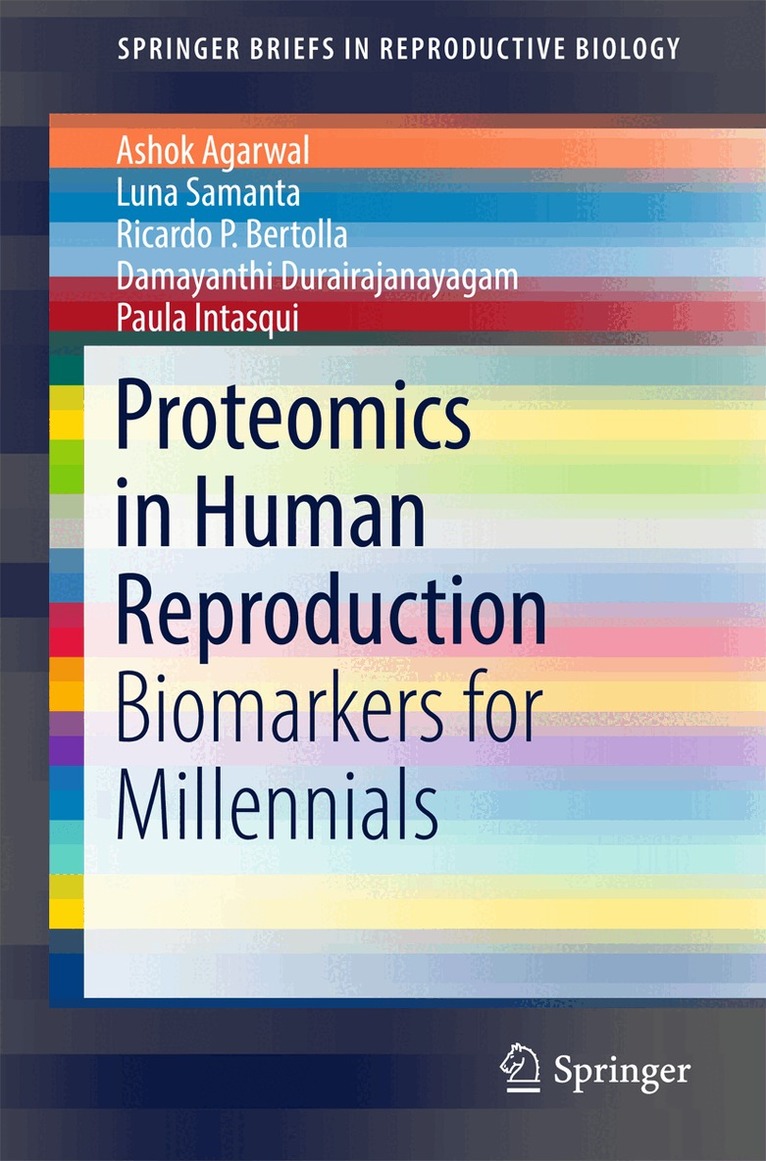
This Brief explores the use of proteomics as a tool for biomarker discovery in human reproduction and summarizes current findings and trends of proteomic studies in both male and female infertility. This simplifies this important but complex topic and equips the novice reader with sufficient background information on the use of proteomics in human reproduction. The up-to-date scenario on proteomic investigations will also appeal to researchers and post graduate students looking to keep abreast with the latest developments in reproductive research. This review summarizes current findings of contemporary proteomic studies on infertility in both males and females with various reproductive pathologies, and its use in predicting the outcome of assisted reproduction. In human reproduction, the search for biomarkers via proteomics is a fast-evolving approach that involves the analysis of proteins in the reproductive tissues and fluids, such as the male gametes, seminal plasma, ovarian and endometrial tissue, and follicular and uterine fluid. By comparing the protein profile of a healthy, fertile individual against that of an infertile individual, the differentially expressed proteins may give an indication to certain proteins that could serve as useful biomarkers that are related to infertility. As proteomic studies continue to unravel the dynamic proteome behind various infertility conditions, there is potential for the discovery of prognostic markers that could ultimately help in both natural and assisted human reproduction.