St Andrews Series – Serie
Visar alla böcker i serien St Andrews Series. Handla med fri frakt och snabb leverans.
2 produkter
2 produkter
705 kr
Skickas inom 7-10 vardagar
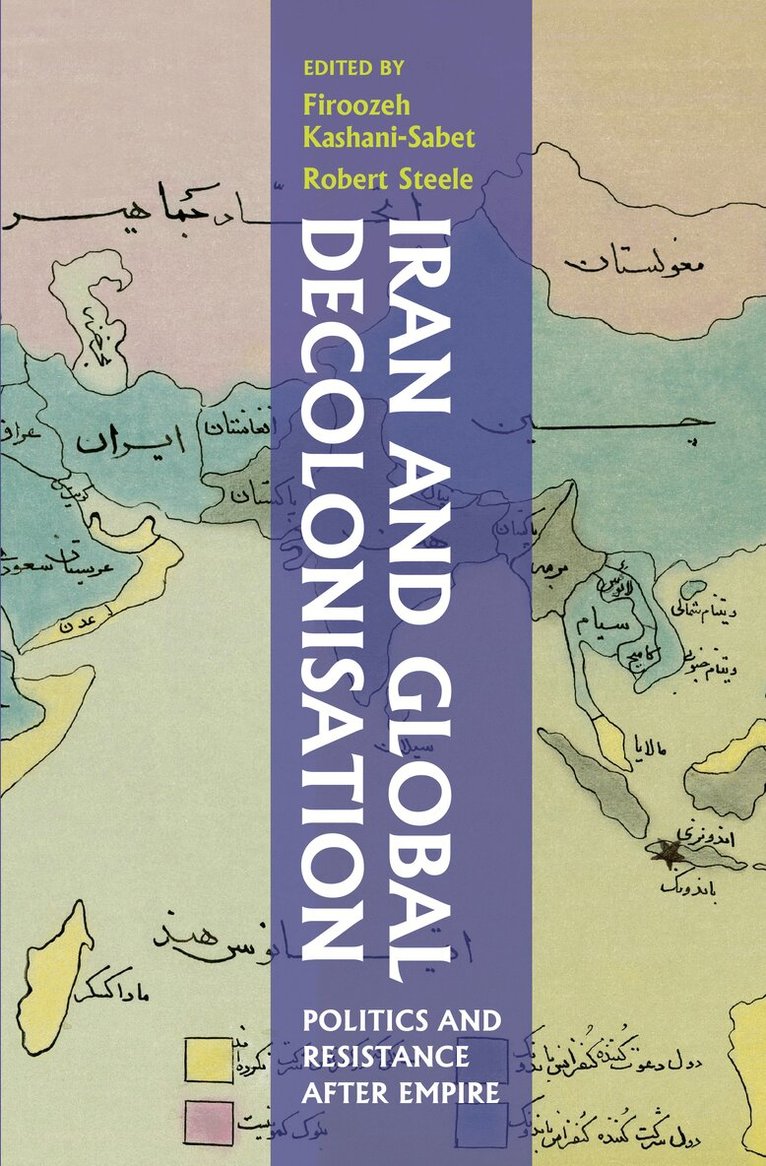
How did Iran’s unique position in the world affect and define its treatment of decolonization? During the final decades of Pahlavi rule in the late 1970s, the country sought to establish close relationships with newly independent counterparts in the Global South. Most scholarly work focused on this period is centered around the Cold War and Iran's relations with the United States, Russia, and Europe. Little attention has been paid to how the country interacted with other regions, such as Africa, Asia, and the Americas. Adding to an important and growing body of literature that discusses the profound and lasting impact of decolonization, Iran and Global Decolonisation contributes to the theoretical debates around the re-shaping of the world brought about by the end of an empire. It considers not only the impact of global decolonization on movements and ideas within Iran but how Iran’s own experiences of imperialism shaped how these ideas were received and developed.
306 kr
Skickas
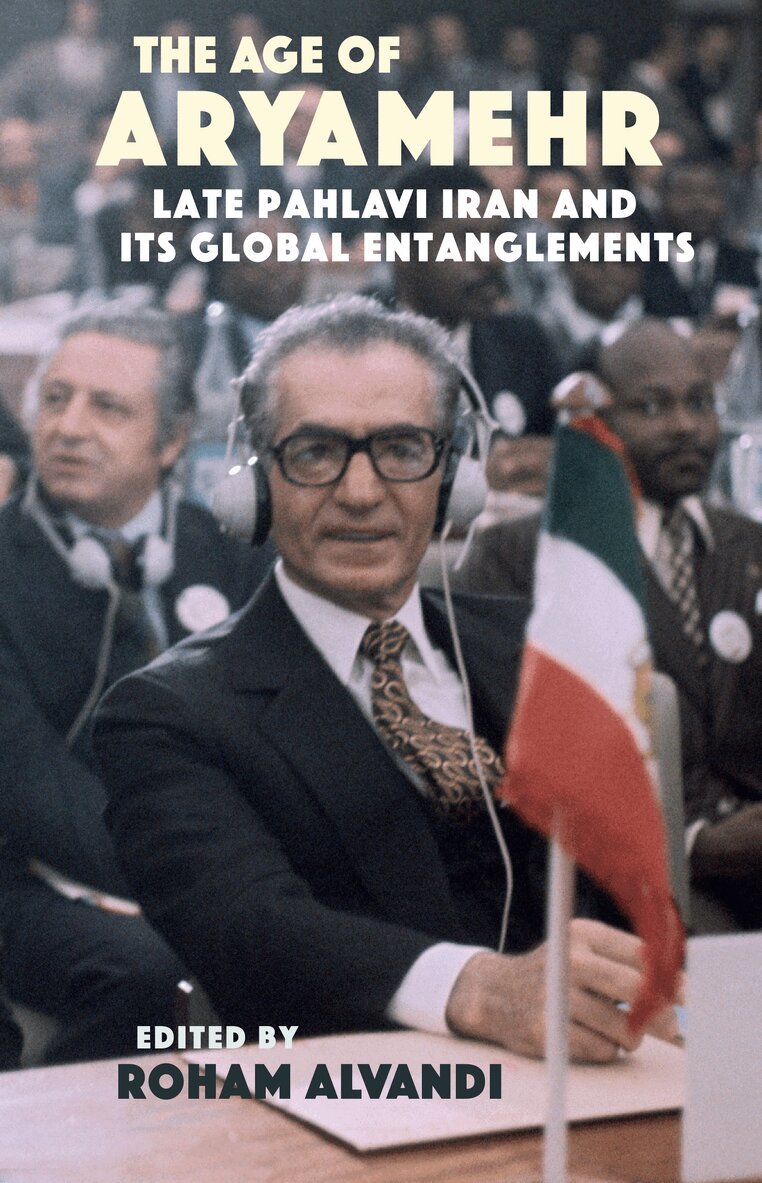
The history of Pahlavi Iran has traditionally been written as prologue to the 1979 Iranian Revolution and firmly located within a national historical context. However, the reign of the last Shah of Iran, Mohammad Reza Pahlavi (1941-1979), in fact marked the high-point of Iran’s global interconnectedness. Never before had Iranians felt the impact of global political, social, economic, and cultural forces so intimately in their national and daily lives, nor had Iranian actors played such an important global role, on battlefields, barricades, and in board rooms far beyond Iran’s borders.Engaging with a national historical narrative, The Age of Aryamehr writes Iran into the global history of the 1960s and 1970s, so as to understand the transnational connections that in many ways formed modern Iran.