Stadtentwicklung und Denkmalpflege – serie
Visar alla böcker i serien Stadtentwicklung und Denkmalpflege. Handla med fri frakt och snabb leverans.
5 produkter
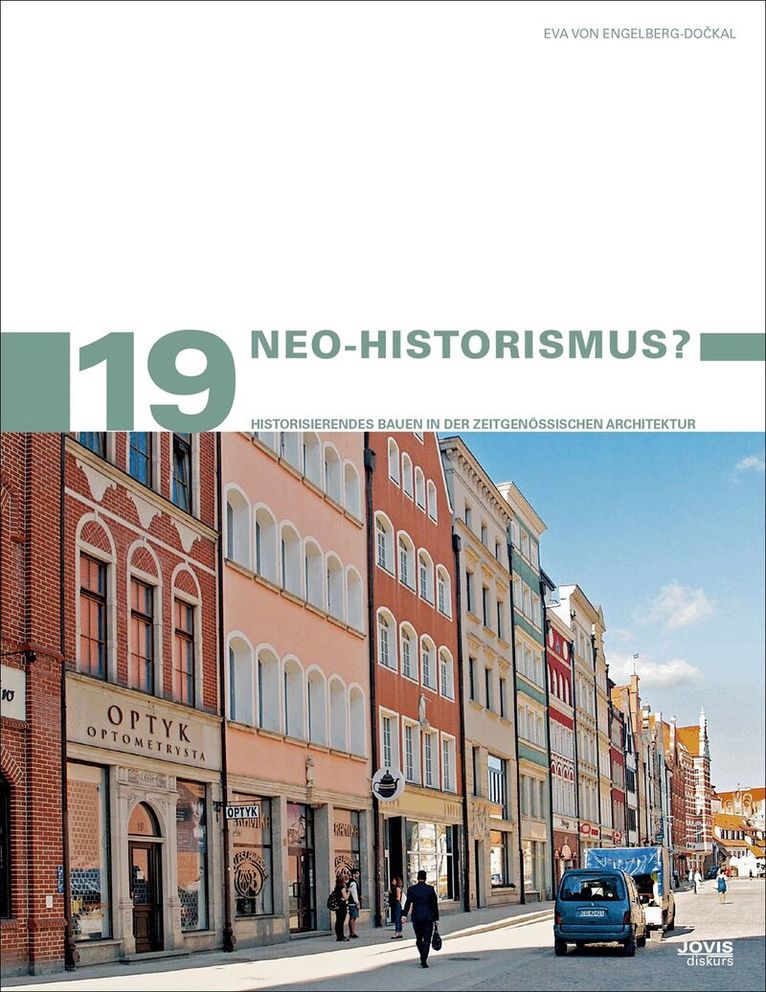
Neo-Historismus?
Historisierendes Bauen in der zeitgenössischen Architektur
Av Eva von Engelberg-Dočkal, Gabi Dolff-Bonekämper m. fl.
Häftad, 2023
377 kr
Lägg i varukorg
Adopting and adapting historical forms is an integral part of architectural design today. Strictly rejected by some and embraced by others, this practice has provoked controversy since the beginning of modernism. With its assertion of continuity and claim to universality, historicizing architecture …
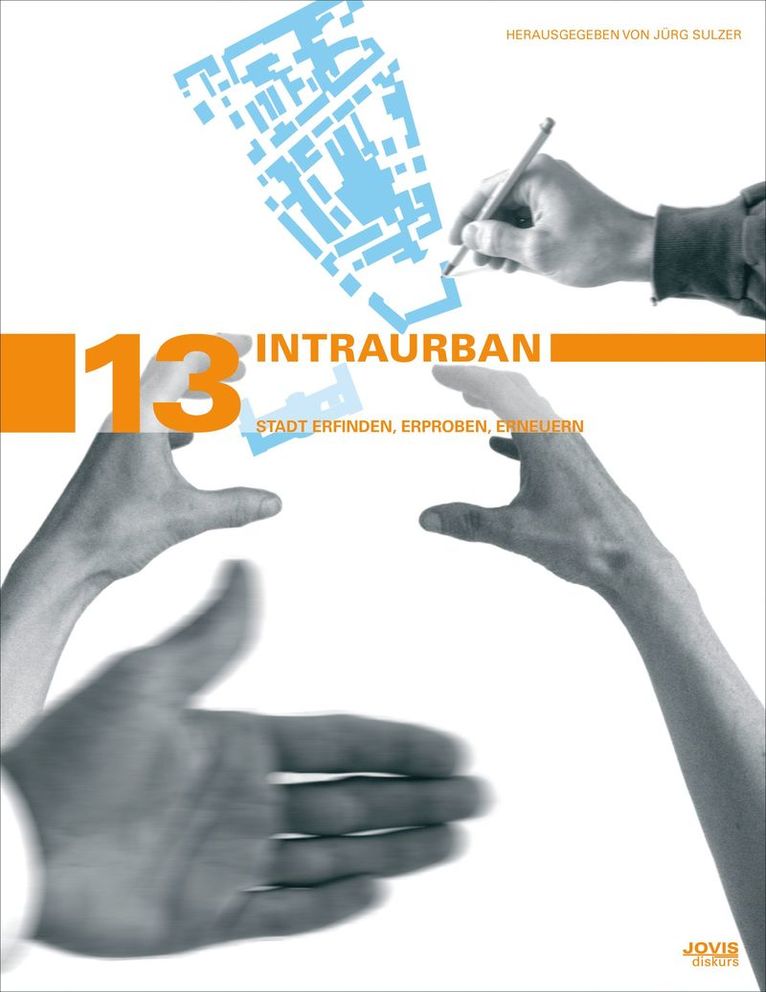
IntraURBAN
Stadt erfinden, erproben, erneuern
Av Jürg Sulzer
Inbunden, 2010
383 kr
Tillfälligt slut
Although often criticized, the european city is still regarded as a model in urban development; one that has proved itself for centuries. However, in the sphere of constantly changing interests and specific values, it has changed in a way that there is a continual need for new experiments, …
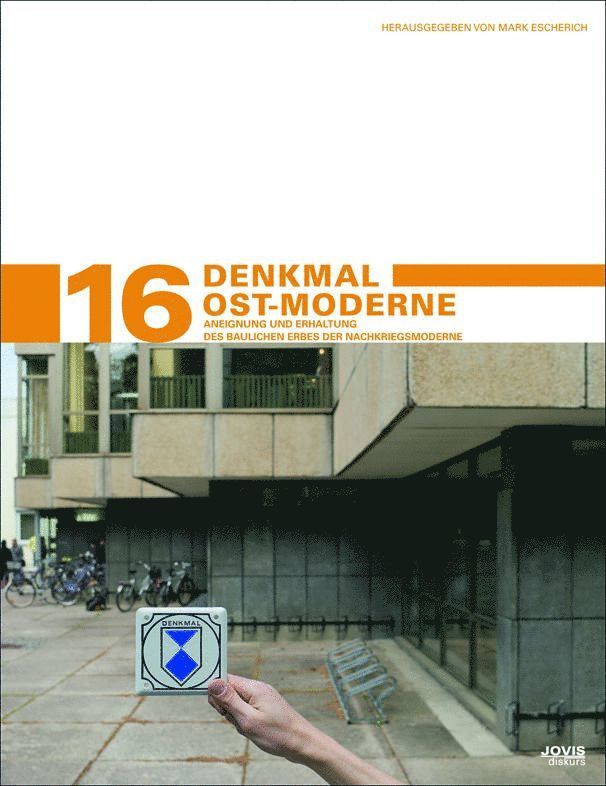
Denkmal Ost-Moderne
Aneignung und Erhaltung des baulichen Erbes der Nachkriegsmoderne
Inbunden, 2012
342 kr
Tillfälligt slut
Architektur und Städtebau der 1960er und 70er Jahre stehen aktuell im Fokus einer breiten Diskussion. Ihre beginnende Wertschätzung und denkmalpflegerische Aneignung befindet sich dabei in einem Wettlauf mit der Anpassung an zeitgenössische Standards. „Veraltet, aber noch nicht historisch", wird …
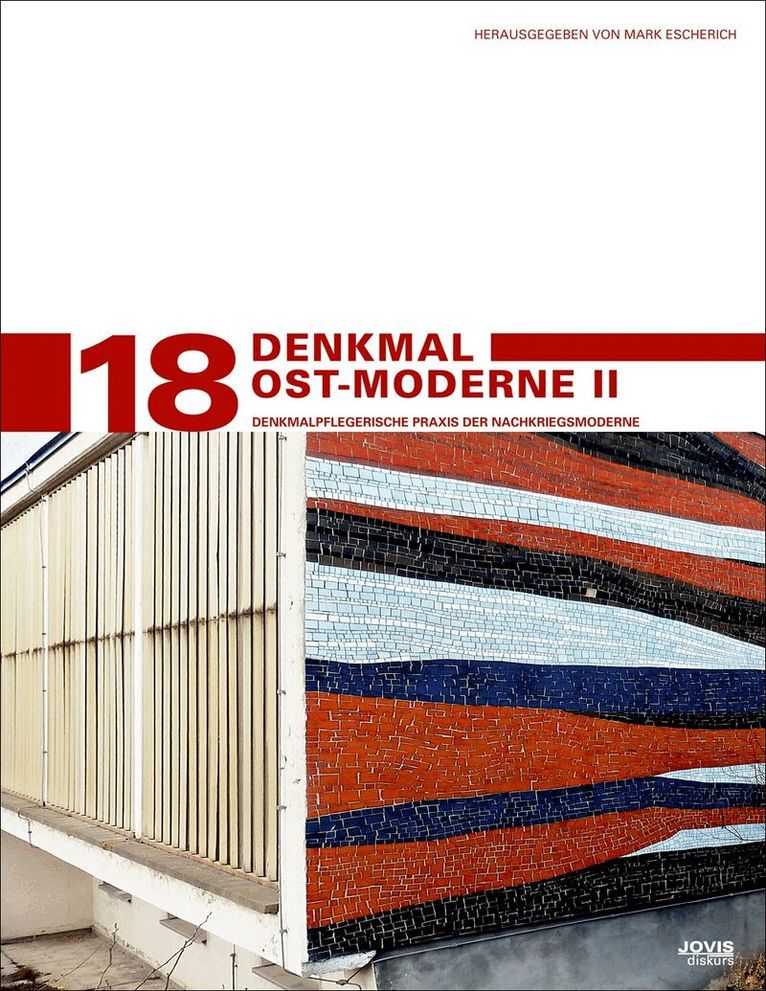
Denkmal Ost-Moderne II
Denkmalpflegerische Praxis der Nachkriegsmoderne
Inbunden, 2016
448 kr
Tillfälligt slut
Architecture and urban development of the 1960s and 1970s have now become part of everyday heritage protection and the subject of an interdisciplinary discourse. It is redevelopment practices that have emerged as the actual hurdle with regard to responsible and careful approaches to this heritage. …
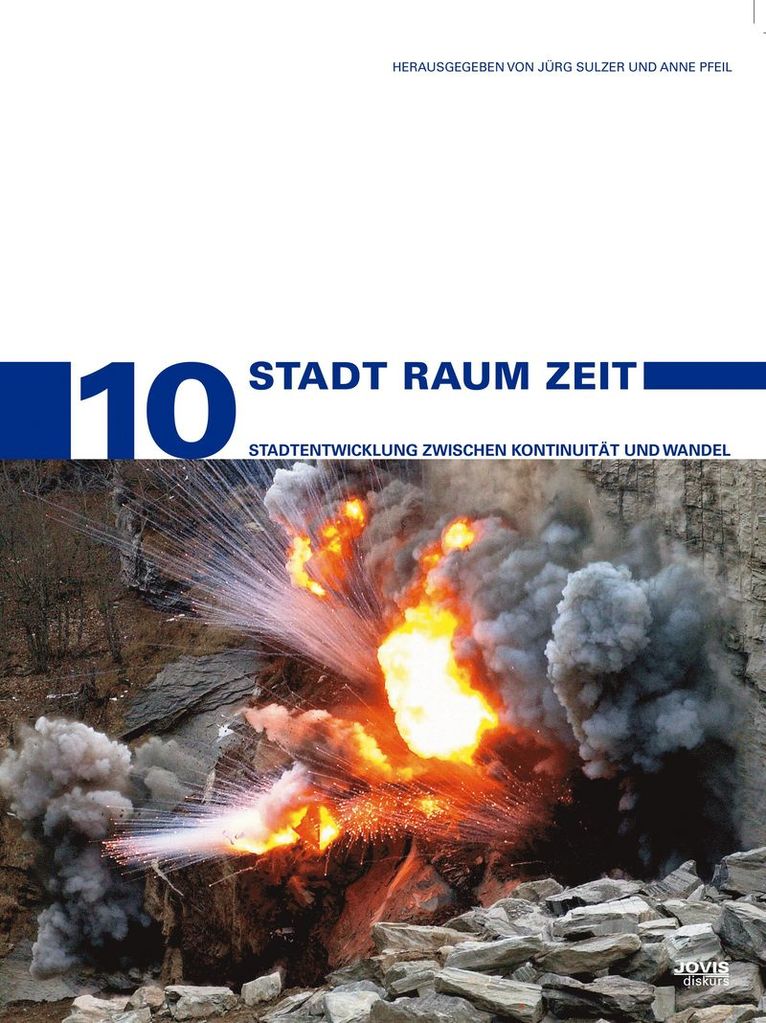
Stadt Raum Zeit
Stadtentwicklung zwischen Kontinuität und Wandel
Häftad, 2008
318 kr
Tillfälligt slut
Cities are to a great extent shaped by political, economic, and social development. Such processes used to occur over long periods of time, but today our cities are changing their appearance at a tremendous pace: there seems to be a need to redefine the relations of city, space, and time. The …