SUNY series in Endangered Species – serie
Visar alla böcker i serien SUNY series in Endangered Species. Handla med fri frakt och snabb leverans.
5 produkter
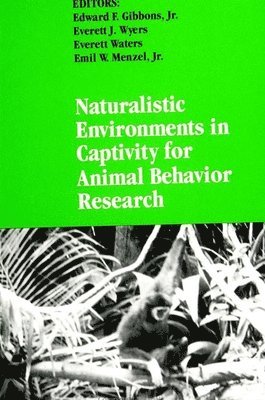
Naturalistic Environments in Captivity for Animal Behavior Research
Av Edward F. Gibbons Jr., Everett J. Wyers m. fl.
Inbunden, 1993
1515 kr
Lägg i varukorg
This book addresses theoretical and pragmatic issues concerning naturalistic environments in captivity for animals. The multidisciplinary orientation of the volume will help regulatory personnel, administrators, and researchers to understand each other's roles and responsibilities in the design, …
Naturalistic Environments in Captivity for Animal Behavior Research
Av Edward F. Gibbons Jr., Everett J. Wyers m. fl.
Häftad, 1993
487 kr
Lägg i varukorg
This book addresses theoretical and pragmatic issues concerning naturalistic environments in captivity for animals. The multidisciplinary orientation of the volume will help regulatory personnel, administrators, and researchers to understand each other's roles and responsibilities in the design, …
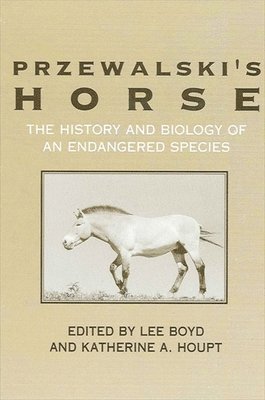
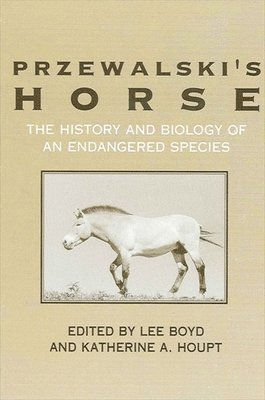
Przewalski's Horse
The History and Biology of an Endangered Species
Av Lee Boyd, Katherine A. Houpt
Häftad, 1994
487 kr
Lägg i varukorg
Przewalski's horse, the only true horse never to have been domesticated, is believed to be extinct in the wild. Experts from around the world come together in this book and offer a complete synthesis of knowledge about the species to date. Topics included are taxonomy, morphology, former geographic …
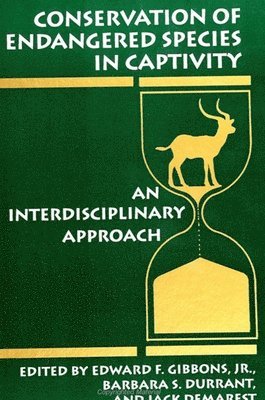
Conservation of Endangered Species in Captivity
An Interdisciplinary Approach
Av Edward F. Gibbons Jr., Barbara S. Durrant m. fl.
Inbunden, 1995
1515 kr
Lägg i varukorg
This multi-disciplinary approach to conservation of endangered species in captivity is organized taxonomically and by scientific discipline. The seven taxonomic groups included are invertebrates; fish, reptiles and amphibians, birds, marine mammals, primates, and other mammals. Within each …
Przewalski's Horse
The History and Biology of an Endangered Species
Av Lee Boyd, Katherine A. Houpt
Inbunden, 1994
1087 kr
Tillfälligt slut
Przewalski's horse, the only true horse never to have been domesticated, is believed to be extinct in the wild. Experts from around the world come together in this book and offer a complete synthesis of knowledge about the species to date. Topics included are taxonomy, morphology, former geographic …