Sustainable Industrial Development – Serie
Visar alla böcker i serien Sustainable Industrial Development. Handla med fri frakt och snabb leverans.
3 produkter
3 produkter
2 176 kr
Skickas inom 10-15 vardagar
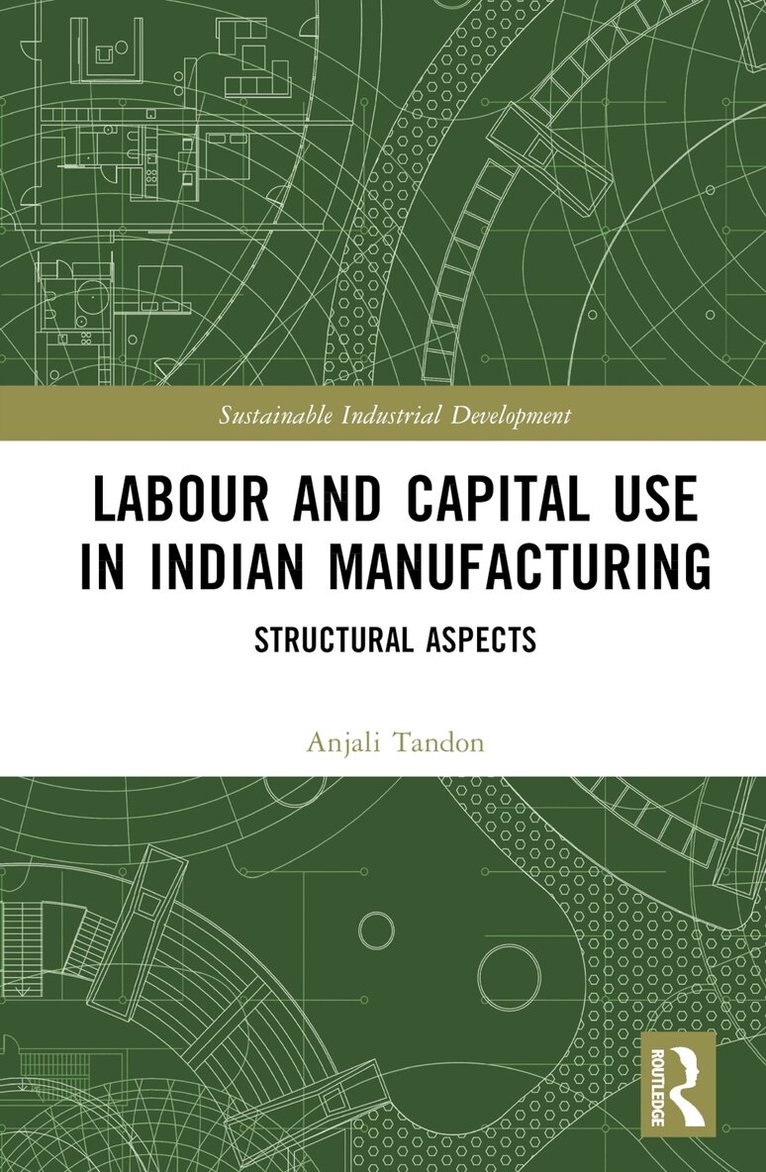
This book strengthens our understanding of Indian manufacturing. It argues that structural transformation should be guided by the given factor endowments. The book undertakes detailed empirical scrutiny to provide inputs for guiding the future industrial policy in India.The book recognises the differential structure of organised and unorganised manufacturing with their distinguished response to the use of labour and capital. The analytical framework consists of an economy-wide approach and structural relationships at the industry level. The underlying sectoral interdependence highlights the job creation potential of domestic manufacturing, which spreads into the non-manufacturing sectors through the essential accounting of the embodied effects. The impact of import utilisations underscores the leakages in the domestic economy in terms of the employment forgone and capital use, thereby highlighting the need to strengthen domestic production. The book clearly identifies the labour- and capital-intensive categories of manufacturing for empirical investigations.A comprehensive read on labour and capital use in Indian manufacturing, this book in the series Sustainable Industrial Development will appeal to scholars and researchers of economics, applied industrial economics, Indian economy, and business studies. It will also be of interest to professionals and practitioners in policy circles and research think tanks.
581 kr
Skickas inom 10-15 vardagar
This book strengthens our understanding of Indian manufacturing. It argues that structural transformation should be guided by the given factor endowments. The book undertakes detailed empirical scrutiny to provide inputs for guiding the future industrial policy in India.The book recognises the differential structure of organised and unorganised manufacturing with their distinguished response to the use of labour and capital. The analytical framework consists of an economy-wide approach and structural relationships at the industry level. The underlying sectoral interdependence highlights the job creation potential of domestic manufacturing, which spreads into the non-manufacturing sectors through the essential accounting of the embodied effects. The impact of import utilisations underscores the leakages in the domestic economy in terms of the employment forgone and capital use, thereby highlighting the need to strengthen domestic production. The book clearly identifies the labour- and capital-intensive categories of manufacturing for empirical investigations.A comprehensive read on labour and capital use in Indian manufacturing, this book in the series Sustainable Industrial Development will appeal to scholars and researchers of economics, applied industrial economics, Indian economy, and business studies. It will also be of interest to professionals and practitioners in policy circles and research think tanks.
1 637 kr
Skickas inom 10-15 vardagar
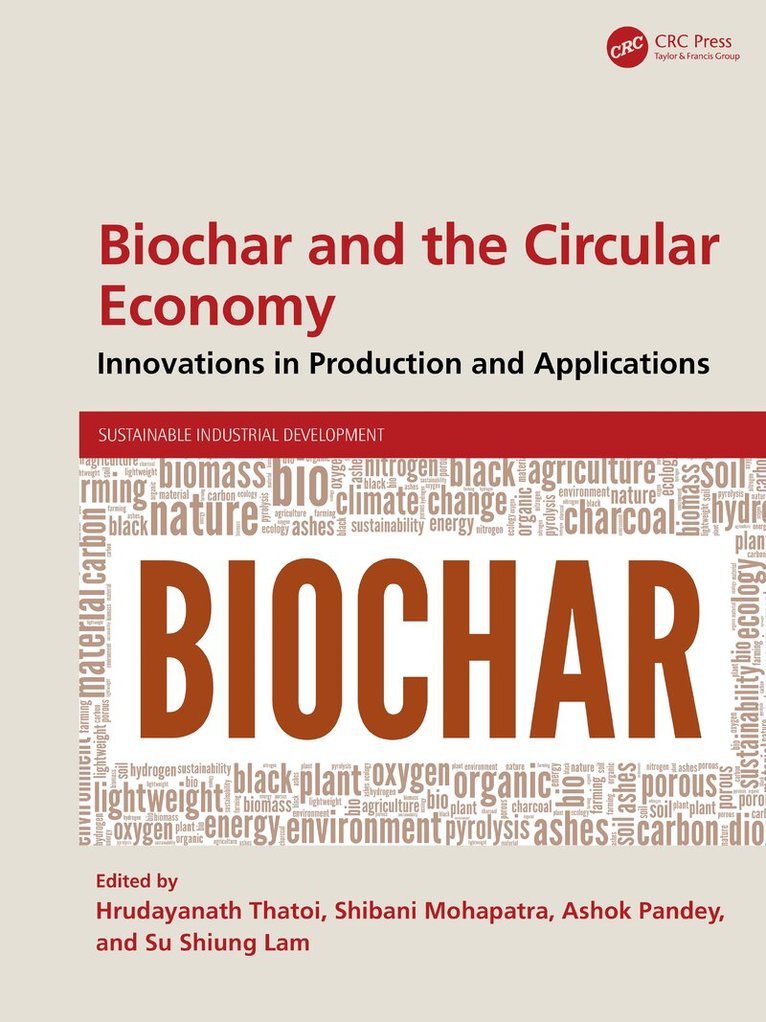
This book provides a comprehensive overview of biochar as a sustainable solution within the context of agriculture, waste management, environmental remediation, and the circular economy. The initial chapters introduce the concept of biochar and its alignment with circular economic principles and presents the mechanisms of action and multifunctional benefits across different sectors. The chapters explore innovative biochar production techniques using agricultural residues, food waste, and municipal sludge, highlighting efficiency, scalability, and environmental impact. The book also details the application of biochar in soil enhancement, wastewater treatment, and bioenergy systems including biogas and biohydrogen production. The final chapters emphasize the pivotal role of biochar in carbon sequestration and climate change mitigation, solidifying its relevance to global sustainability goals.Key Features:Explains the concept of biochar within the framework of the circular economy and sustainable developmentDetails innovative production techniques using various biomass feedstocks including agricultural waste, food scraps, and sewage sludgeExplores agricultural applications, such as improving soil structure, fertility, and crop yieldPresents industrial uses of biochar in removing contaminants like heavy metals and dyes from wastewaterHighlights its role in anaerobic digestion and renewable energy, especially in biogas and hydrogen generationThis book is useful for researchers and professionals of biotechnology and environmental sciences.