Teaching and Learning Online – serie
Visar alla böcker i serien Teaching and Learning Online. Handla med fri frakt och snabb leverans.
6 produkter
6 produkter
Häftad, Engelska, 2022
673 kr
Skickas inom 5-8 vardagar
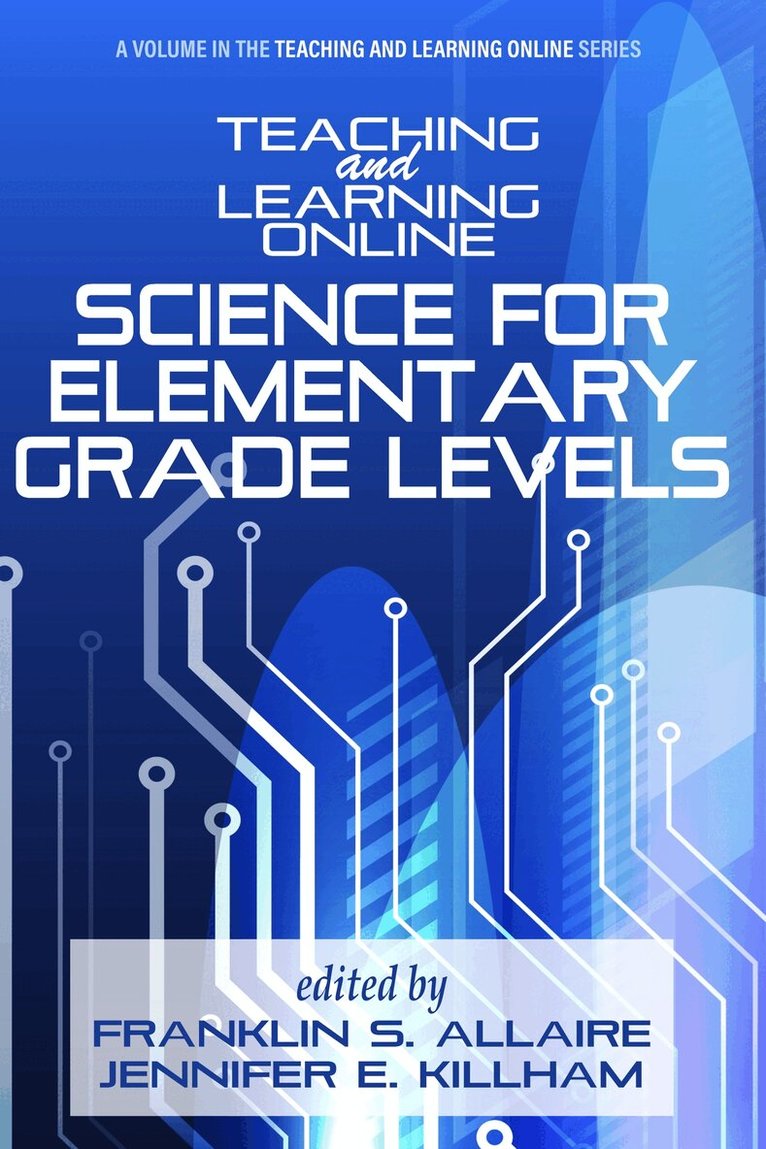
Science is unique among the disciplines since it is inherently hands-on. However, the hands-on nature of science instruction also makes it uniquely challenging when teaching in virtual environments. How do we, as science teachers, deliver high-quality experiences in an online environment that leads to age/grade-level appropriate science content knowledge and literacy, but also collaborative experiences in the inquiry process and the nature of science?The expansion of online environments for education poses logistical and pedagogical challenges for early childhood and elementary science teachers and early learners. Despite digital media becoming more available and ubiquitous and increases in online spaces for teaching and learning (Killham et al., 2014; Wong et al., 2018), PreK-12 teachers consistently report feeling underprepared or overwhelmed by online learning environments (Molnar et al., 2021; Seaman et al., 2018). This is coupled with persistent challenges related to elementary teachers’ lack of confidence and low science teaching self-efficacy (Brigido, Borrachero, Bermejo, & Mellado, 2013; Gunning & Mensah, 2011).Teaching and Learning Online: Science for Elementary Grade Levels comprises three distinct sections: Frameworks, Teacher’s Journeys, and Lesson Plans. Each section explores the current trends and the unique challenges facing elementary teachers and students when teaching and learning science in online environments. All three sections include alignment with Next Generation Science Standards, tips and advice from the authors, online resources, and discussion questions to foster individual reflection as well as small group/classwide discussion. Teacher’s Journeys and Lesson Plan sections use the 5E model (Bybee et al., 2006; Duran & Duran, 2004). Ideal for undergraduate teacher candidates, graduate students, teacher educators, classroom teachers, parents, and administrators, this book addresses why and how teachers use online environments to teach science content and work with elementary students through a research-based foundation.
Inbunden, Engelska, 2022
1 140 kr
Skickas inom 5-8 vardagar
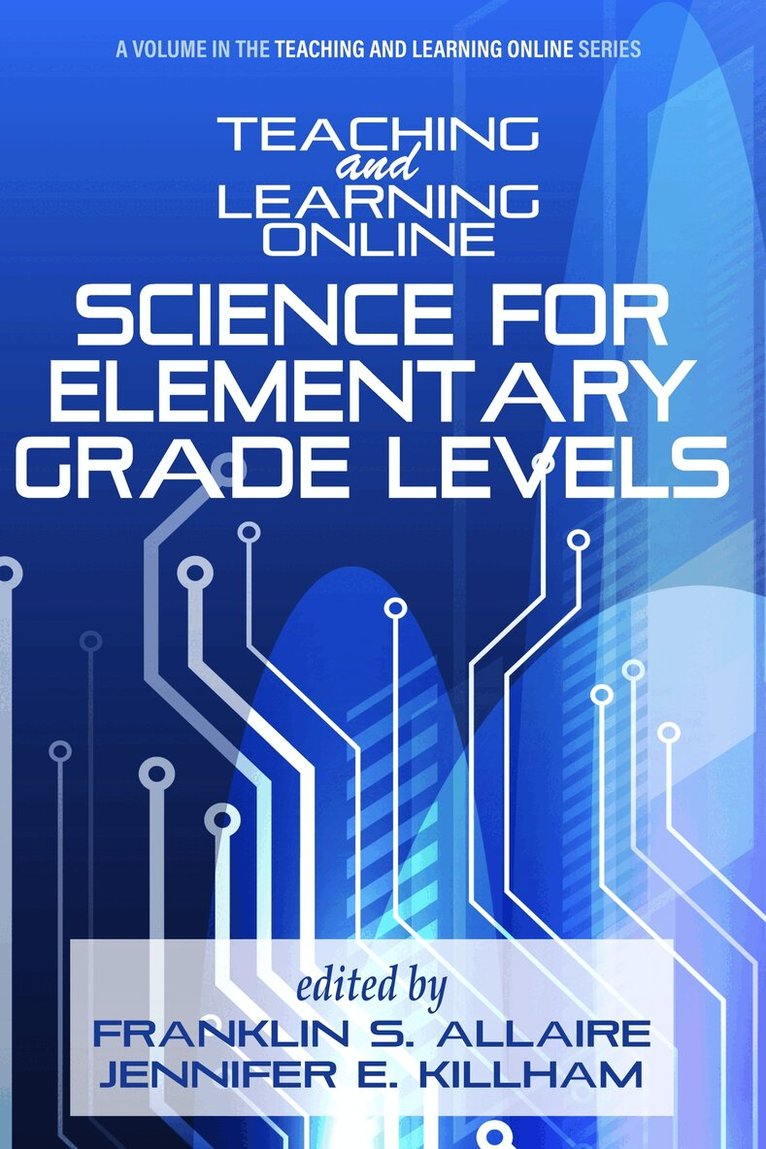
Science is unique among the disciplines since it is inherently hands-on. However, the hands-on nature of science instruction also makes it uniquely challenging when teaching in virtual environments. How do we, as science teachers, deliver high-quality experiences in an online environment that leads to age/grade-level appropriate science content knowledge and literacy, but also collaborative experiences in the inquiry process and the nature of science?The expansion of online environments for education poses logistical and pedagogical challenges for early childhood and elementary science teachers and early learners. Despite digital media becoming more available and ubiquitous and increases in online spaces for teaching and learning (Killham et al., 2014; Wong et al., 2018), PreK-12 teachers consistently report feeling underprepared or overwhelmed by online learning environments (Molnar et al., 2021; Seaman et al., 2018). This is coupled with persistent challenges related to elementary teachers’ lack of confidence and low science teaching self-efficacy (Brigido, Borrachero, Bermejo, & Mellado, 2013; Gunning & Mensah, 2011).Teaching and Learning Online: Science for Elementary Grade Levels comprises three distinct sections: Frameworks, Teacher’s Journeys, and Lesson Plans. Each section explores the current trends and the unique challenges facing elementary teachers and students when teaching and learning science in online environments. All three sections include alignment with Next Generation Science Standards, tips and advice from the authors, online resources, and discussion questions to foster individual reflection as well as small group/classwide discussion. Teacher’s Journeys and Lesson Plan sections use the 5E model (Bybee et al., 2006; Duran & Duran, 2004). Ideal for undergraduate teacher candidates, graduate students, teacher educators, classroom teachers, parents, and administrators, this book addresses why and how teachers use online environments to teach science content and work with elementary students through a research-based foundation.
Inbunden, Engelska, 2026
1 420 kr
Kommande
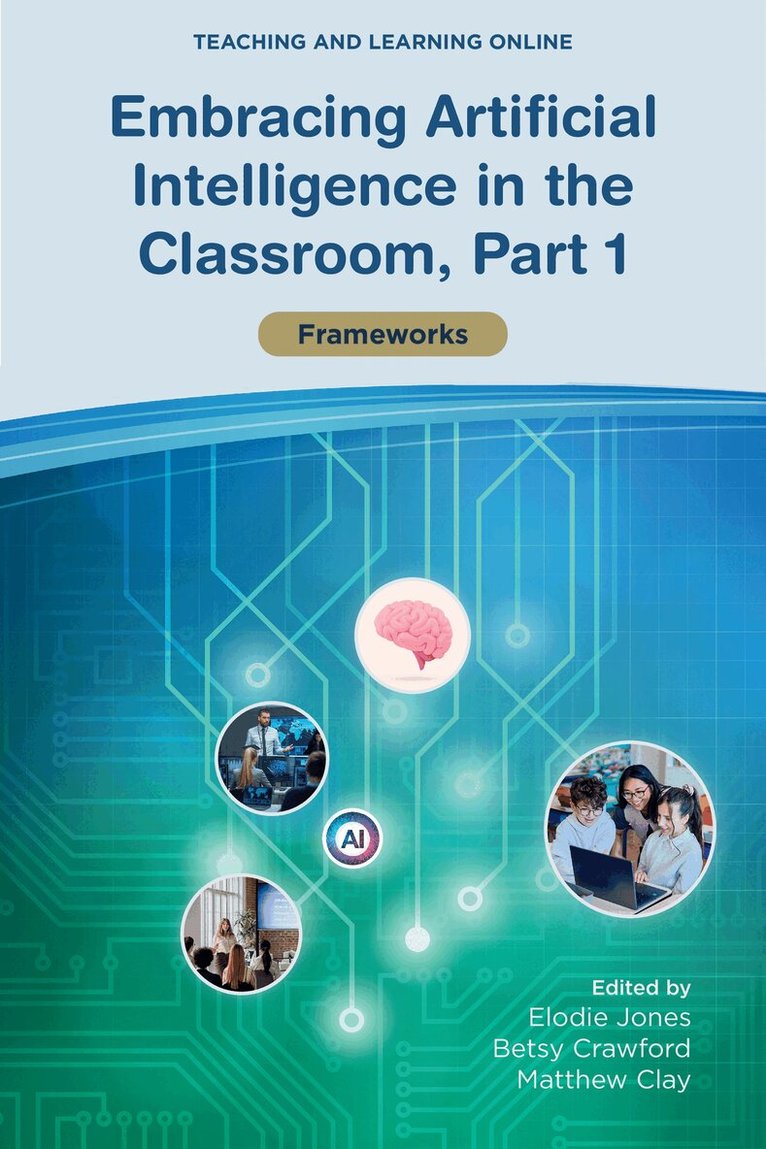
As AI technologies continue to grow in sophistication, educators face the critical task of preparing students not only to coexist with these tools but also to thrive in the future driven by innovation. Across this evolving terrain, the enduring educational principles of critical thinking, problem-solving, and fostering a growth mindset remain essential. Educators must ask how to harmonize emerging AI technologies with traditional teaching methodologies, and where to find reliable professional development, guidance, and resources to support ethical and effective AI adoption in classrooms.Part 1 of Embracing Artificial Intelligence in the Classroom deals with the frameworks and includes chapters grounded in theory and research that situate AI within the broader educational fields of curriculum design, pedagogy, and educational technology. While scholarly, these chapters are crafted to be accessible to a broad audience, including both pre-service and practicing teachers, striving to connect AI integration with established educational concepts.Together with Part 2, these books form a comprehensive resource designed to equip educators with the knowledge, skills, and ethical frameworks needed to embrace artificial intelligence as a transformative element in teaching and learning online. This book aims to support educators in navigating the intersection of technology and pedagogy, fostering innovation while upholding core educational values.
Häftad, Engelska, 2026
540 kr
Kommande
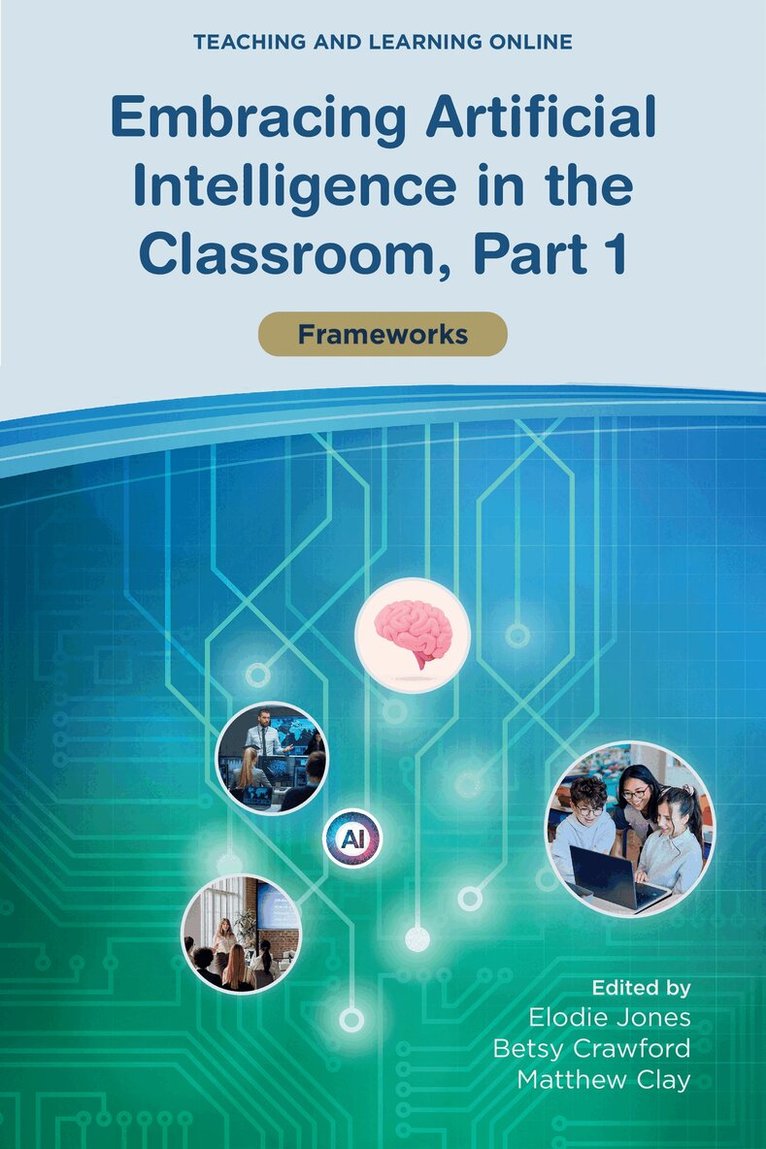
As AI technologies continue to grow in sophistication, educators face the critical task of preparing students not only to coexist with these tools but also to thrive in the future driven by innovation. Across this evolving terrain, the enduring educational principles of critical thinking, problem-solving, and fostering a growth mindset remain essential. Educators must ask how to harmonize emerging AI technologies with traditional teaching methodologies, and where to find reliable professional development, guidance, and resources to support ethical and effective AI adoption in classrooms.Part 1 of Embracing Artificial Intelligence in the Classroom deals with the frameworks and includes chapters grounded in theory and research that situate AI within the broader educational fields of curriculum design, pedagogy, and educational technology. While scholarly, these chapters are crafted to be accessible to a broad audience, including both pre-service and practicing teachers, striving to connect AI integration with established educational concepts.Together with Part 2, these books form a comprehensive resource designed to equip educators with the knowledge, skills, and ethical frameworks needed to embrace artificial intelligence as a transformative element in teaching and learning online. This book aims to support educators in navigating the intersection of technology and pedagogy, fostering innovation while upholding core educational values.
Häftad, Engelska, 2023
673 kr
Skickas inom 5-8 vardagar
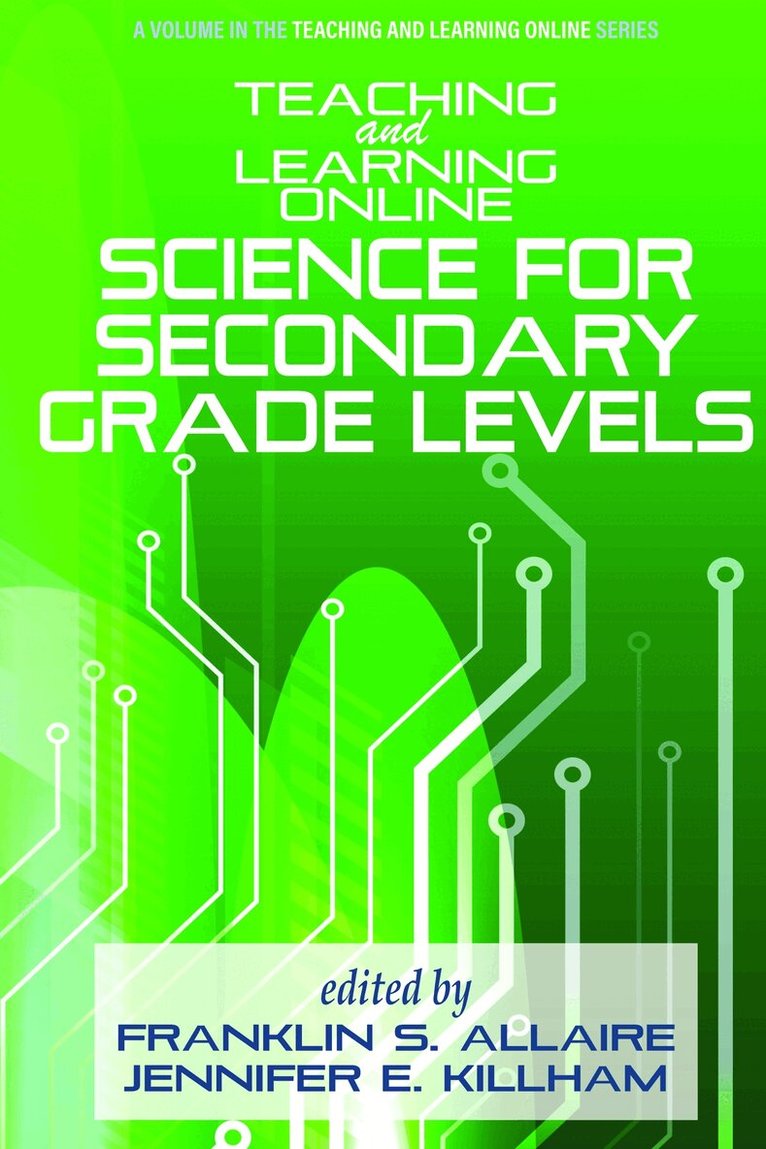
Science is unique among the disciplines since it is inherently hands-on. However, the hands-on nature of science instruction also makes it uniquely challenging when teaching in virtual environments. How do we, as science teachers, deliver high-quality experiences to secondary students in an online environment that leads to age/grade-level appropriate science content knowledge and literacy, but also collaborative experiences in the inquiry process and the nature of science?The expansion of online environments for education poses logistical and pedagogical challenges for early childhood and elementary science teachers and early learners. Despite digital media becoming more available and ubiquitous and increases in online spaces for teaching and learning (Killham et al., 2014; Wong et al., 2018), PreK-12 teachers consistently report feeling underprepared or overwhelmed by online learning environments (Molnar et al., 2021; Seaman et al., 2018). This is coupled with persistent challenges related to elementary teachers’ lack of confidence and low science teaching self-efficacy (Brigido, Borrachero, Bermejo, & Mellado, 2013; Gunning & Mensah, 2011).Teaching and Learning Online: Science for Secondary Grade Levels comprises three distinct sections: Frameworks, Teacher’s Journeys, and Lesson Plans. Each section explores the current trends and the unique challenges facing secondary teachers and students when teaching and learning science in online environments. All three sections include alignment with Next Generation Science Standards, tips and advice from the authors, online resources, and discussion questions to foster individual reflection as well as small group/classwide discussion. Teacher’s Journeys and Lesson Plan sections use the 5E model (Bybee et al., 2006; Duran & Duran, 2004). Ideal for undergraduate teacher candidates, graduate students, teacher educators, classroom teachers, parents, and administrators, this book addresses why and how teachers use online environments to teach science content and work with elementary students through a research-based foundation.
Inbunden, Engelska, 2023
1 140 kr
Skickas inom 5-8 vardagar
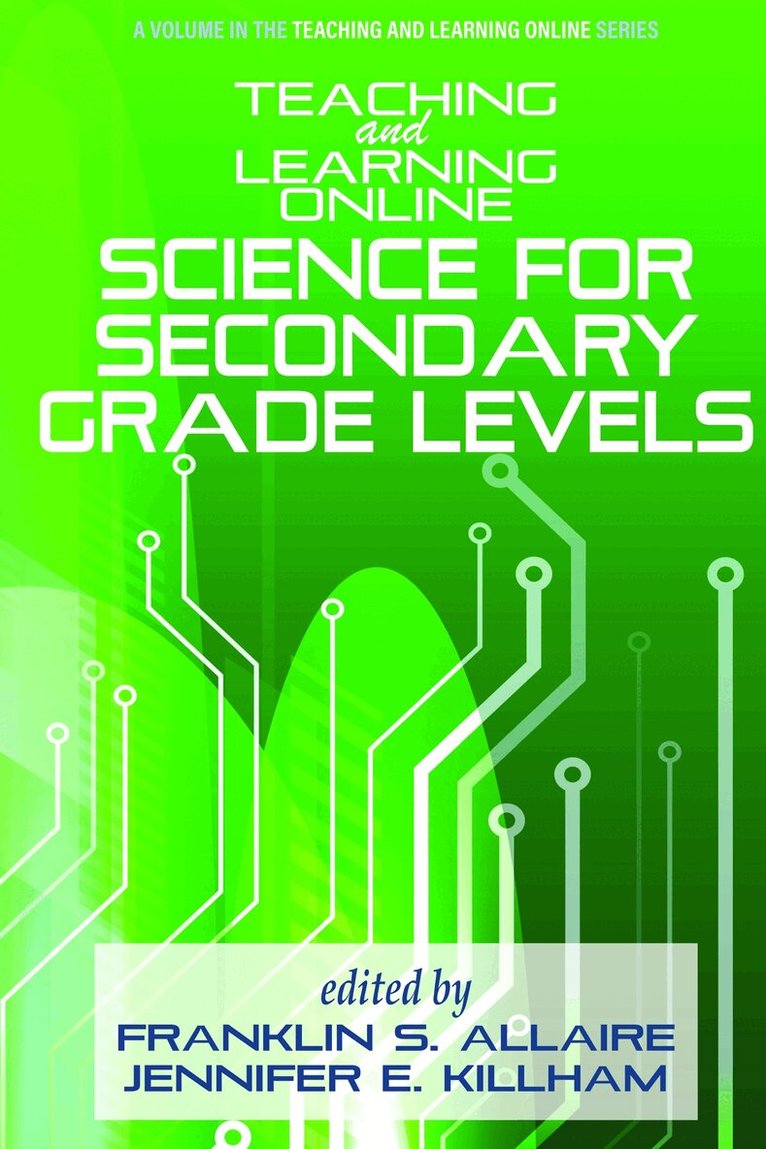
Science is unique among the disciplines since it is inherently hands-on. However, the hands-on nature of science instruction also makes it uniquely challenging when teaching in virtual environments. How do we, as science teachers, deliver high-quality experiences to secondary students in an online environment that leads to age/grade-level appropriate science content knowledge and literacy, but also collaborative experiences in the inquiry process and the nature of science?The expansion of online environments for education poses logistical and pedagogical challenges for early childhood and elementary science teachers and early learners. Despite digital media becoming more available and ubiquitous and increases in online spaces for teaching and learning (Killham et al., 2014; Wong et al., 2018), PreK-12 teachers consistently report feeling underprepared or overwhelmed by online learning environments (Molnar et al., 2021; Seaman et al., 2018). This is coupled with persistent challenges related to elementary teachers’ lack of confidence and low science teaching self-efficacy (Brigido, Borrachero, Bermejo, & Mellado, 2013; Gunning & Mensah, 2011).Teaching and Learning Online: Science for Secondary Grade Levels comprises three distinct sections: Frameworks, Teacher’s Journeys, and Lesson Plans. Each section explores the current trends and the unique challenges facing secondary teachers and students when teaching and learning science in online environments. All three sections include alignment with Next Generation Science Standards, tips and advice from the authors, online resources, and discussion questions to foster individual reflection as well as small group/classwide discussion. Teacher’s Journeys and Lesson Plan sections use the 5E model (Bybee et al., 2006; Duran & Duran, 2004). Ideal for undergraduate teacher candidates, graduate students, teacher educators, classroom teachers, parents, and administrators, this book addresses why and how teachers use online environments to teach science content and work with elementary students through a research-based foundation.