The Armchair Traveller at the Bookhaus – serie
Visar alla böcker i serien The Armchair Traveller at the Bookhaus. Handla med fri frakt och snabb leverans.
2 produkter
2 produkter
Häftad, Engelska, 2020
134 kr
Skickas
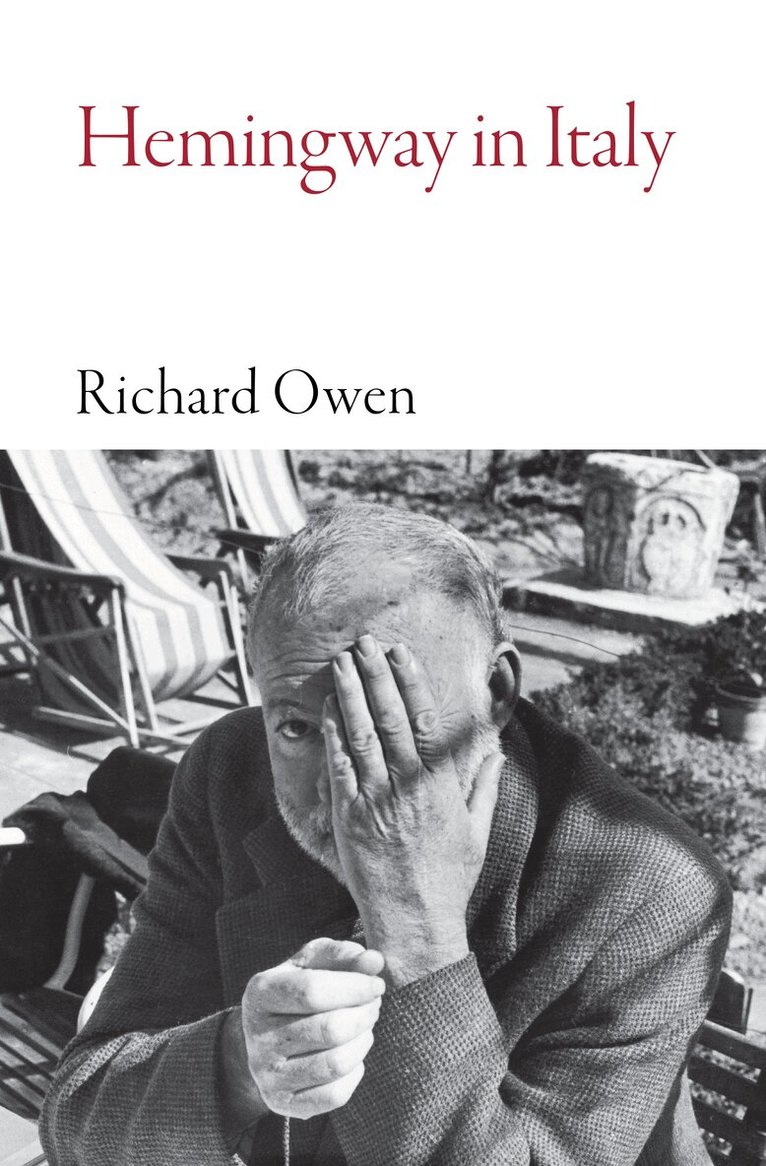
Ernest Hemingway is most often associated with Spain, Cuba and Florida, but Italy was equally important in his life and work. This book, the first full-length study on the subject, explores Hemingway’s visits throughout his life to such places as Sicily, Genoa, Rapallo, Cortina and Venice. Richard Owen describes how Hemingway first visited Italy during the First World War, an experience that set the scene for A Farewell to Arms. The writer then returned after the Second World War, and found inspiration for Across the River and into the Trees. When Men Without Women was published, some reviewers declared Hemingway to be at heart a reporter preoccupied with bullfighters, soldiers, prostitutes and hard drinkers, but their claims failed to note that he also wrote sensitively and passionately about love and loss against an Italian backdrop. Owen highlights the significance of Italy in the writer’s life. Showing how the Italian landscape, from the Venetian lagoon to the Dolomites and beyond, deeply affected one of the greatest writers of the twentieth century. Hemingway in Italy demonstrates that this country stands alongside Spain as a key influence on his writing — and why the Italians themselves took Hemingway and his writing to heart.
Häftad, Engelska, 2022
125 kr
Skickas
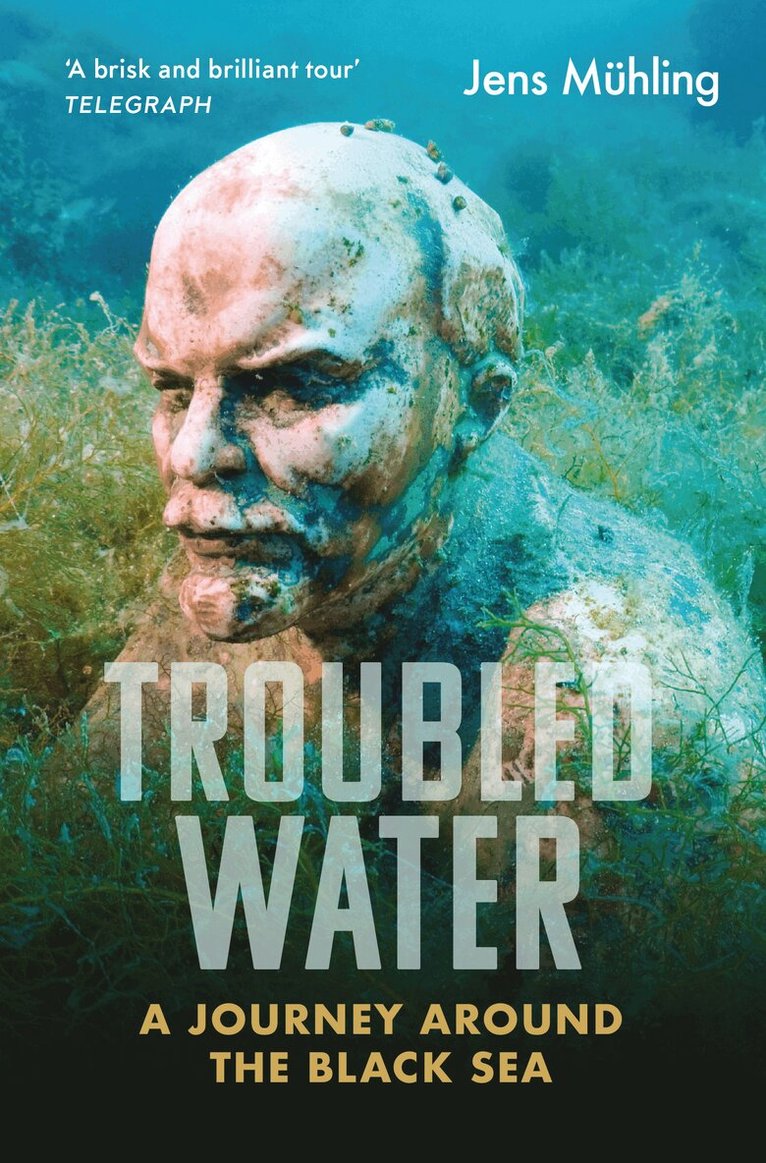
Fringing the Black Sea are a kaleidoscope of countries, some centuries old and others emerging only after the collapse of the Soviet Union. Through the stories of the people he meets there, Jens Mühling seeks to paint a picture of this cauldron of cultures and to understand the present against a backdrop of change stretching back to the arrival of Ancient Greek settlers and beyond. A fluent Russian speaker with a knack for gaining the trust of those he meets, Mühling’s cast of characters, as diverse as the stories he hears, is ready to tell him their complex, contradictory, often fantastical tales, full of grief and legend. He meets descendants of the so-called Pontic Greeks, whom Stalin deported to Central Asia and who have now returned; Circassians, known from Tolstoy’s Caucasus stories, who fled to Syria a century ago and whose great-great-grandchildren, now displaced, have returned to Abkhazia; and members of ethnic minorities: the Georgian Mingrelians, Turkish Lazis, or Bulgarian Muslims expelled to Turkey in the summer of 1989. Not to mention the molluscs and other species that have unsettled the delicate ecological balance of this unique body of water. Nowhere does the uneasy alliance of tradition and modernity seem starker, and there is no better writer to capture the diverse humanity of those who live there.