The Cambridge History of the Cold War – serie
Visar alla böcker i serien The Cambridge History of the Cold War. Handla med fri frakt och snabb leverans.
4 produkter
The Cambridge History of the Cold War
Av Melvyn P. Leffler, Odd Arne Westad
Häftad, 2012
623 kr
Lägg i varukorg
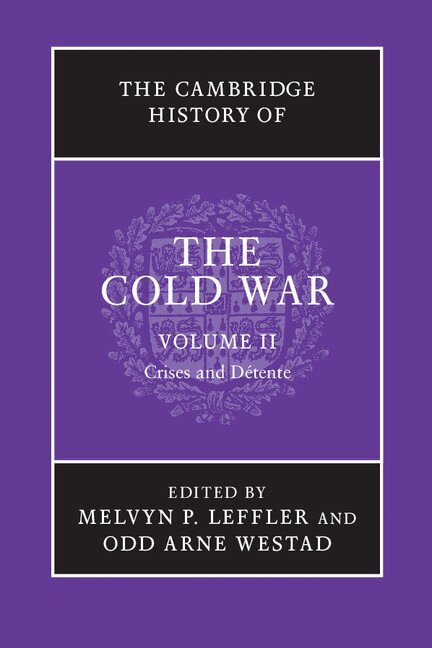
Volume II of The Cambridge History of the Cold War examines the developments that made the Cold War a long-lasting international system during the 1960s and 1970s. A team of leading scholars explains how the Cold War seemed to stabilize after the Cuban Missile Crisis in 1962 and how this sense of …
The Cambridge History of the Cold War
Av Melvyn P. Leffler, Odd Arne Westad
Häftad, 2012
636 kr
Lägg i varukorg
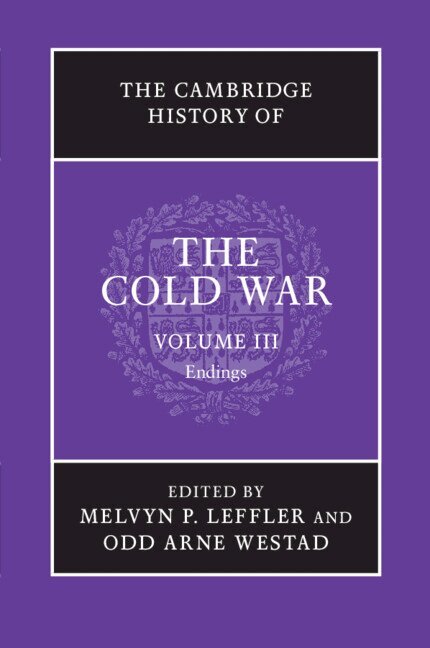
Volume III of The Cambridge History of the Cold War examines the evolution of the conflict from the Helsinki Conference of 1975 until the Soviet collapse in 1991. A team of leading scholars analyzes the economic, social, cultural, religious, technological and geopolitical factors that ended the …
The Cambridge History of the Cold War
Av Melvyn P. Leffler, Odd Arne Westad
Häftad, 2012
589 kr
Lägg i varukorg
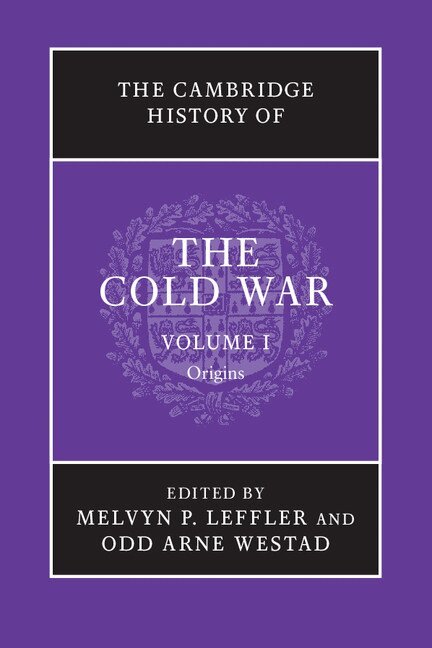
This volume examines the origins and early years of the Cold War. In the first comprehensive reexamination of the period, a team of leading scholars shows how the conflict evolved from the geopolitical, ideological, economic and sociopolitical environments of the two world wars and interwar period, …
The Cambridge History of the Cold War 3 Volume Set
Av Melvyn P. Leffler, Odd Arne Westad
2012
2153 kr
Tillfälligt slut
The Cambridge History of the Cold War is a comprehensive, international history of the conflict that dominated world politics in the twentieth century. The three-volume series, written by leading international experts in the field, elucidates how the Cold War evolved from the geopolitical, …