The Ecology of Indonesia Series – serie
Visar alla böcker i serien The Ecology of Indonesia Series. Handla med fri frakt och snabb leverans.
4 produkter
4 produkter
Inbunden, Engelska, 1997
956 kr
Skickas inom 7-10 vardagar
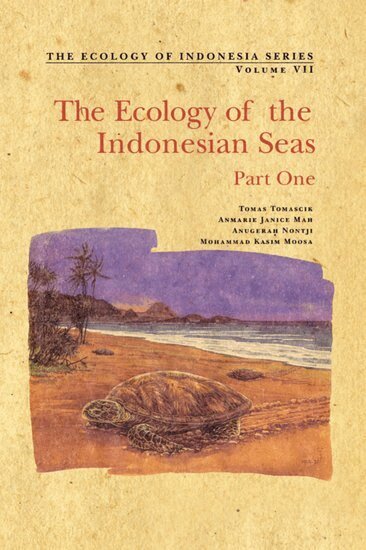
Located between the Pacific and Indian Oceans, and between the Asian and Australian continents, the seas of the Indonesian Archipelago have a significant role in global weather patterns and oceanic circulation. The dynamic interplay between geological, physical, chemical, and biological processes, past and present, has given rise to one of the most diverse marine regions on the planet. The exceptional marine and coastal ecosystem diversity of the Indonesian archipelago provides hundreds of habitats that support thousands of species. This treasure trove of marine biodiversity has sustained the people of the archipelago for thousands of years. Population growth and socio-economic development place many of these resources at increasing risk of overexploitation. Using maps and numerous illustrations, The Ecology of the Indonesian Seas describes the complex and ecologically vulnerable coastal and marine ecosystems of the region in rich detail. Discussion of development, resource use and ecologically sustainable management plans is also incorporated. The first step towards sustainable use of marine and coastal resources, this book will be a valuable tool for ecologists, marine biologists, resource managers, government planners, and all those with an interest in the ecology of the region. Bound in two parts, of which this is the first, this book is part of The Ecology of Indonesia series.
Inbunden, Engelska, 1997
956 kr
Skickas inom 7-10 vardagar
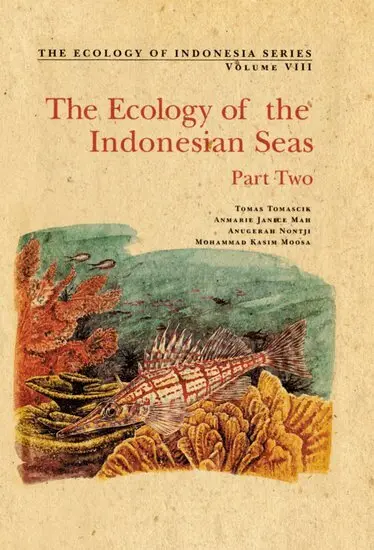
Located between the Pacific and Indian Oceans, and between the Asian and Australian continents, the seas of the Indonesian Archipelago have a significant role in global weather patterns and oceanic circulation. The dynamic interplay between geological, physical, chemical, and biological processes, past and present, has given rise to one of the most diverse marine regions on the planet. The exceptional marine and coastal ecosystem diversity of the Indonesian archipelago provides hundreds of habitats that support thousands of species. This treasure-trove of marine biodiversity has sustained the people of the archipelago for thousands of years. Population growth and socio-economic development place many of these resources at increasing risk of overexploitation. Using maps and numerous illustrations, The Ecology of the Indonesian Seas describes the complex and ecologically vulnerable coastal and marine ecosystems of the region in rich detail. Discussion of development, resource use and ecologically sustainable management plans is also incorporated. The first step towards sustainable use of marine and coastal resources, this book will be a valuable tool for ecologists, marine biologists, resource managers, government planners, and all those with an interest in the ecology of the region. Bound in two parts, of which this is the second, The Ecology of the Indonesian Seas is part of The Ecology of Indonesia Series.
Inbunden, Engelska, 2001
2 459 kr
Skickas inom 7-10 vardagar
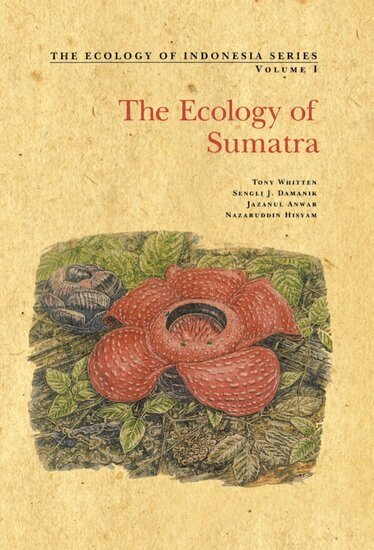
Sumatra is the focus of a large number of agricultural, social and industrial developments and yet the possible biological impacts of these are largely only guessed at by local and foreign scientists working on those projects. One reason for this is that the biology of Sumatra and its surrounding islands is poorly known. Another reason is that the information that does exist is spread through a disparate array of Dutch, English, German and Indonesian journals and reports. The Ecology of Sumatra has brought together nearly 1500 references relevant to understanding the components and functioning of the wide range of natural and man-made ecosystems on Sumatra. It was originally written in 1983 by a team at the Centre for Resource and Environmental Studies (CRES) at the University of North Sumatra and the team members have conducted field work throughout Sumatra to supplement existing information. This new edition includes a commentary on the last 17 years of development on Sumatra, as well as an additional bibligraphy of recent publications. The Ecology of Sumatra will prove useful to resource managers, ecologists, environmental scientists and local government personnel, and will be enlightening to Sumatra's inhabitants and visitors. It should also be of great interest to anyone wanting to learn about Southeast Asian Biology.
Inbunden, Engelska, 1997
2 459 kr
Skickas inom 7-10 vardagar
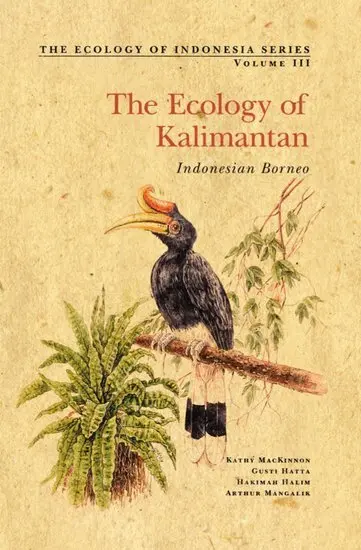
Kalimantan, the Indonesian part of the island of Borneo, is a global centre for biodiversity. Because of its rich supply of natural resources, Kalimantan has also been a key player in Indonesia's economic development. As a result of unsustainable logging and industrial development, many of the island's unique riverine, rainforest, wetland, and coastal habitats are vulnerable and highly endangered. Part of The Ecology of Indonesia series, The Ecology of Kalimantan presents a complete summary of our current scientific knowledge about the ecosystems of Kalimantan. Using numerous maps, colour photographs, and line- drawings, it examines each of the major ecosystems of the island, and the interrelationships between some of their component species. It also focuses on the people of Kalimantan and their use of natural resources, as a major part of these ecosystems. The second part of the book examines the potential of Kalimantan's different land units for the development of commercial production systems such as plantations and agroforestry. Guidelines on resource conservation, ecologically sustainable management plans, and the ecological consequences of development are integrated into this. Accessible to any reader with an interest in the region, this book will be an invaluable handbook for all individuals involved in conservation, ecology, anthropology, development planning or resource management in Indonesia, and Kalimantan in particular.